Aškerc Memorial
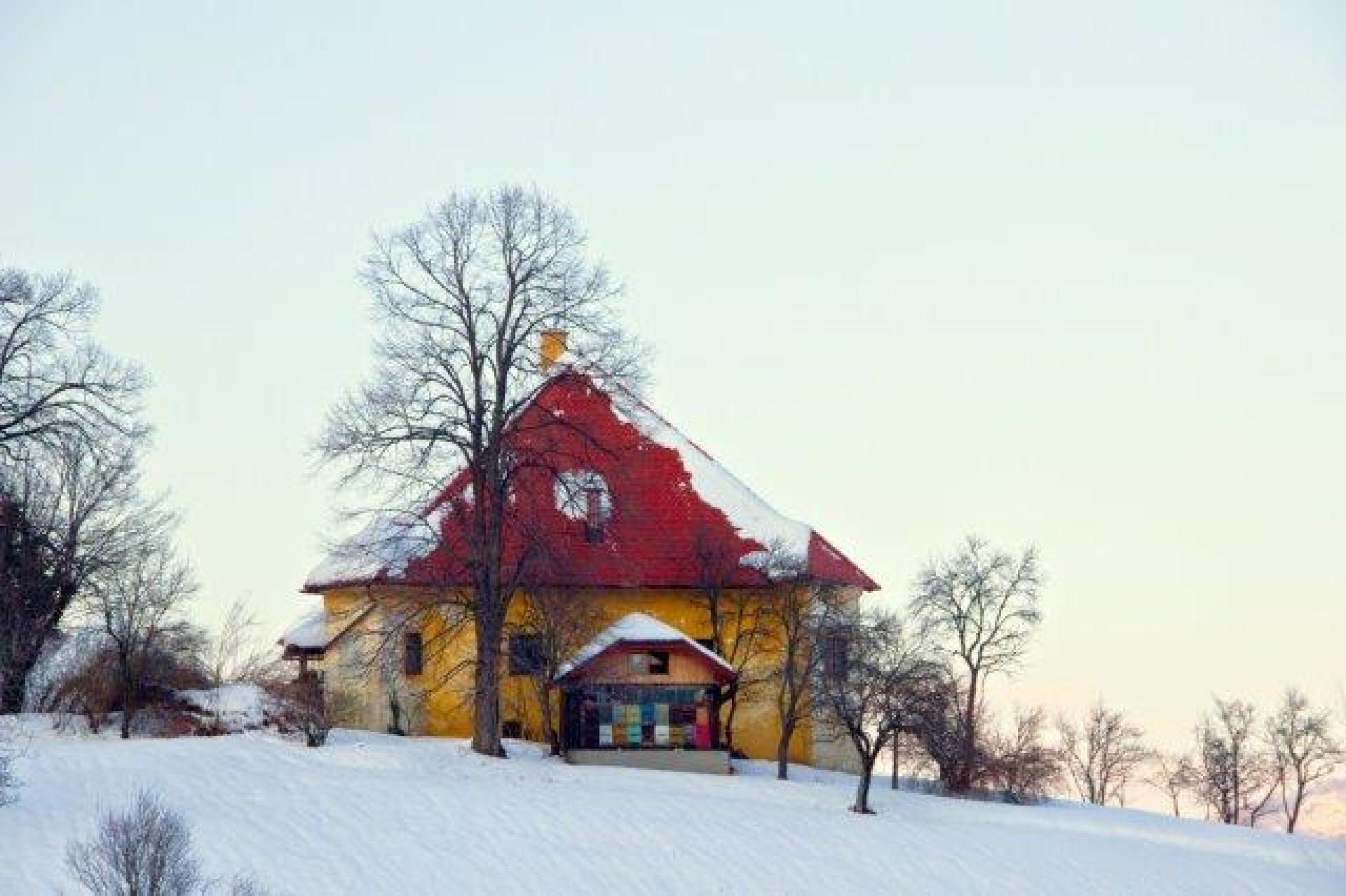
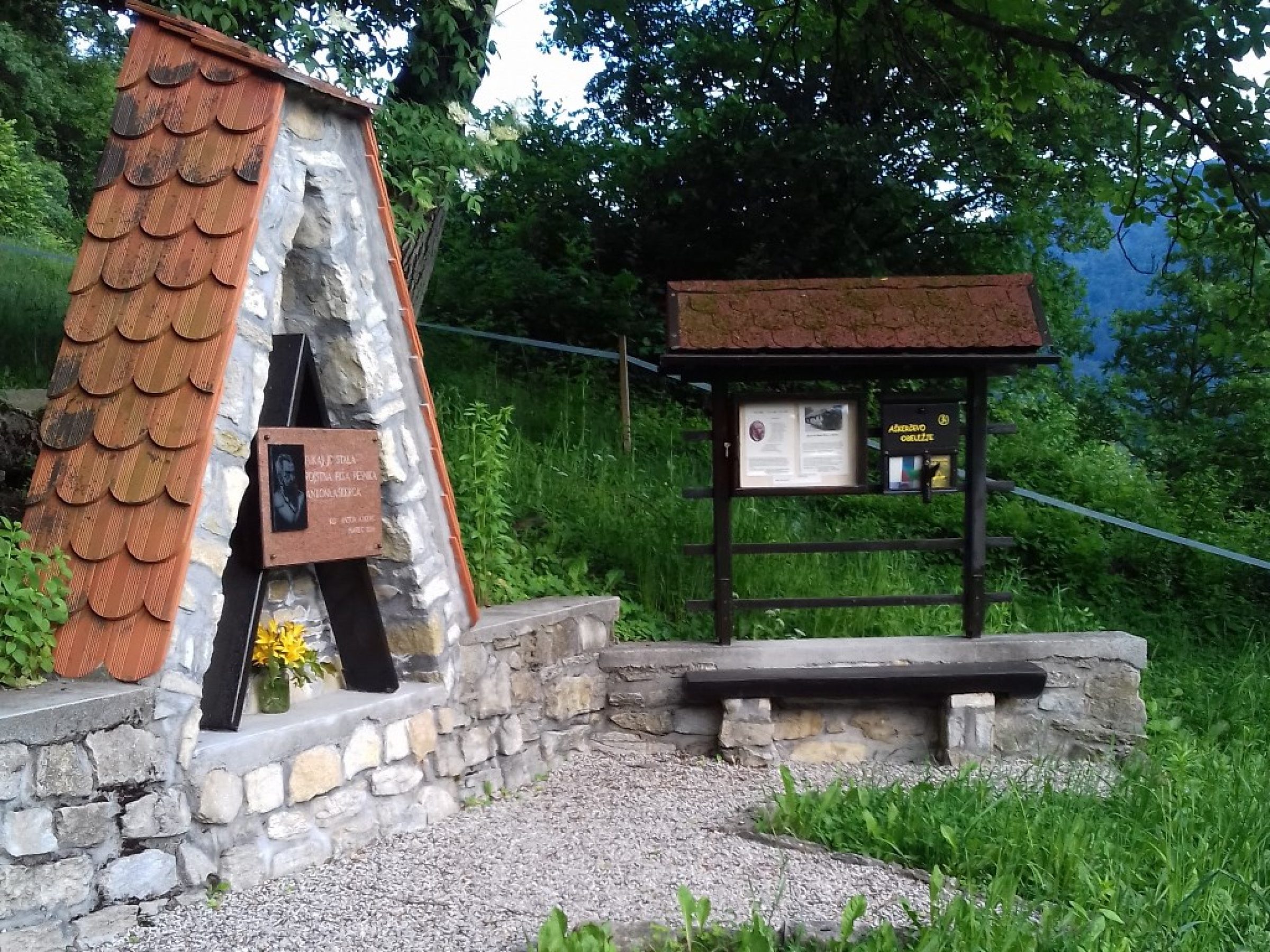
In March 2006, members of the Anton Aškerc Cultural Society of Rimske Toplice landscaped the surroundings of the remains of the poets birthplace and erected a memorial in the shape of the letter A.
Interactive thematic map of sights, heritage, local offer and experiences in Celje and its surroundings.
In March 2006, members of the Anton Aškerc Cultural Society of Rimske Toplice landscaped the surroundings of the remains of the poets birthplace and erected a memorial in the shape of the letter A.
The history of the Ptujska Gora pilgrimage church reaches far back. According to folk tradition, the first church in honour of the Mother of God is said to have been built here as early as the 13th century. With certainty, however, we may say that the three-nave Gothic church stood here at the end of the 14th century. It was built by the Counts of Celje in honour of “Our Dear Lady”.
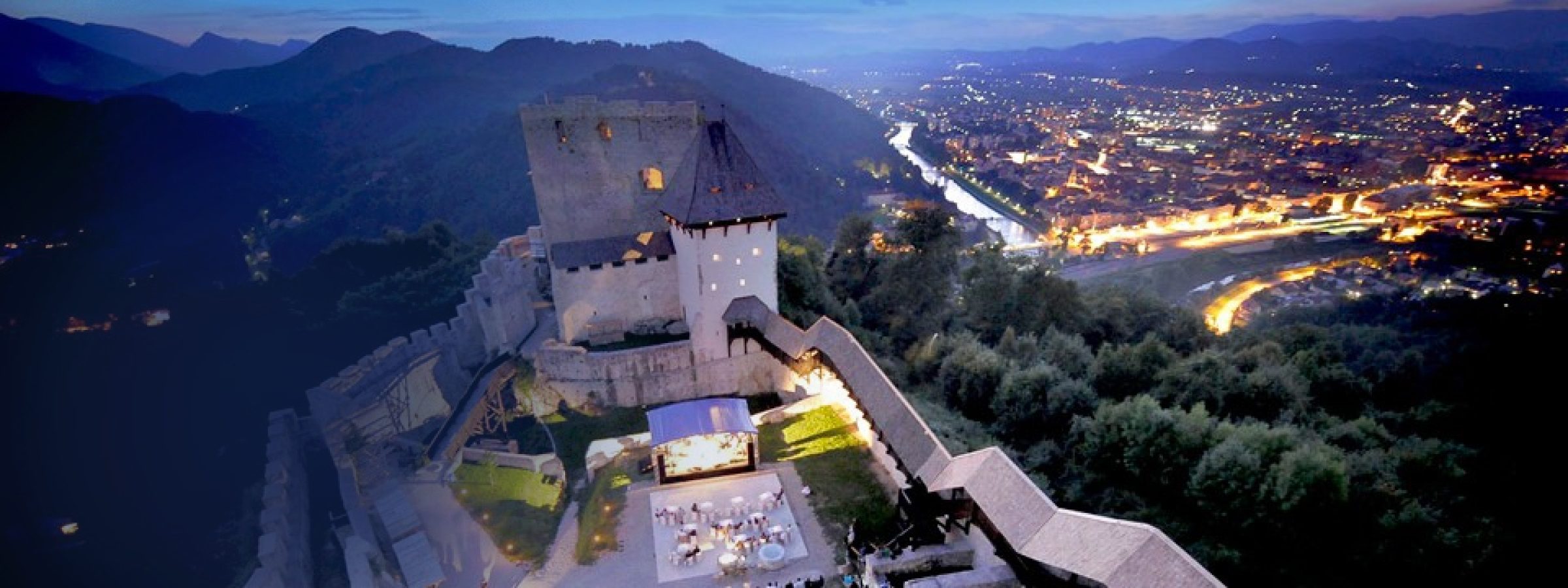
The largest medieval castle in Slovenia was the seat of the mighty Counts of Celje.
Horse chestnut trees, the sound of the river and meeting old acquaintances in nature are the main draw of Celje City Park, once known as the Savinja Meadow.
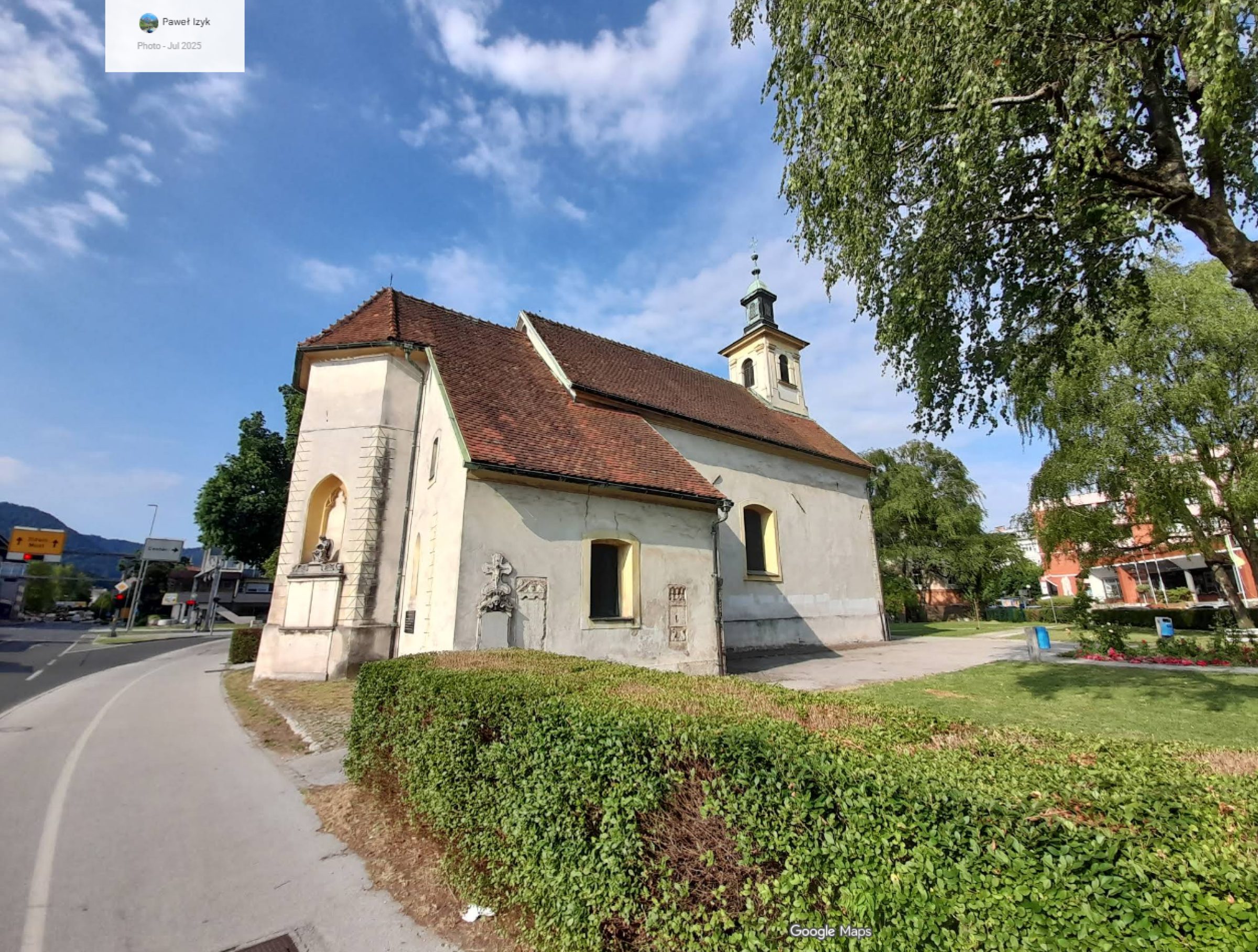
The Church of St Maximilian, which stands opposite the bus station, is dedicated to the legendary Celje native Bishop Maximilian, who is said to have died a violent death at this spot in the year 283.
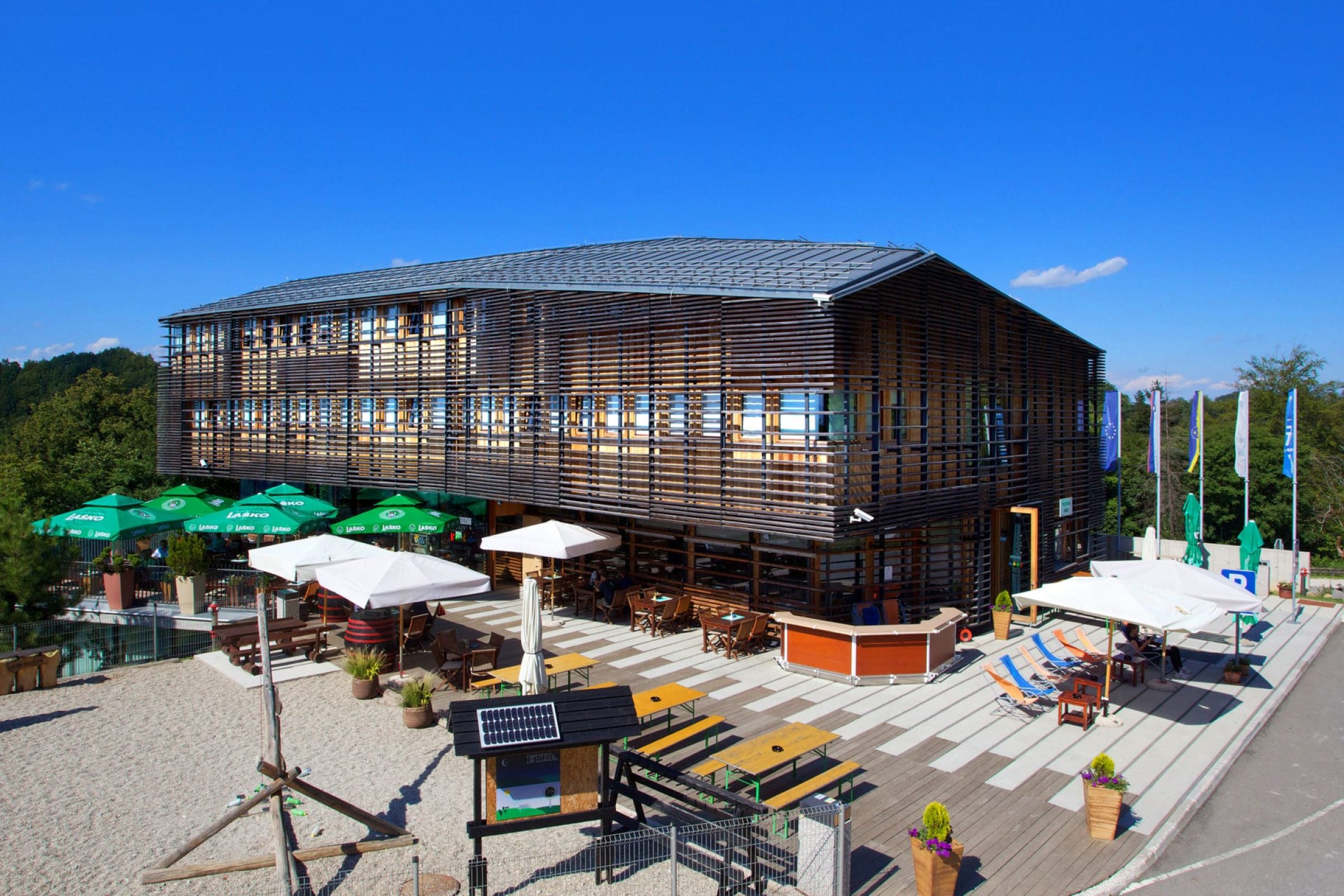
With a view of Celje in miniature, comfort and unspoilt nature meet on a green plateau to the south of the Celje basin. Celjska koča is a hill and a resort that you can reach on foot, by bike or by car.
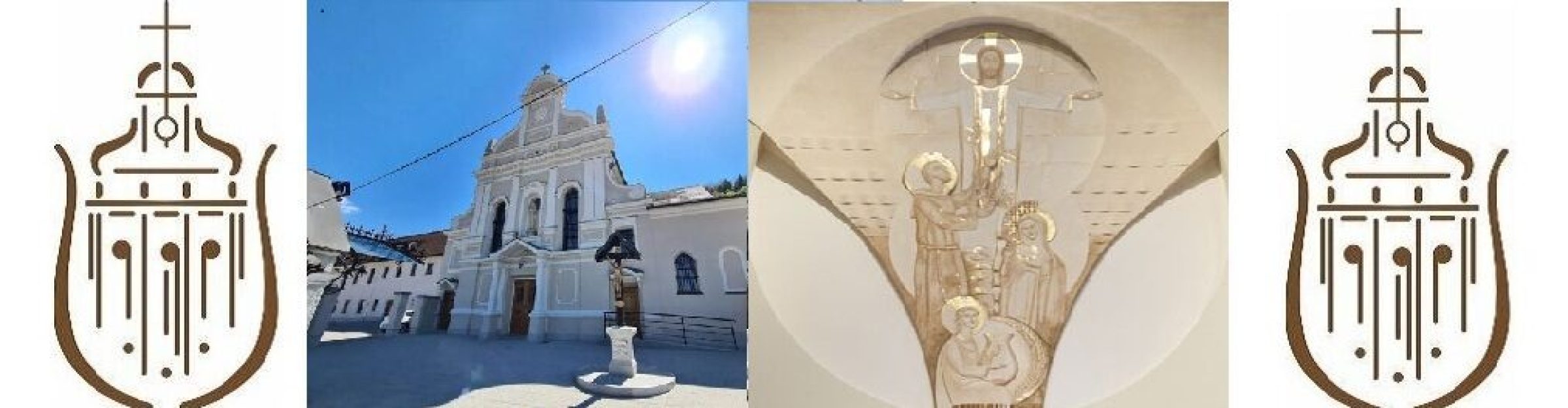
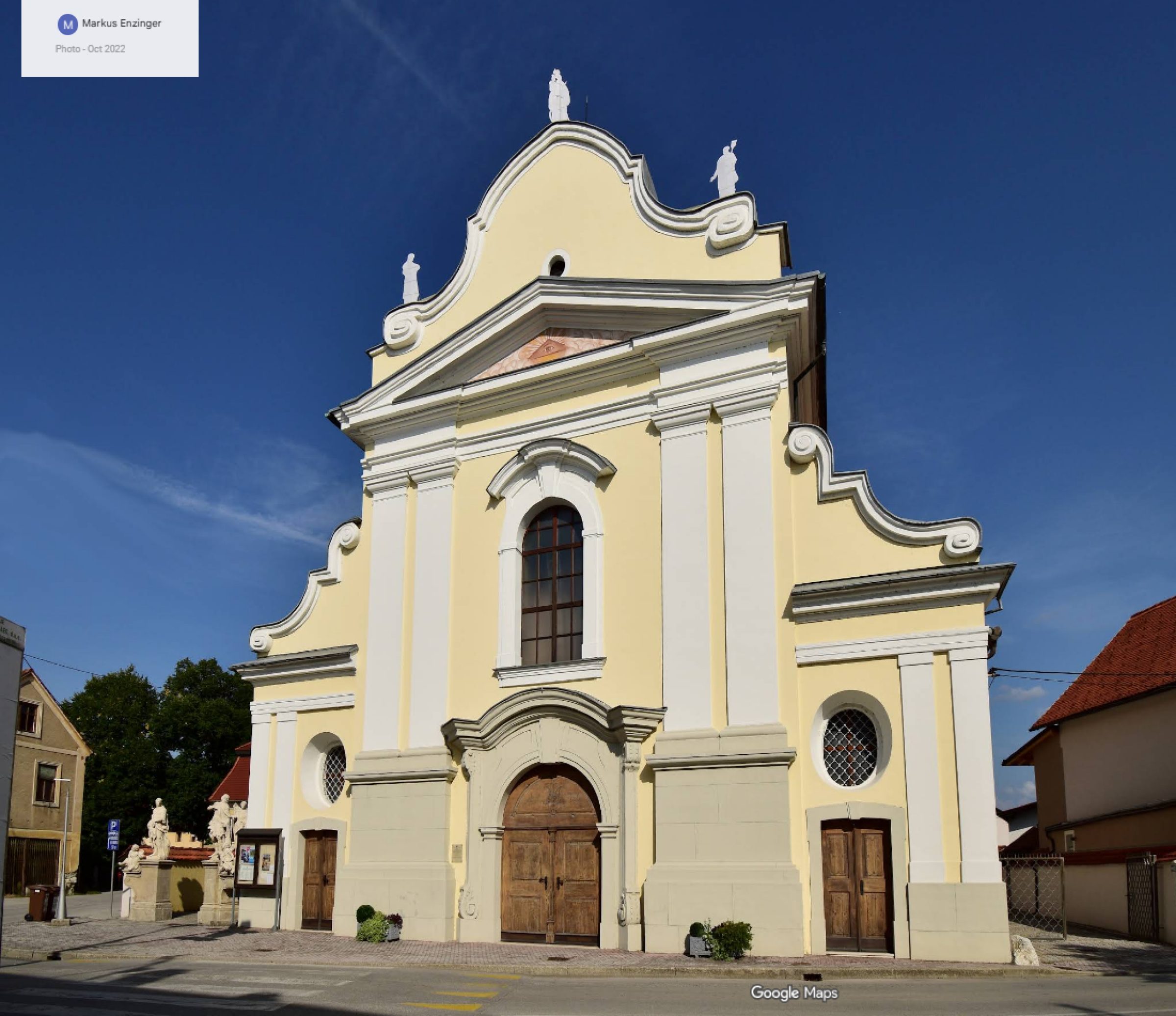
The church and Capuchin monastery were built at the wish and with the alms of the faithful. The foundation stone was laid on 25 October 1609. The church was consecrated to St Cecilia by the Bishop of Ljubljana Tomaž Hren on 14 November 1615. The monastery was enlarged in 1910, and in 1911 chapels were added to the church.
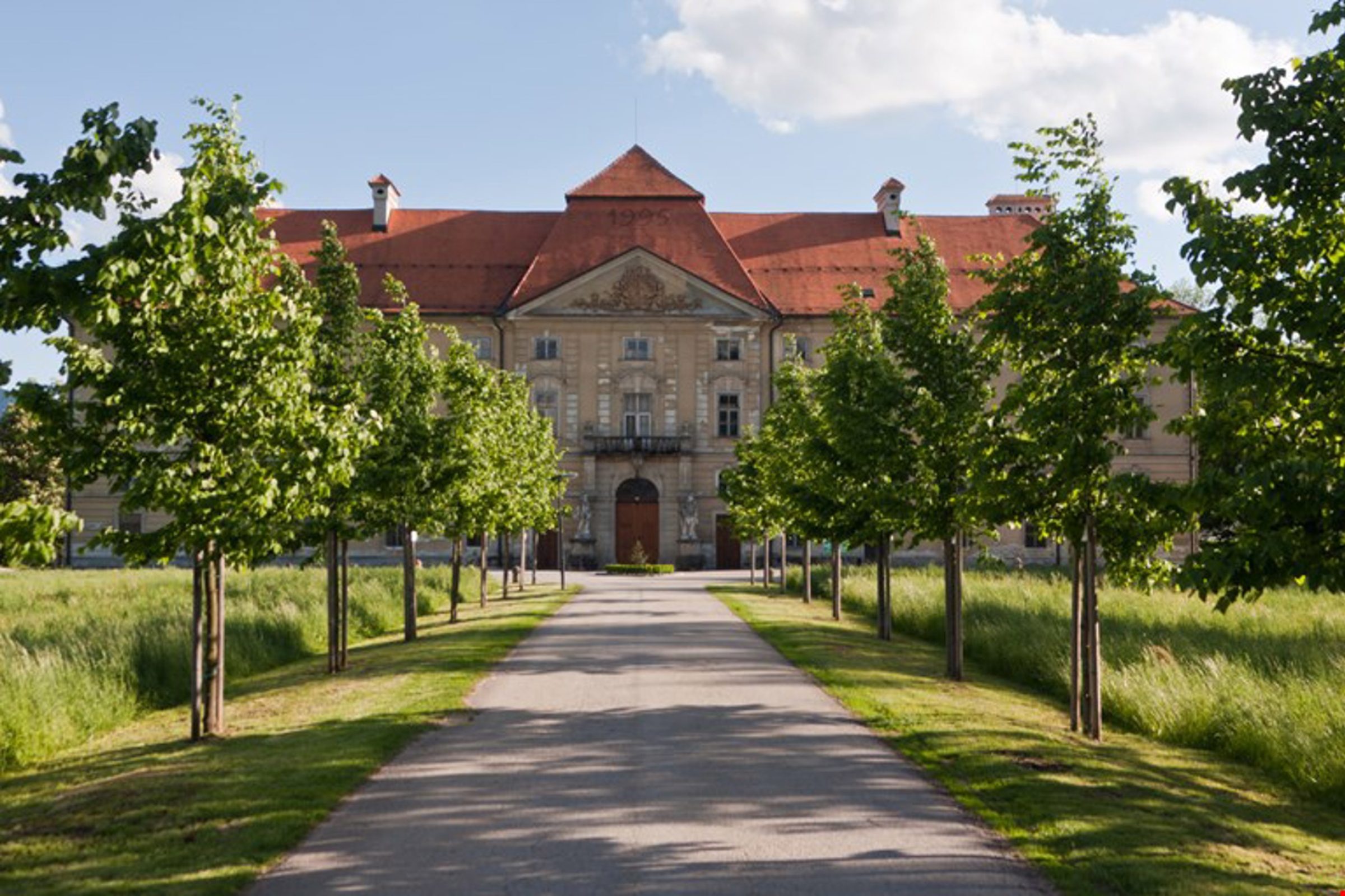
This Baroque manor from the 18th century stands in a large park between Žalec and Petrovče.
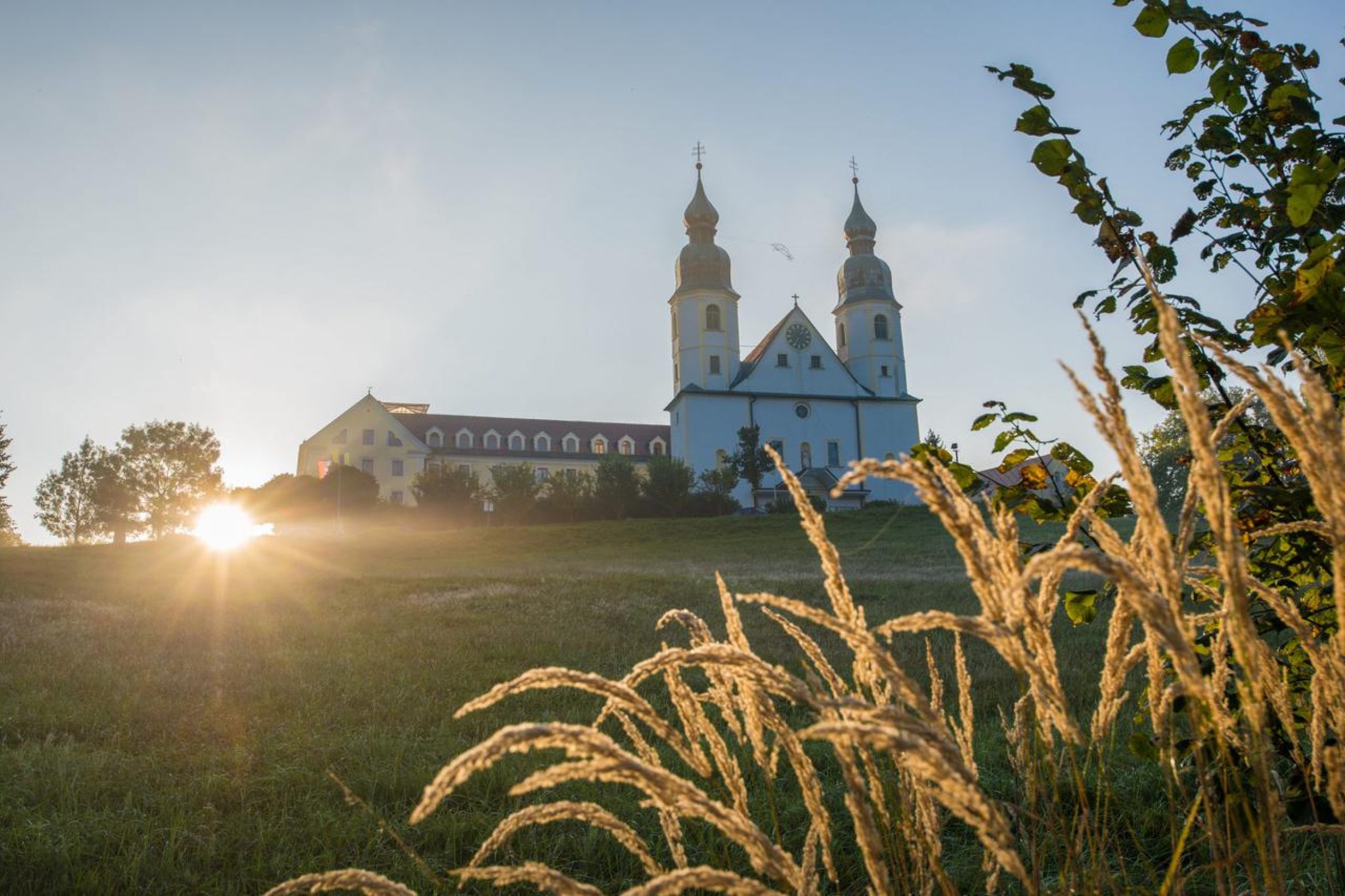
On St Josephs Hill in Celje, with Gods blessing and the dedication of all who live and work here, a diverse range of activities has developed over the course of two good decades, which we divide into three areas. The oldest is the spiritual and educational activity, which has been operating since 1997. We prepare our own programmes of spiritual exercises, training for pastoral co-workers, adult education, cultural events, concerts and courses.
Gostilna pri Kozolcu in Vojnik near Celje takes its name from the famous hayrack (kozolec) from 1815 that stands on the square in the centre of the town. For several years now our place has smelled of burgers, and recently we have also devoted ourselves to organising private parties by arrangement. With us, a homely feel intertwines with good energy and genuine flavours.
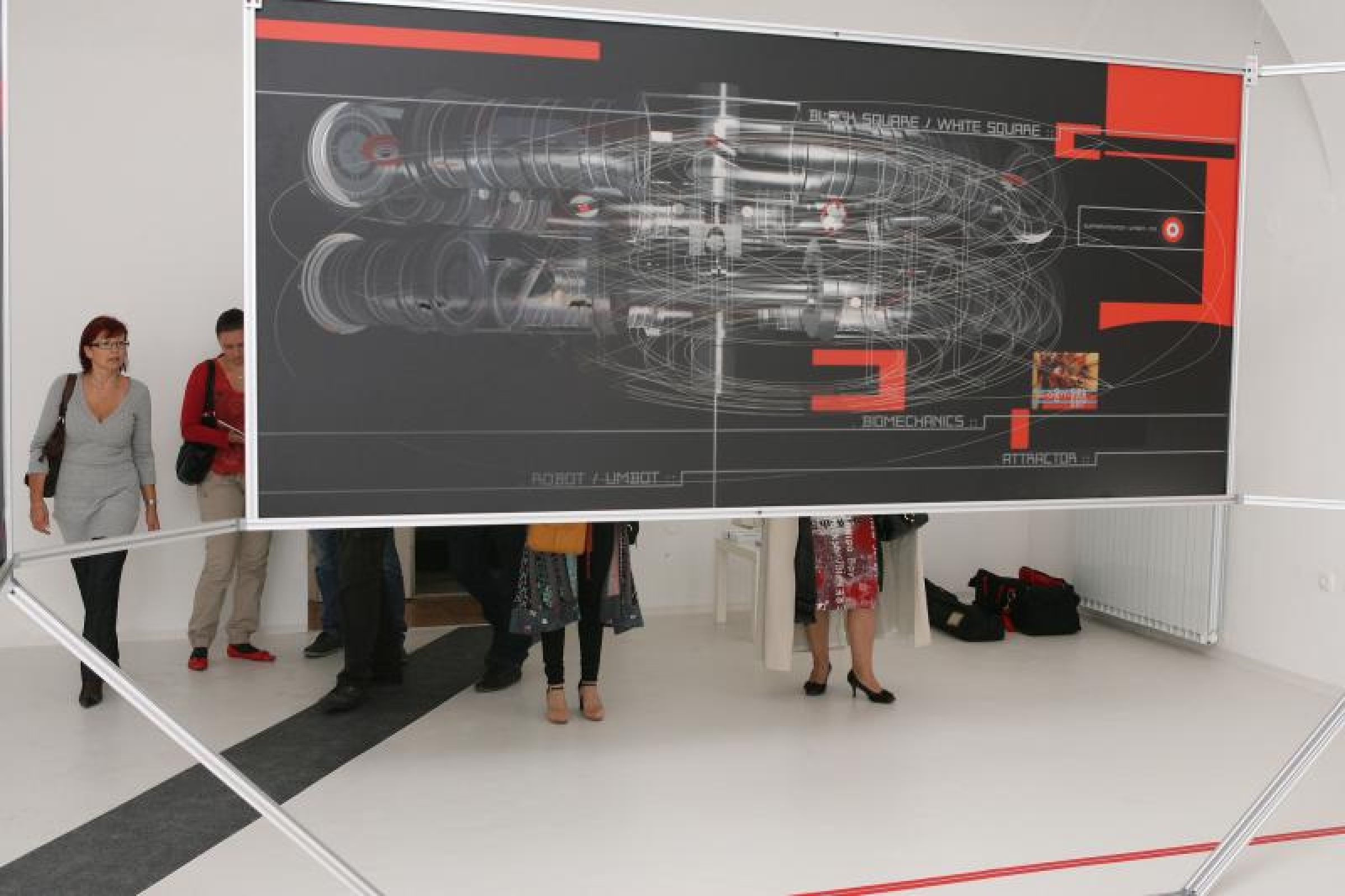
With its representative exhibition spaces in the Princes Court, it is dedicated to larger, study-based, thematic and survey exhibitions of recent and contemporary fine art by domestic and foreign artists.
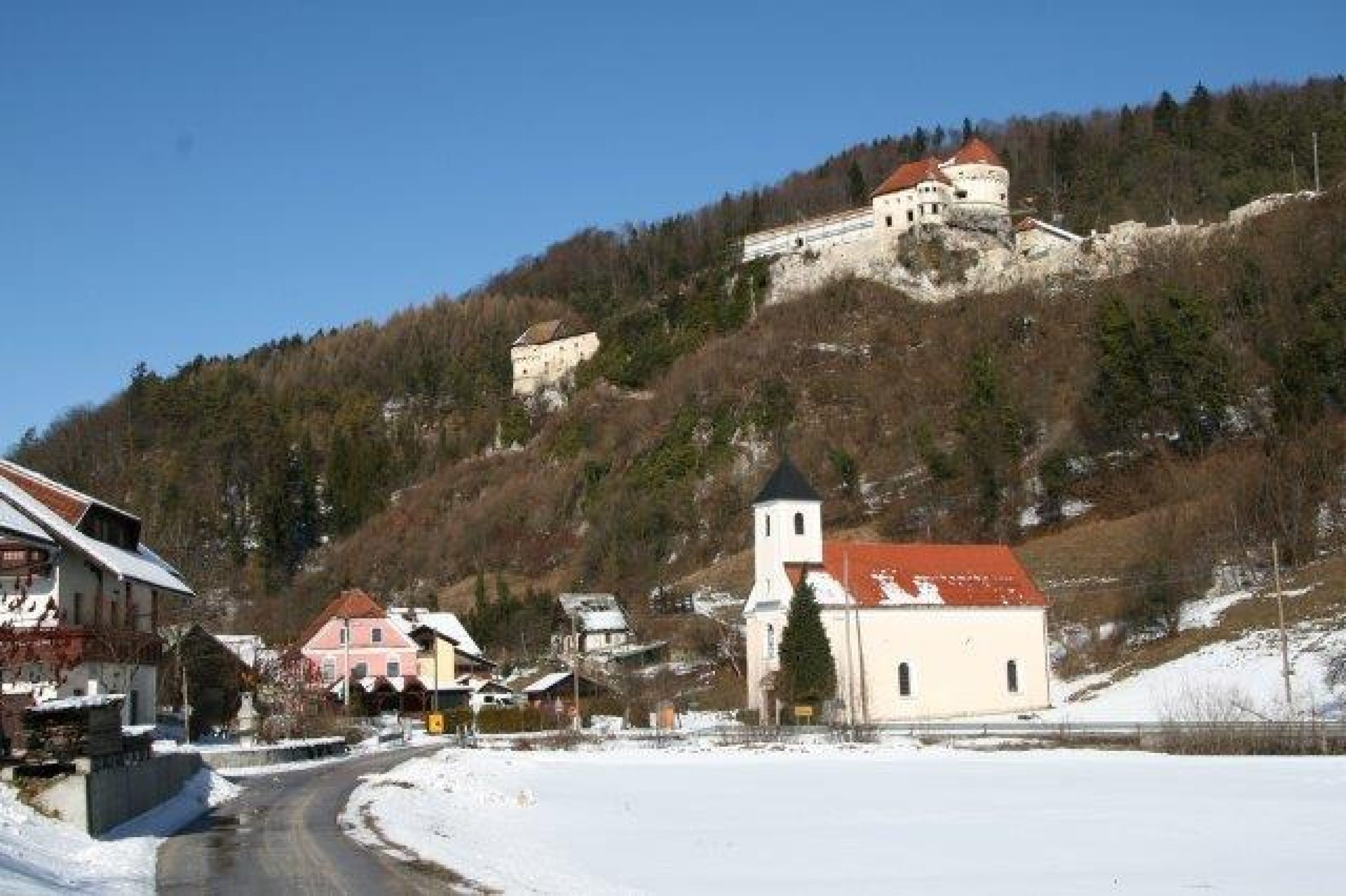
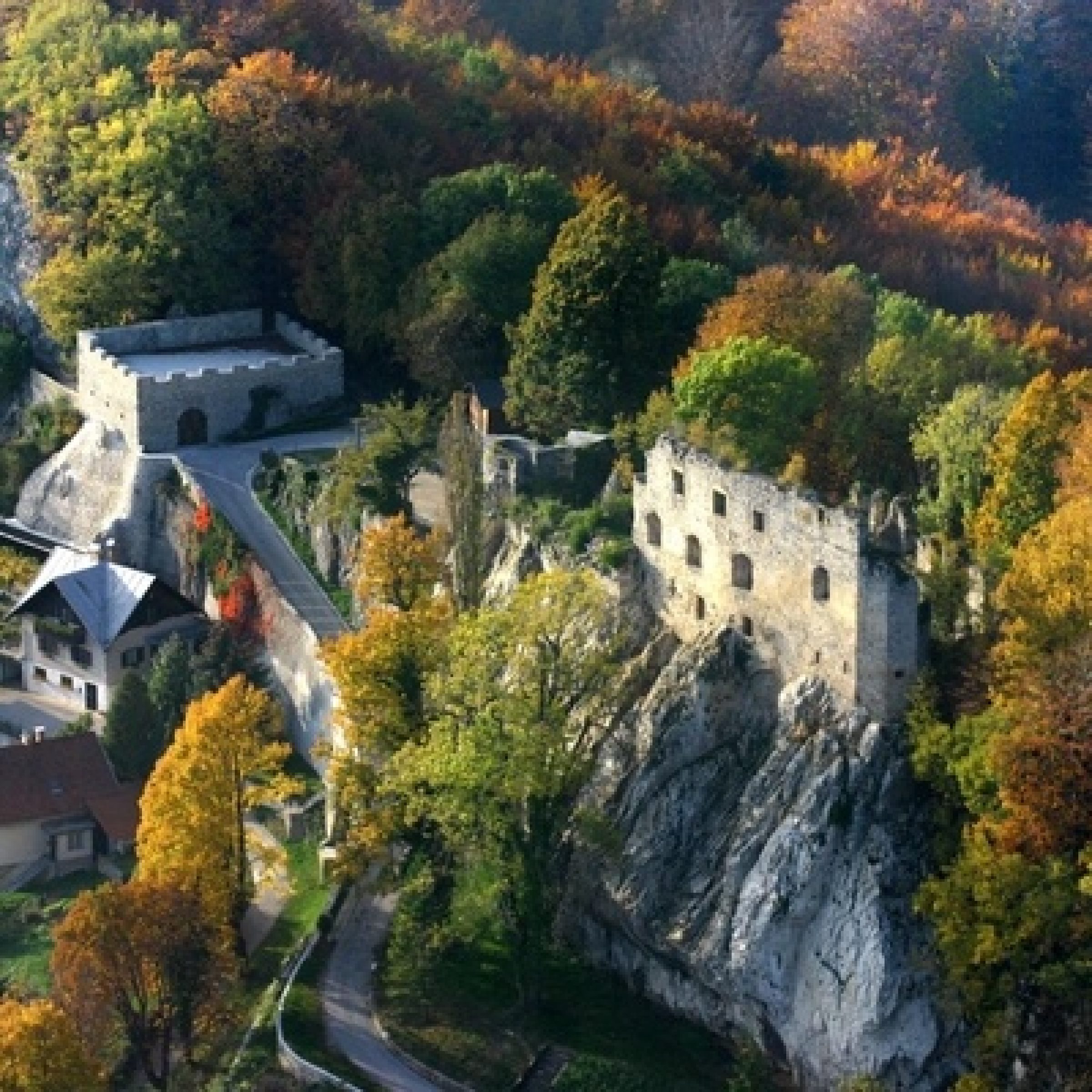
On the rock above the village of Planina pri Sevnici, the castle ruins stand proudly. At their core they reveal Romanesque elements, while the southern castle wall is Gothic, and the entrance section and part of the curtain wall on the north-western side are Renaissance. The core of the castle was formed by a mighty palace, once 38 metres long and 15 metres wide. In addition to the imposing curtain wall, which in its lower part measures up to two and a half metres thick, the castle was protected on the western side by a defensive tower that guarded the original southern access.
Mansion with Park, Frankolovo, from the 16th century. Once the manor included the Chapel of the Holy Trinity, in which the first wedding was recorded in 1724.
Majpigel Mansion in Vine, from the 18th century, a small domain above Lemberg. Originally it was the property of the Celje Minorites. Later the painter Elda Piščanec worked at the mansion.
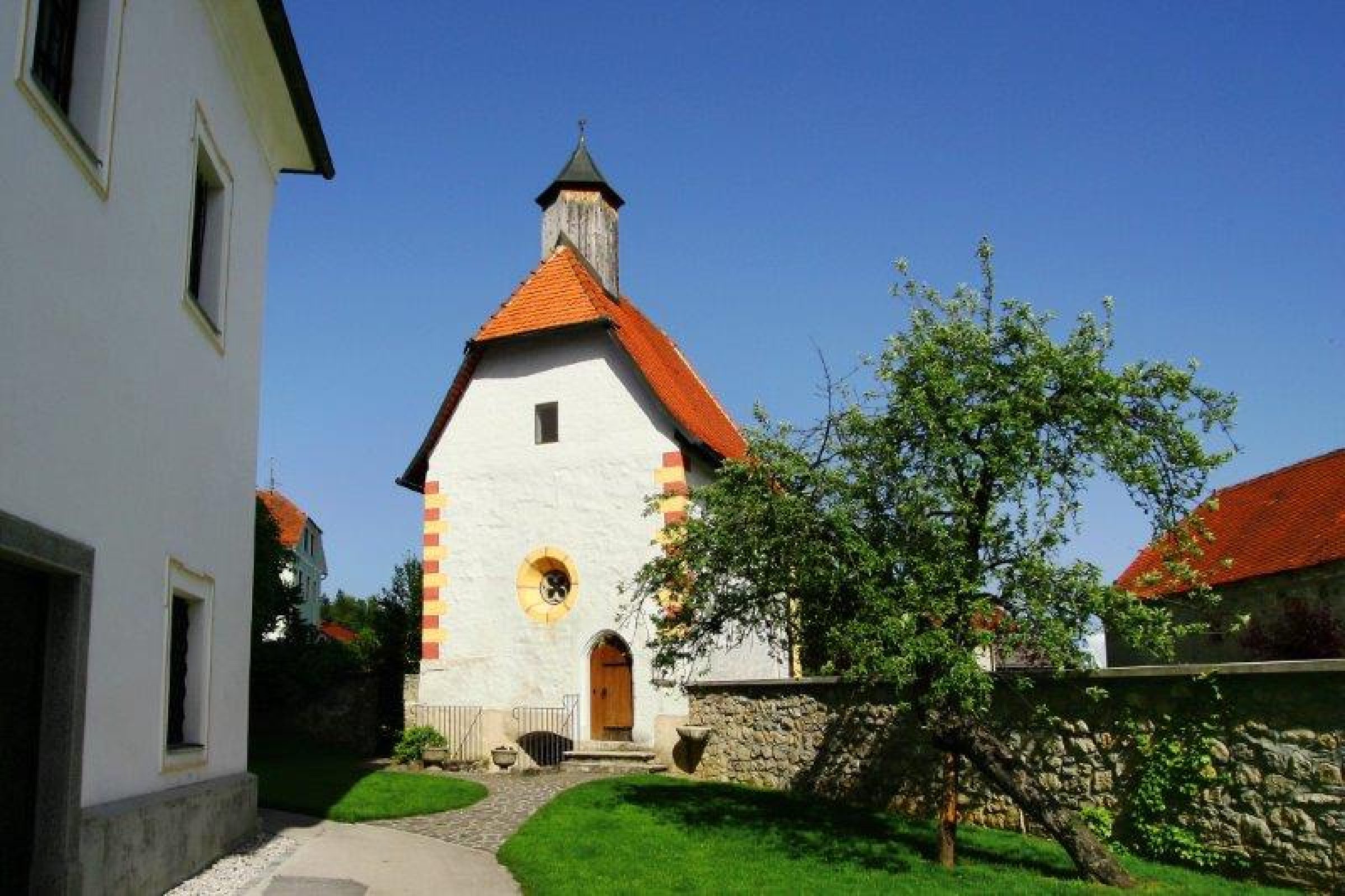
St Michaels Chapel, in Nova Cerkev, beside the Church of St Leonard. The Gothic chapel has a reconstructed Baroque architectural painting of stitched edges from the end of the 18th century. The chapel also has reconstructed windows in the presbytery and the entrance door to the chapel. In the chapel Anton Martin Slomšek also held Sunday school for his faithful.
Socka Mansion with Park (15th century); its original owners are known as early as the first half of the 13th century. The park is an example of a Classicist design from the second half of the 19th century with elements of exoticism.
The Chapel of St Thomas at St Thomas above Vojnik, the remains of a once mighty medieval castle from the 12th century.
The Church of St Florian, Vojnik, from the 15th century. Exterior: the bell tower has no plinth, but has a simple cornice. The presbytery is encircled by a Gothic plinth and a fluted fabion. Interior: after 1730 the Nepomuk Chapel and the western part of the sacristy were added. The church received its furnishings in the second half of the 18th century.
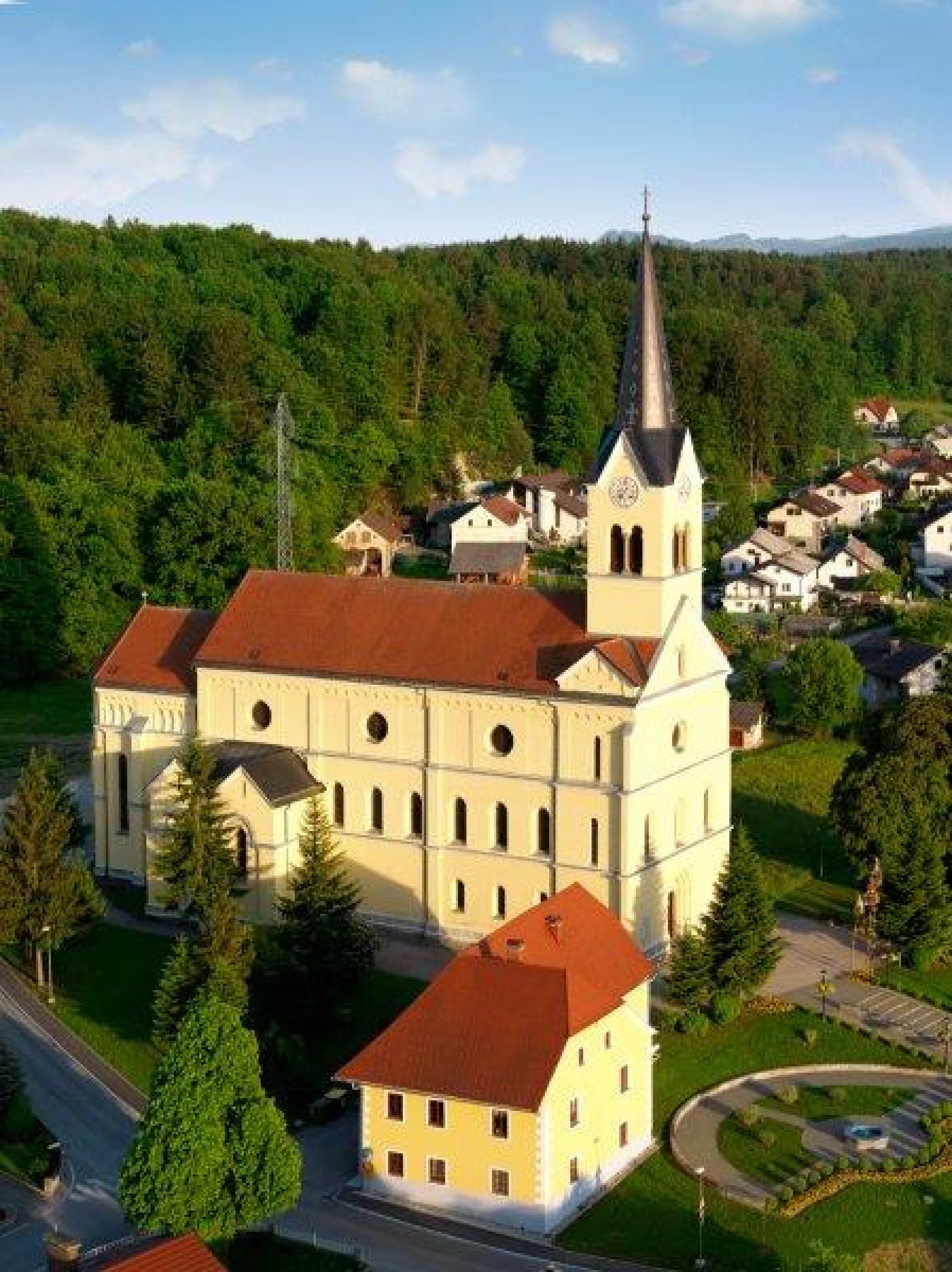
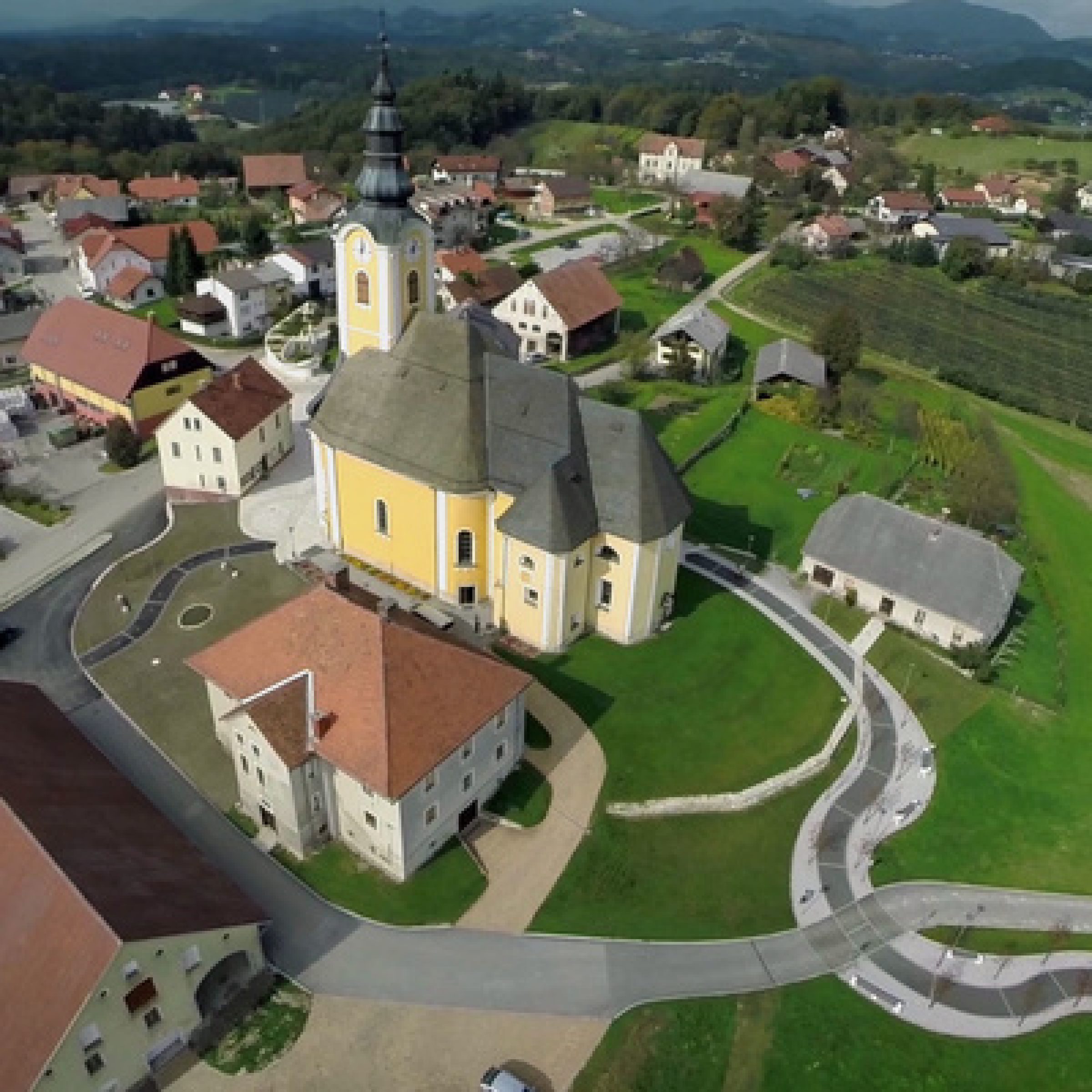
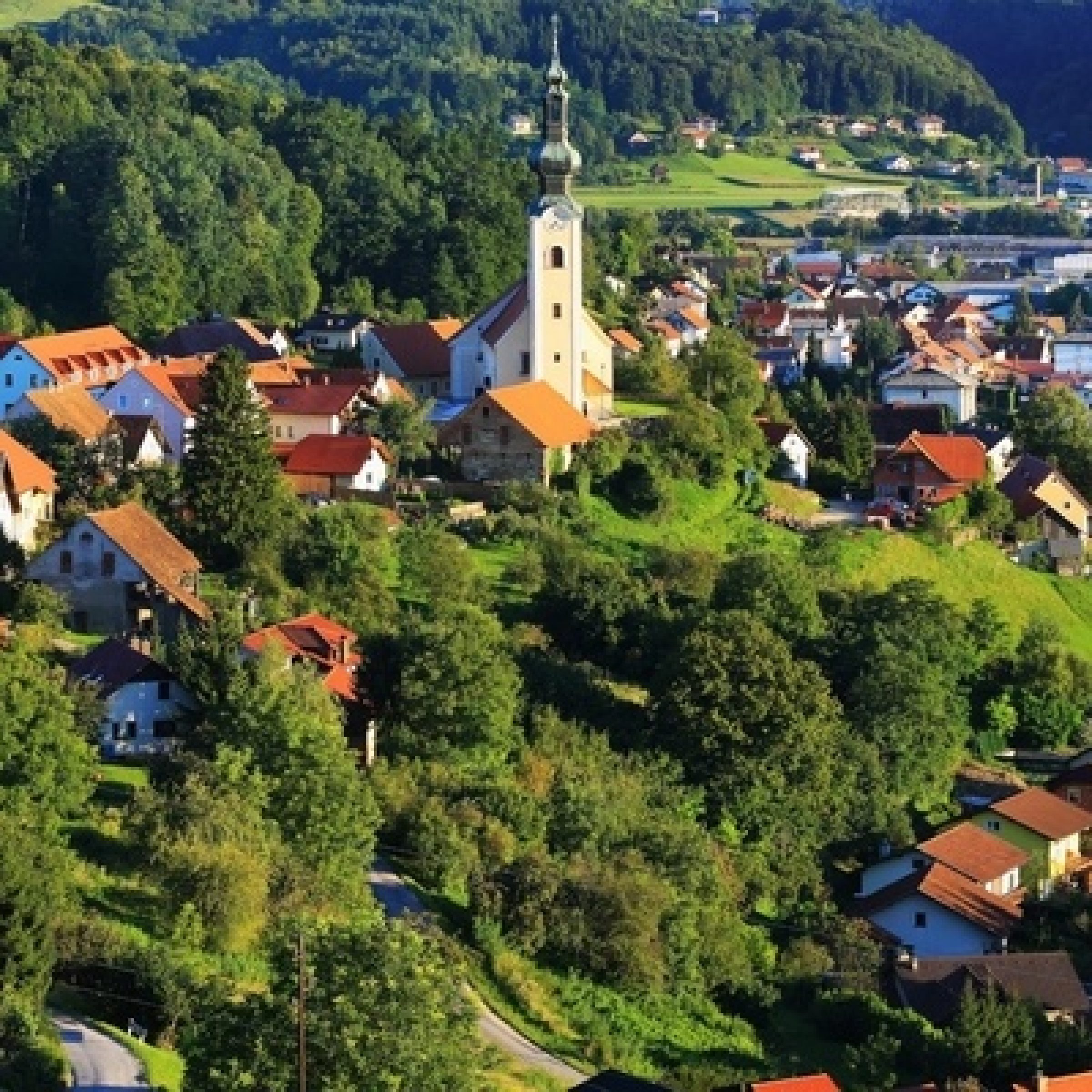
Before we arrive in Vojnik along the main road, the mighty parish Church of St Bartholomew greets us at the start of the settlement. The present church is at least the third in succession and the youngest of all the churches in the parish.
The Church of St Catherine in Lemberg; the original church dated from 1262 and was later demolished, but the present one is from 1841.
Lemberg Castle from the 12th century; in 1453 it was demolished by Frederick II of Celje and was rebuilt in 1584. Even today the castle reveals its mighty appearance, already from the road leading towards Dobrna.
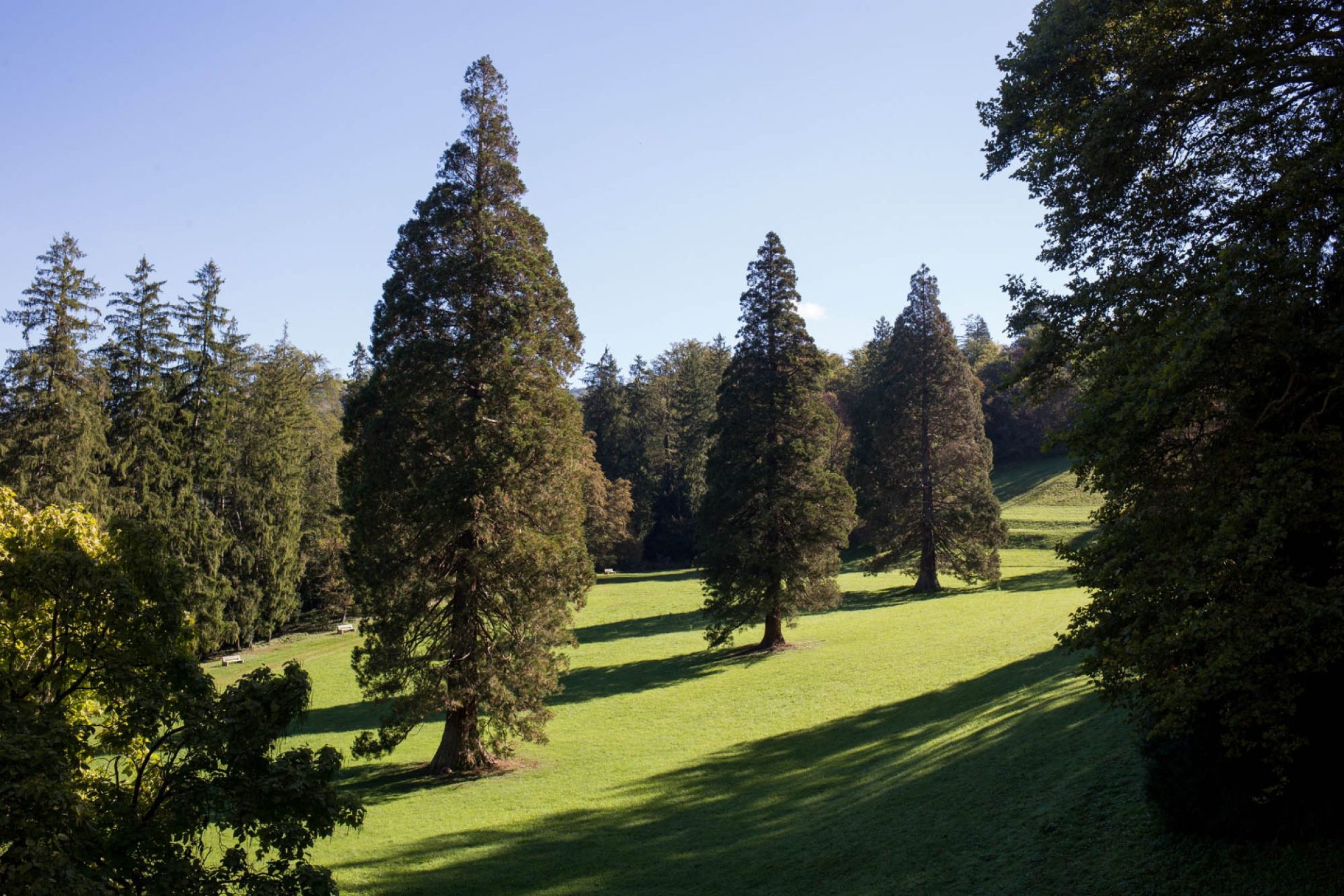
What most certainly draws the admiring gaze of every visitor to Rimske Toplice are the sequoias on the forest clearing, or meadow, as the locals call it. They were planted in 1879 in honour of the arrival of the English princess and Prussian crown princess Victoria. The trees were sent from the Kew Gardens botanical garden in London.
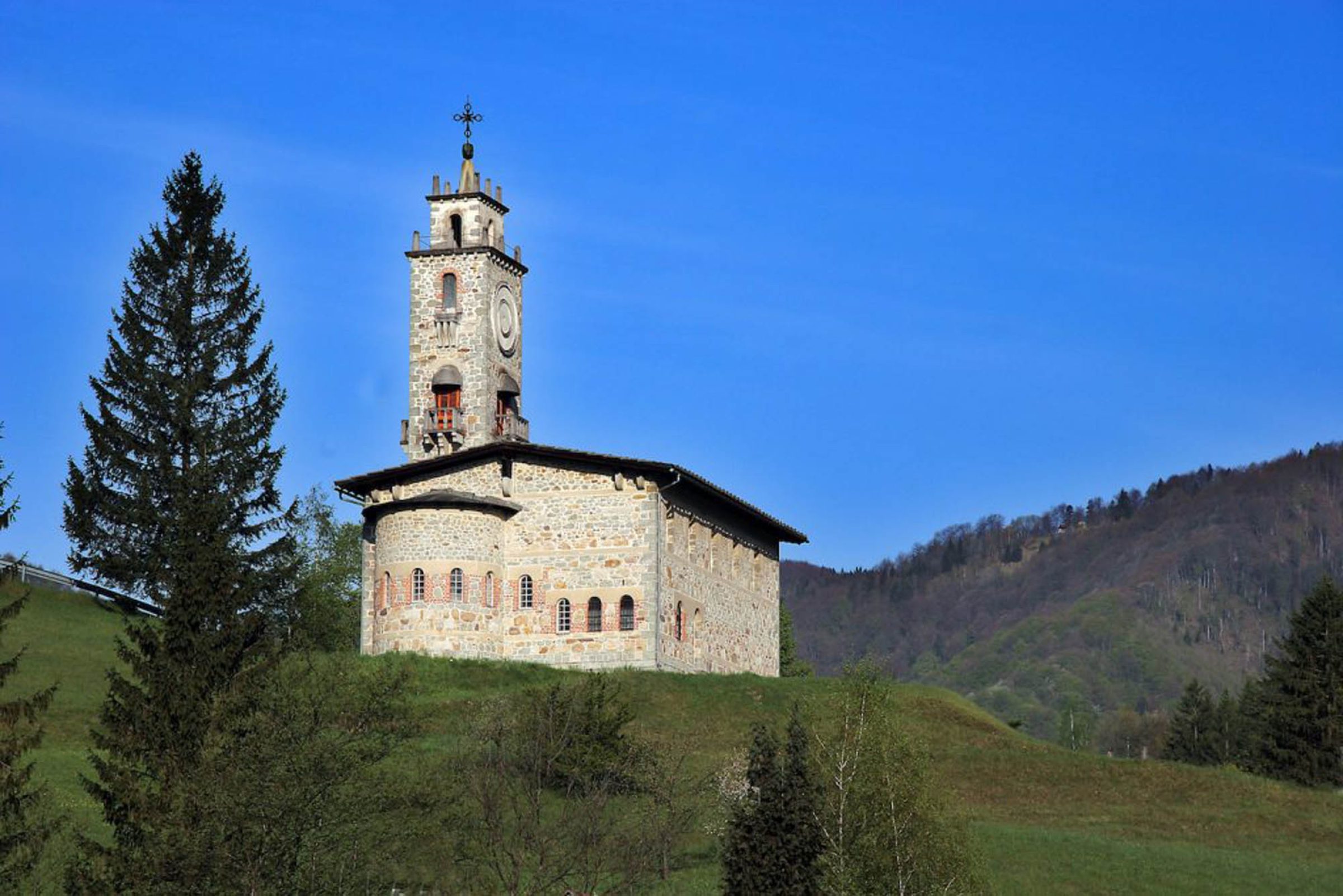
The church in the picturesque Rečica Valley was designed according to the plans of Janez Valentinčič, assistant to the renowned architect Jože Plečnik. His influence is visible, among other things, in the form of the bell tower with balconies and domes that direct the ringing of the bells across the valley. Built in 1939, in 2000 the church became the first in Slovenia to be consecrated to Blessed Anton Martin Slomšek.
The popular pilgrimage church of Our Lady of Lourdes, also simply called Lourdes, was built in 1886. Several stones brought from the famous rock grotto in Lourdes, France, were built into the altar. Owing to its position, the church offers an exceptional view of the spa town of Rimske Toplice.
One of the oldest churches in the Laško area, built around 1500, surprises visitors with its row of statues of female saints. Around the altar dedicated to St Catherine stand St Margaret, St Apollonia, St Barbara and St Lucy. The side altar opposite the pulpit is dedicated to St Dorothea. The painting of the Adoration of the Magi is an important Italian work from the first half of the 17th century.
In the church, completed in 1738, the oldest organ in Slovenia is on display. The organ, dated 1682 and a good half-century older than the church, previously sounded in the Church of St Martin in Laško. This instrument with an exceptional history was also depicted on Slovenias 200-tolar banknote.
The castle above the town, once the administrative seat of the lordship and a princely court, probably already stood in the 11th century, and is first mentioned in written records in 1270. For many years it belonged to the famous Counts of Celje, who are said to have used it as a hunting lodge. It acquired the name Tabor during the time of the Turkish raids, when its fortifications protected the inhabitants of the market town. Today it houses a restaurant offering top-quality cuisine.
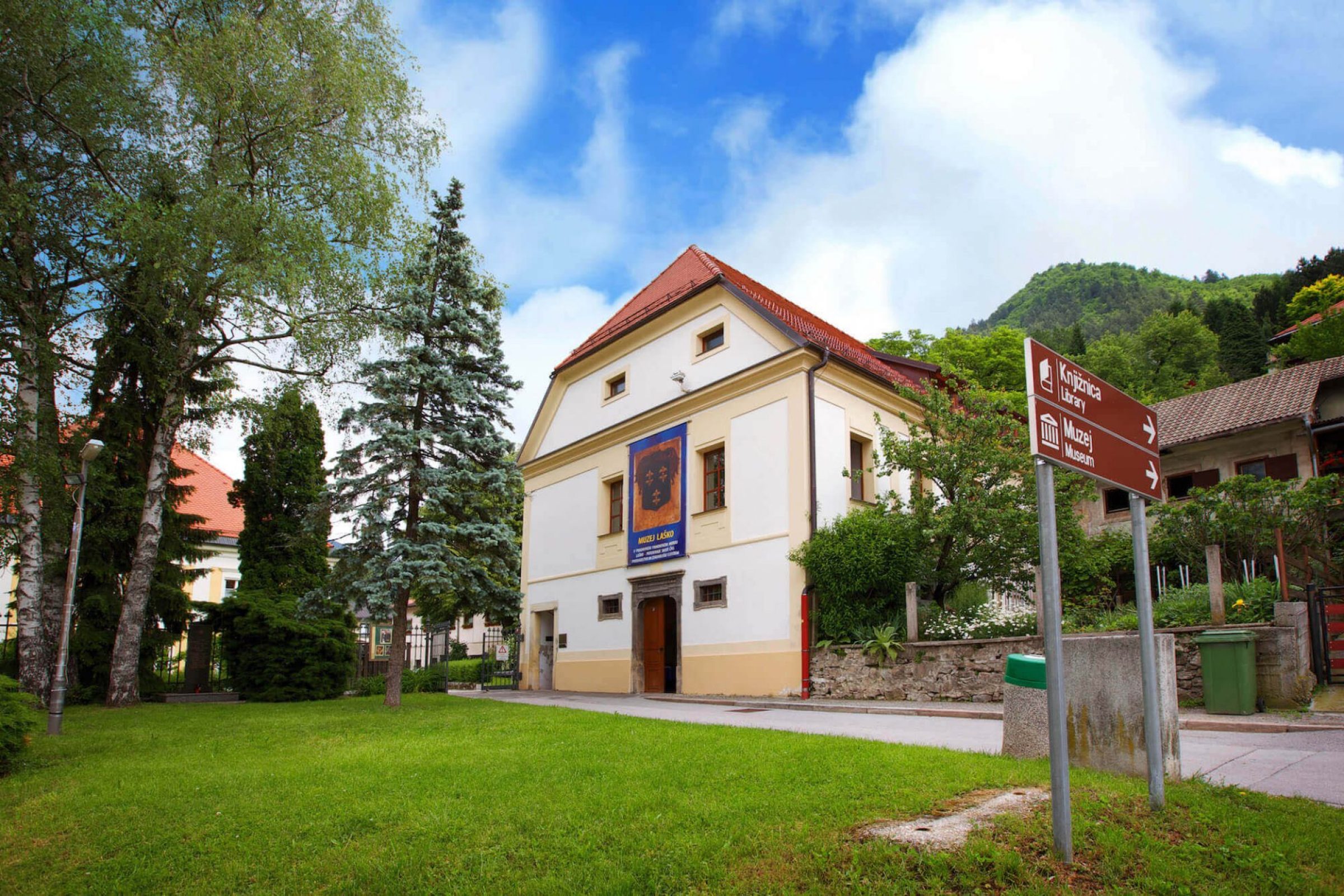
The Kislinger House is a former market-town granary that served as a store for grain and as a wine cellar. It now houses the Laško Museum, whose exhibitions present the historical development of the town from prehistory to the present day. Visit the permanent exhibitions: Laško – a journey through time, Brewing and spa tourism, and the Geology of the Laško surroundings.
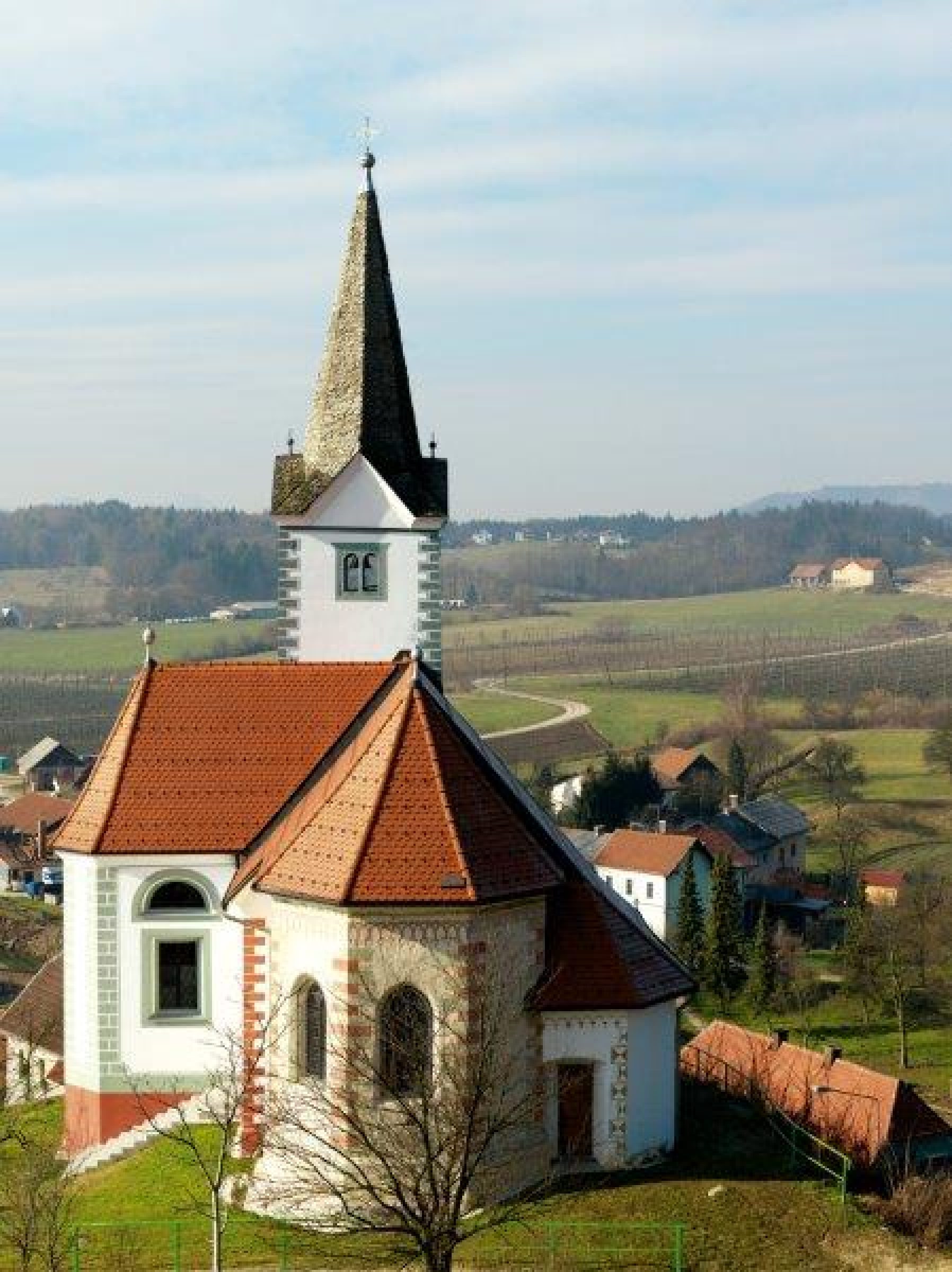
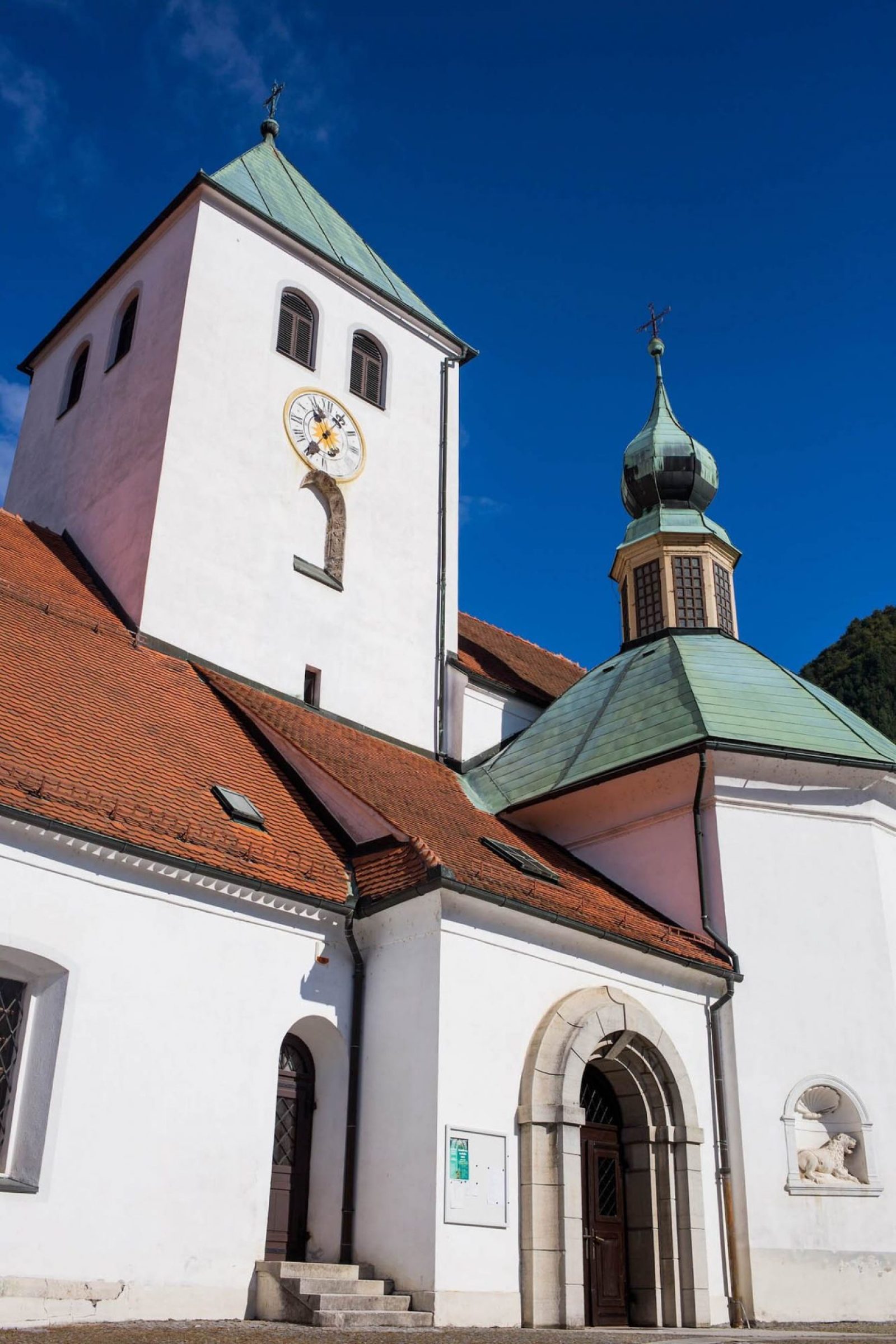
The bell tower, the main nave and the distinctively cross-vaulted ceiling bear witness to the original design of the church, which began to take shape in the 12th or 13th century. With the architectural style of the "Laško group", first used in the construction of the Carthusian church in Jurklošter, the church - which later acquired, among other things, as many as 10 Baroque altars - ranks among the more important Romanesque monuments in Slovenia.
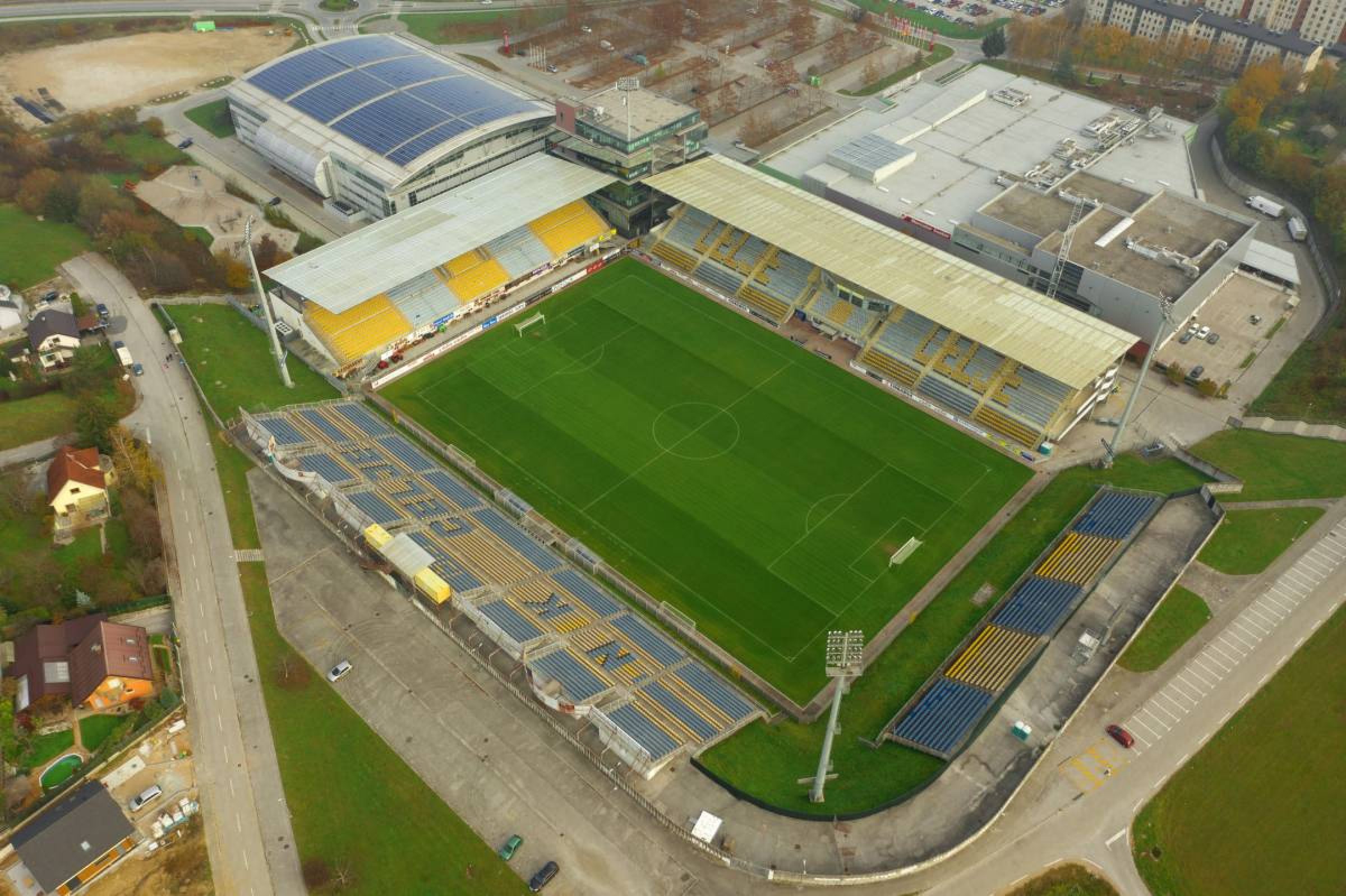
The stadium in the sports park below Golovec, which since 2005 has borne the sponsorship name Zdežele, ranks among the most modern football and sports facilities in Slovenia. Construction of the stadium in the former abandoned Opekarniška jama clay pit began in 1999, and it was put into use with the completion of the main eastern stand on 9 September 2003, when a friendly match between the youth national teams of Slovenia and France (0:0) was played there. The official opening of the stadium took place three days later, at a championship match between the then CMC Publikum and Ljubljana (3:1), when Simon Sešlar also scored the first goal at the new stadium.
Before we arrive in Vojnik along the main road, the mighty parish Church of St Bartholomew greets us at the start of the settlement. The present church is at least the third in succession and the youngest of all the churches in the parish.
The church stands on the eastern edge of the village of Ponikva. A Romanesque church was originally documented at this location in the archives. The present Baroque church was built between 1732 and 1758, and was consecrated two years later; it belongs to the Sladka Gora type of churches. The rectangular nave with a bell tower built above it is followed by an equally tall, narrower presbytery, which has a chapel and a storeroom annexed on the northern side. The church surprises visitors with its size, as its total length is as much as 35 m and its width 18 m.
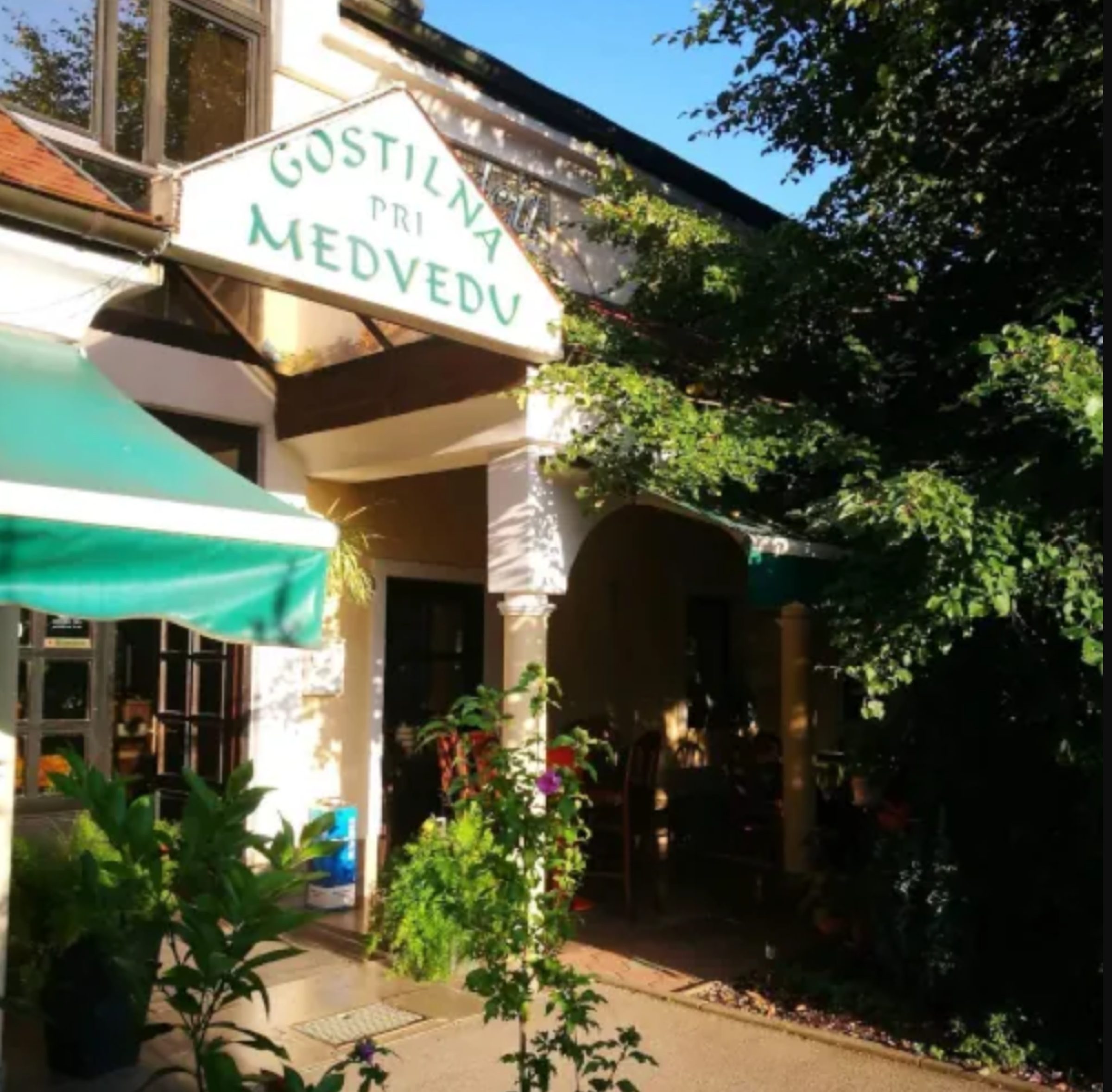
Gostilna pri Medvedu invites you into a pleasant, homely setting, where tasty dishes, hospitality and a genuine atmosphere await you. Visit us and treat yourself to a culinary indulgence that combines tradition, quality and a homely feel.
Pizzeria Osmica invites you to enjoy delicious pizzas, a pleasant ambience and relaxed socialising. Visit us and treat yourself to a tasty experience that delights lovers of good food.
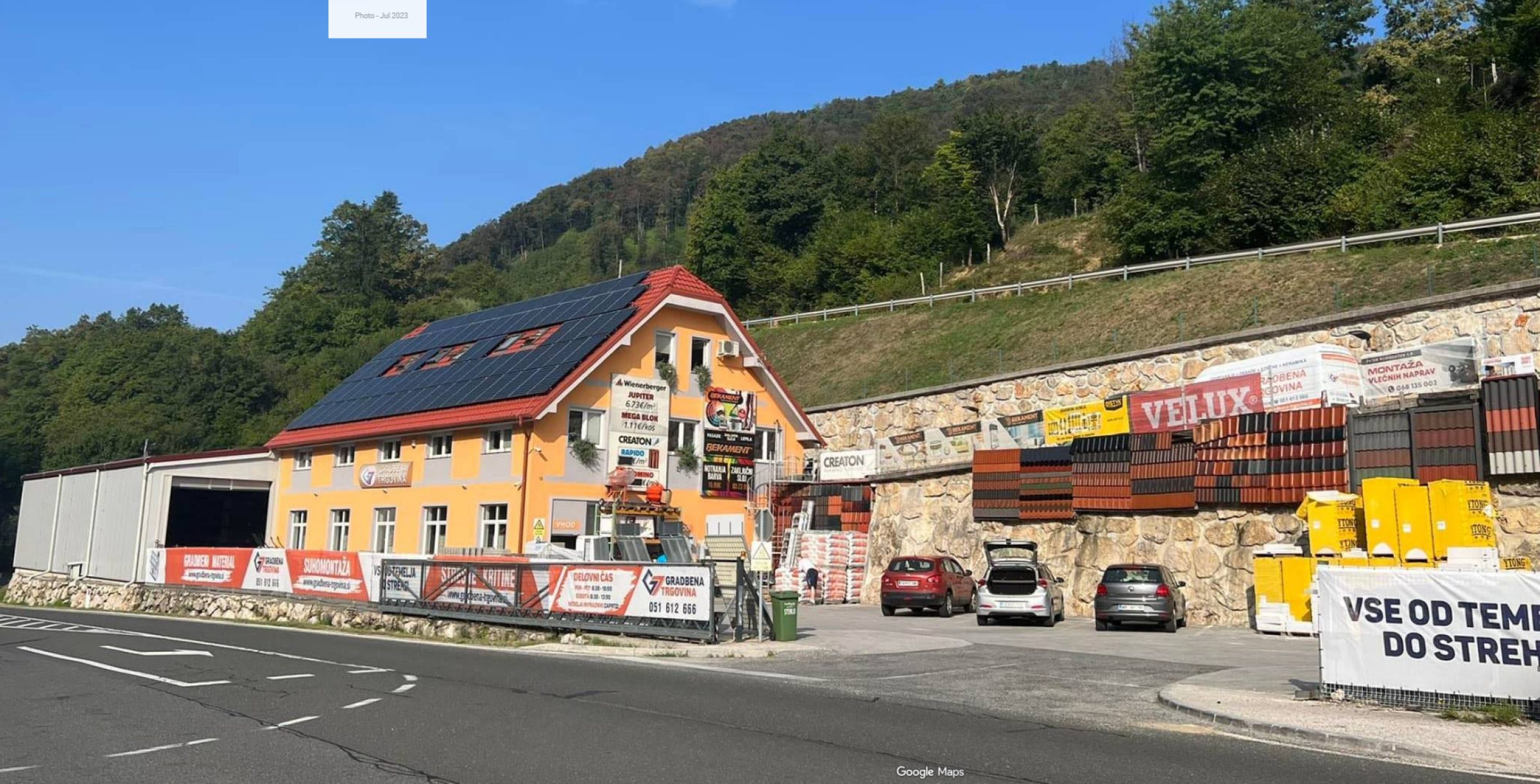
Our building supplies store offers a wide selection of quality materials and equipment for construction and renovation. Our range includes paints, adhesives, work protection, various tools, screws, bricks, paving stones, roofing and windows. We also take care of heating and plumbing and offer a rich selection of bathroom equipment and tiles.A special feature of our store is the modern ceramics showroom, where we also provide professional bathroom design drawings. With us you can also find concrete products and facade systems for the complete arrangement of your home.
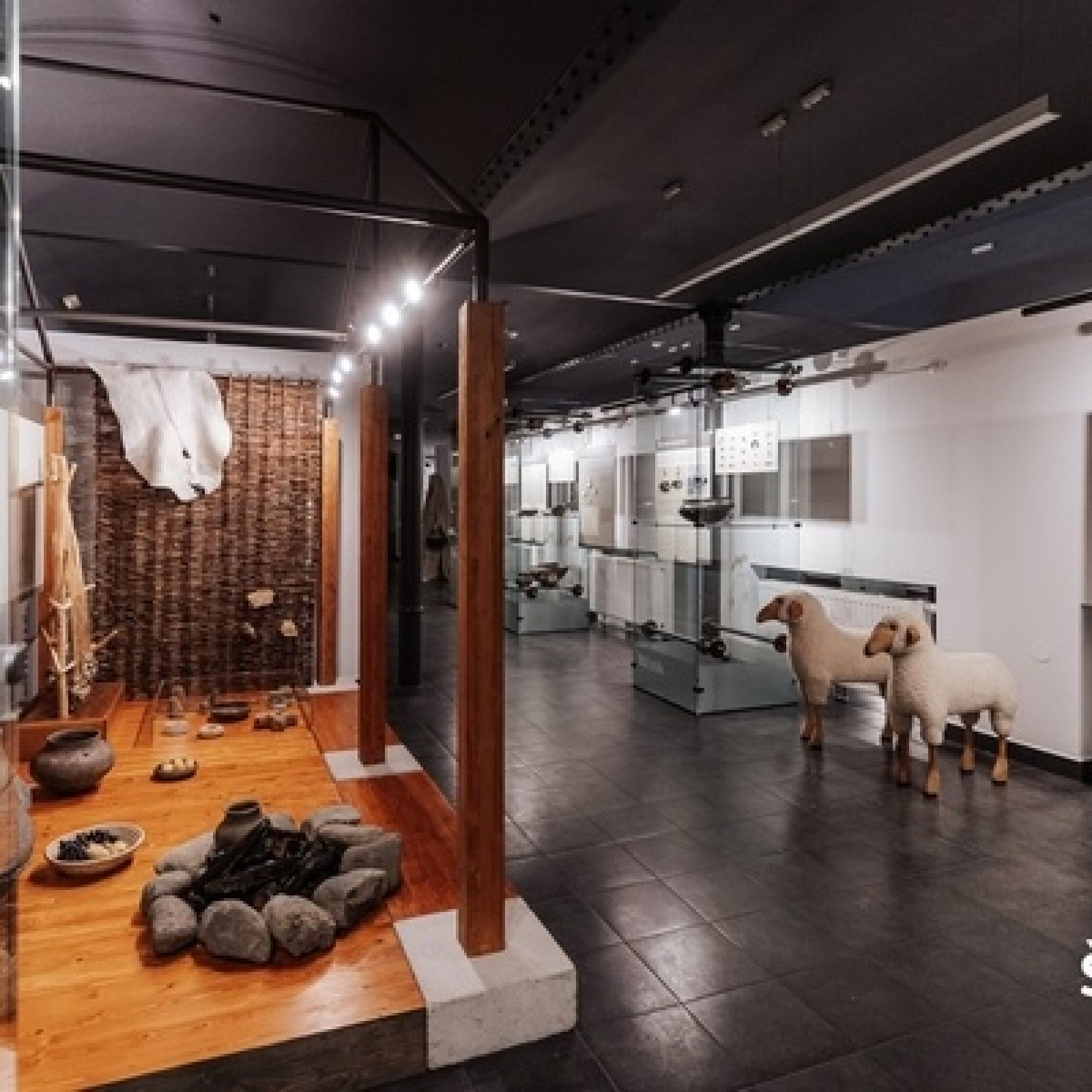
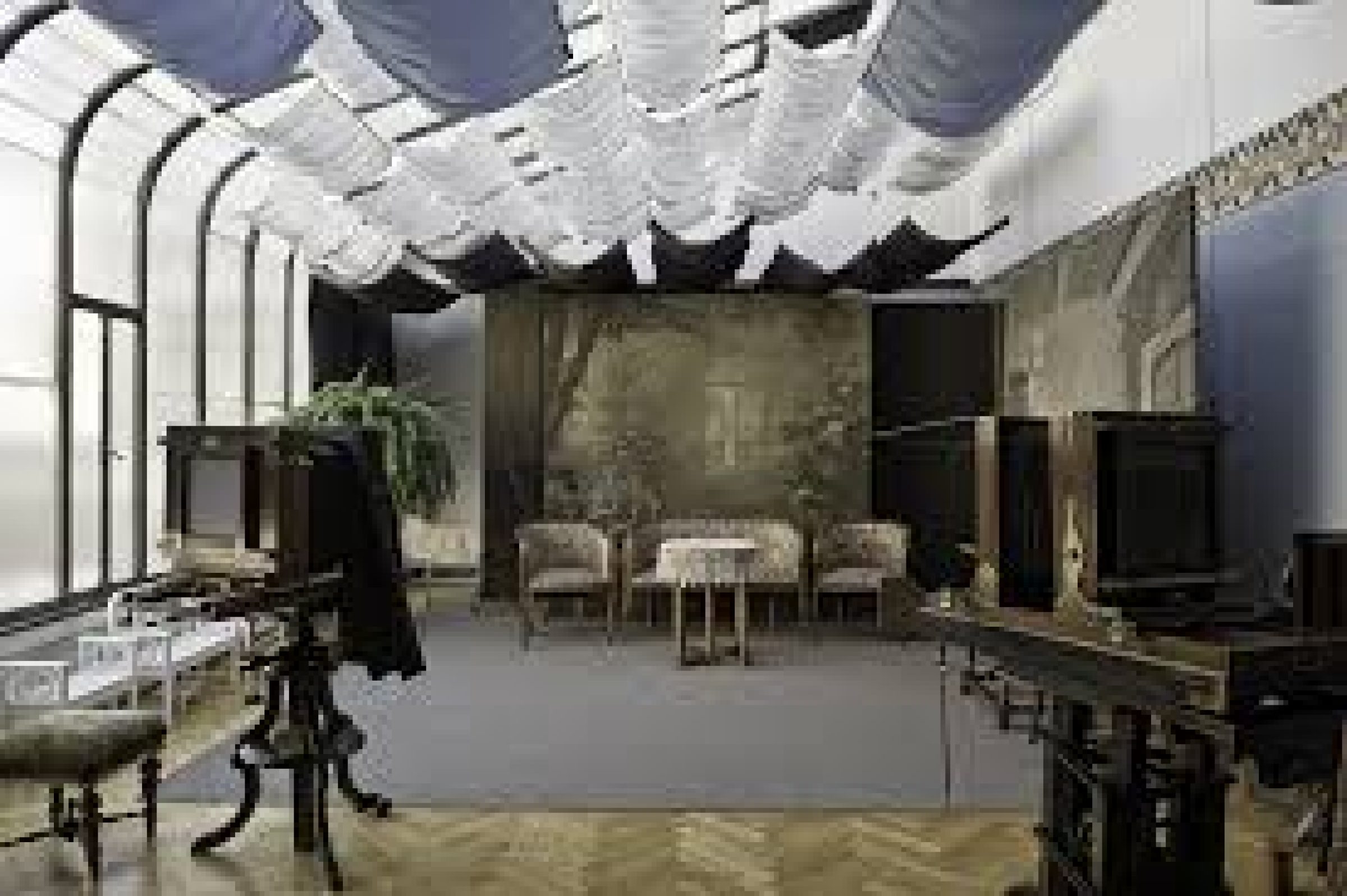
For more than 130 years, the Celje Regional Museum has collected, preserved and presented the cultural heritage of Celje. At its two central city exhibition venues (the Princes Court and the Old Counts Mansion) and ten outdoor sites, it offers a comprehensive view of the history and culture of the Celje region.
One of the greatest charms of travelling and exploring towns is that it lets us get to know up close the lifestyle and soul of their inhabitants. Through this lens we come to understand the foundations on which the architecture and way of life, everyday habits and festive customs developed.
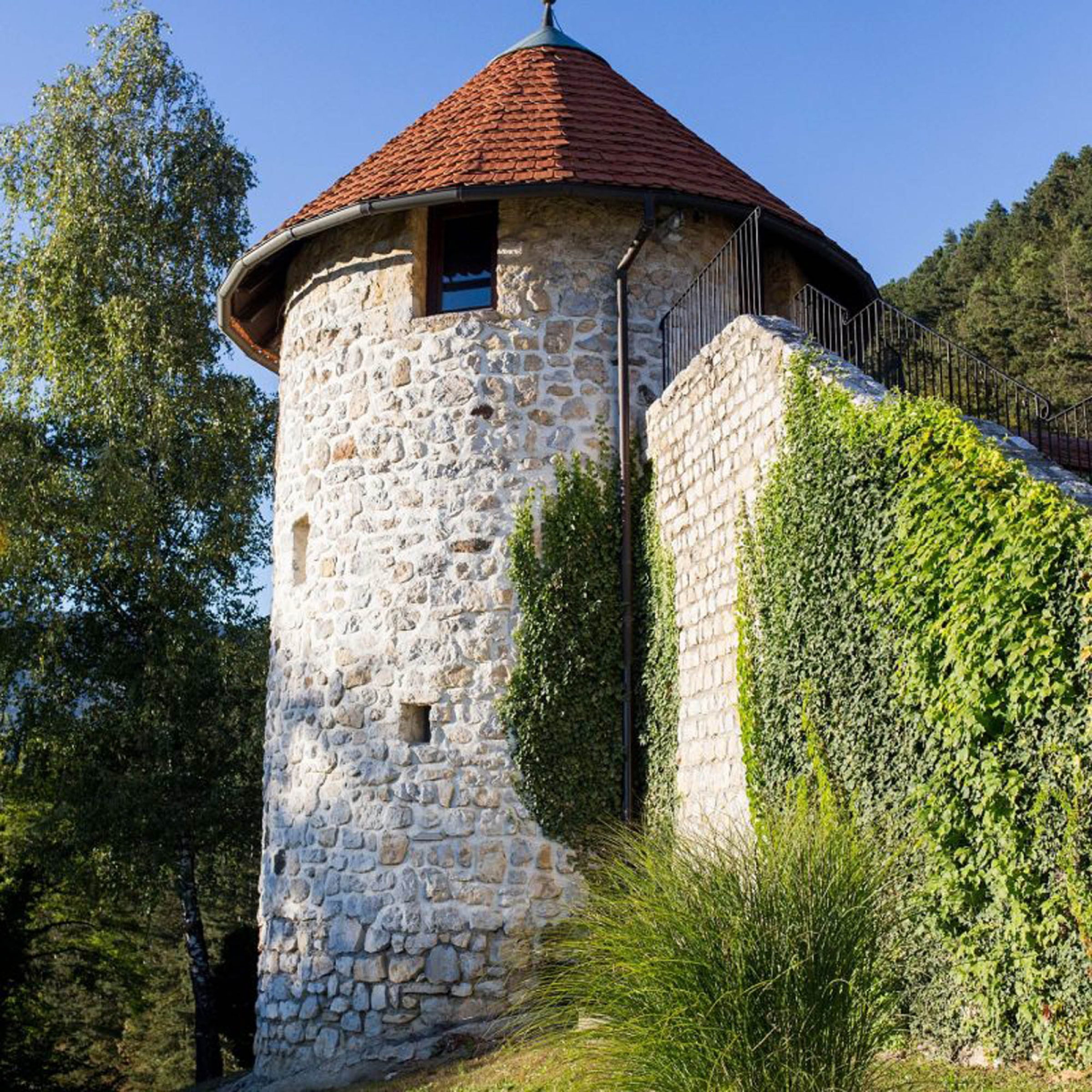
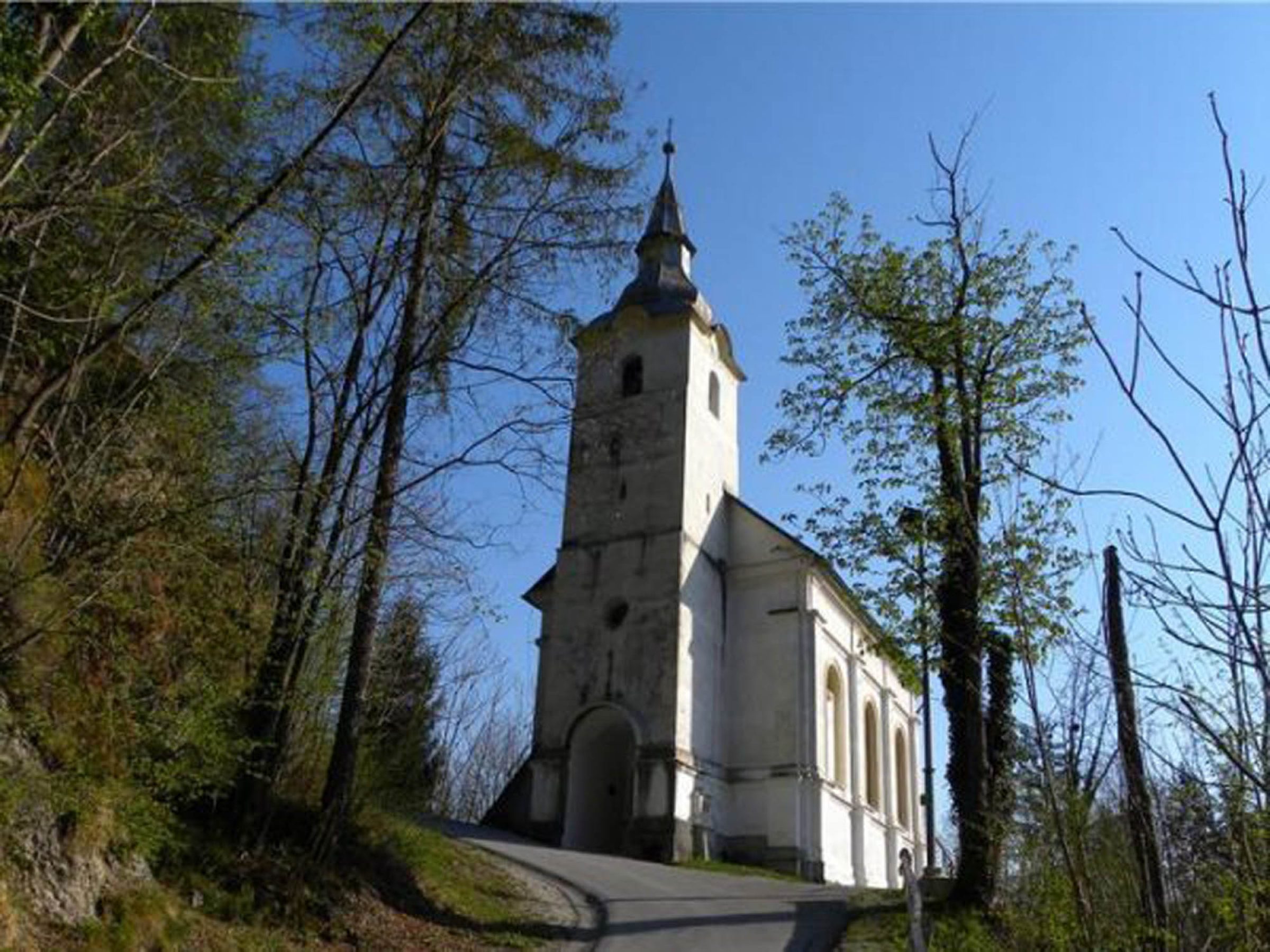
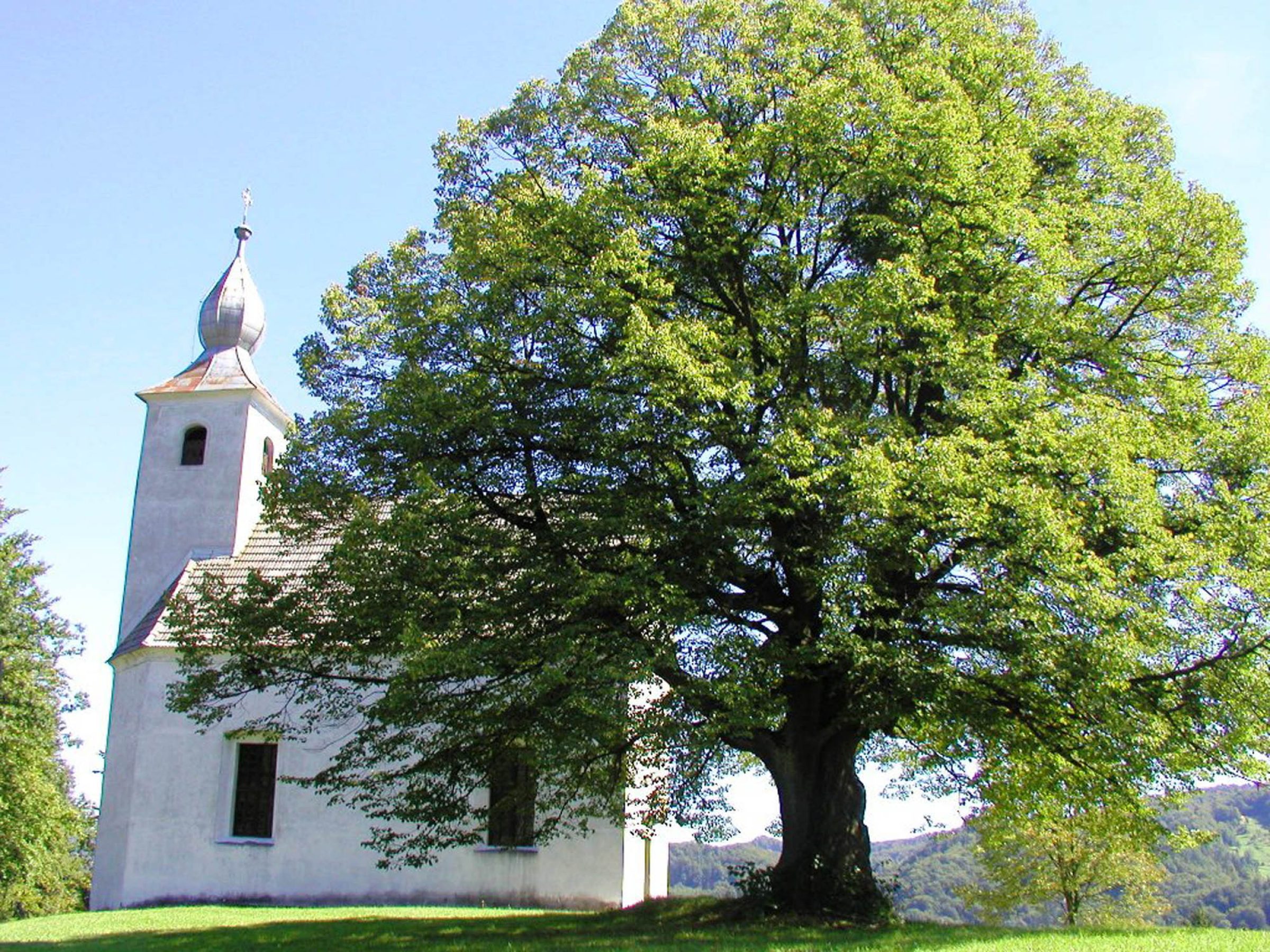
The present Church of Our Lady of the Snows is a Gothic fortified building erected at the end of the 15th century. It is said to have been built by Count Frederick II of Celje in gratitude for his safe return from captivity in Ferrara. The church is built of stone and is unplastered, and inside, alongside the magnificent Gothic architecture, it holds a Late Gothic image of Mary with Jesus in the Baroque altar, Marys “throne” from 1700, an image of the Nativity of Mary and a Baroque organ. Beside the church stand several mighty and ancient linden trees.
The Church of St Florian stands in a small valley called Svetli dol (the name derives from the Slovenianised word “Lichtenthal”, as the valley was called by the German workers who felled timber in the nearby forests for the nearby glassworks). In 1753 it was built by Count Gaisruck, owner of the Novo Celje estate, for his workers from the nearby glassworks. A special attraction of the church are the paintings depicting the life of St Florian.
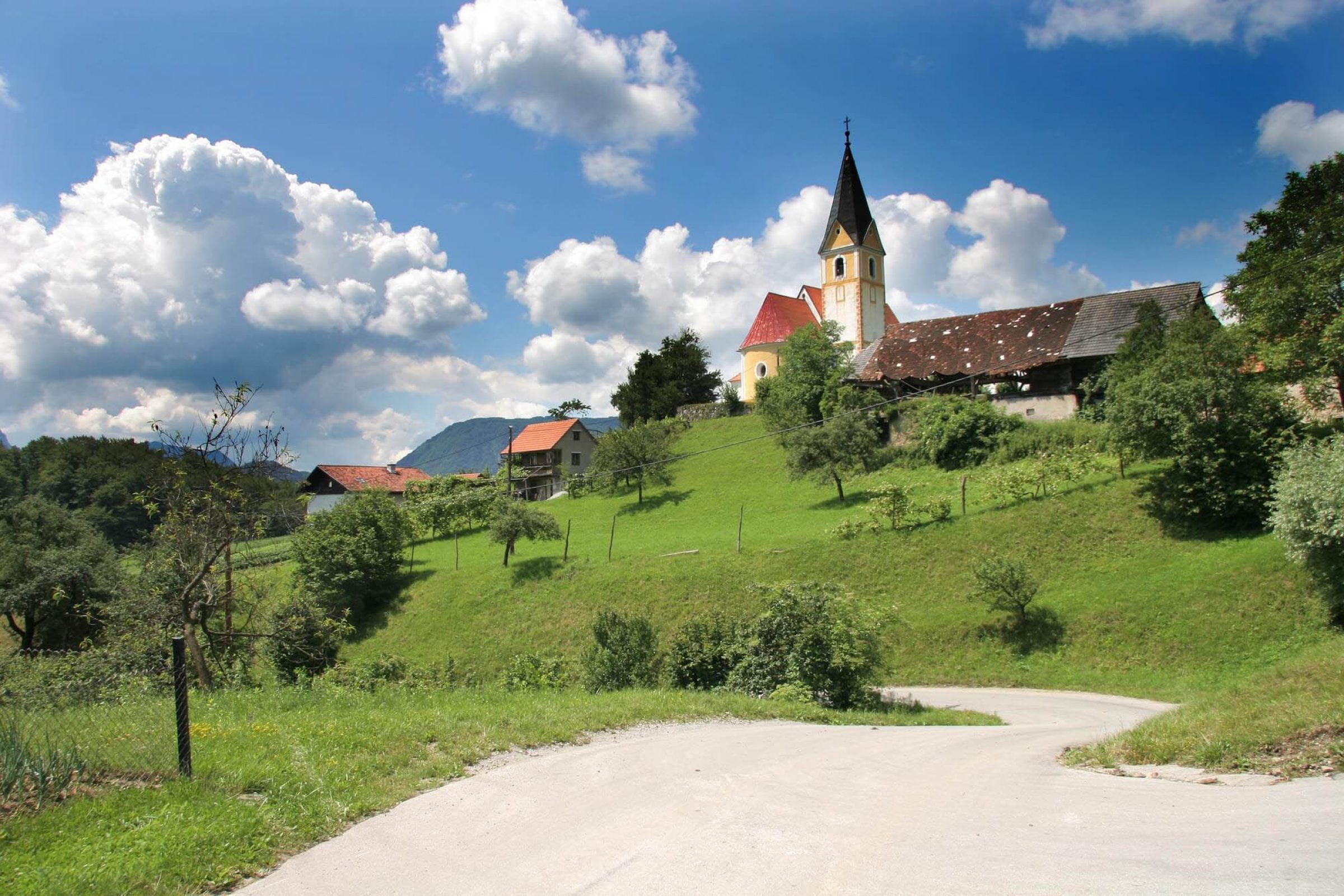
The Church of St John the Baptist stands on a rise in the village of Šentjanž nad Štorami, in the immediate vicinity of the local road leading to Svetina. On the spot where the church stands today, the Prežin mansion is said to have once stood, but it was demolished in the 15th century, leaving only the castle tower, which still stands today as the church bell tower, separate from the church. This church too is first mentioned in 1525, but was probably built about a decade earlier. The main altar in the church bears the image of John the Baptist.
In the immediate vicinity of the Church of Our Lady of the Snows stands its filial Church of the Holy Cross, which was built around the year 1500. The little church houses the famous crucifix “The Crucified”, created around 1490, and a large oil painting depicting the Nativity of Christ.
The Church of St Lawrence stands on the edge of the village of Kompole and is surrounded by a cemetery. The church was built by the feudal Saiffner family in the second half of the 14th century, and it is first mentioned in written sources in 1525. It is set on an east–west axis and has three parts: a fronted bell tower, a rectangular nave and a semicircular presbytery. Inside the church is the high altar, made in the Neo-Renaissance style, with a statue of St Lawrence in the centre, a statue of St Paul on one side and a statue of St Peter on the other. The side altar is adorned with an image of St Michael the Archangel, flanked by statues of the archangels Gabriel and Raphael.
The tower is still preserved today up to a height of three storeys and has Gothic windows with wall seats as well as frames with chamfered edges.
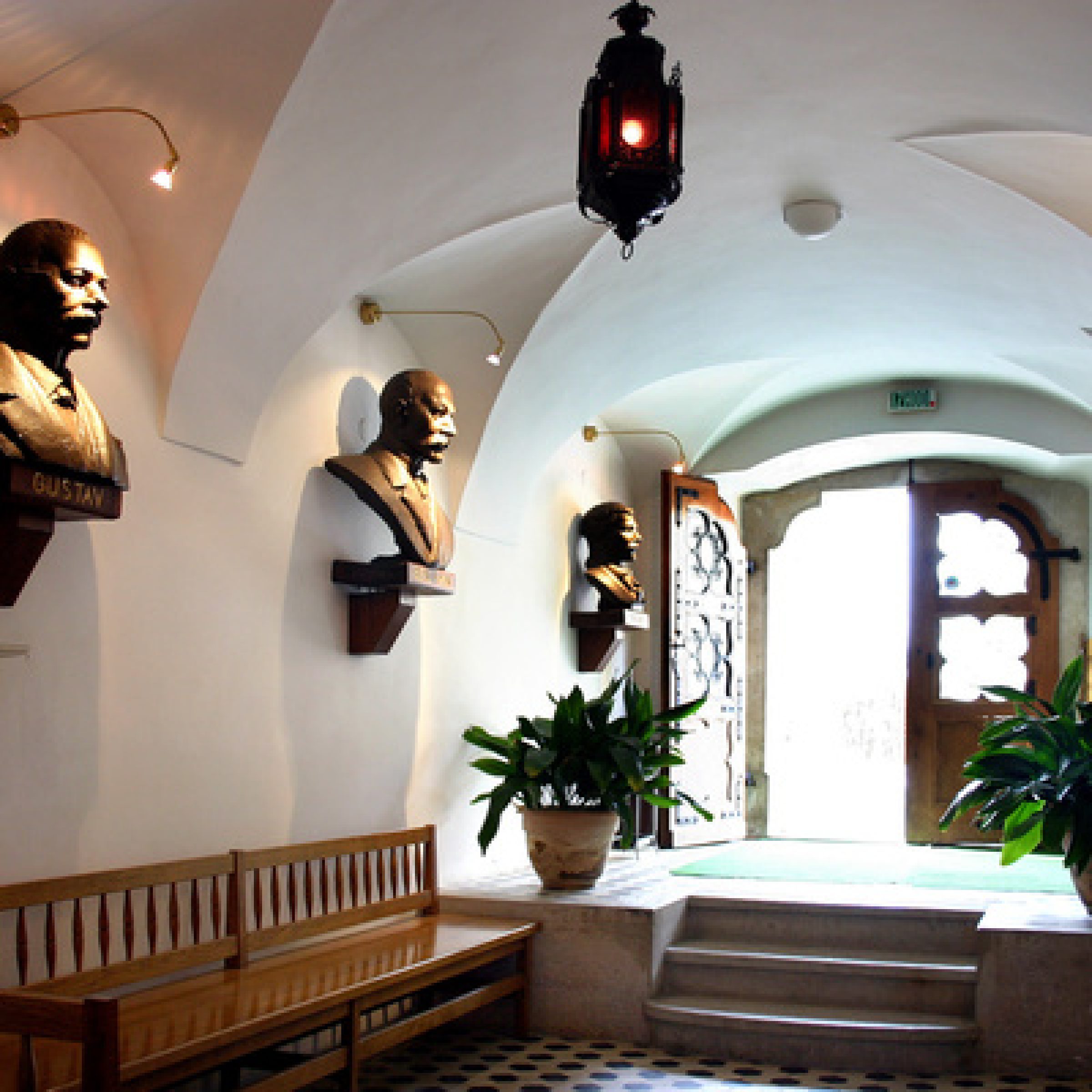
In Zgornji trg, the birthplace of the Ipavec dynasty has stood since 1760 - composers, doctors, great patriots and Europeans.
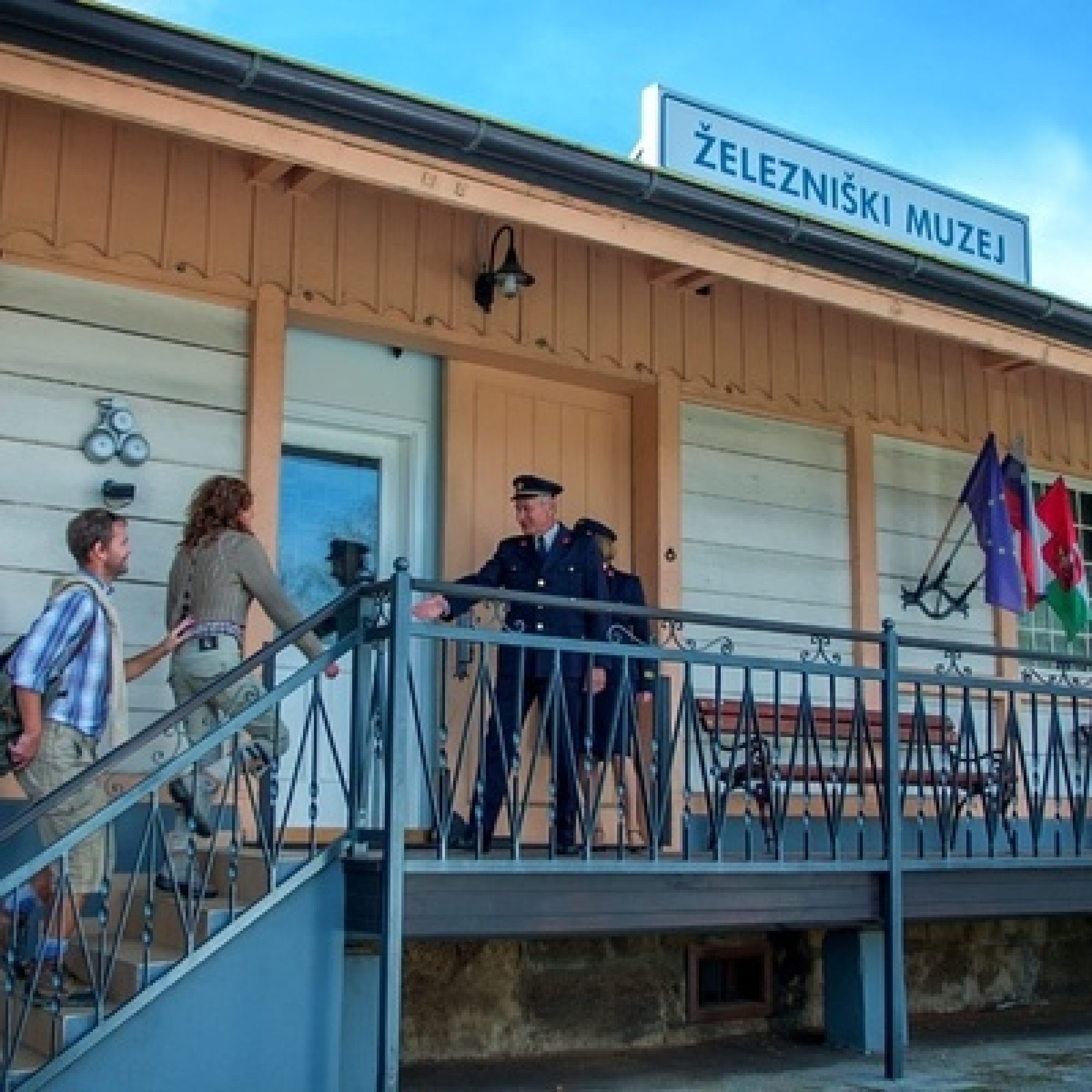
A longtime station master guides you through the history of the Southern Railway for Styria with stories, original exhibits and photographs. The Museum of the Southern Railway Šentjur is located by the railway station.
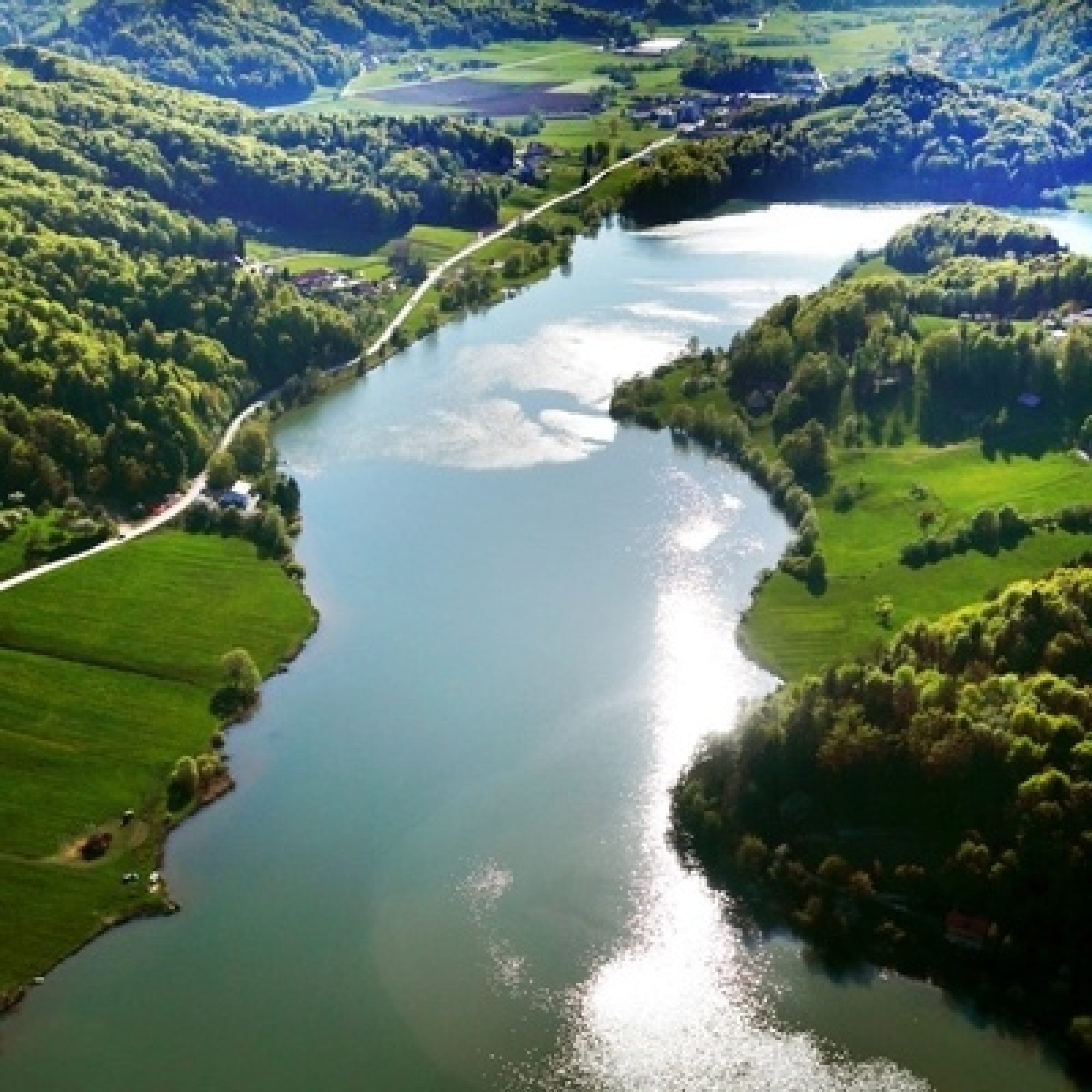
Slivniško Lake is the only lake in the Kozjansko region. Near the village of Gorica pri Slivnici, along the road towards Podčetrtek, Slivniško Lake stretches across 84 ha, or the Kozjansko Sea, as many call it.
Over 600 exhibits on display from the period spanning the Neolithic to the end of Late Antiquity
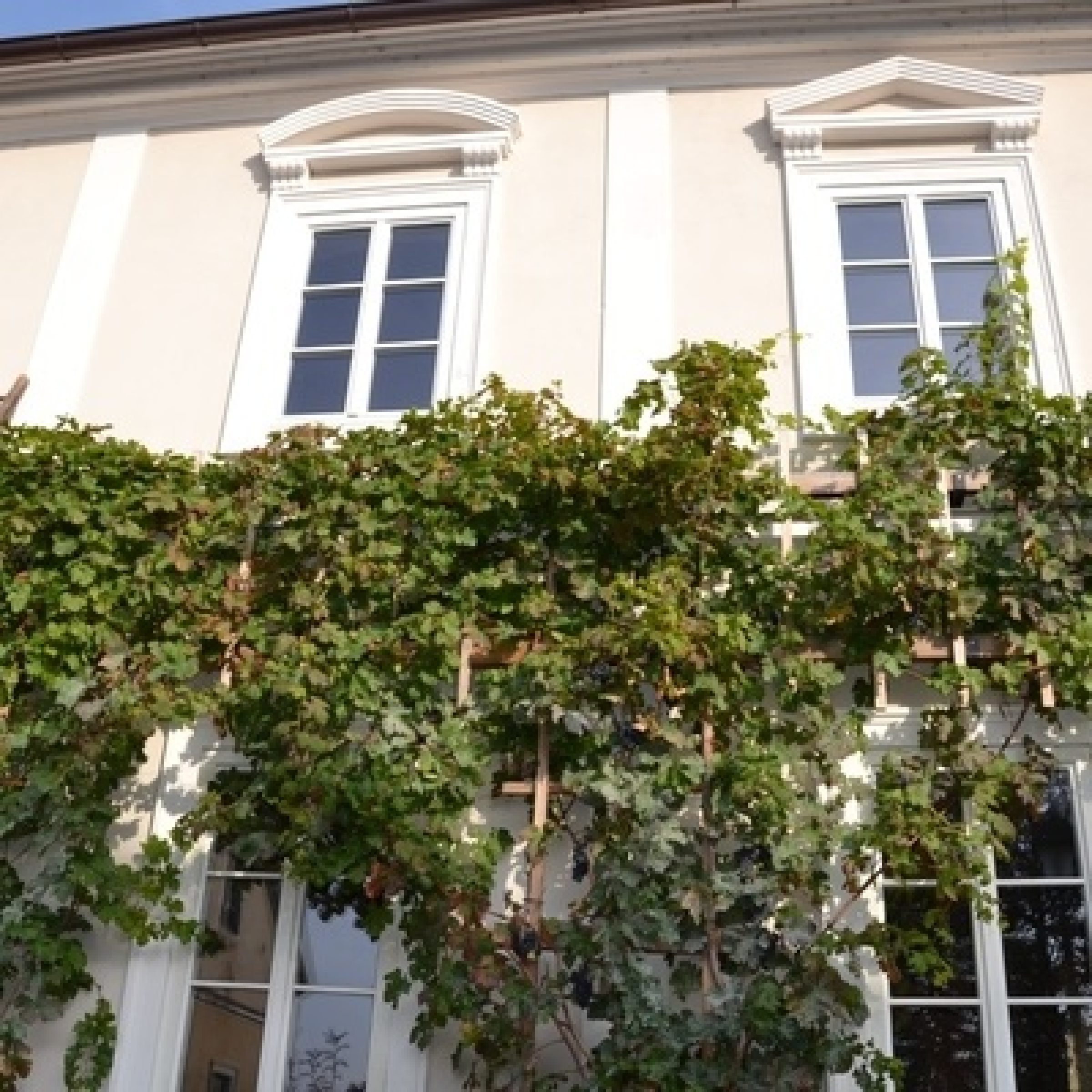
On the façade of the house at Ipavcev Composers Street 26, a descendant of the oldest grapevine from Lent, the blue Žametovka (modra kavčina), grows along the trellises.
The first mention of the town of Šentjur is linked to the Church of St George in a document from 1340. The present church was built on the site of an Early Gothic church in Zgornji trg between 1708 and 1721. According to tradition, the building was constructed by the Maribor builder Fuchs, but he fell into a dispute and abandoned the construction. The bell tower was added in 1760-63.
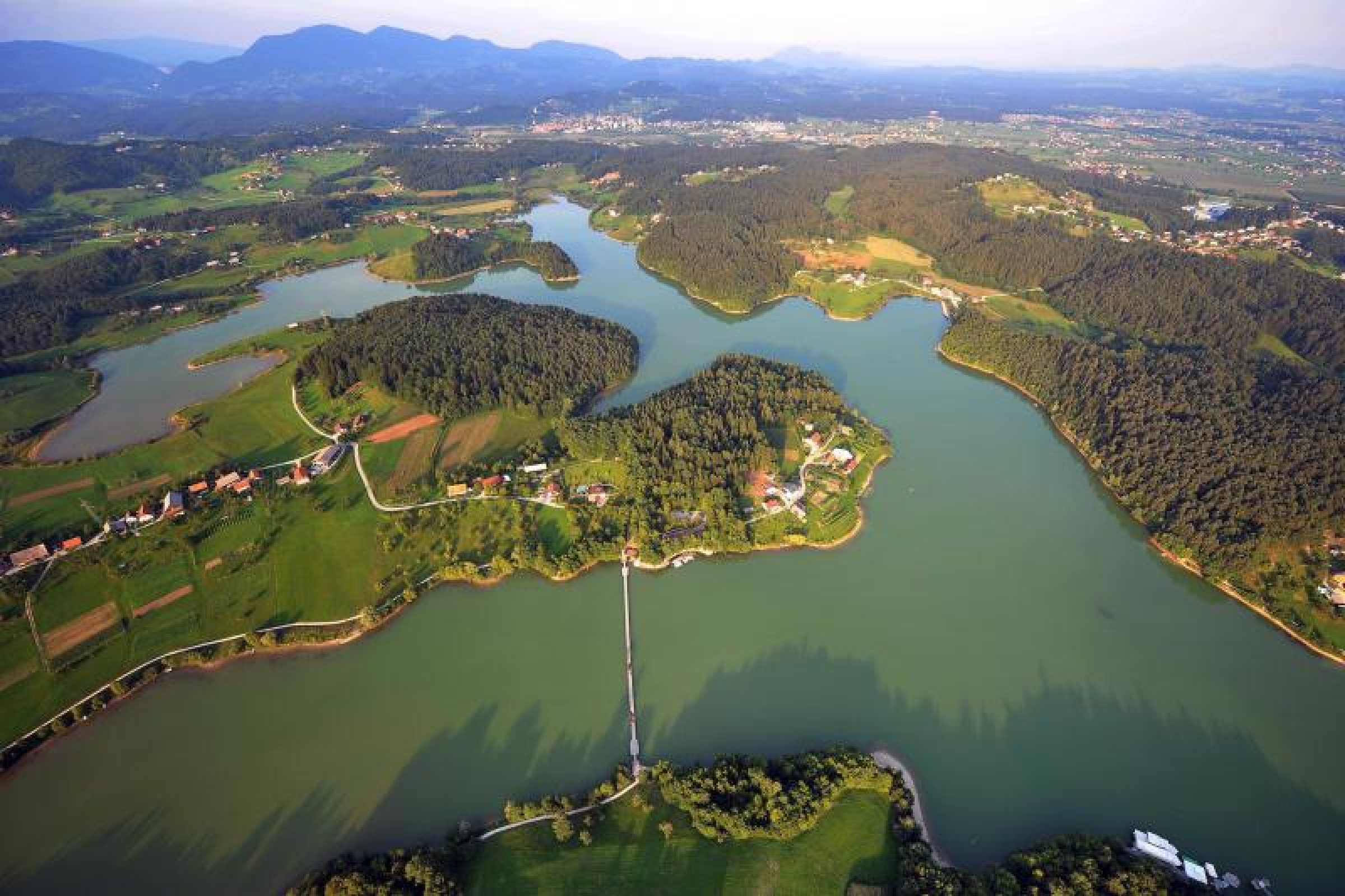
Šmartinsko Lake lies in the immediate vicinity of Celje and, with its varied shoreline and interesting surroundings, is an attractive excursion spot. It was created in 1970 and covers 113 ha of water surface. In addition to its original function as a flood-retention reservoir, the lake and its surroundings have over the years turned into a recreational, sports and tourist area that grows more popular year after year.
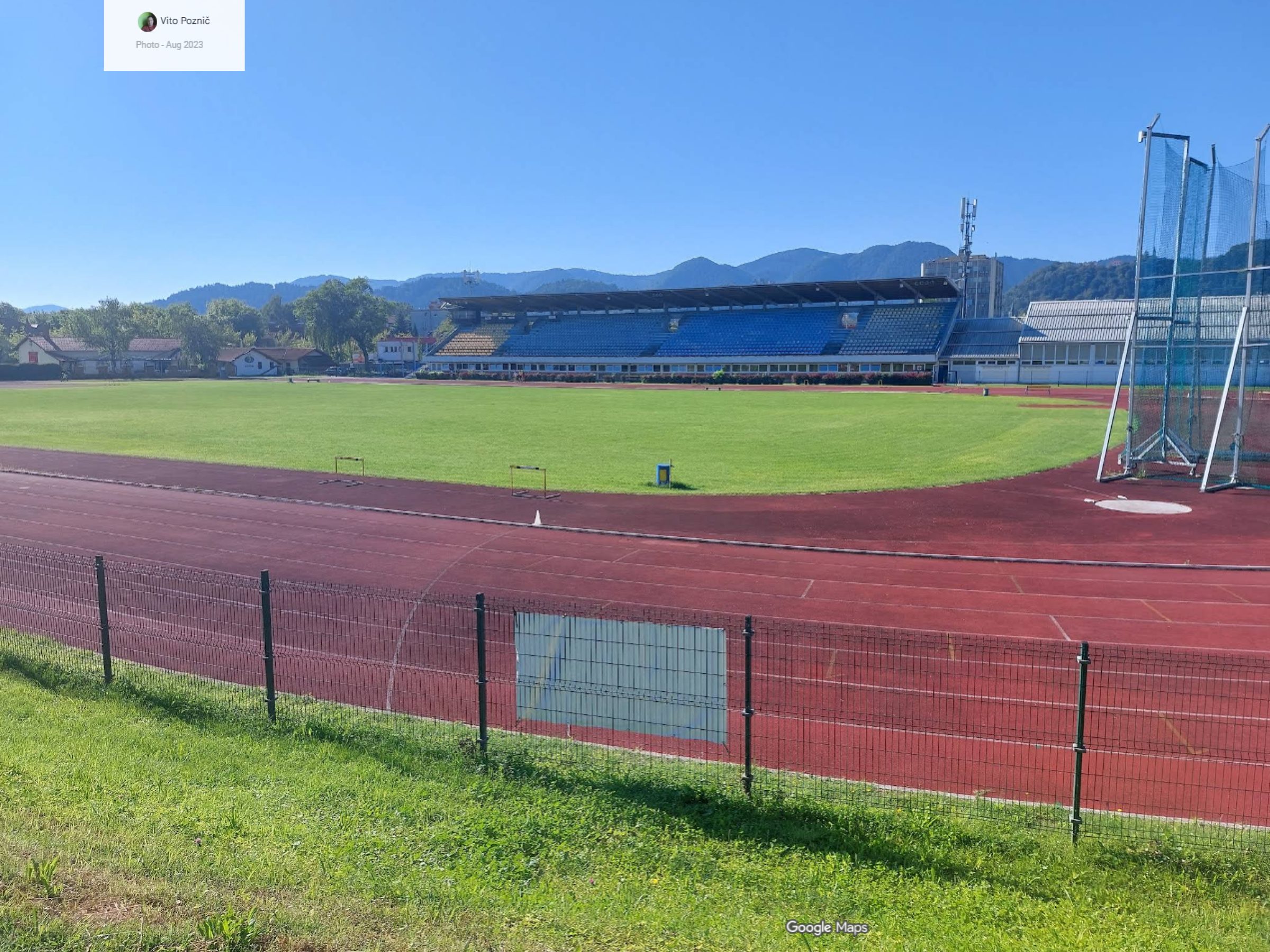
The Kladivar athletics stadium is a historic athletics stadium in Celje (opened back in 1950 as the first of its kind in Yugoslavia), which today offers 8 lanes, equipment for all athletics disciplines, a renovated synthetic track and more than 2,500 spectator seats. This makes it a true sporting home for schoolchildren, recreational athletes and top competitors.
The Štore Ironworks Museum dates back to more recent times. The permanent exhibition presents the development of the town of Štore and the surrounding settlements from the second half of the 19th century to the present day. The emphasis is on two economic sectors – mining and the iron industry – which strongly shaped this area. The beginnings of iron production in Štore date back to the middle of the 19th century, a time when the towns of Maribor, Celje and Ljubljana were already linked by the “iron road” with Graz, Vienna and Trieste, and a time when the influence of the Industrial Revolution brought numerous technological innovations and the modernisation of plants, which made it possible to increase the production of iron and iron products, while coal became an important energy source.
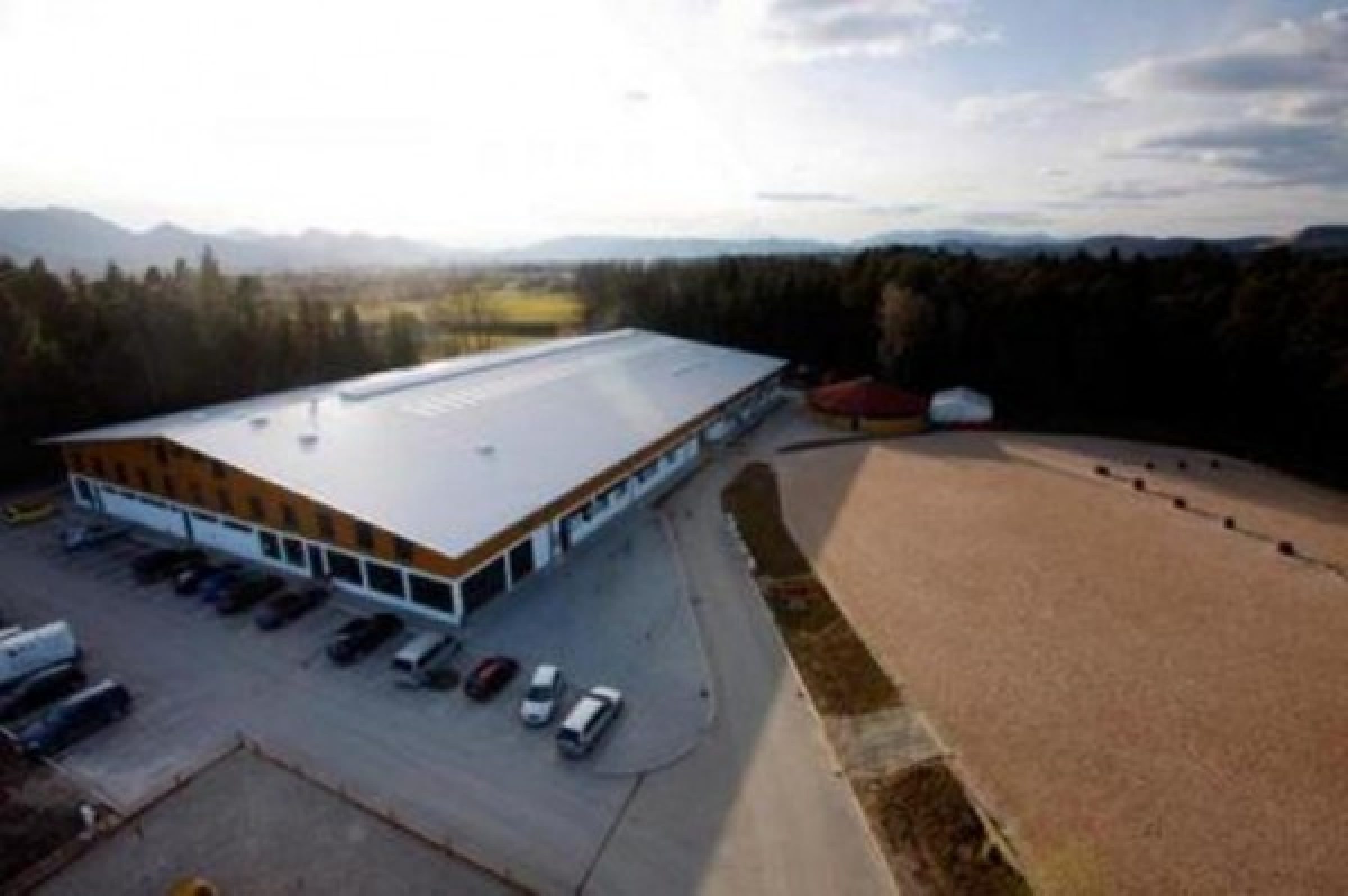
The covered riding arena and outdoor riding ground, together with the accompanying facilities, provide excellent conditions for equestrian activities regardless of the season.
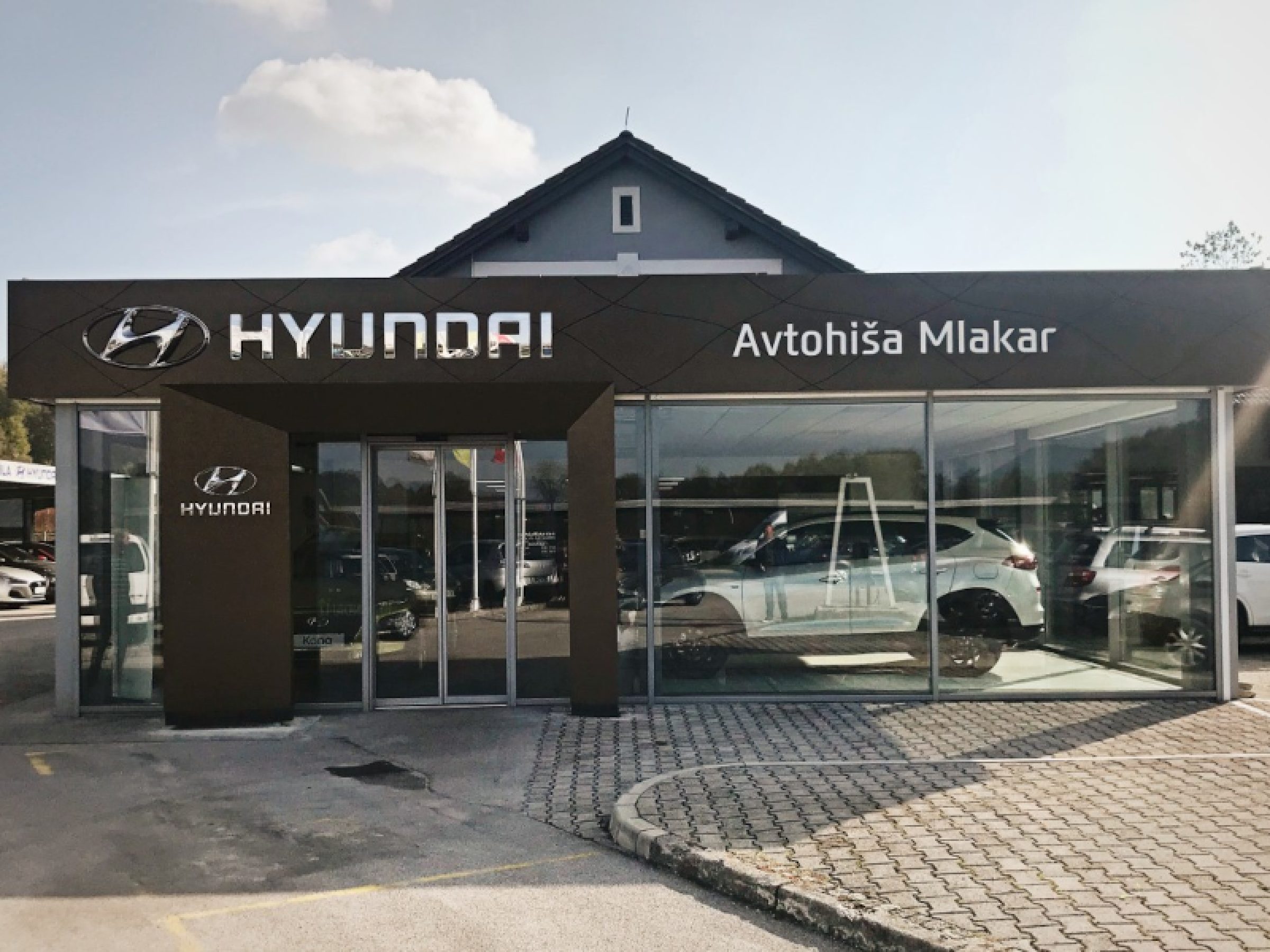
At Mlakar Car Dealership we are a reliable partner for the sale of new Hyundai and Mitsubishi vehicles, the sale of used vehicles, and authorised service for both brands. We also take care of car washing, bodywork and paint services, and spare parts, so you can arrange everything for your vehicle in one place.
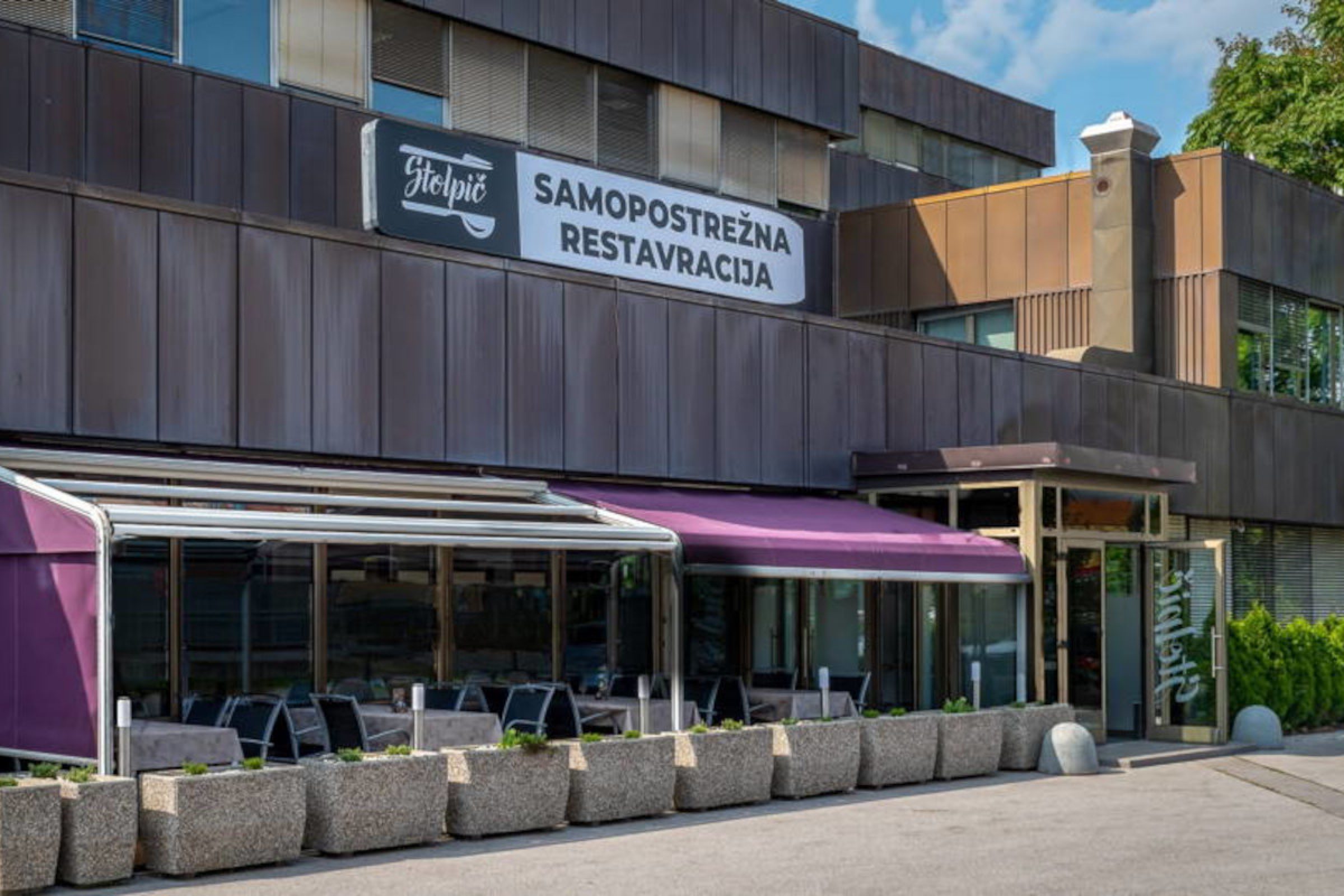
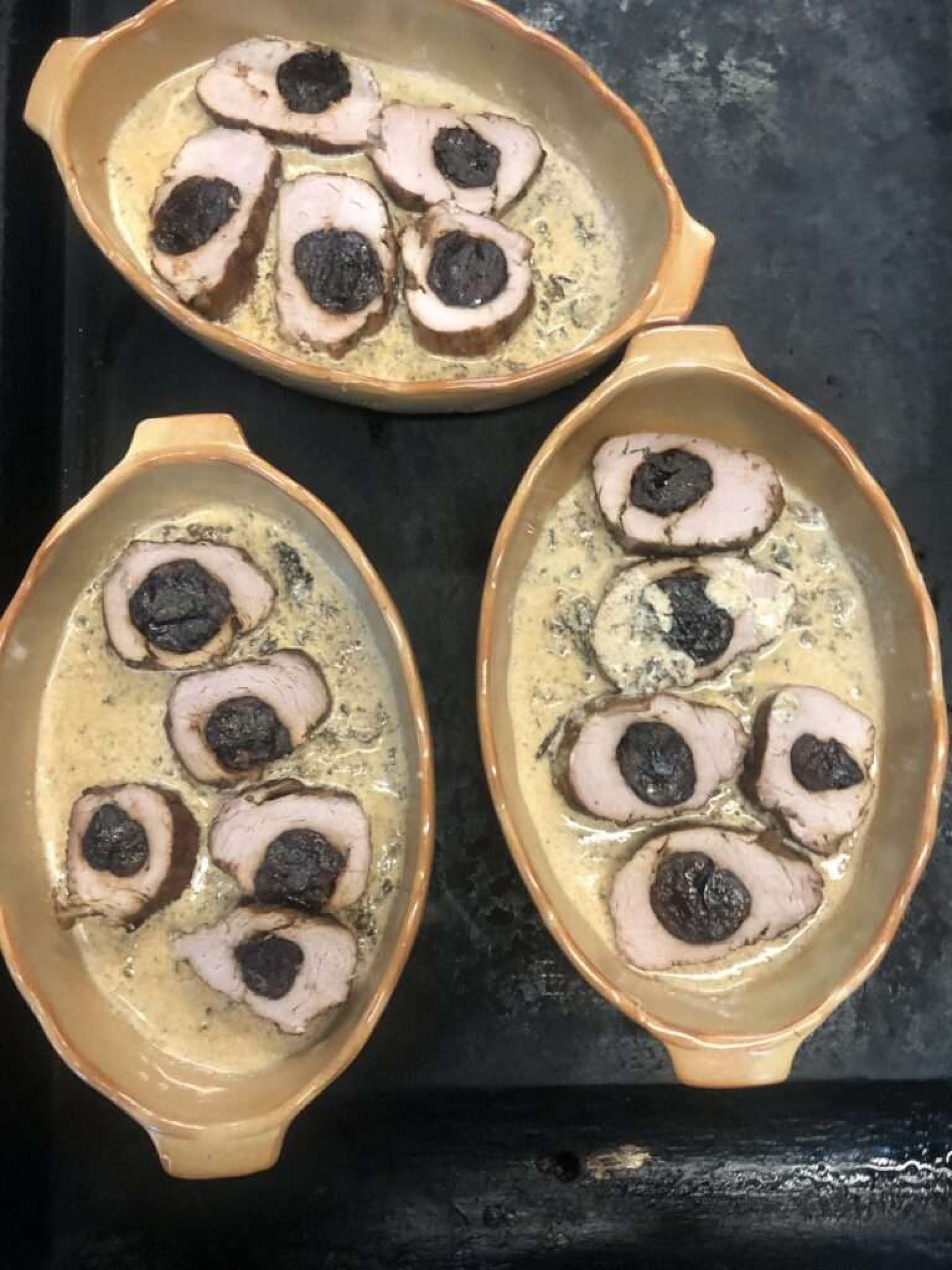
The Stolpič self-service restaurant is renowned for its tasty and freshly prepared meals that satisfy even the most demanding gourmets. Every day we offer you a varied selection of **homemade snacks and lunches**, prepared from carefully selected ingredients. **Student lunches** are also available, tailored to the active lifestyle of students.
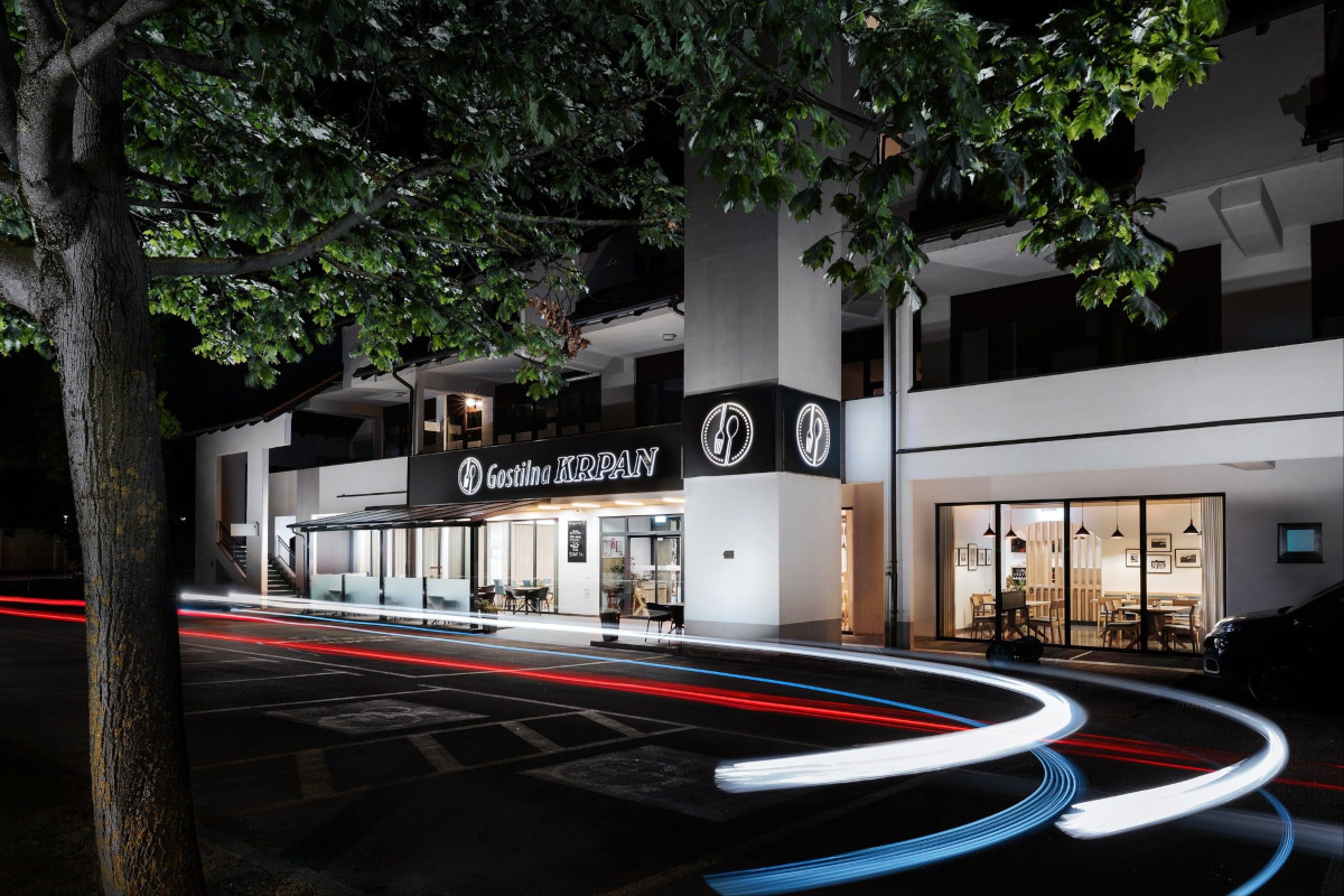
We have always known how to take excellent care of the hungry and thirsty in our region. Gostilna Krpan invites you to experience a genuine culinary experience in a pleasant ambience, where tradition intertwines with modern approaches.
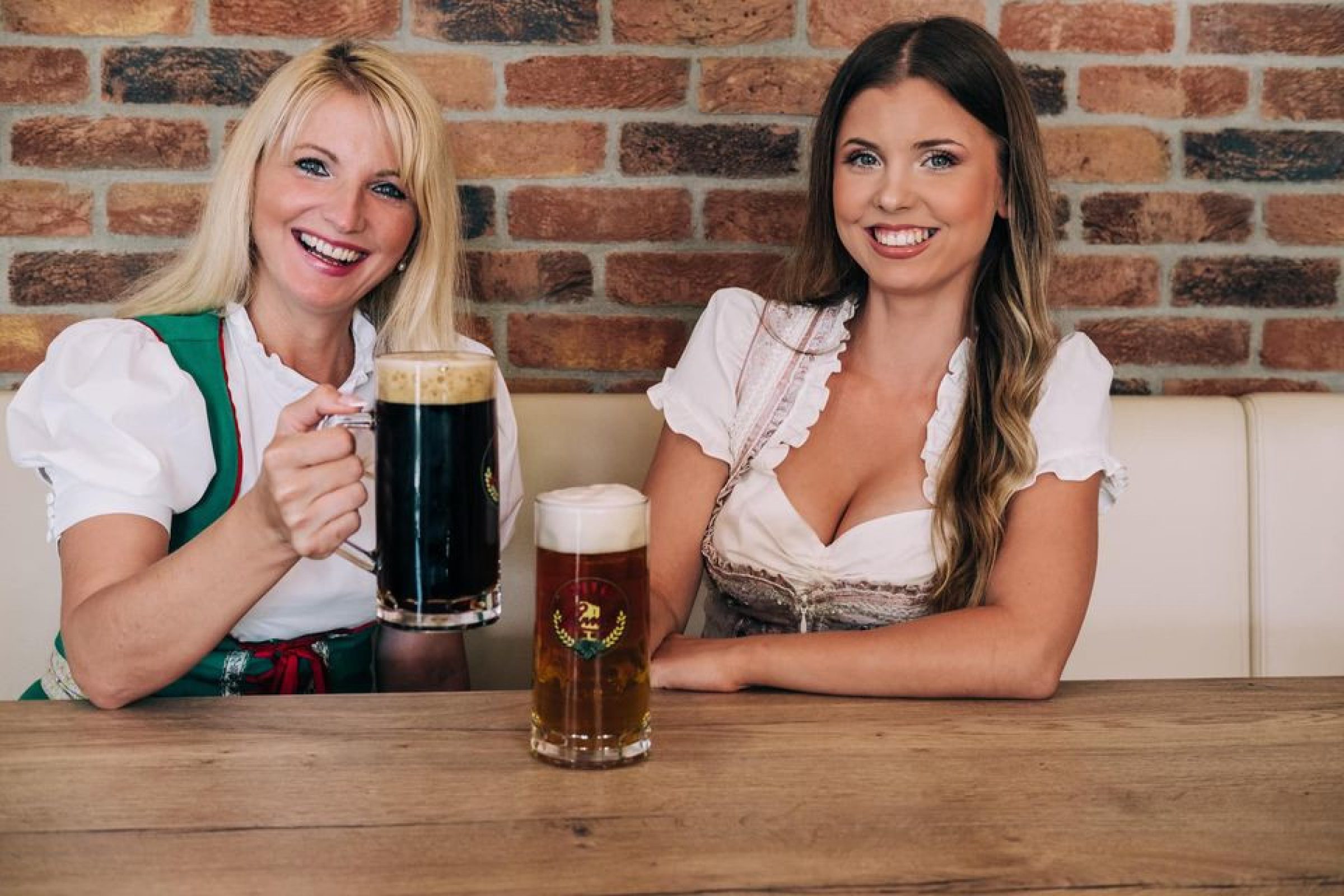
In our own home brewery we take pleasure in creating unique beers that satisfy the tastes of our customers. Our vision is to offer unforgettable experiences alongside quality meals and excellent beers, and to create an environment where customers feel welcome and where they can enjoy a top culinary experience accompanied by our unique beers. For the past few years we have also been treating our guests to excellent homemade pasta.
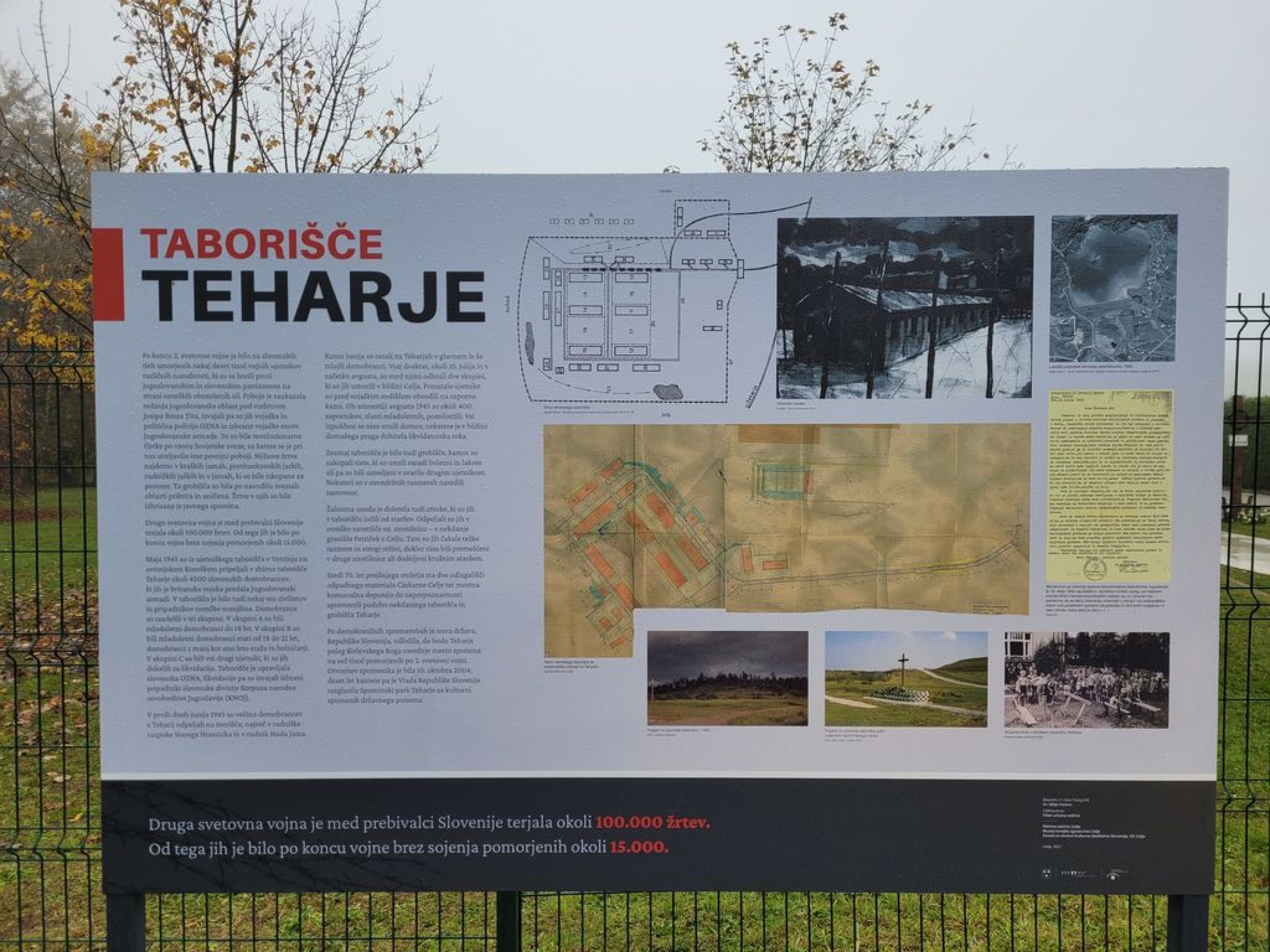
The Štore Memorial Park is dedicated to the victims of post-war extrajudicial killings, and is often associated with the area of the Teharje camp.