Sončni park
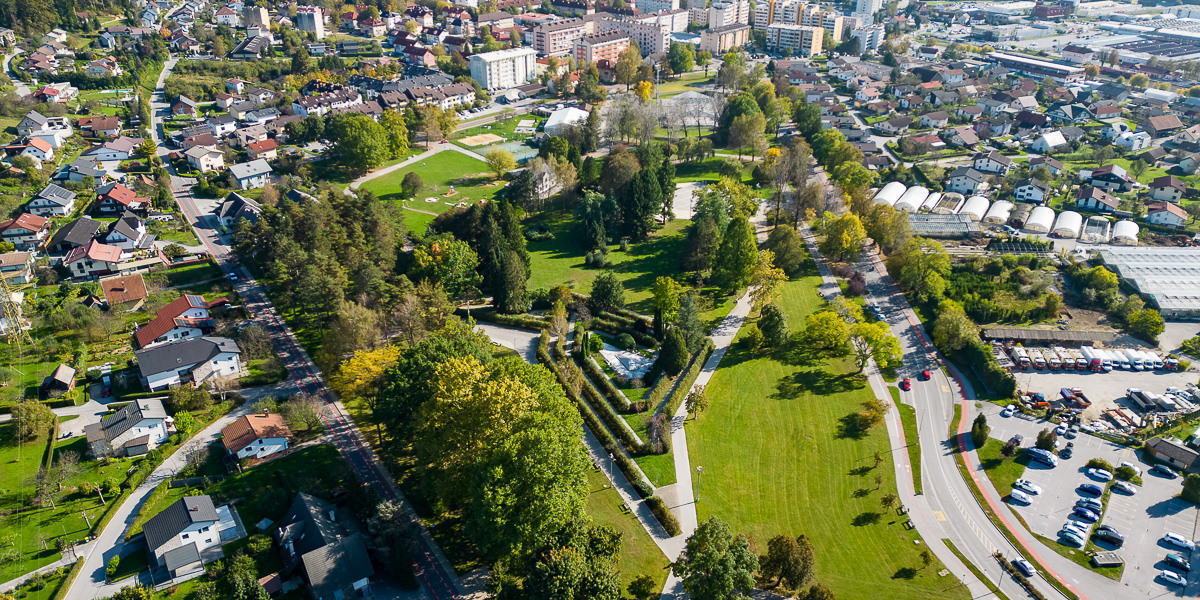
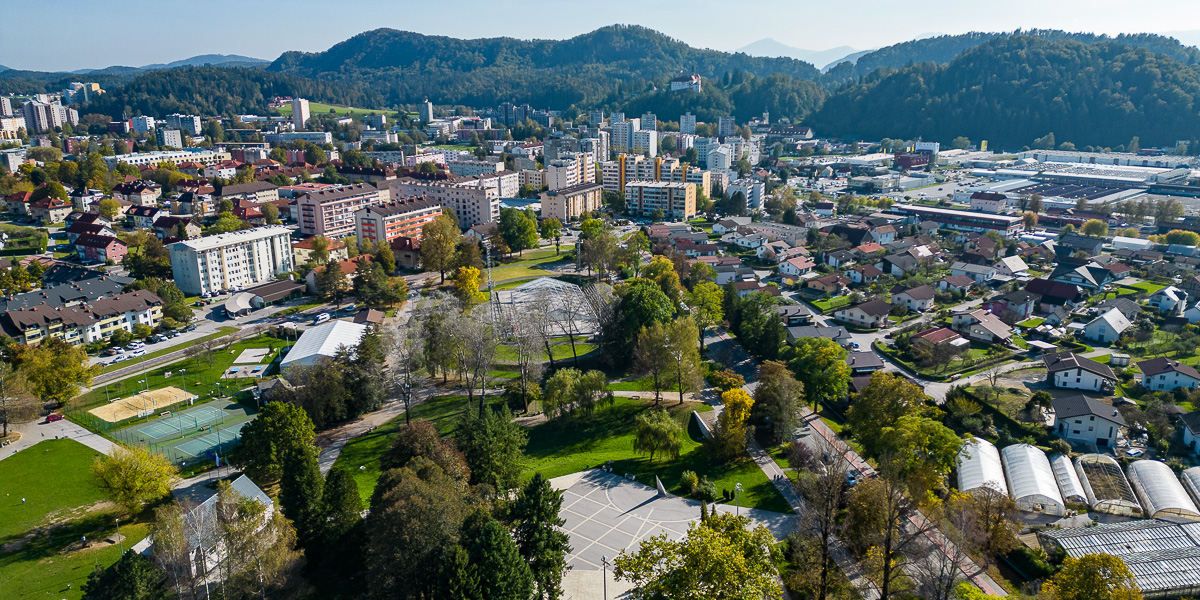
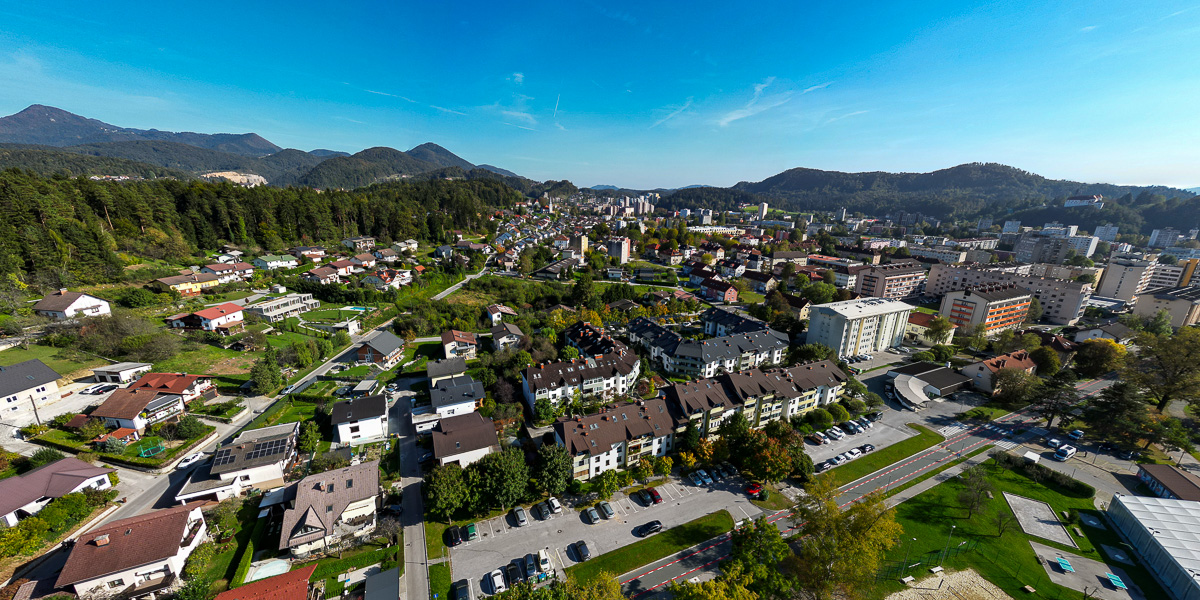
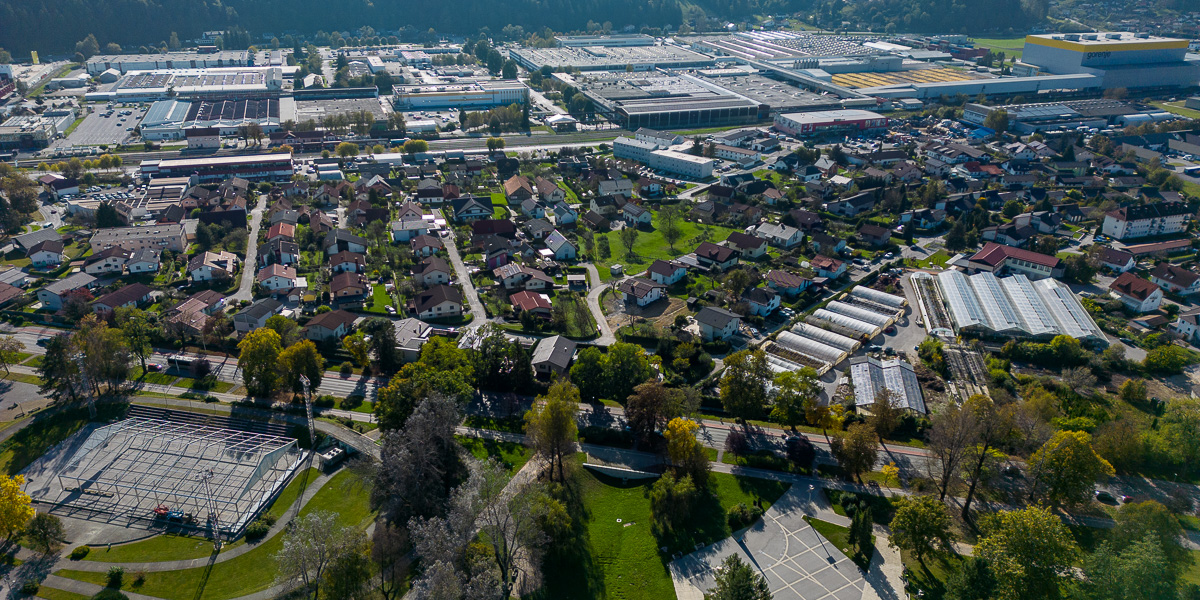
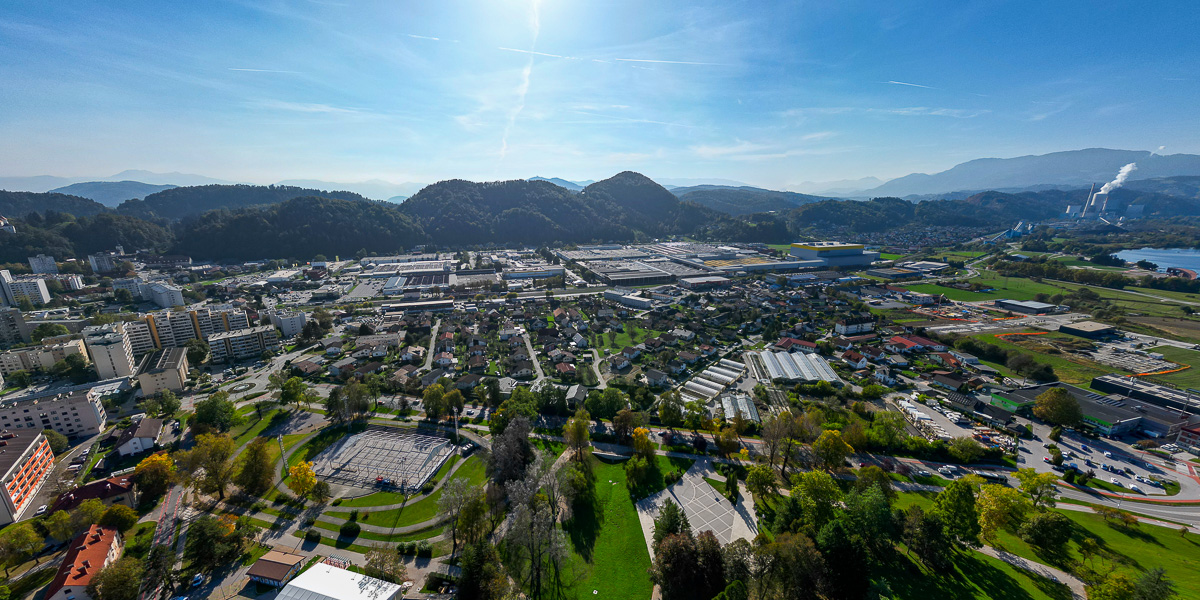
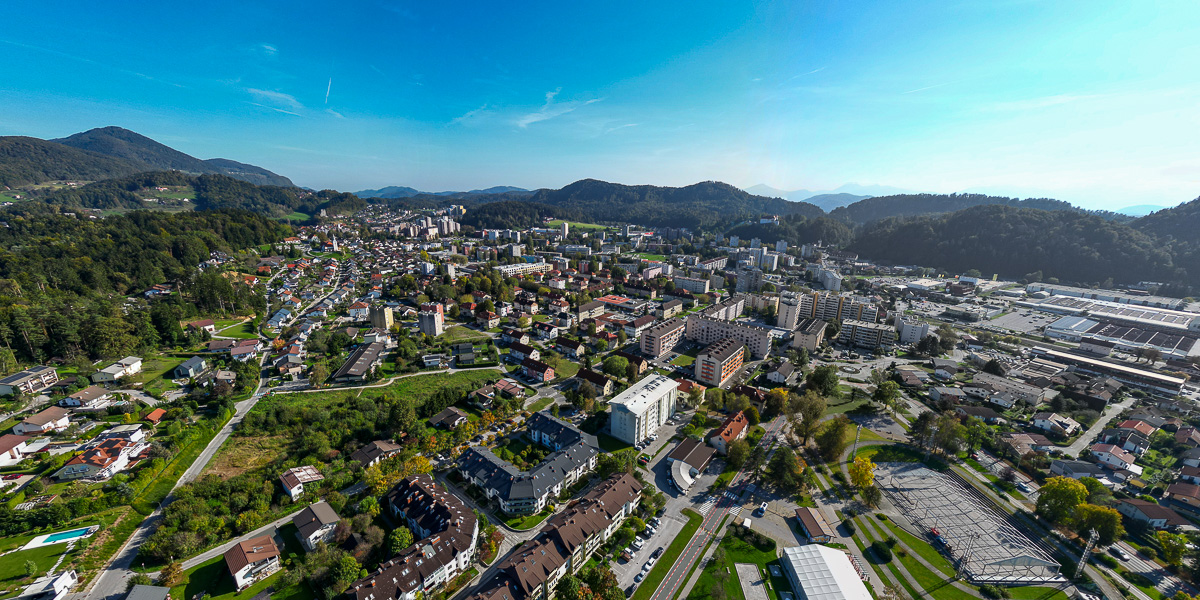
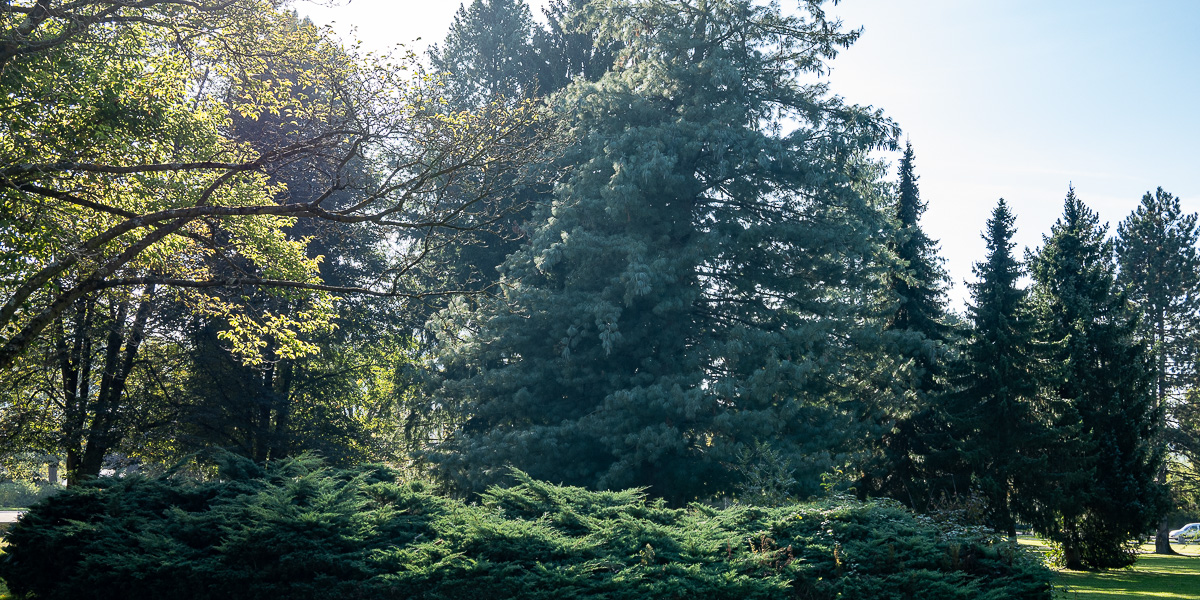
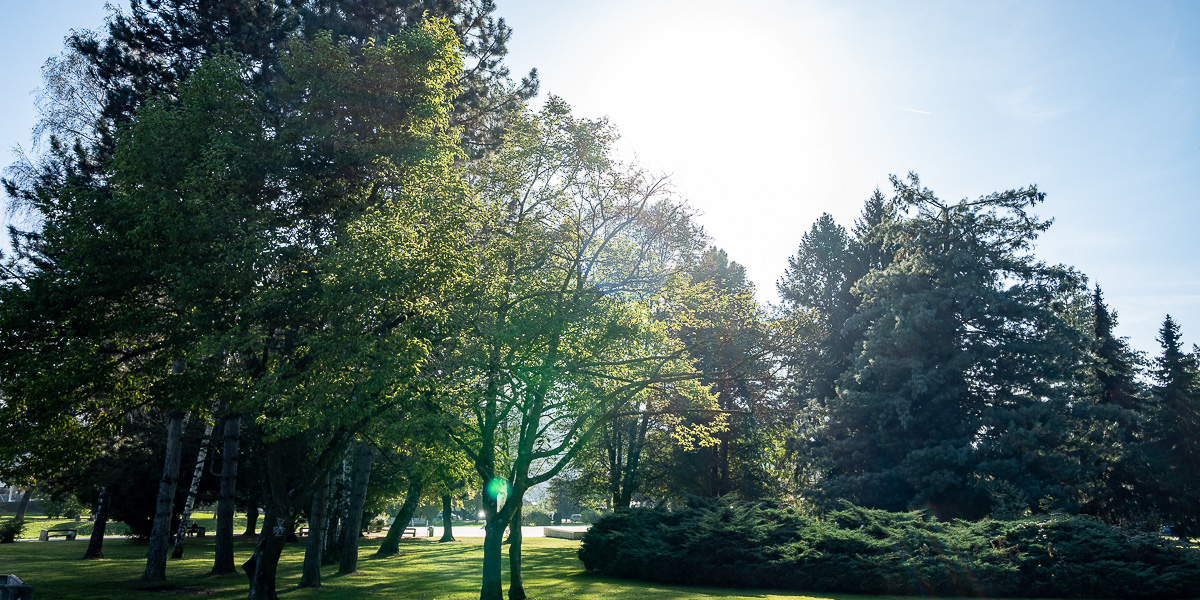
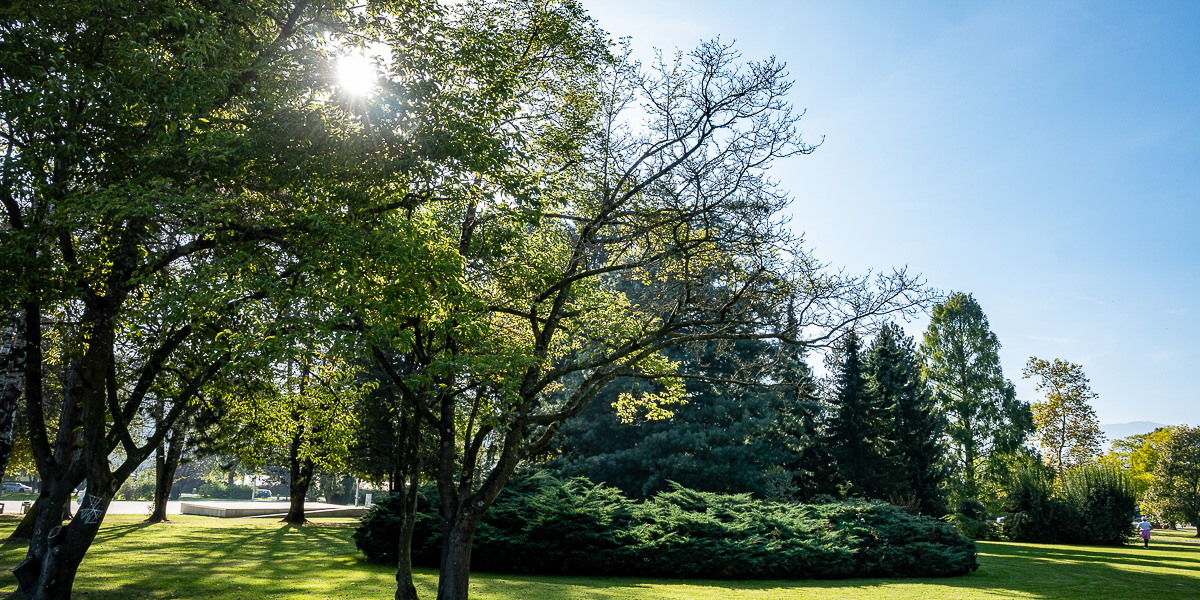
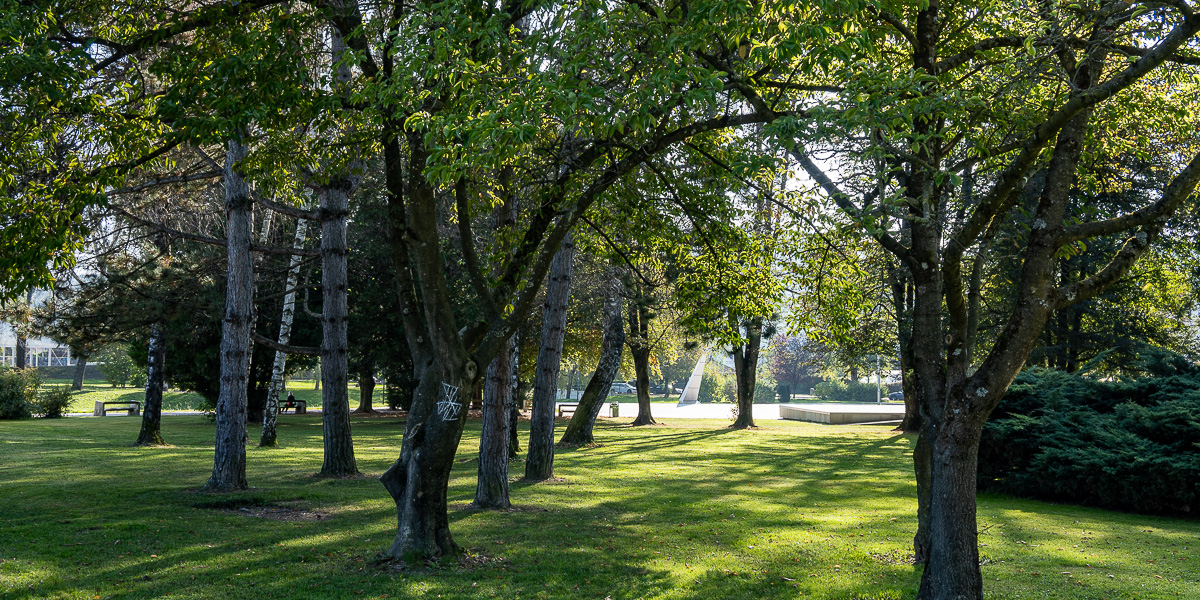
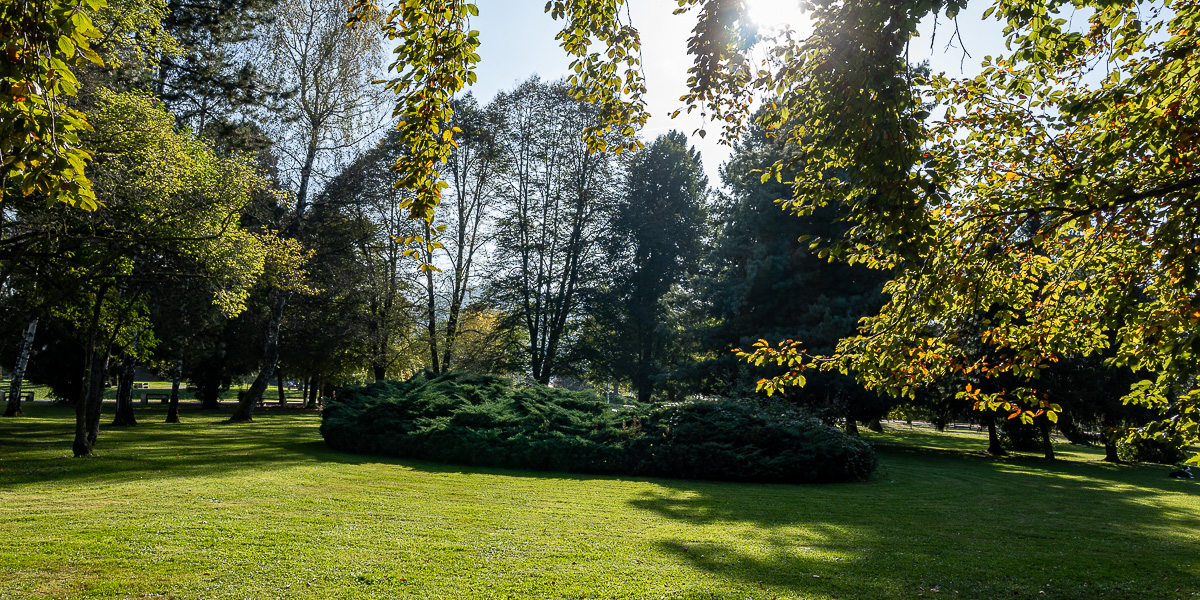
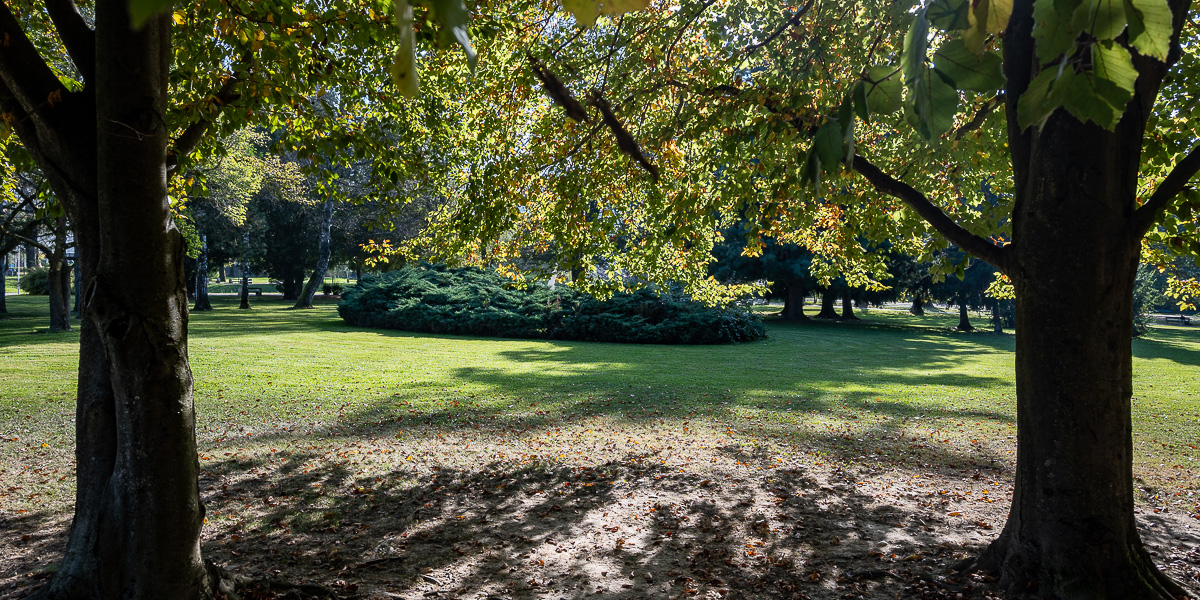
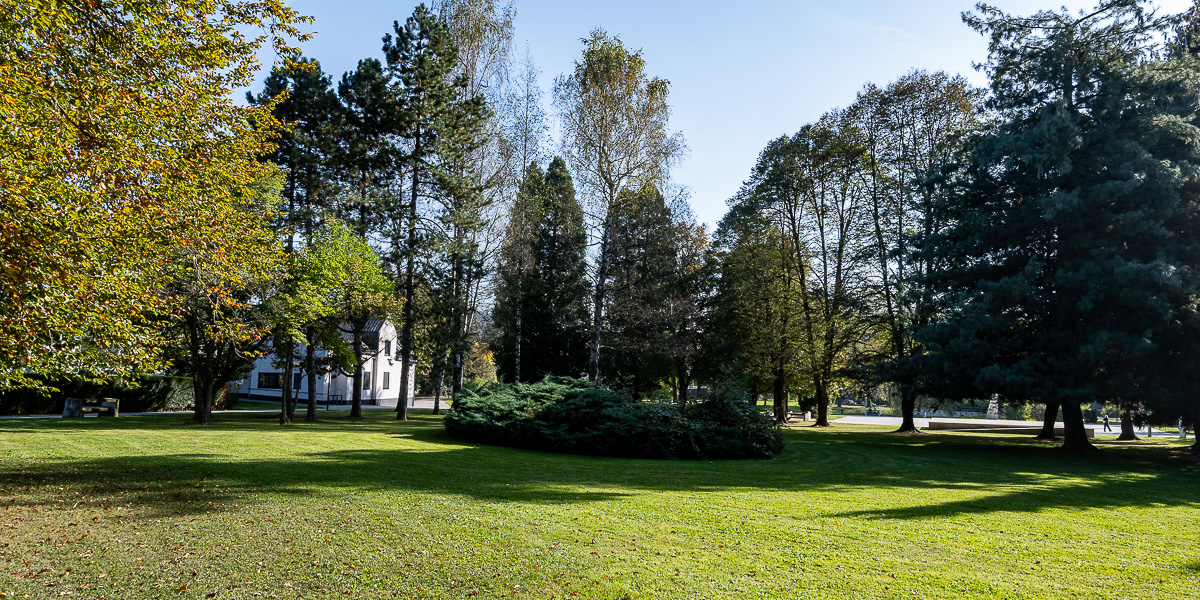
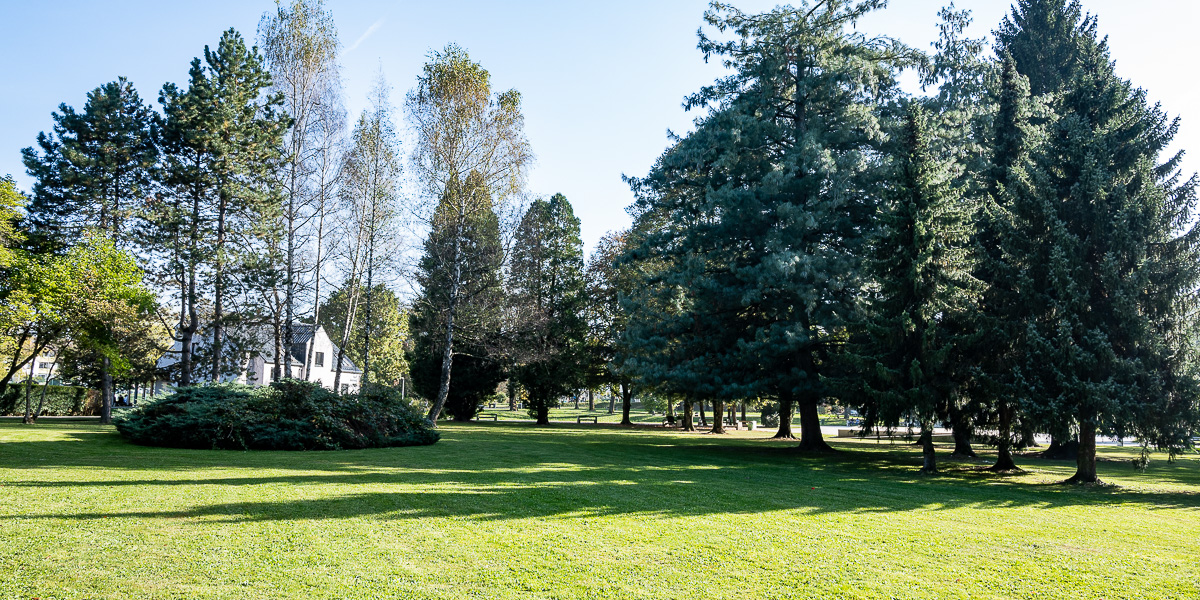
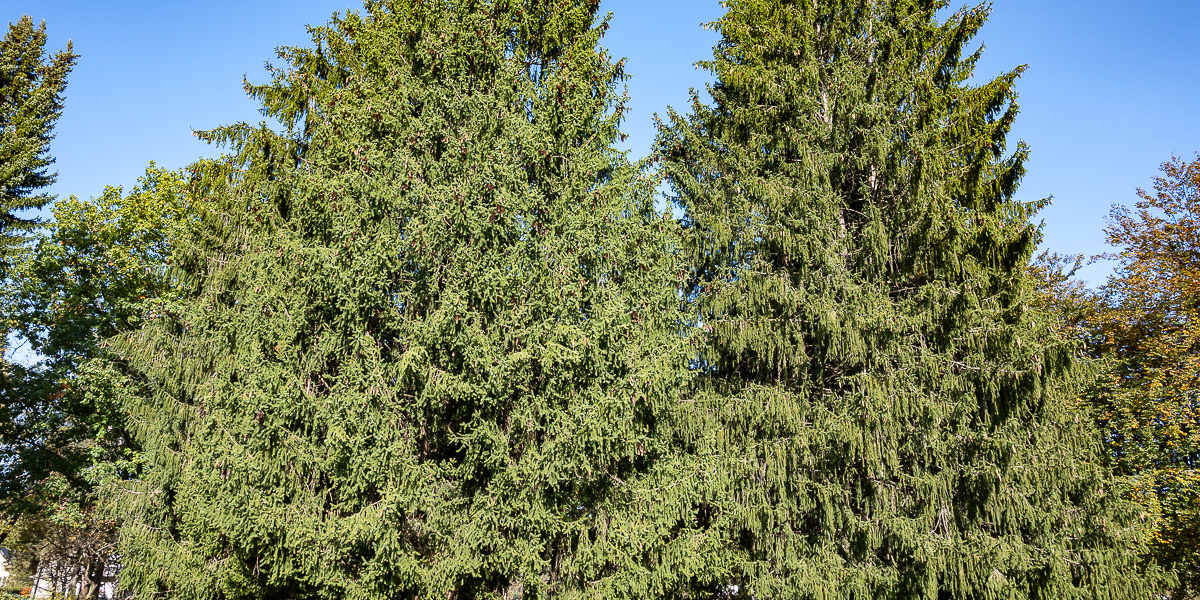
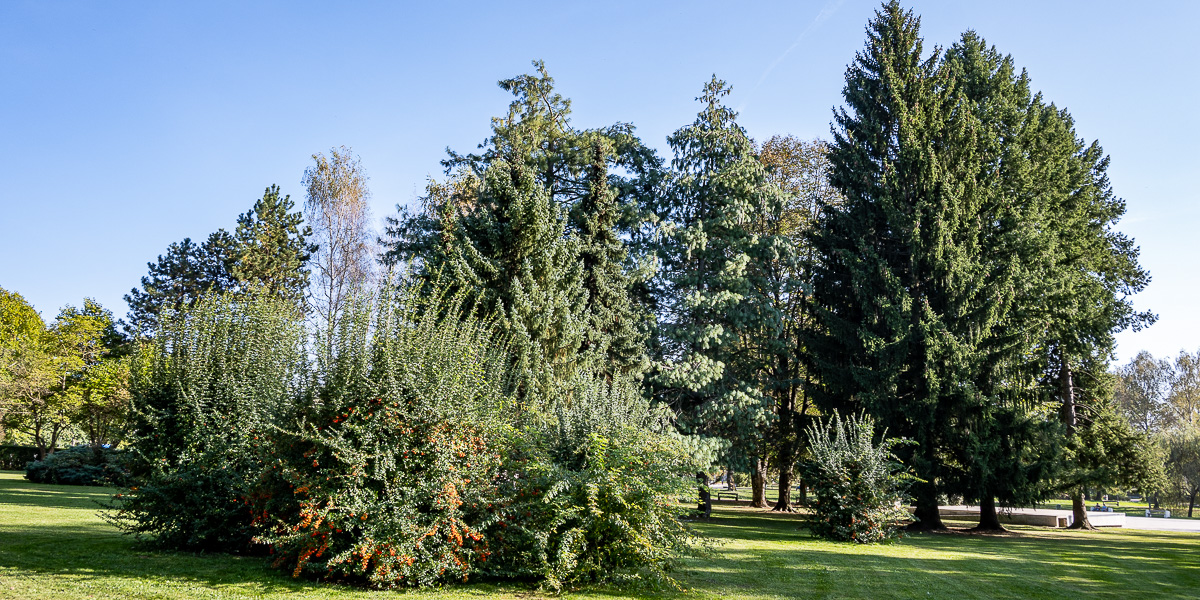
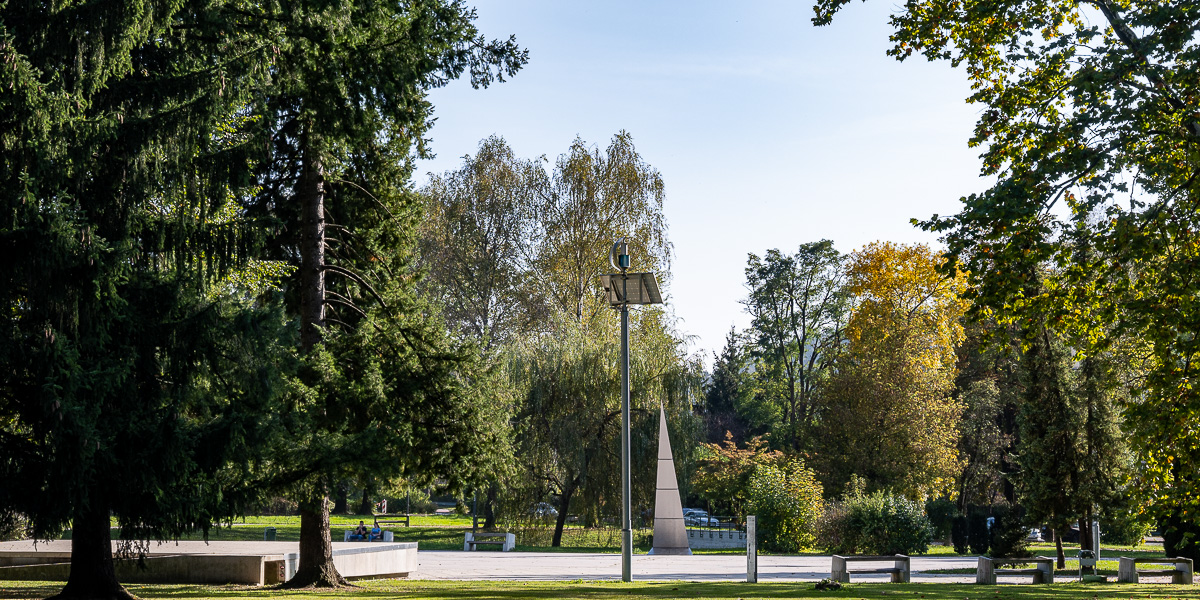
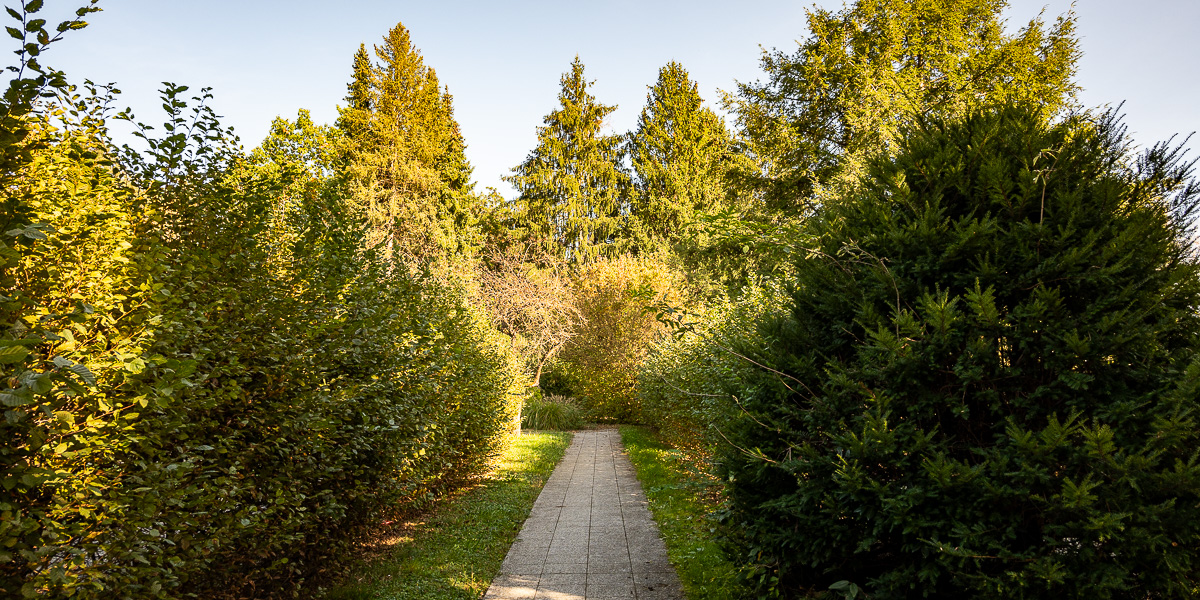
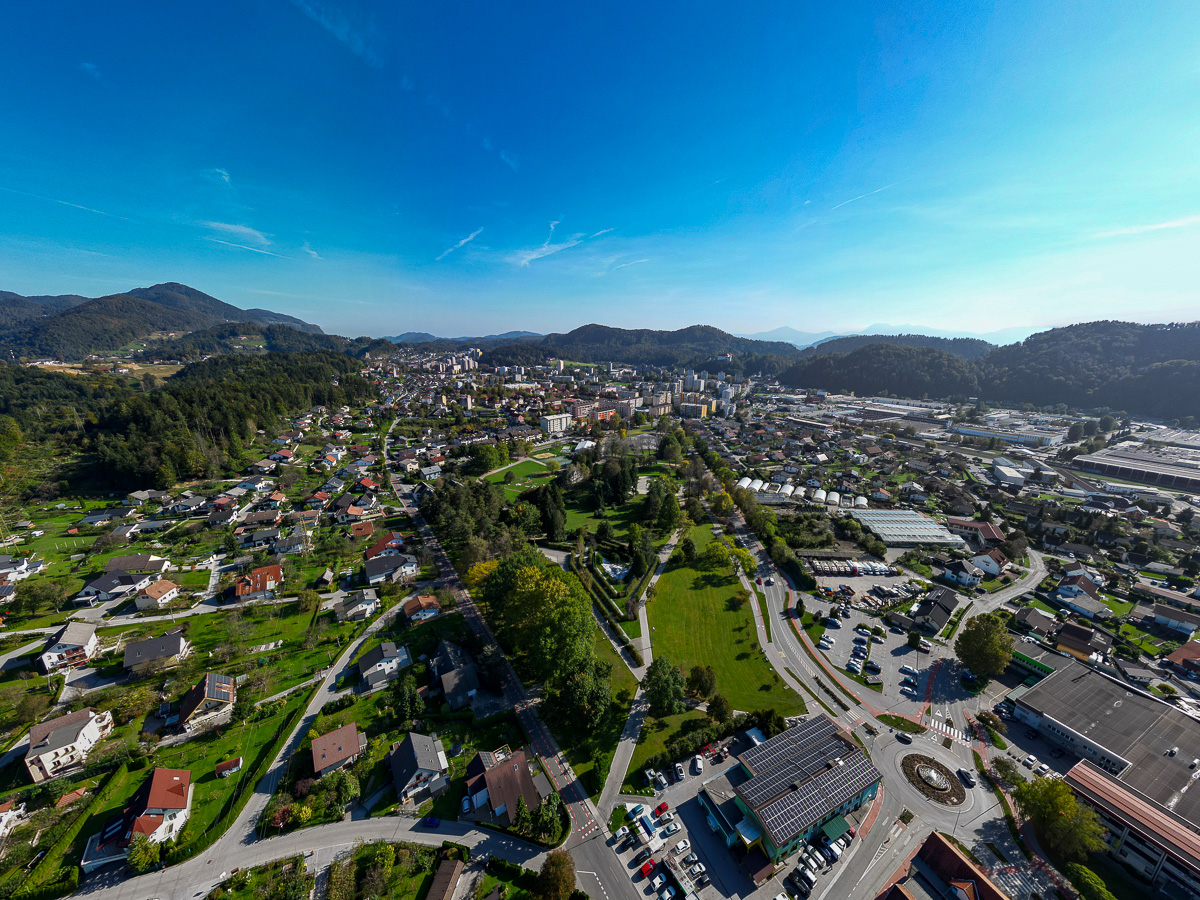 Sončni park (Sun Park) During the construction of new Velenje, Sončni park was created in Stara vas along the road towards the lake, next to the cinema of the time. At first it was also called »the women's park«, because it was largely laid out through volunteer brigade work by the wives of the miners. With an artificial pond, a music pavilion, a fountain, a promenade beneath a green pergola, an aluminium obelisk, a small mosaic pool, a labyrinth and a roller-skating rink, it quickly became known far and wide. Sončni park boasts a true wealth of tree and shrub species.
History of the park
In 1958, in Velenje, the first day of volunteer brigade work was 14 April. Among other things, they then began to lay out the “people's park”. From 3 April to 1 May 1961 the people of Velenje put in 23,068 working hours in the park. They dug and filled in channels for the water supply (740 m), for electricity (580 m) and for the sewerage (180 m). To lay out the lawns they prepared 6 thousand square metres of land, arranged the embankments and banks for the roller-skating track and the grandstands, and applied topsoil to 8,500 square metres of land.
The plan for the park, set in the triangle between the temporary buildings, the road towards the lake and the cinema, was drawn by the Viennese architect Paul Filipsky, who also made the conceptual design for Velenje's Tito Square. Some parts of the park were laid out according to the principles of a free English park, others strictly geometric. The park was planted by the gardener Alojz Jaklič, who also designed the planting of the new Velenje town centre. More than 170 species of plants were planted, which Jaklič sought out at numerous nurseries and tree nurseries throughout Slovenia. At its opening, Sončni park boasted not only rich planting, but also an artificial pond, a platform, a music pavilion, a fountain, a promenade beneath a green pergola, a tall mast, an aluminium obelisk, a small mosaic pool and a labyrinth.
The building that stands in the park acquired the name Vila Rožle after the Rožle children's nursery was housed in it for a time. In the 1920s the Konc family built it as a home. The Konc daughter married Ivan Zajec from Konovo, and the locals long knew the house as the Zajec house. After the Second World War, because of collaboration with the occupier, the house passed into state ownership. At first it was given for use to the brass band, which at that time often performed in the park, then a children's nursery was set up in it, and later it housed several cultural societies and clubs as well as the Velenje grammar school, which used Vila Rožle to carry out some activities of the departments of the art grammar school education programme. Now Vila Rožle is the seat of the Velenje Inter-Municipal Association of Friends of Youth. Thus, in a park built through volunteer brigade work, volunteering is again at home.
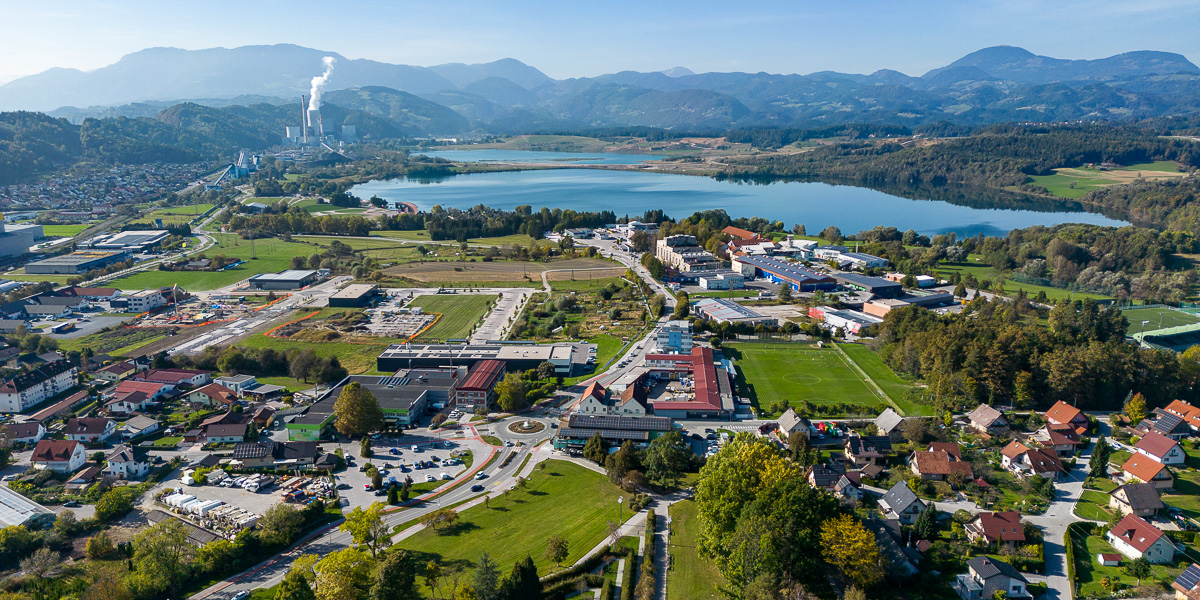
Sončni park was one of the first major projects for the arrangement and new use of subsidence areas in the Saleska Valley. It was created on a degraded area, on the site where the new centre of the town of Velenje was originally planned. Today Sončni park is, among other things, the first station of the themed architectural route through Velenje “A Walk through the Town of Modernism”. Sončni park is a protected area of garden-architectural heritage, registered in the Register of Cultural Heritage at the Ministry of Culture as Velenje – Sončni park (EŠD 10909).
Source: Mojca Ževart - Sončne zgodbe mladega mesta - Velenje Museum, 2019