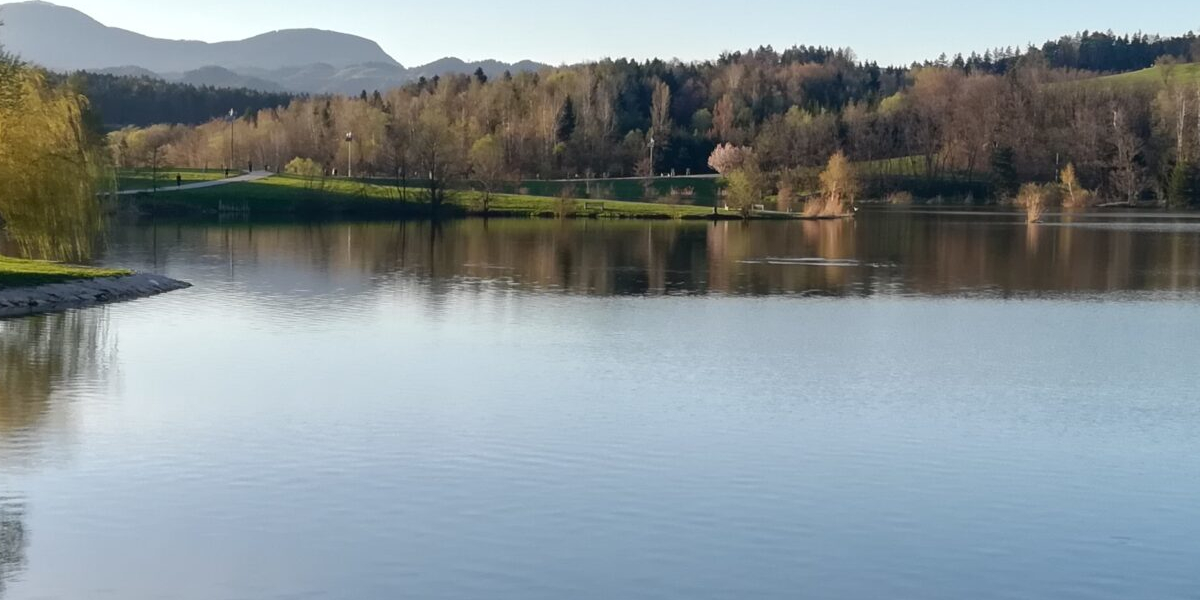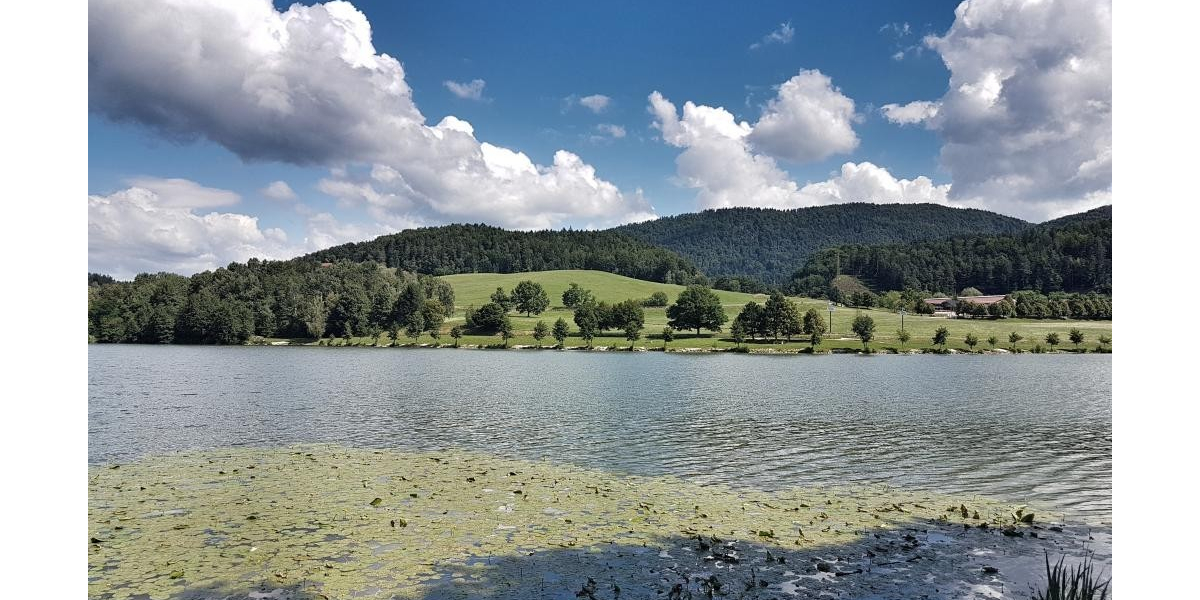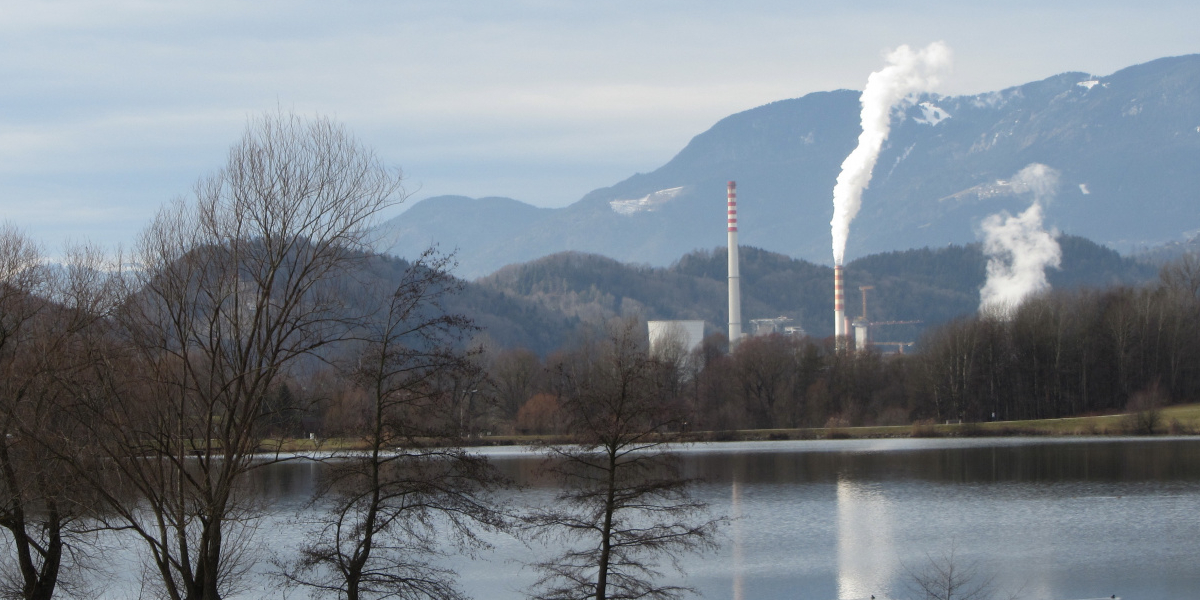
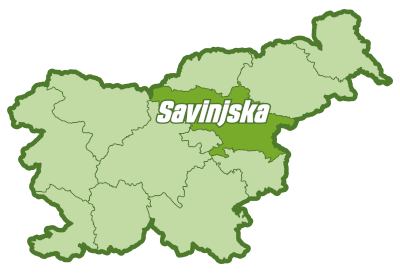
Škale Lake
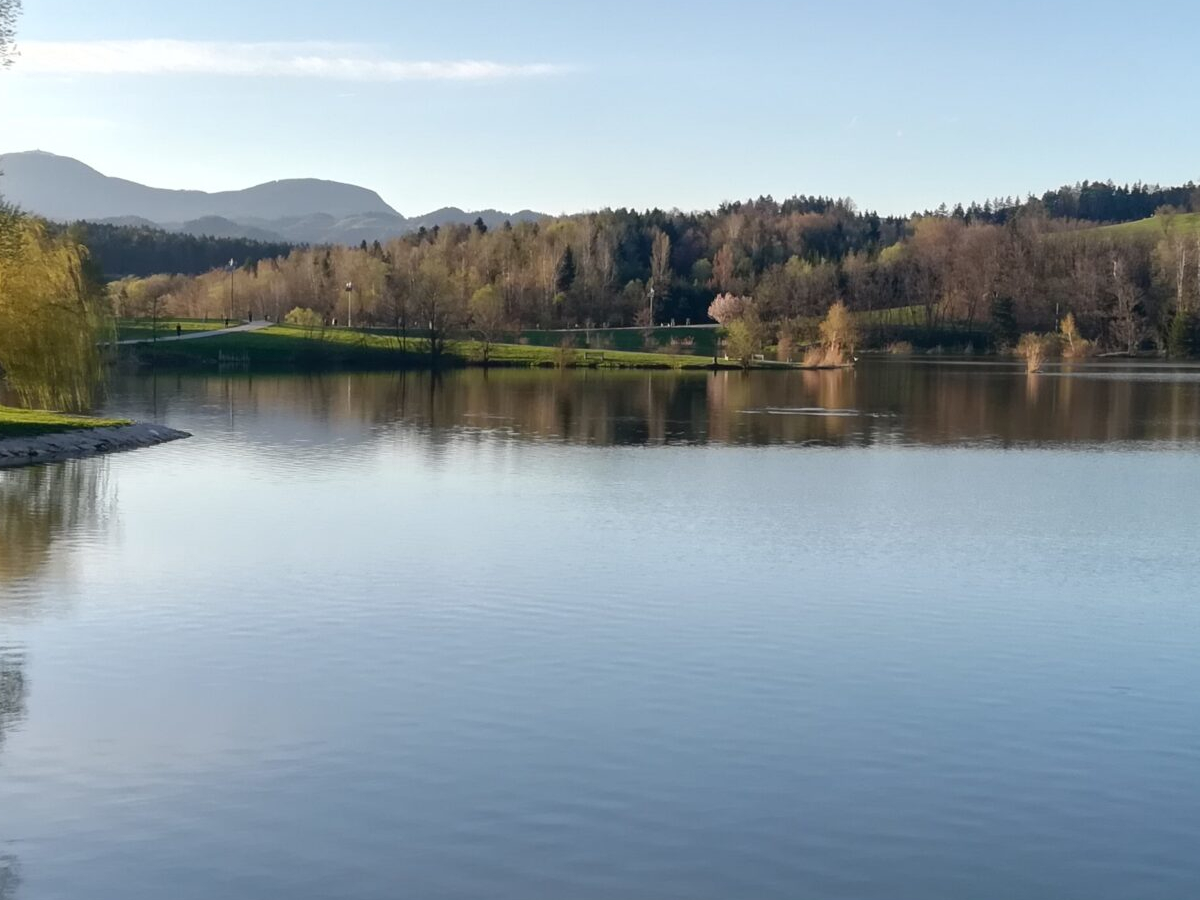
The first of the Saleska lakes to form was Škale Lake, which began to take shape already before the Second World War, but immediately afterwards was still about half the size it is today. Its shape is final, as the mining of lignite in this part of the valley has already been completed.
Because it is a consequence of the initial, less intensive period of coal mining in the Saleska Valley, it is the smallest of the three lakes (it measures 16 hectares and contains less than a million cubic metres of water).
Škale Lake lies in the Lepena drainage basin. The main axis of the lake runs in an east-west direction, the ratio between length and width is approximately 2.3 : 1. The catchment area of Škale Lake measures a good 10 km2 and is mostly wooded, more than a third of the land (37 %) is agricultural, and around a thousand inhabitants live there. The ratio between the catchment area and the lake is not favourable, as the lake is too small relative to the surface area of the catchment.
The water balance of the lake is favourable, however, as it can be calculated that the lake water is theoretically replaced more than five times a year. If we sum the lake's inflows, we find that around 5.4 million l of water flows into the lake annually. The mean annual inflow of the Lepena into Škale Lake is, based on data from the Hydrometeorological Institute (HMZ) for the period 1980-91, calculated at 3,721,248 m3. Other smaller tributaries contribute between 10 and 30 % of the Lepena's flow to the lake (around 700,000 m3 according to measurements in 1993 and 1994). On average, 800,000 m3 of mine water is pumped into the lake annually (2), which is technological but of fairly good quality. Precipitation directly onto the lake surface contributes more than 200,000 m3. According to HMZ data (period 1979-1997), 944 l/m2 of water evaporates from the lake surface annually (potential evaporation), which in the case of Škale Lake means almost 158,000 m3 per year.
Source: Wikipedia