
Velenje Coal Mining Museum

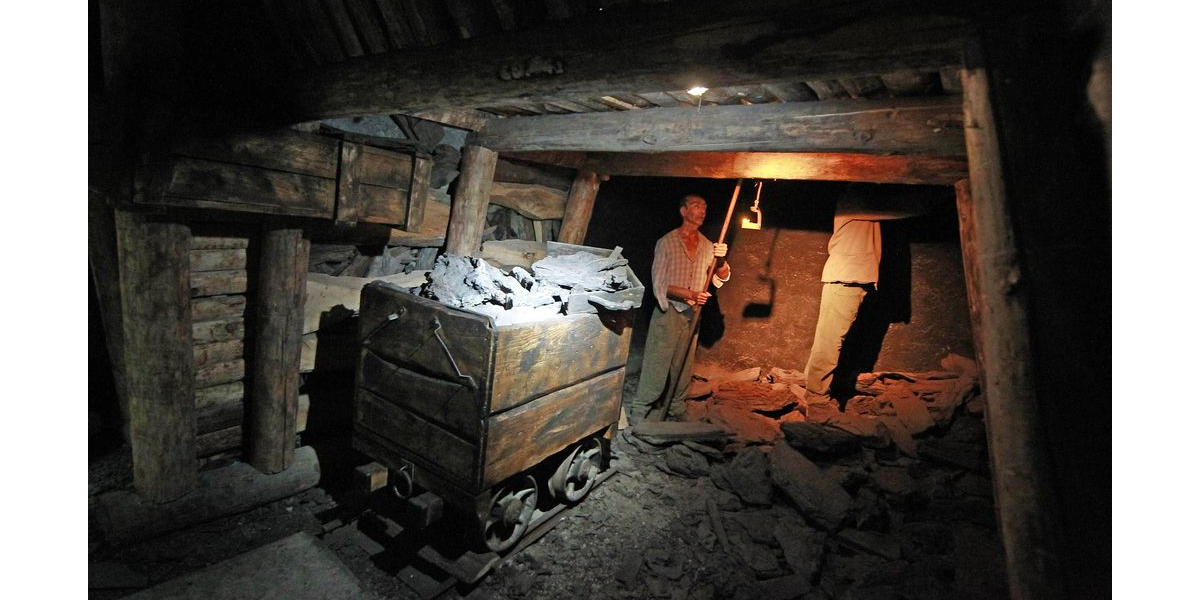
The first mentions of lignite deposits in the area of the village of Škale near Velenje date back to the 18th century, the first drilling to 1875, and the first mine opening to 1887. In 1893, the Škale mine experienced its first major accident, the main cause of which was the use of flammable lamps. From then on, the miners (knapi in the Velenje dialect) used petrol safety lamps - ziherce. Coal was dug by hand. The miners dug coal with mining axes, pickaxes and hoes and loaded it onto carts pulled by pit horses. In 1894, Anton Aškerc came to the village of Škale to serve as a priest, and it was there that he found the inspiration for his poem Delavčeva pesem (The Worker's Song).
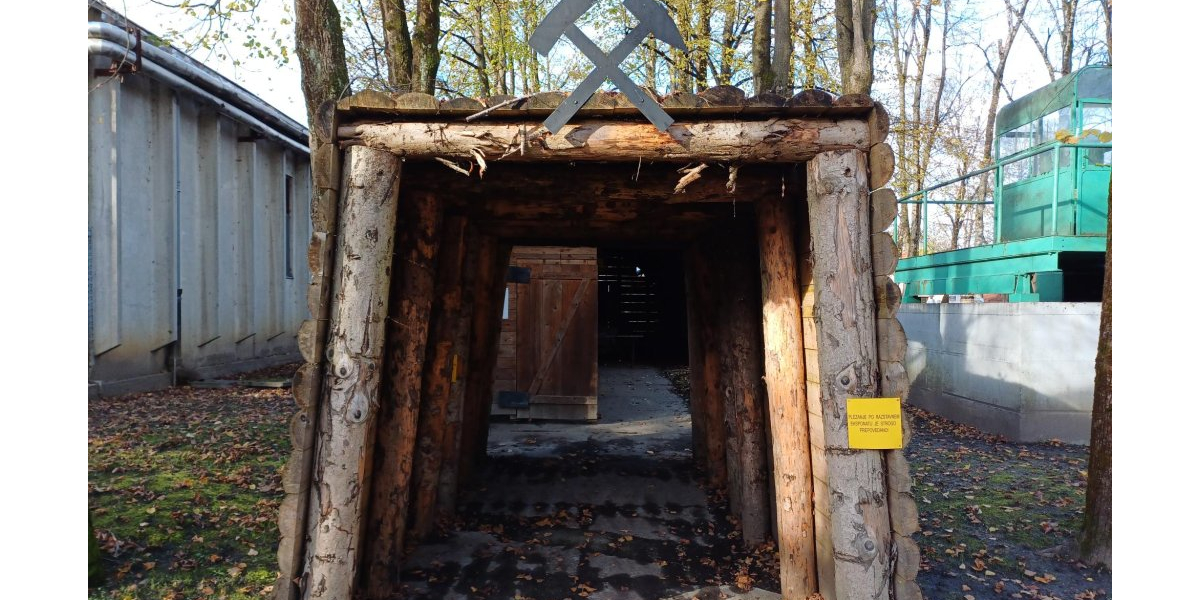
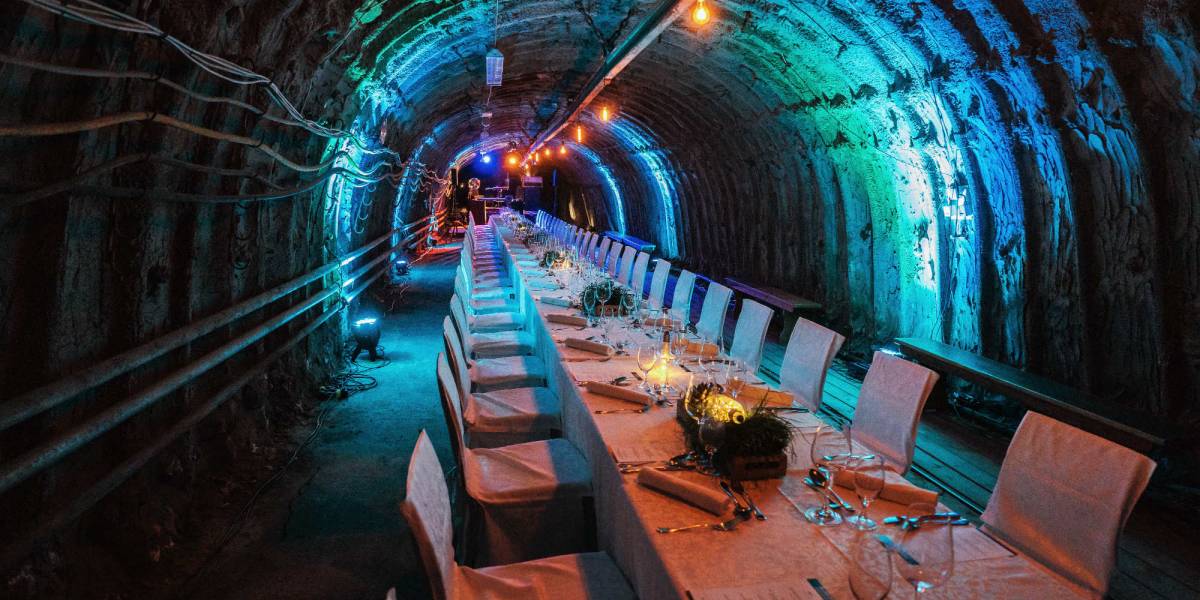
The museum is arranged along roughly one kilometre of tunnels, accessed via the original "Old Shaft" with a 140-year-old lift, whose drive mechanism - a steam engine - is preserved in the tower of the Old Shaft. The tower was built in the same year as the Eiffel Tower using similar technology. The mining story is presented through 18 scenes of mining settings - the white and black changing rooms, the lamp room, a miner's dwelling from the 1930s, together with preserved equipment and puppet miners performing various tasks typical of coal extraction, accompanied by audio-visual scenes. The museum is connected to the today still active, 50 km long tunnels of the Velenje mine.
Source: muzej.rlv.si