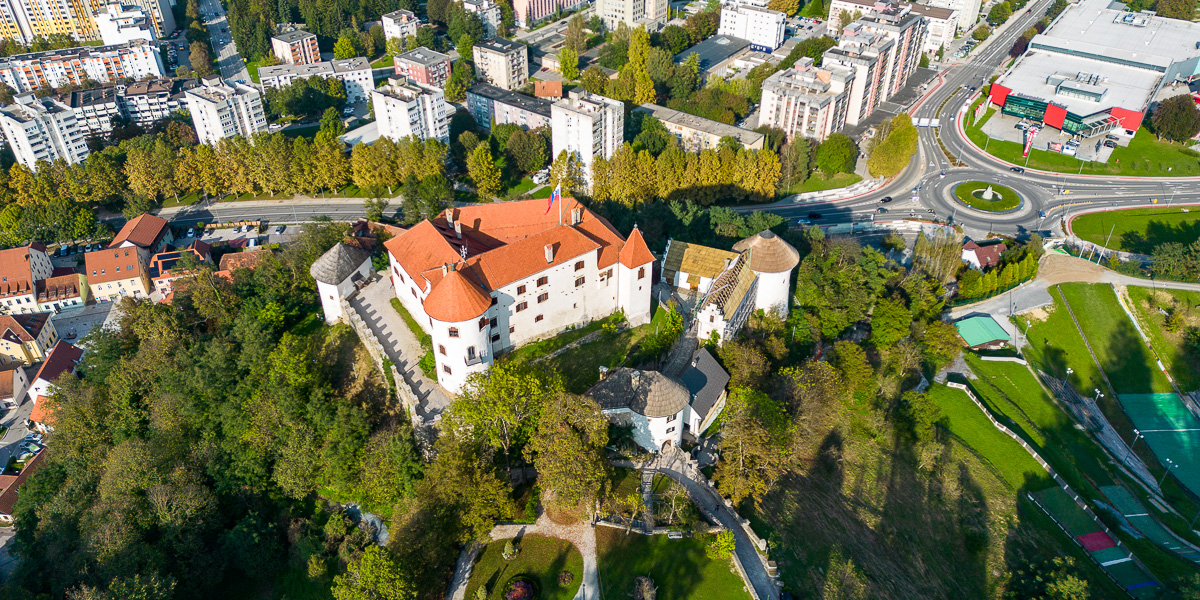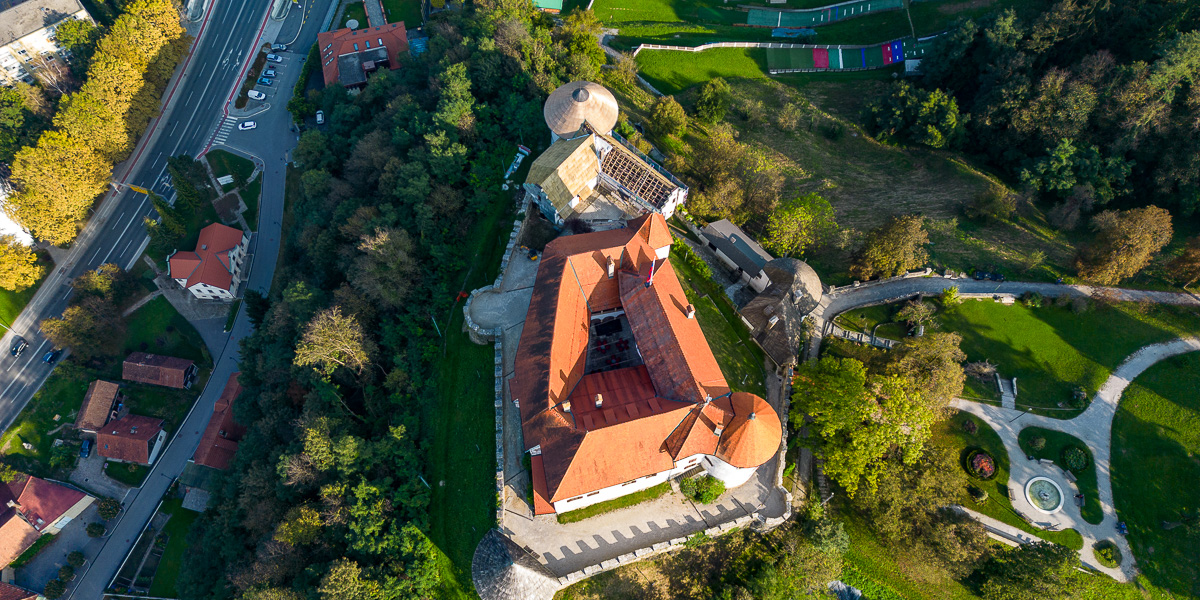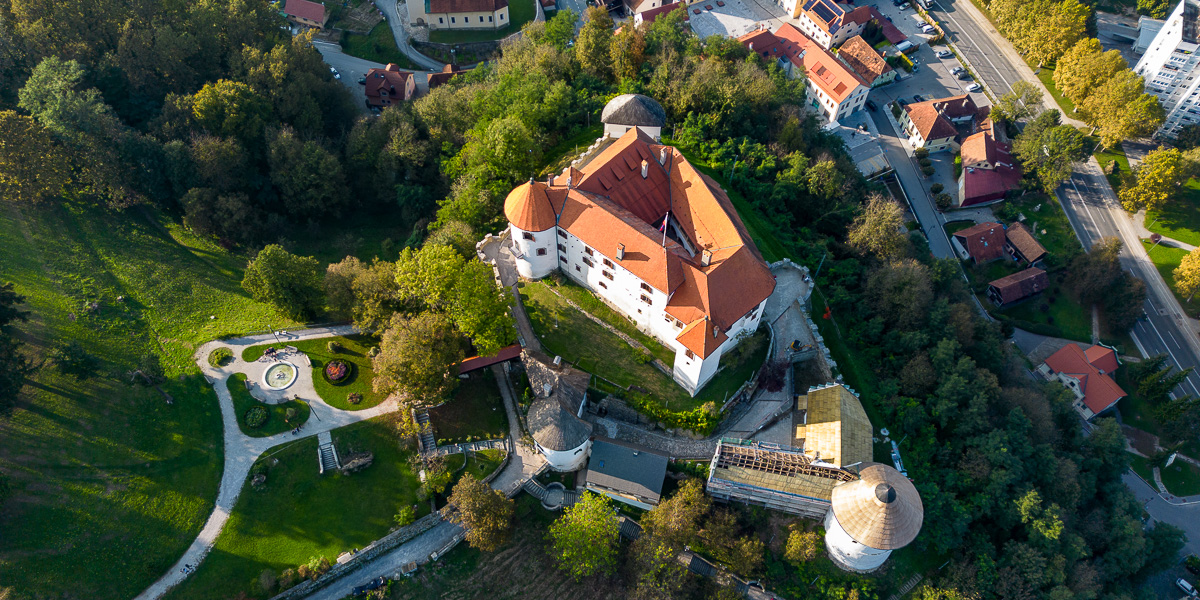
Velenje Castle with Museum
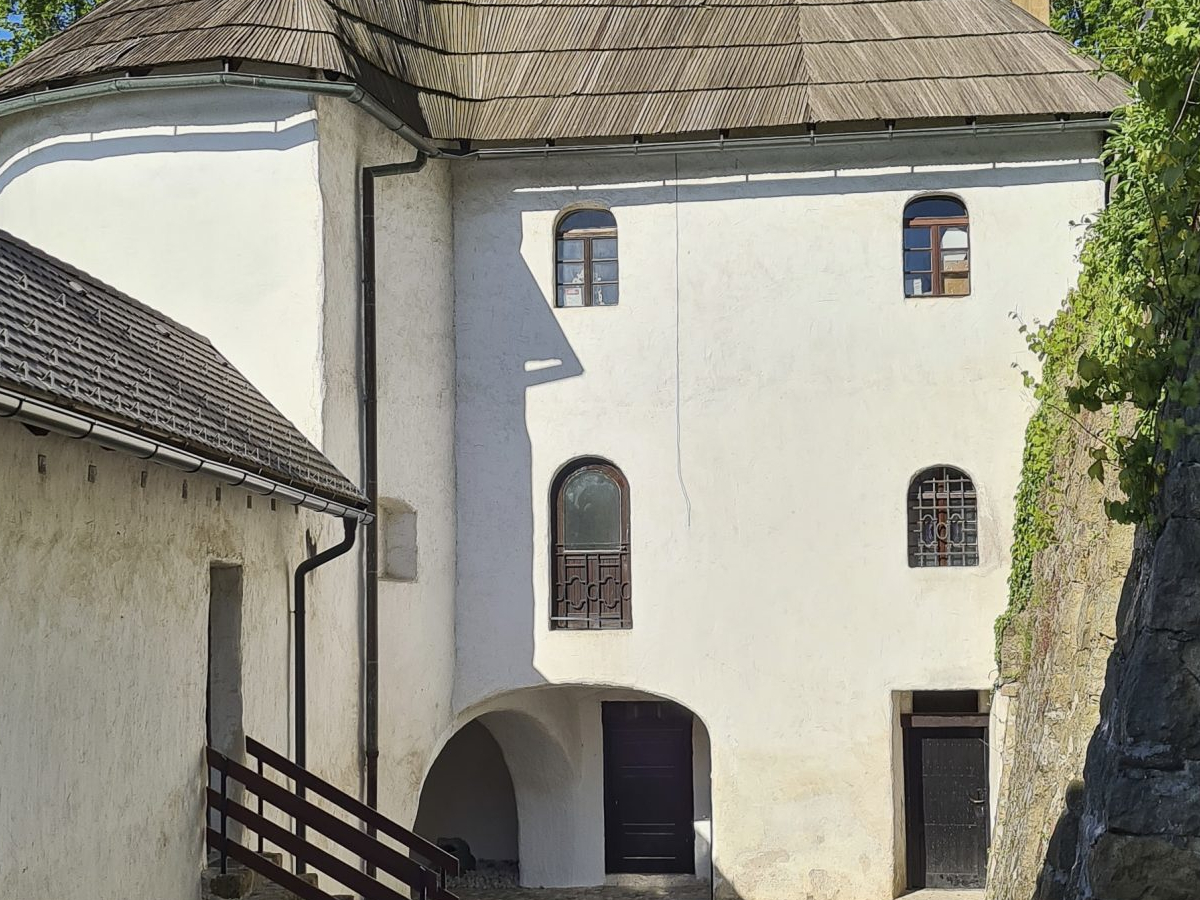 The first owners of the castle were the lords of Kunšperk, who in the 14th century were succeeded by their relatives the lords of Ptuj, after which the castle frequently changed owners. In the second half of the 15th century the Lichtenberg family lived at the castle, and through marriage the castle passed in the 16th century into the hands of the Wagen zu Wagensberg family. Both families were involved in Lutheran activity in the Saleska Valley. During the Wagen era the castle also underwent its largest reconstructions, which gave the castle its present appearance of a Renaissance castle with a rondel. A reminder of the Wagen counts is the flag in the castle courtyard. The reconstructions were completed by the Sauer family.
After them, the castle was owned by representatives of the lower official nobility, in the mid-19th century briefly by the de la Fontaine dHarnoncourt-Unverzagt family, then by the Adamovich de Csepin family. Karel I. Adamovich de Csepin, a provincial deputy, and his wife Bianca were well-known Velenje benefactors, and Vila Bianca, well known to locals, is named after Bianca; this is the name today of the manor built in the mid-19th century in present-day Old Velenje. The family is represented by a coat of arms built into the southern wall of the palace in the castle courtyard. In 1918 the family sold the castle to their relatives, the Italian noble family Coronini-Cromberg from Gorizia, who were the last owners of the castle.
Source: muzej-velenje