Roman Necropolis
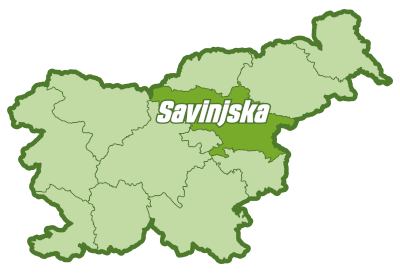
The Roman Necropolis is an ancient archaeological site located on the eastern edge of the present-day settlement of Šempeter in the Savinjska Valley. Judging by its remains, the burial ground extends more than a kilometre along the former Roman road between Emona and Celeia. It is believed to have been in use from the mid-1st century to the 3rd century, when it was struck by a flood of the Savinja and partly collapsed into the riverbed. After that, a new burial ground was established north of the old one.
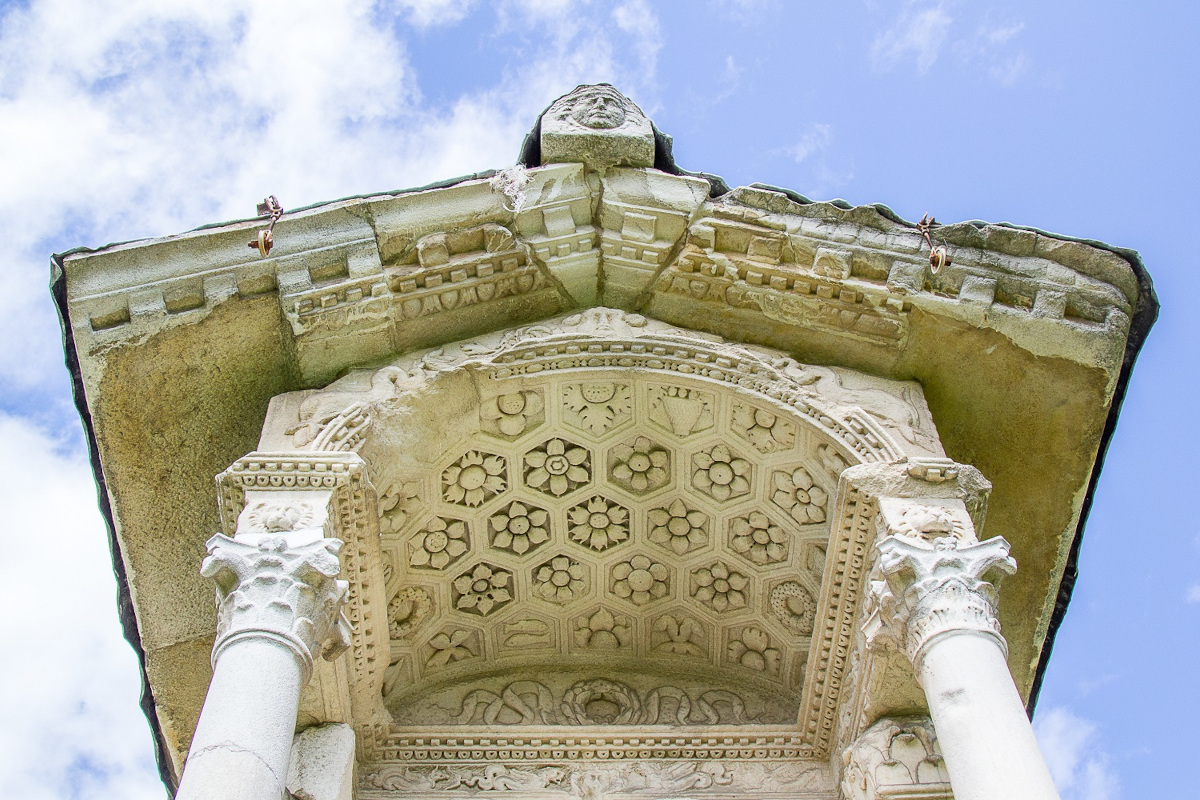
The discovered graves are of various types, from simple pits to elaborate tombs with built-up foundations and marble sculptures in the Noric-Pannonian style, depicting the owners and various mythological scenes. In the layer just beneath them, prehistoric graves from the Hallstatt period were also discovered, attesting to the long history of settlement in this fertile area. The settlement to which the burial ground belonged has not yet been discovered, and the western and eastern edges of the site also remain unexplored, covered by a built-up settlement and a regional road.
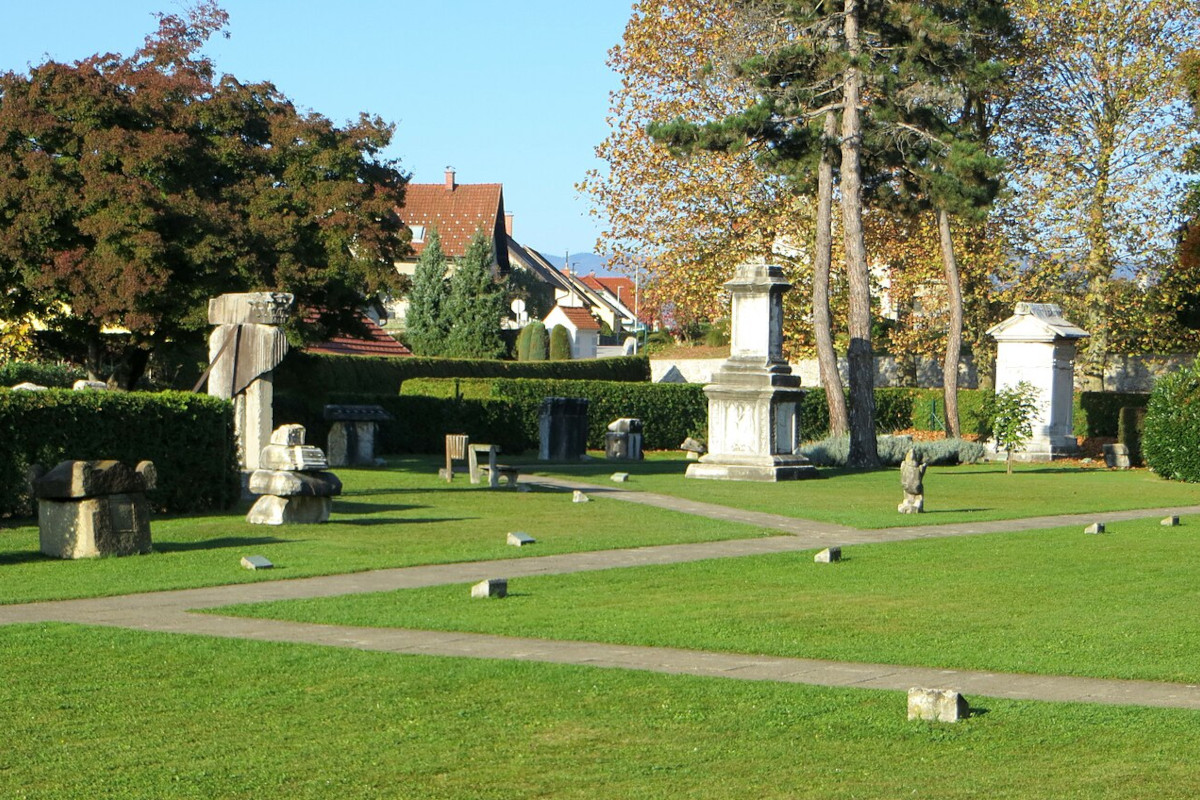
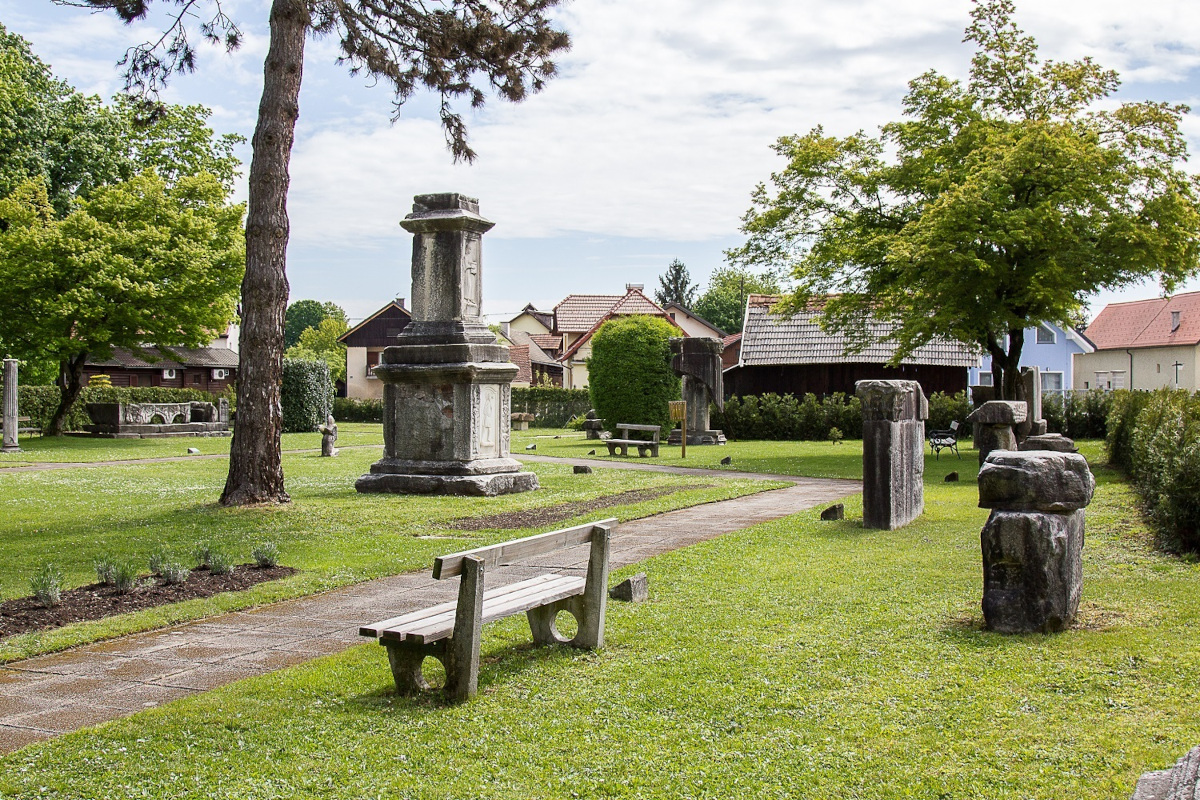
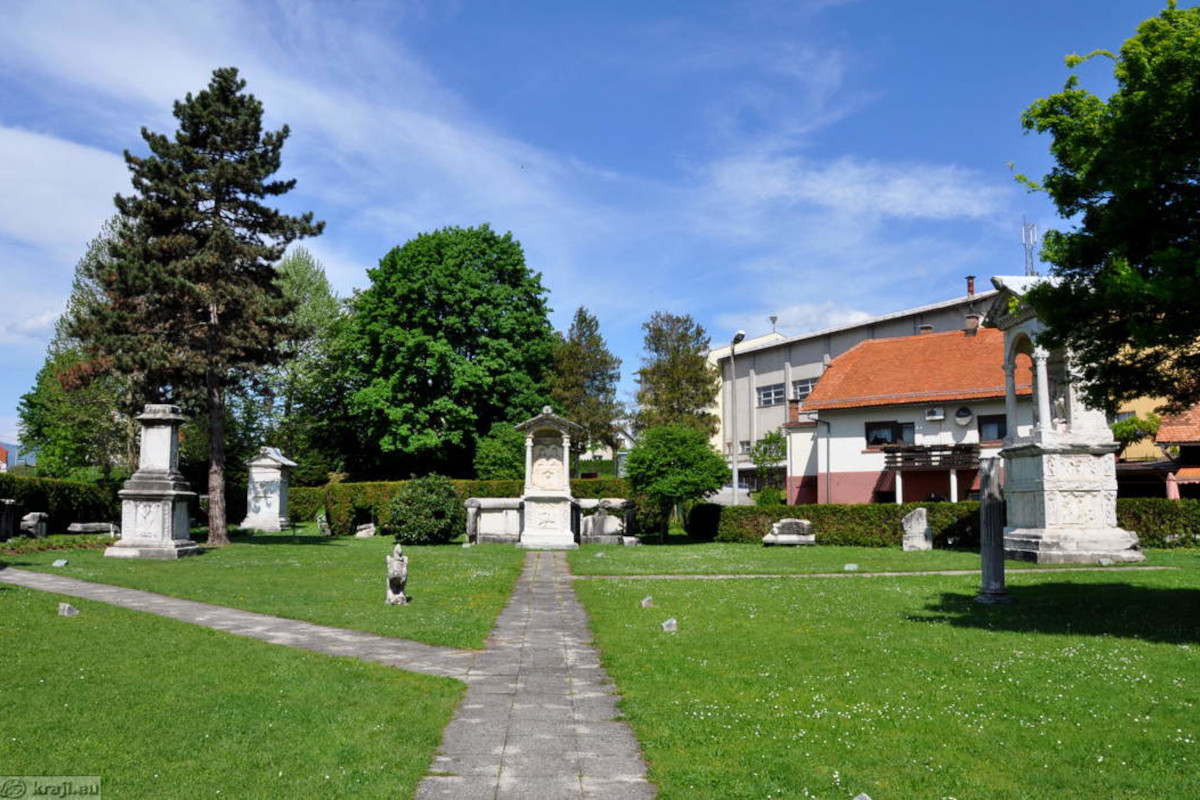
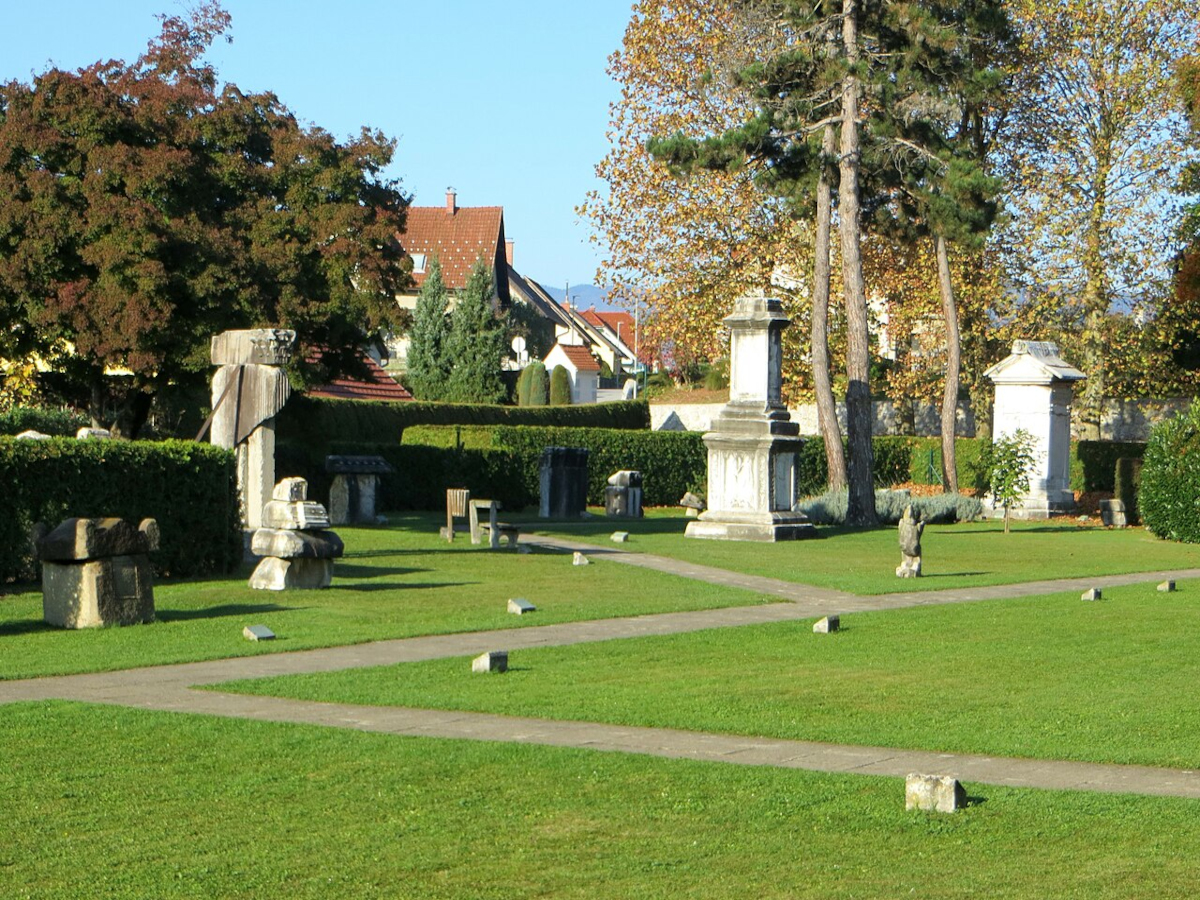
Already during the excavations, the decision was made to create a public display of the preserved monuments. An archaeological park was created, an open-air museum that stretches to the southwest of the Church of St Peter in eastern Šempeter, surrounded by a hedge. It presents four reconstructed marble tombs and various pieces of other graves, as well as various other architectural elements, along with reconstructions of the layouts of some graves and remains of the Roman road over a length of 300 m. Since 2003, the entire area has been declared a cultural monument of national importance.
Source: Wikipedia