
Novo Celje Manor
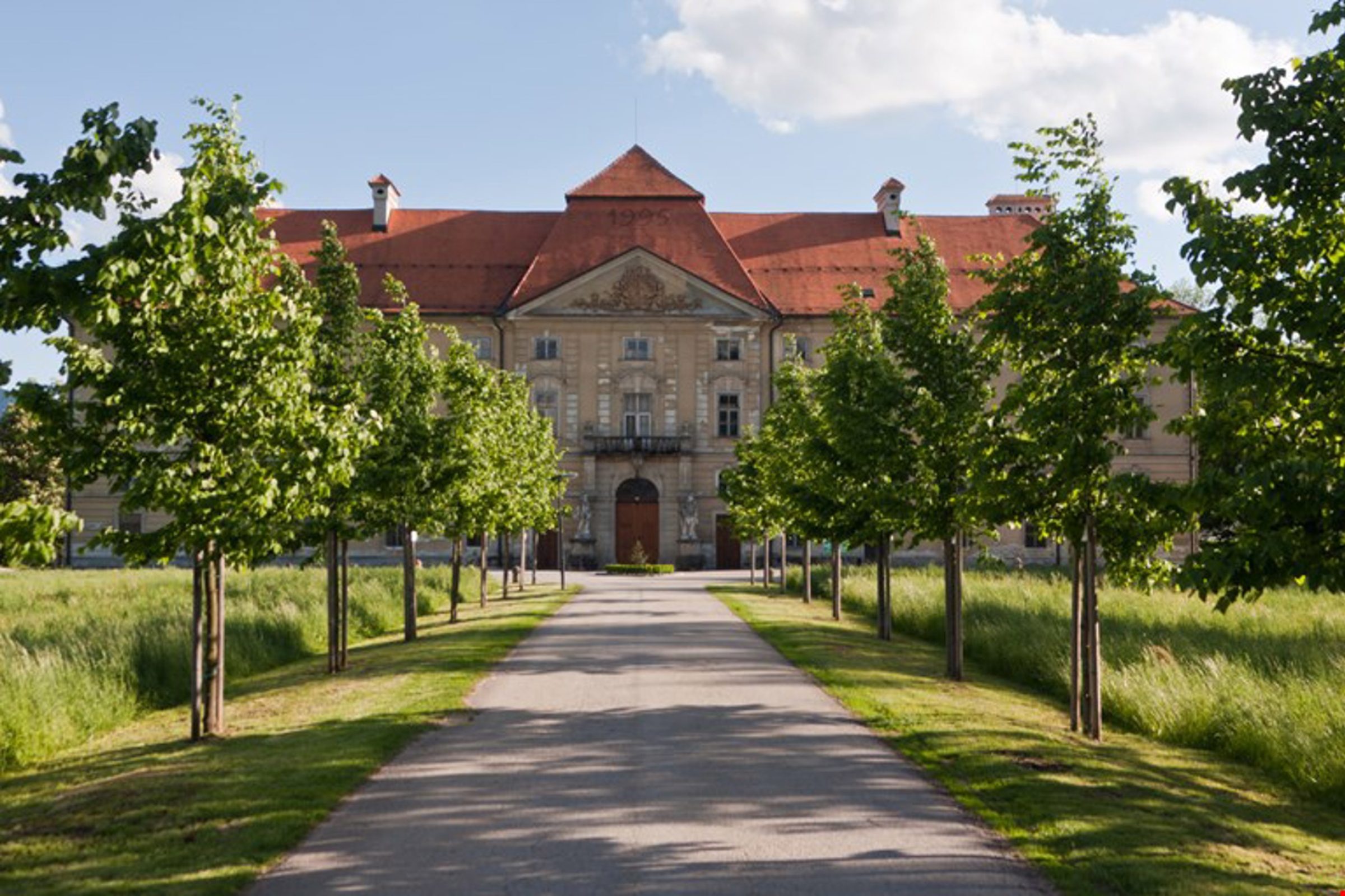
This Baroque manor from the 18th century stands in a large park between Žalec and Petrovče.
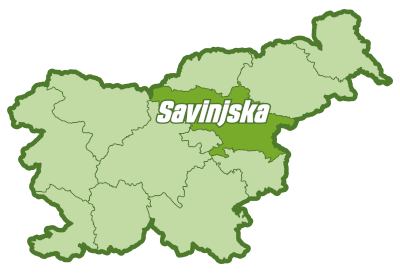
The circular walking route from Celje leads through the Celje Town Forest toward the area of Hom, where forest paths, scenic views and peaceful nature intertwine right above the town. The trail offers a pleasant climb from the urban environment into the green hills.
It is a moderately demanding circular hiking route, suitable for recreational hikers. The Hom area is known for its views of Celje and the surrounding hills, as well as for the numerous forest paths that allow for various circular connections.
A special feature of the route is the combination of the Celje Town Forest with the scenic Hom, where views open up of the town and the Savinja Valley, giving the route a varied natural experience.
Thanks to its proximity to the town, views and forest setting, this route is an excellent choice for recreation, training or a relaxed outing into nature above Celje.
This Baroque manor from the 18th century stands in a large park between Žalec and Petrovče.
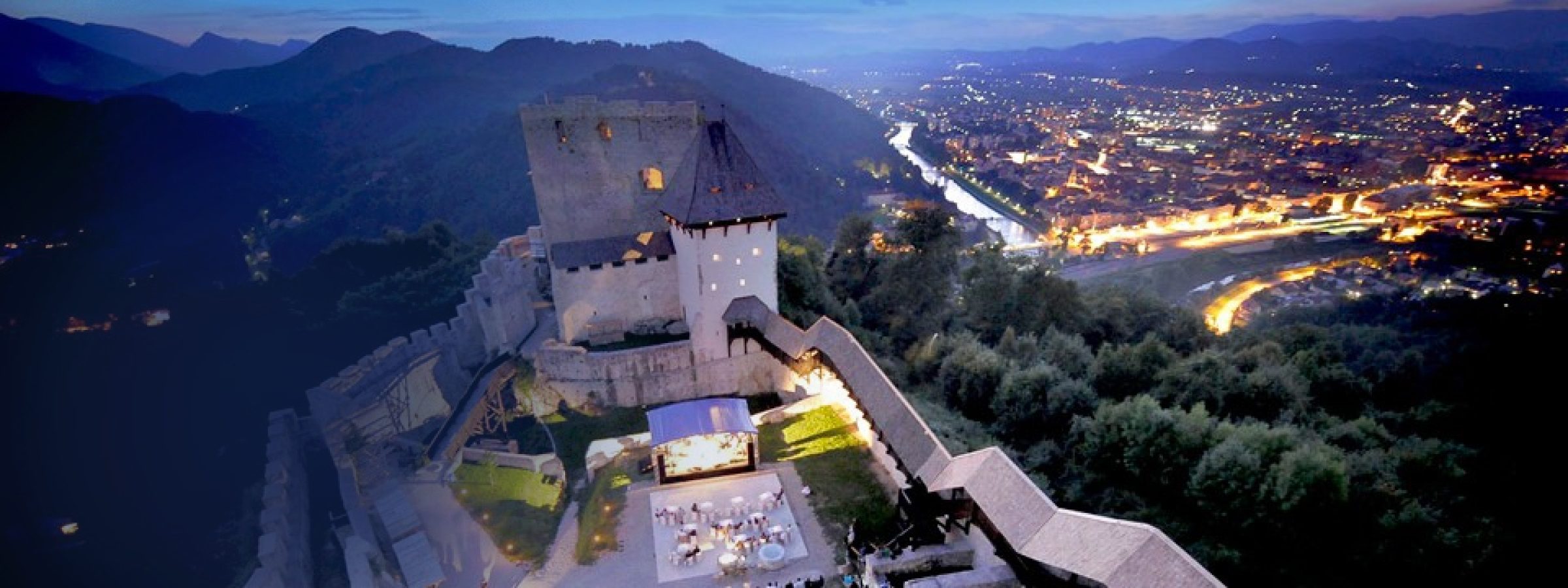
The largest medieval castle in Slovenia was the seat of the mighty Counts of Celje.
For more than 130 years, the Celje Regional Museum has collected, preserved and presented the cultural heritage of Celje. At its two central city exhibition venues (the Princes' Court and the Old Counts' Mansion) and ten outdoor sites, it offers a comprehensive view of the history and culture of the Celje region.
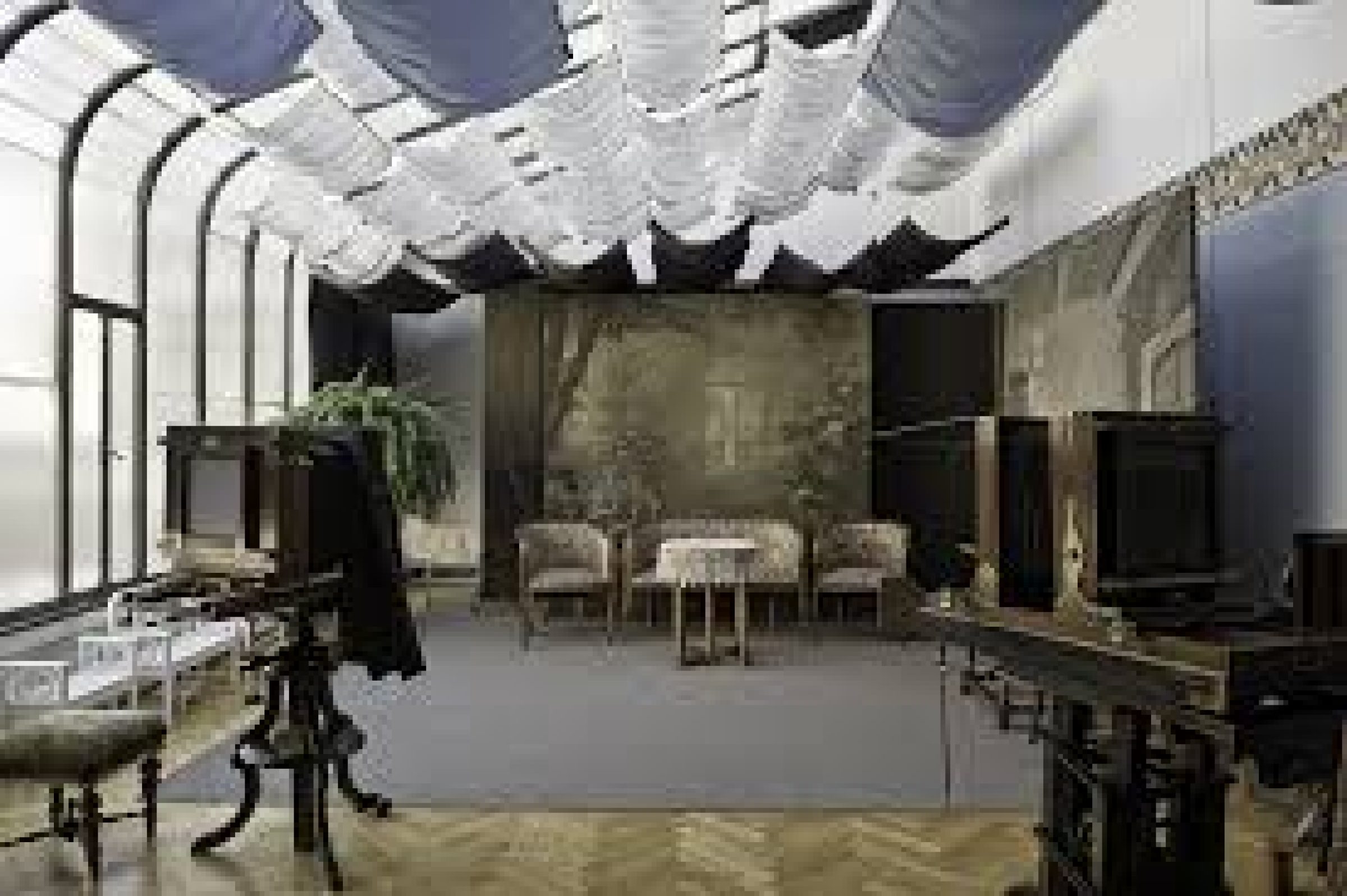
One of the greatest charms of travelling and exploring towns is that it lets us get to know up close the lifestyle and soul of their inhabitants. Through this lens we come to understand the foundations on which the architecture and way of life, everyday habits and festive customs developed.
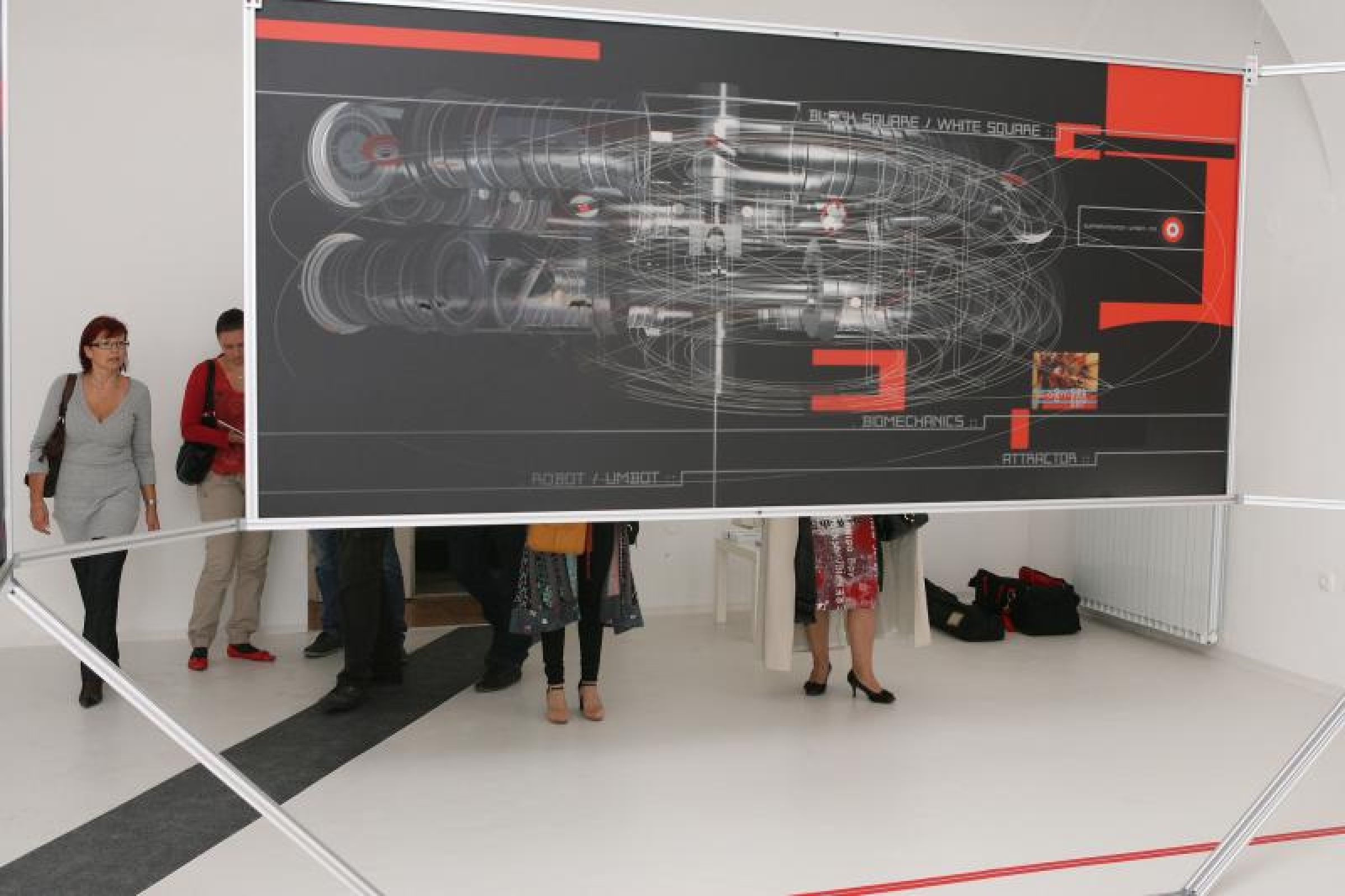
With its representative exhibition spaces in the Princes' Court, it is dedicated to larger, study-based, thematic and survey exhibitions of recent and contemporary fine art by domestic and foreign artists.
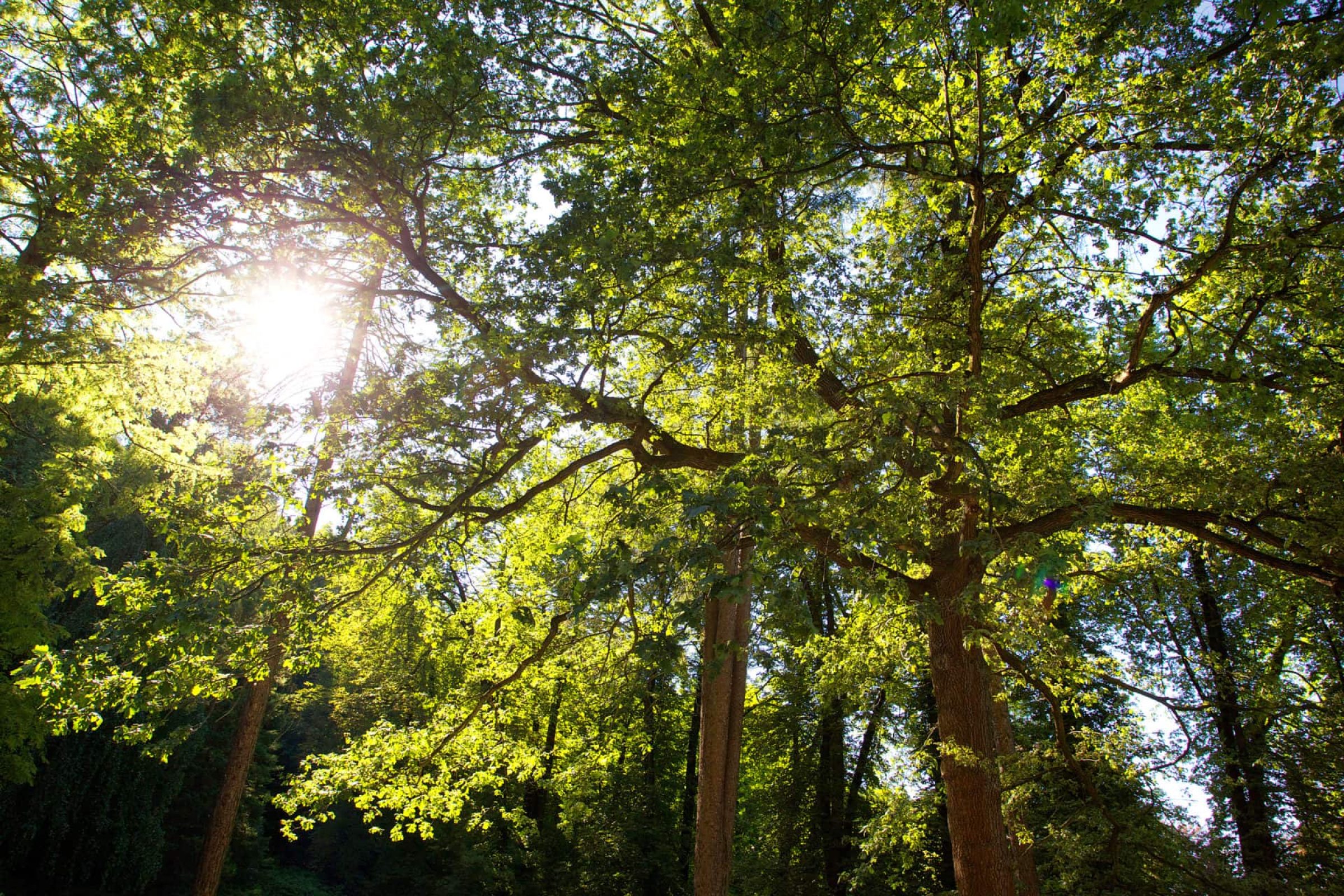
Horse chestnut trees, the sound of the river and meeting old acquaintances in nature are the main draw of Celje City Park, once known as the Savinja Meadow.

The church and Capuchin monastery were built at the wish and with the alms of the faithful. The foundation stone was laid on 25 October 1609. The church was consecrated to St Cecilia by the Bishop of Ljubljana Tomaž Hren on 14 November 1615. The monastery was enlarged in 1910, and in 1911 chapels were added to the church.
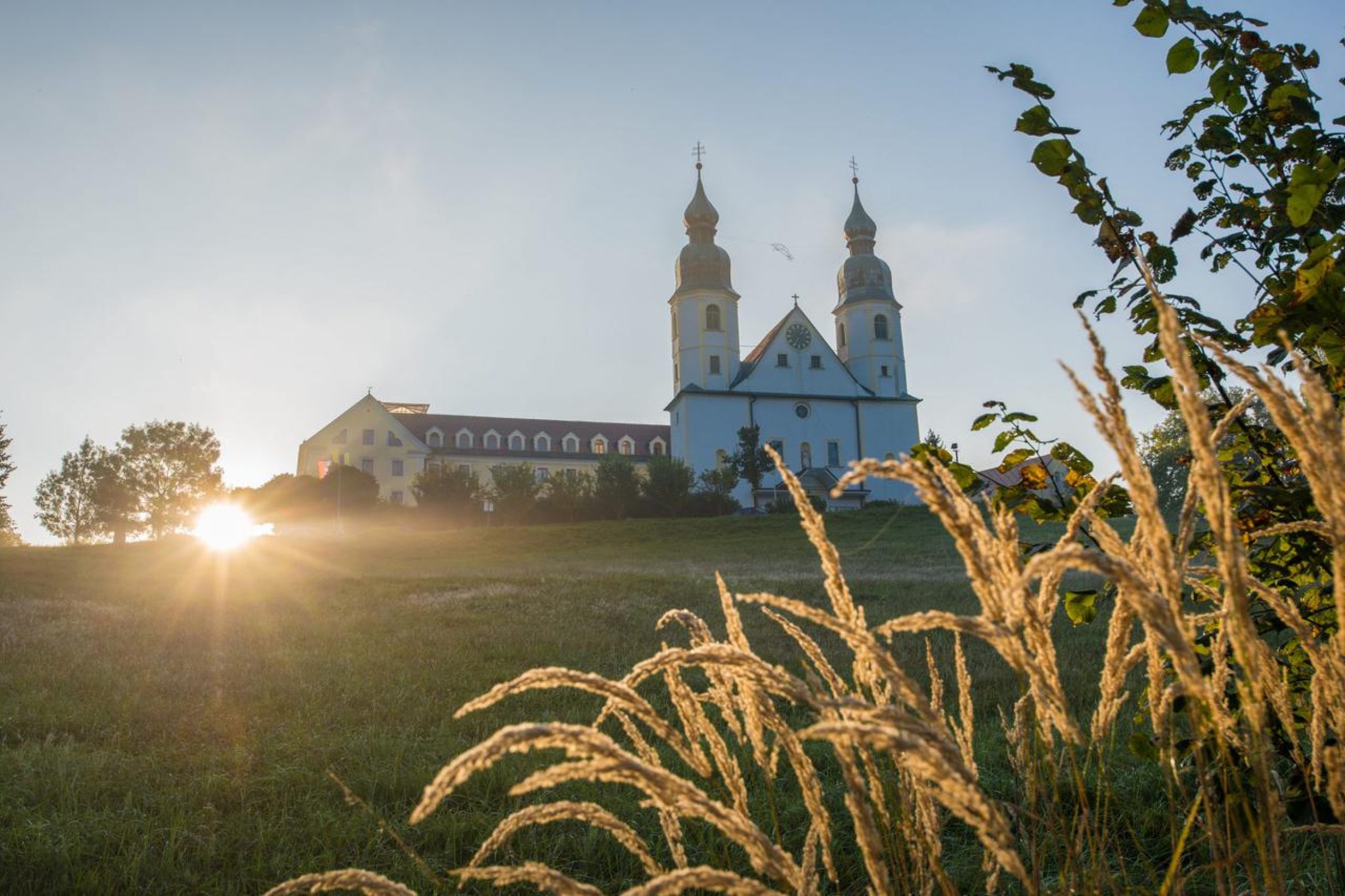
On St Joseph's Hill in Celje, with God's blessing and the dedication of all who live and work here, a diverse range of activities has developed over the course of two good decades, which we divide into three areas. The oldest is the spiritual and educational activity, which has been operating since 1997. We prepare our own programmes of spiritual exercises, training for pastoral co-workers, adult education, cultural events, concerts and courses.
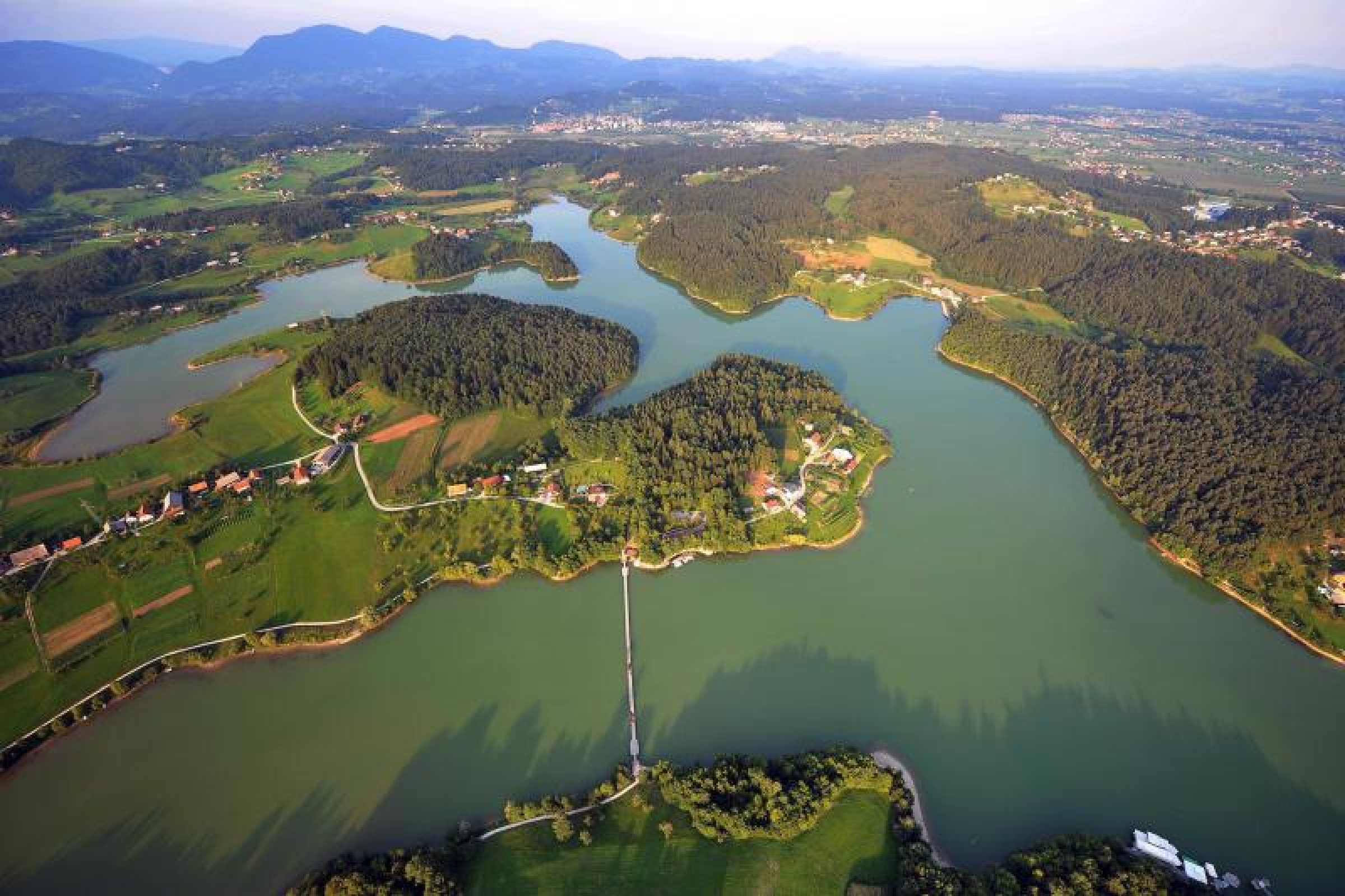
Šmartinsko Lake lies in the immediate vicinity of Celje and, with its varied shoreline and interesting surroundings, is an attractive excursion spot. It was created in 1970 and covers 113 ha of water surface. In addition to its original function as a flood-retention reservoir, the lake and its surroundings have over the years turned into a recreational, sports and tourist area that grows more popular year after year.
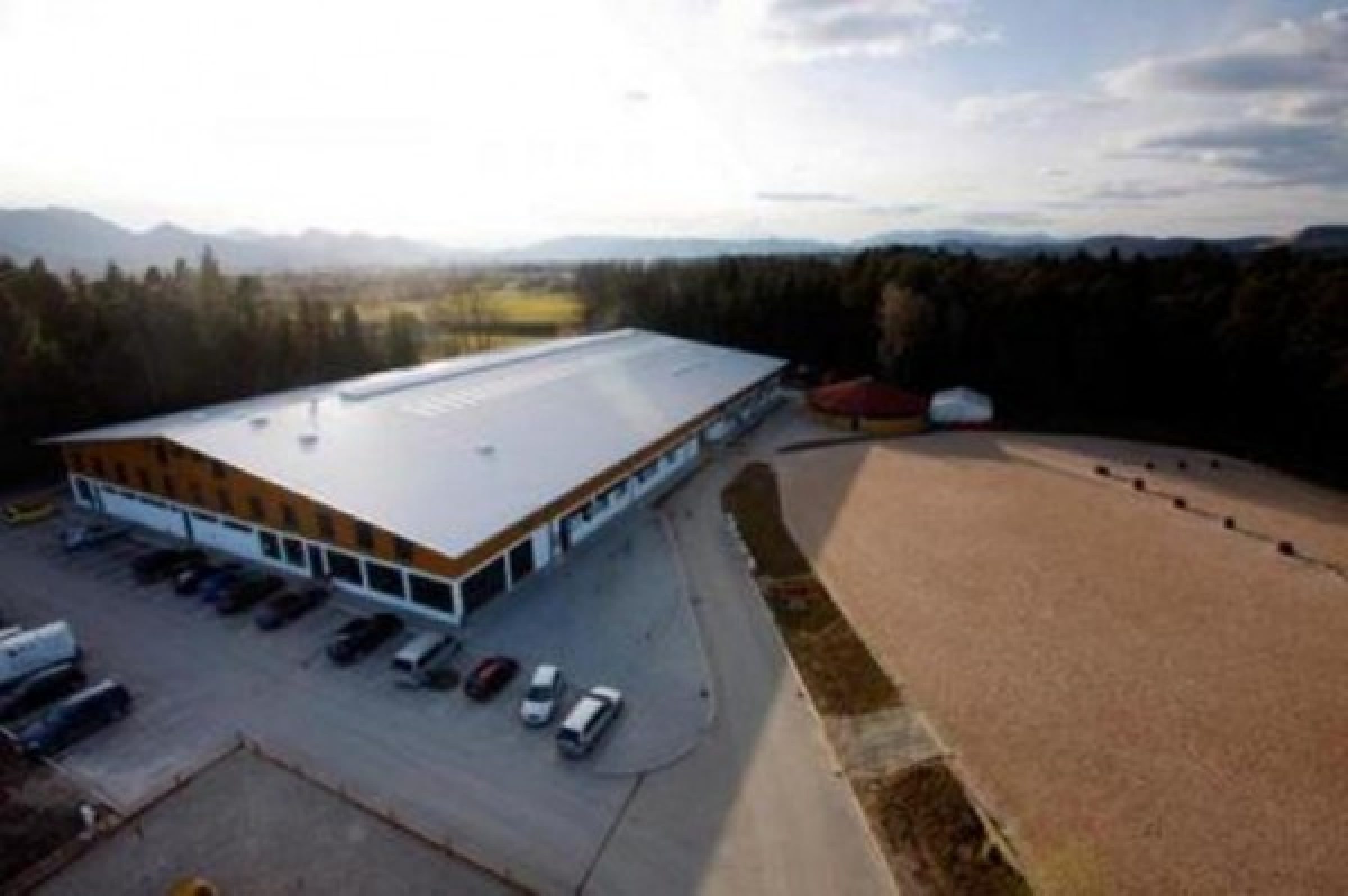
The covered riding arena and outdoor riding ground, together with the accompanying facilities, provide excellent conditions for equestrian activities regardless of the season.
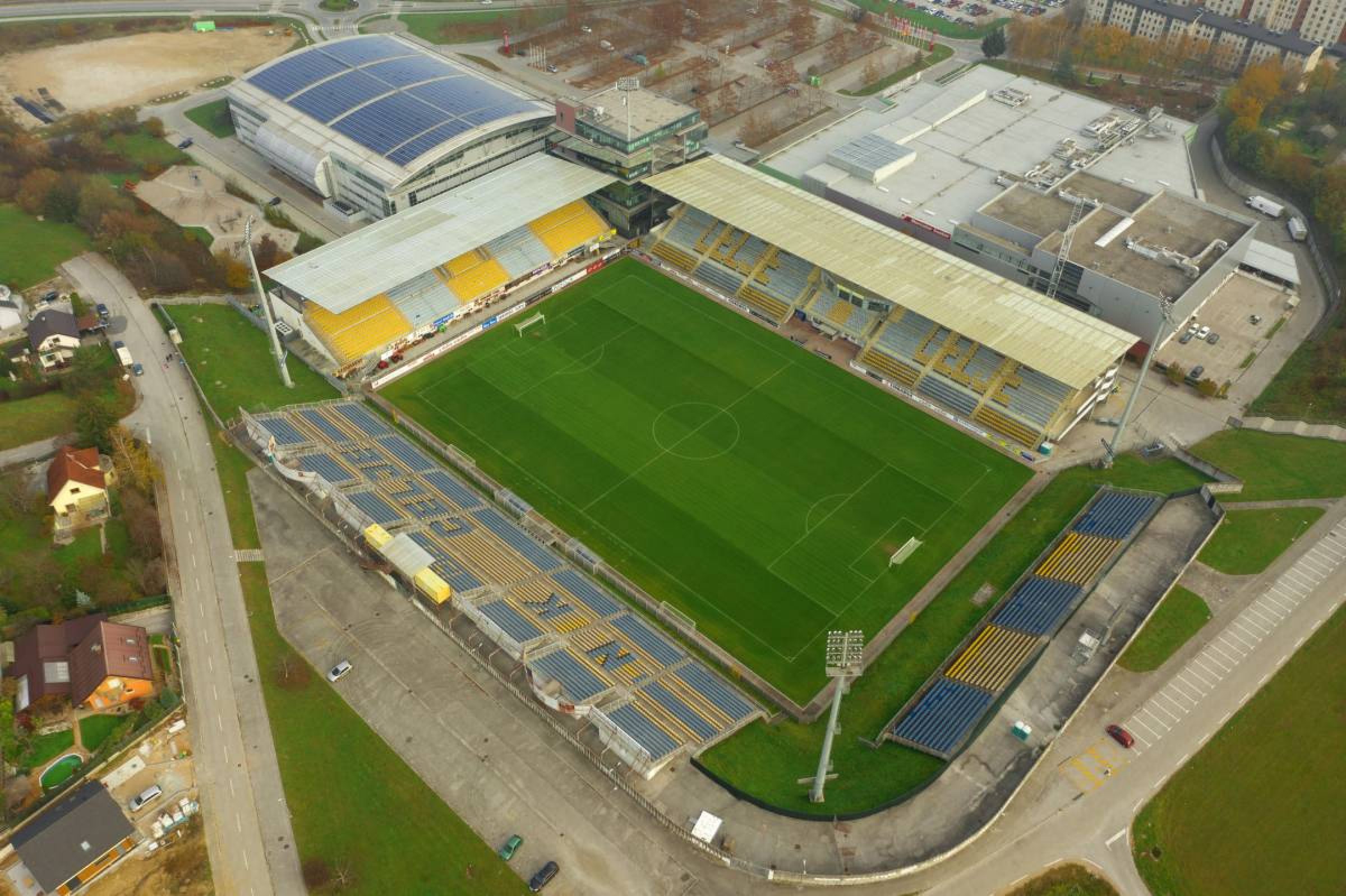
The stadium in the sports park below Golovec, which since 2005 has borne the sponsorship name Z'dežele, ranks among the most modern football and sports facilities in Slovenia. Construction of the stadium in the former abandoned Opekarniška jama clay pit began in 1999, and it was put into use with the completion of the main eastern stand on 9 September 2003, when a friendly match between the youth national teams of Slovenia and France (0:0) was played there. The official opening of the stadium took place three days later, at a championship match between the then CMC Publikum and Ljubljana (3:1), when Simon Sešlar also scored the first goal at the new stadium.
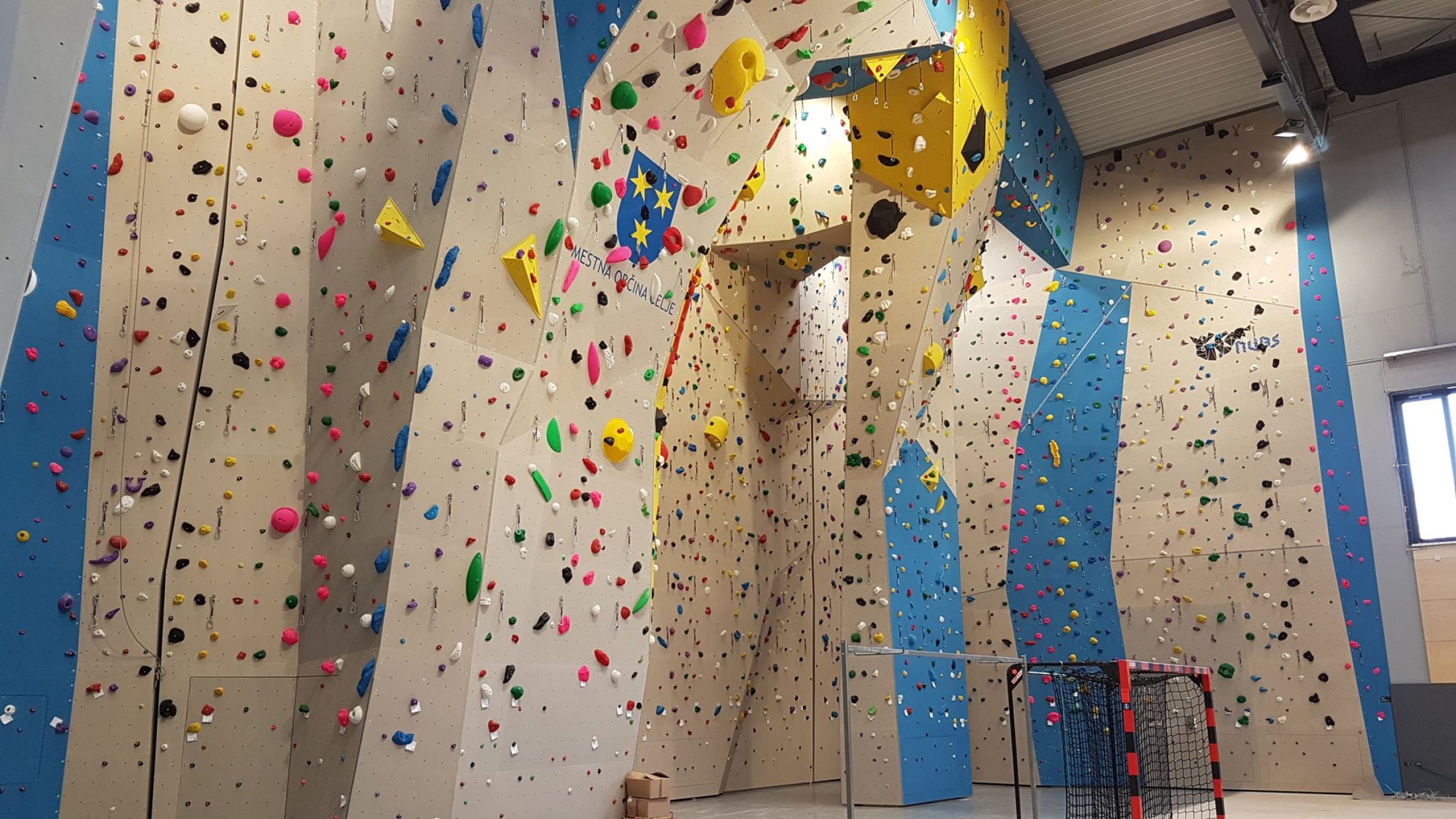
The Celje Climbing Centre in the gym of the 1st Primary School invites you to test your strength and body control! You can climb on almost 1000 m of climbing surfaces.