
Strniš Mill
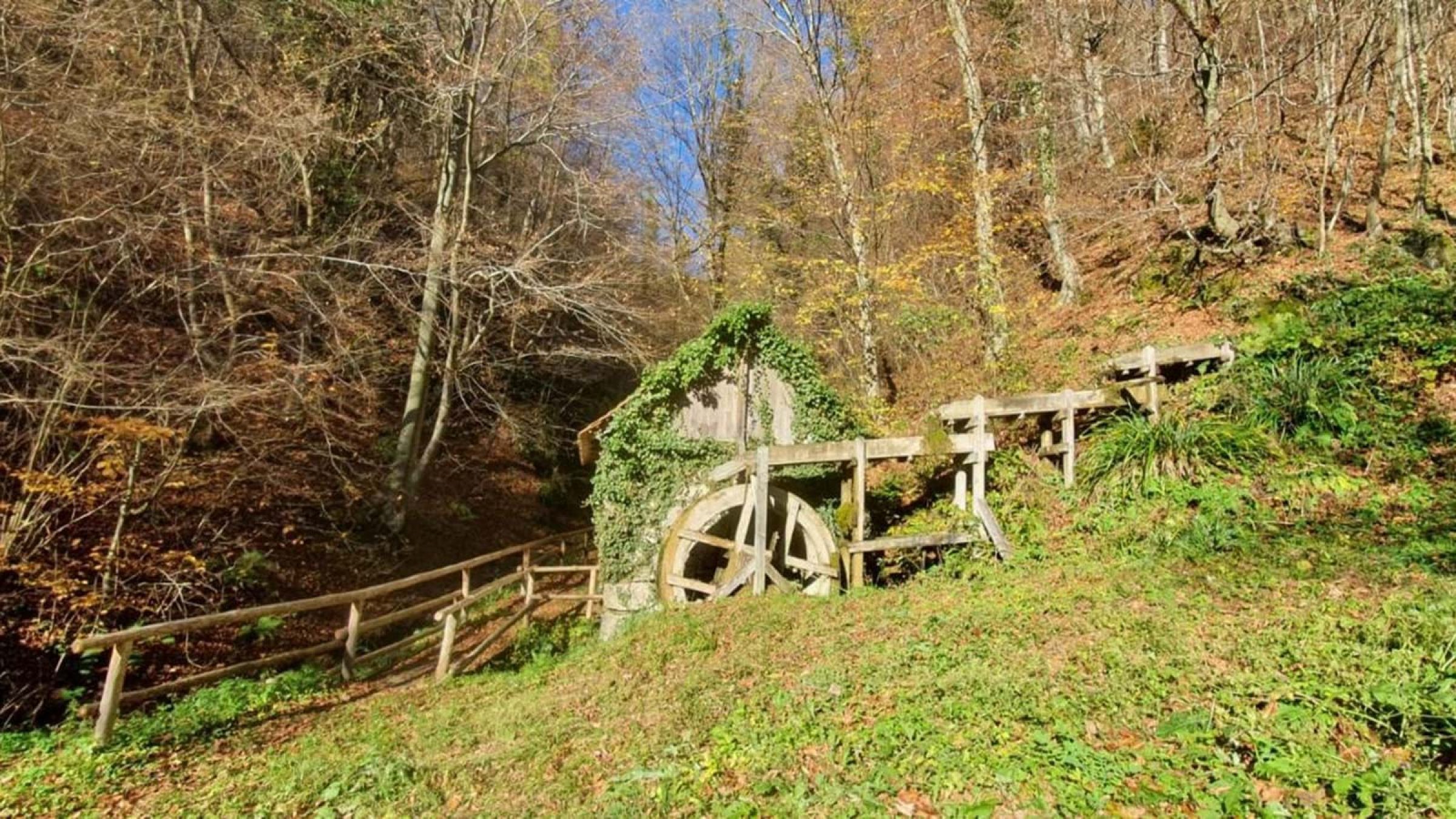
Along the Kostrivnica Tourist Water Trail, more precisely in the Dreveniški stream below the Church of St. Leonard, lies the Old Mill, or the Strniš Mill, as the locals know it.
Along the Kostrivnica Tourist Water Trail, more precisely in the Dreveniški stream below the Church of St. Leonard, lies the Old Mill, or the Strniš Mill, as the locals know it.
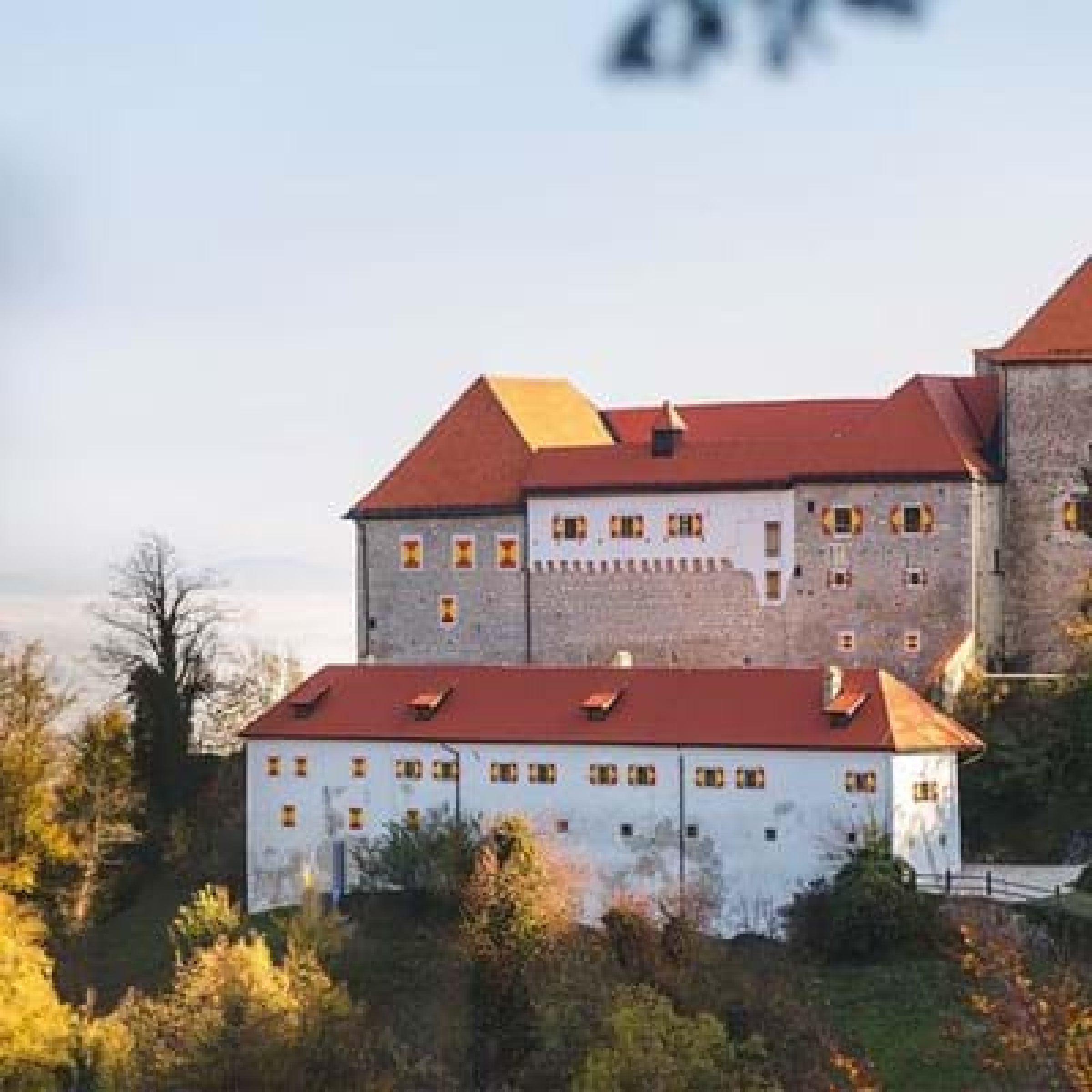
One of the few cultural monuments of the Romanesque period.
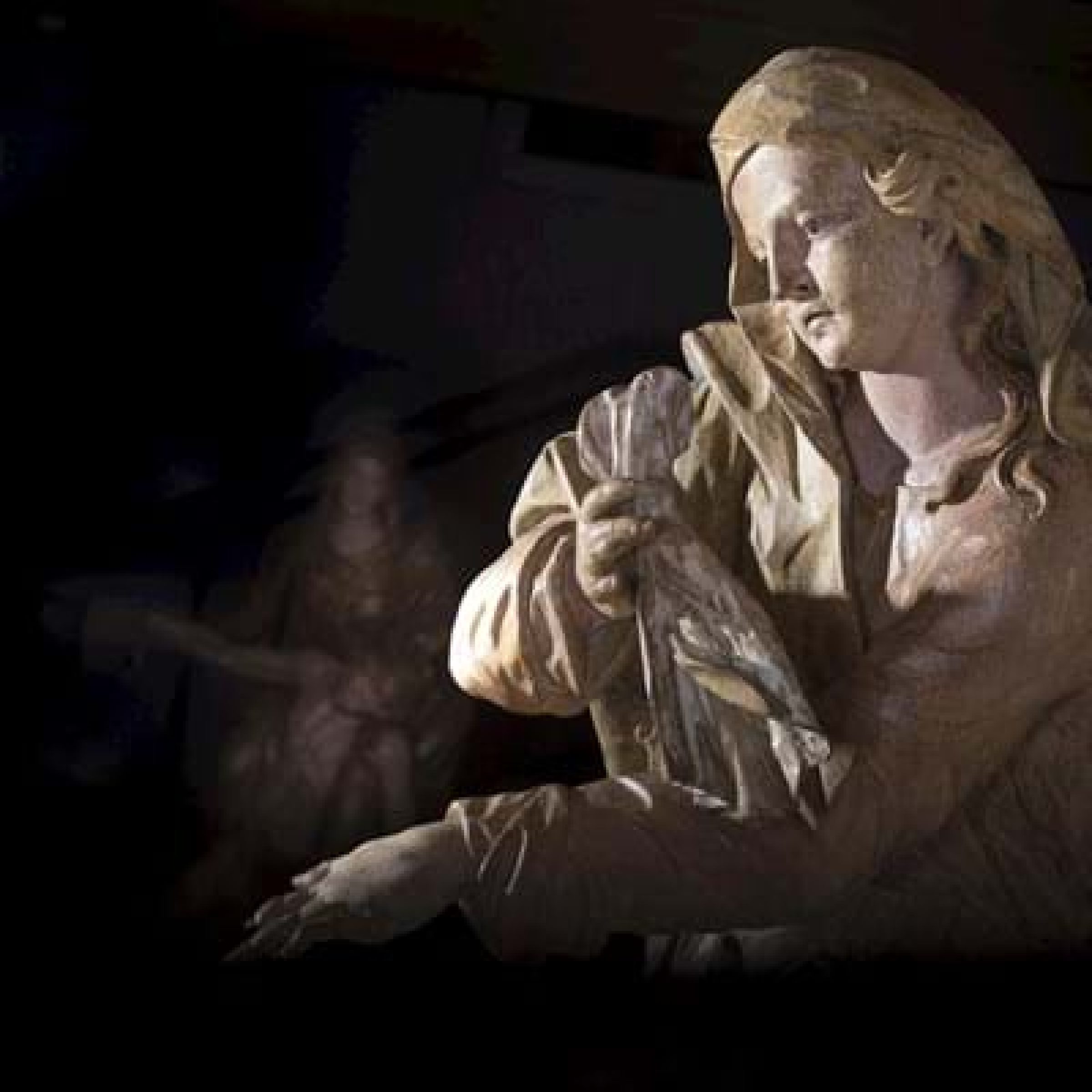
The collection reveals the secret of almost 300-year-old original polychrome wooden statues.
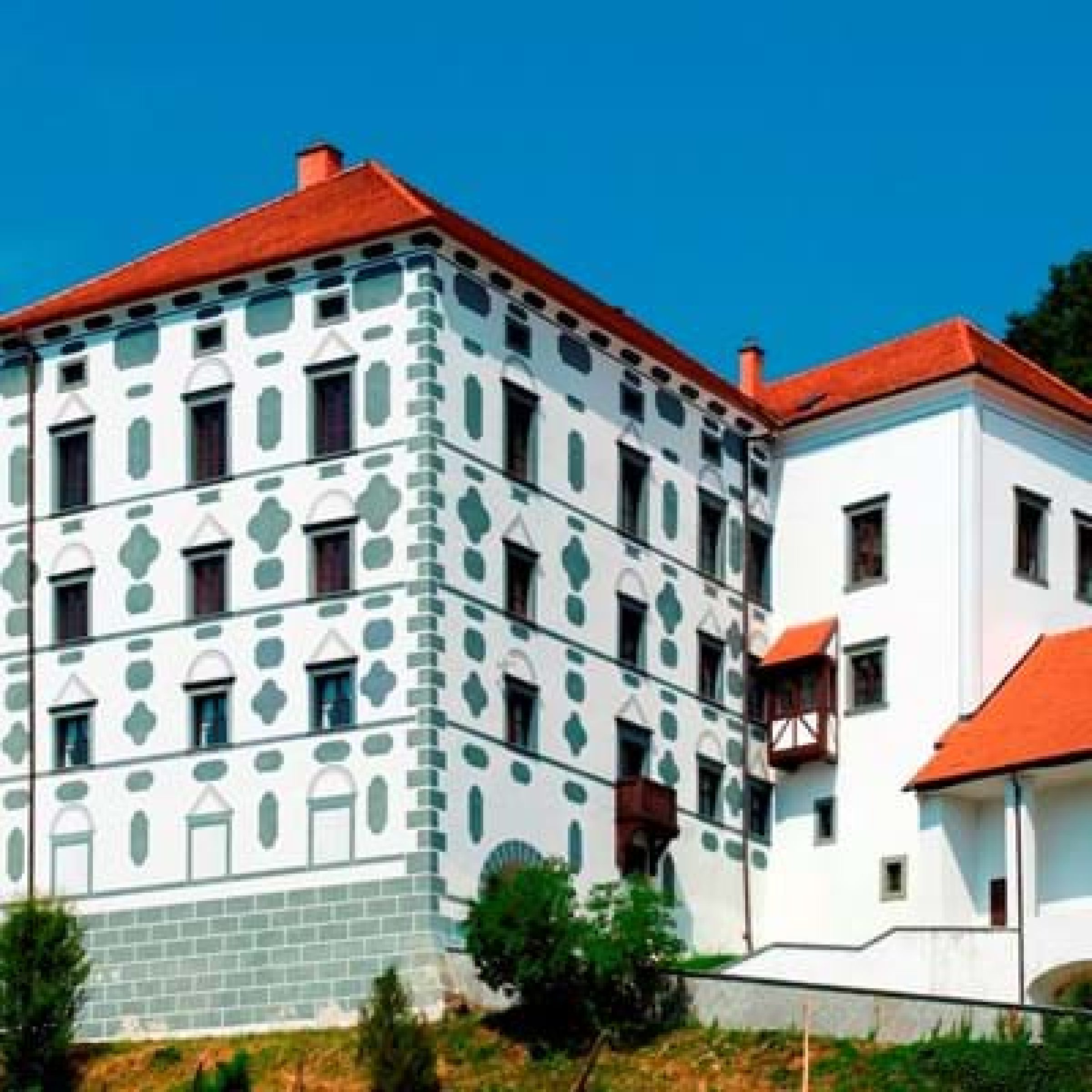
The castle complex was first mentioned in 1436. The Counts of Celje gave the tower to Jakob Strmolski from Cerklje na Gorenjskem. Numerous concerts, theatre plays and exhibitions take place here.
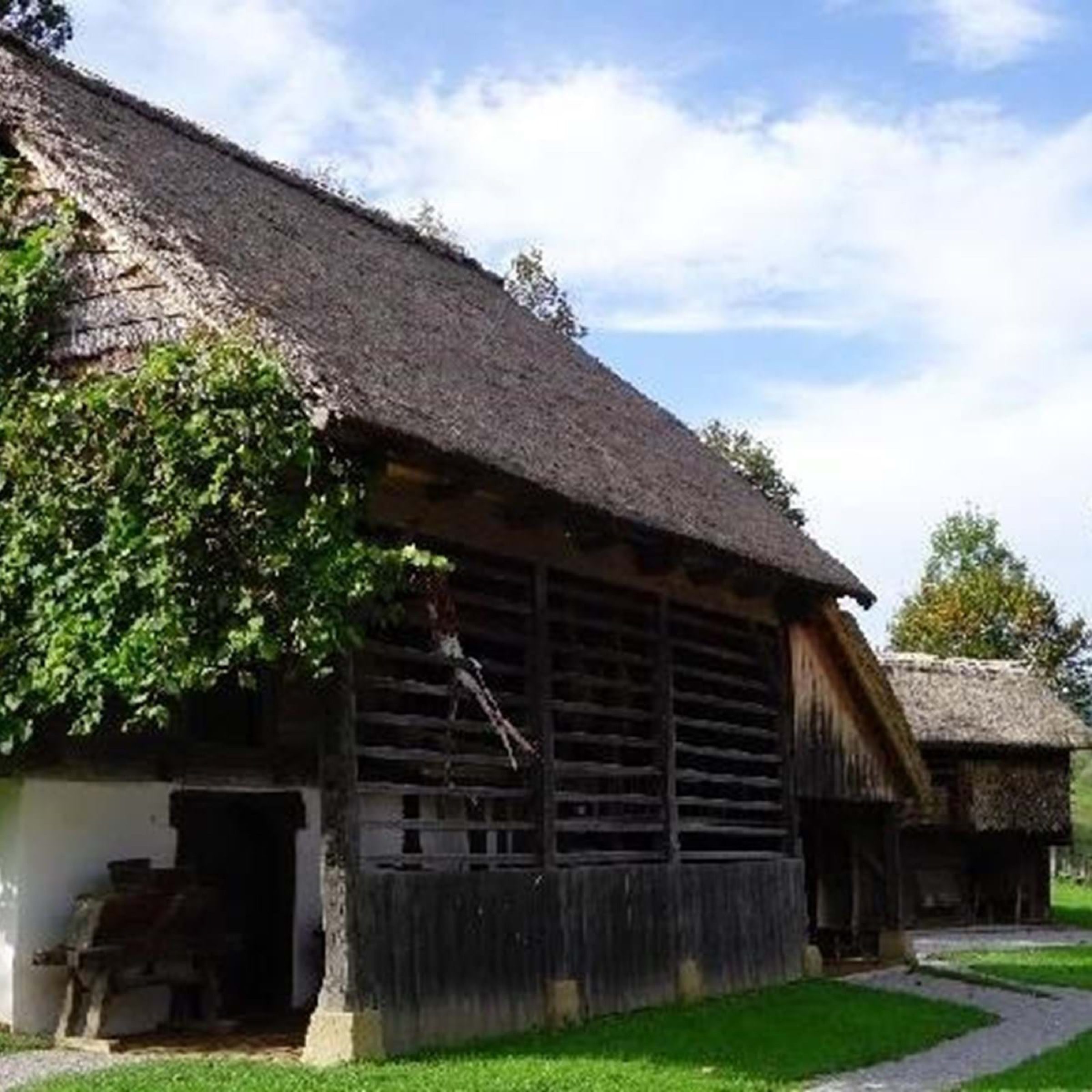
The Rogatec Open-Air Museum, located at the foot of Donačka gora in the authentic Styrian landscape, preserves the folk building heritage and cultural traditions of the people who lived in the Obsotelje region from the late 19th to the mid-20th century. Its core consists of original buildings and reconstructions of craft and farm buildings.
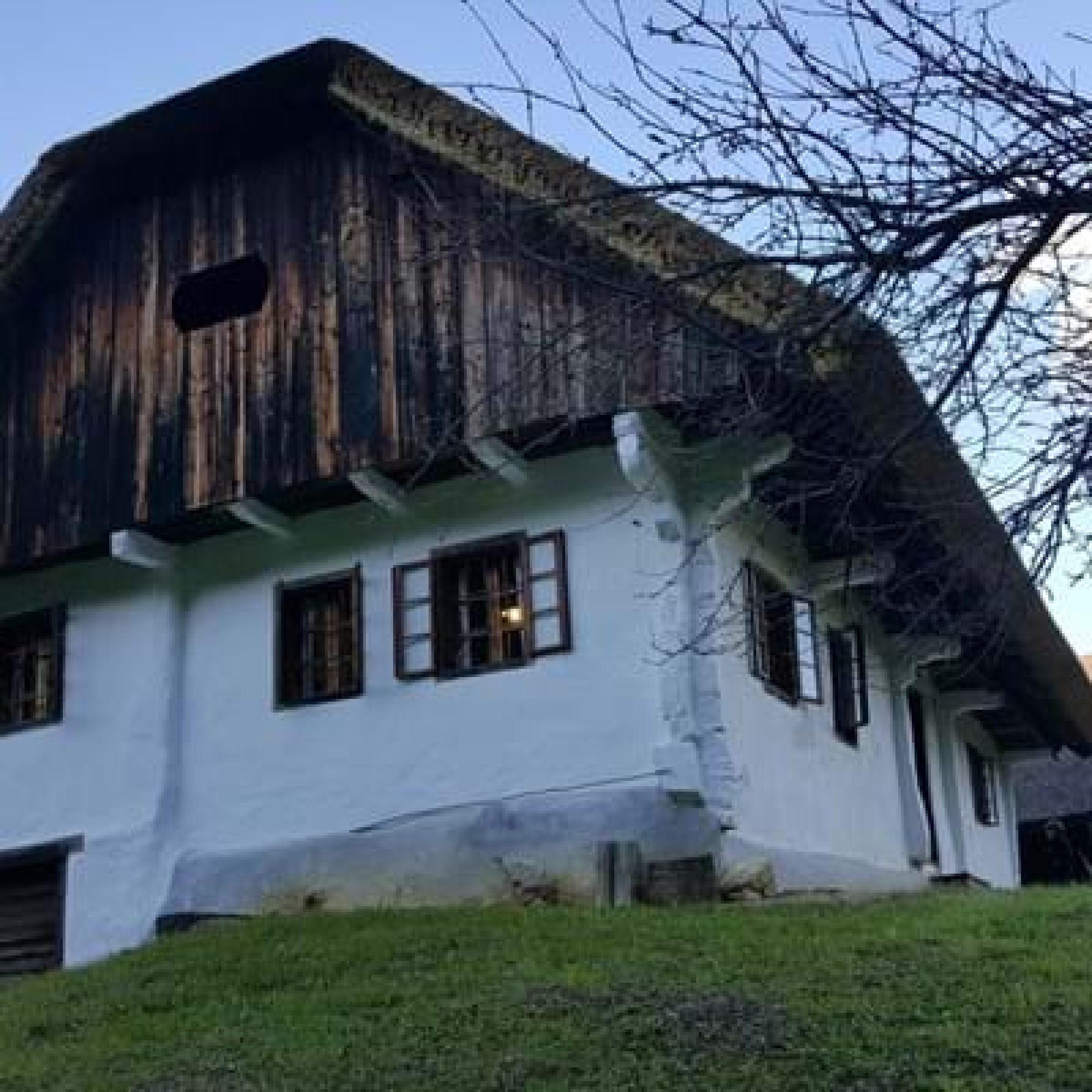
The monument-protected Junež homestead is an open-air ethnographic museum comprising a farm building, a partially enclosed double hayrack and an apiary, as well as a restored old farmhouse with a black kitchen from the 19th century, with original indigenous furnishings and the inventory of that time.
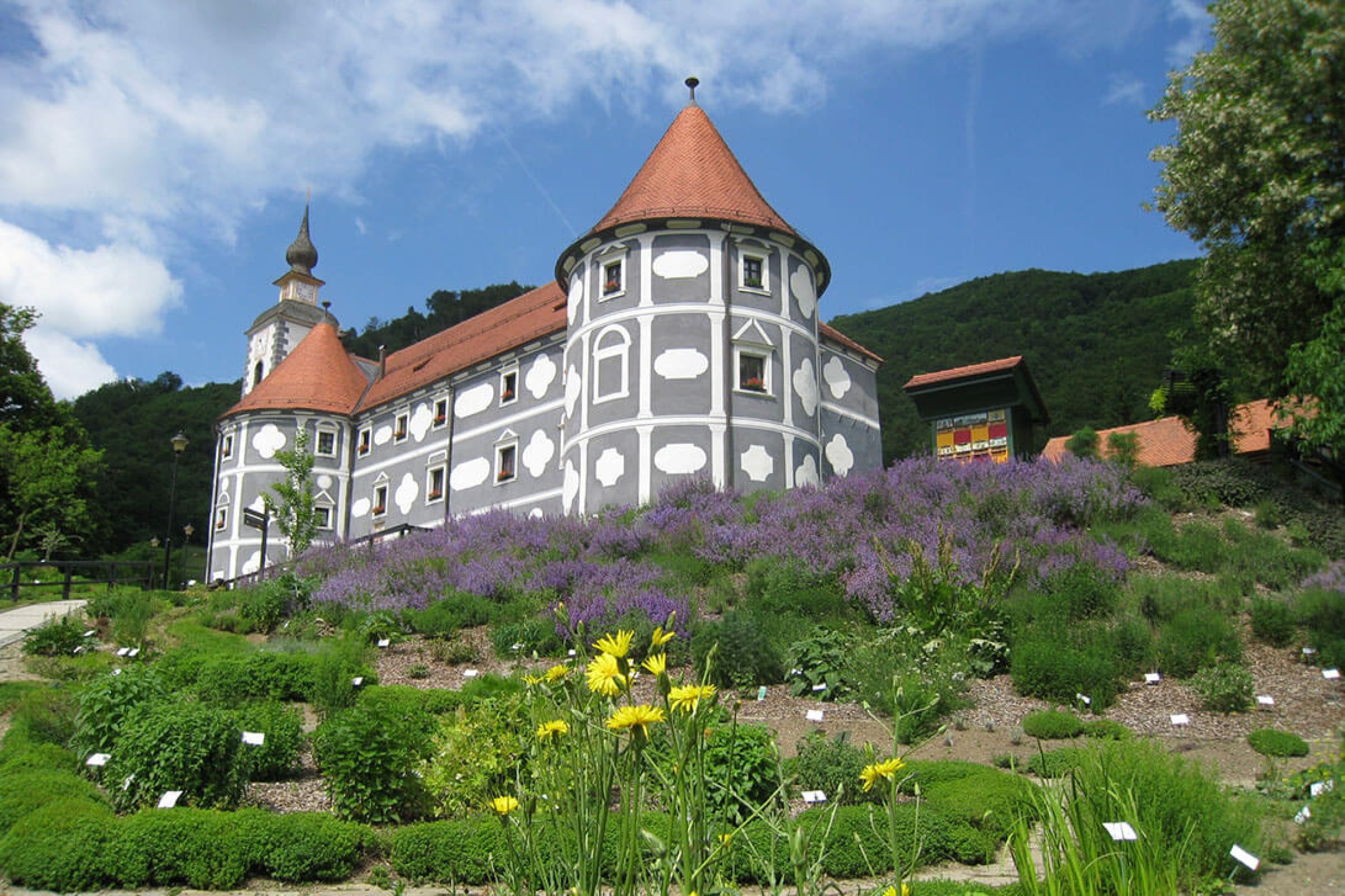
The small village of Olimje lies in the shelter of Mount Rudnica, within the Kozjansko Park. Its grandeur comes from a beautiful manor, once owned by the Counts of Attems and now by the municipality of Podčetrtek, which today has been transformed into a recognisable monastery, home to the Friars Minor of St. Francis – the Minorites. Beside it stands the magnificent Church of the Assumption of Mary, one of the most beautiful Baroque works of art in our homeland.
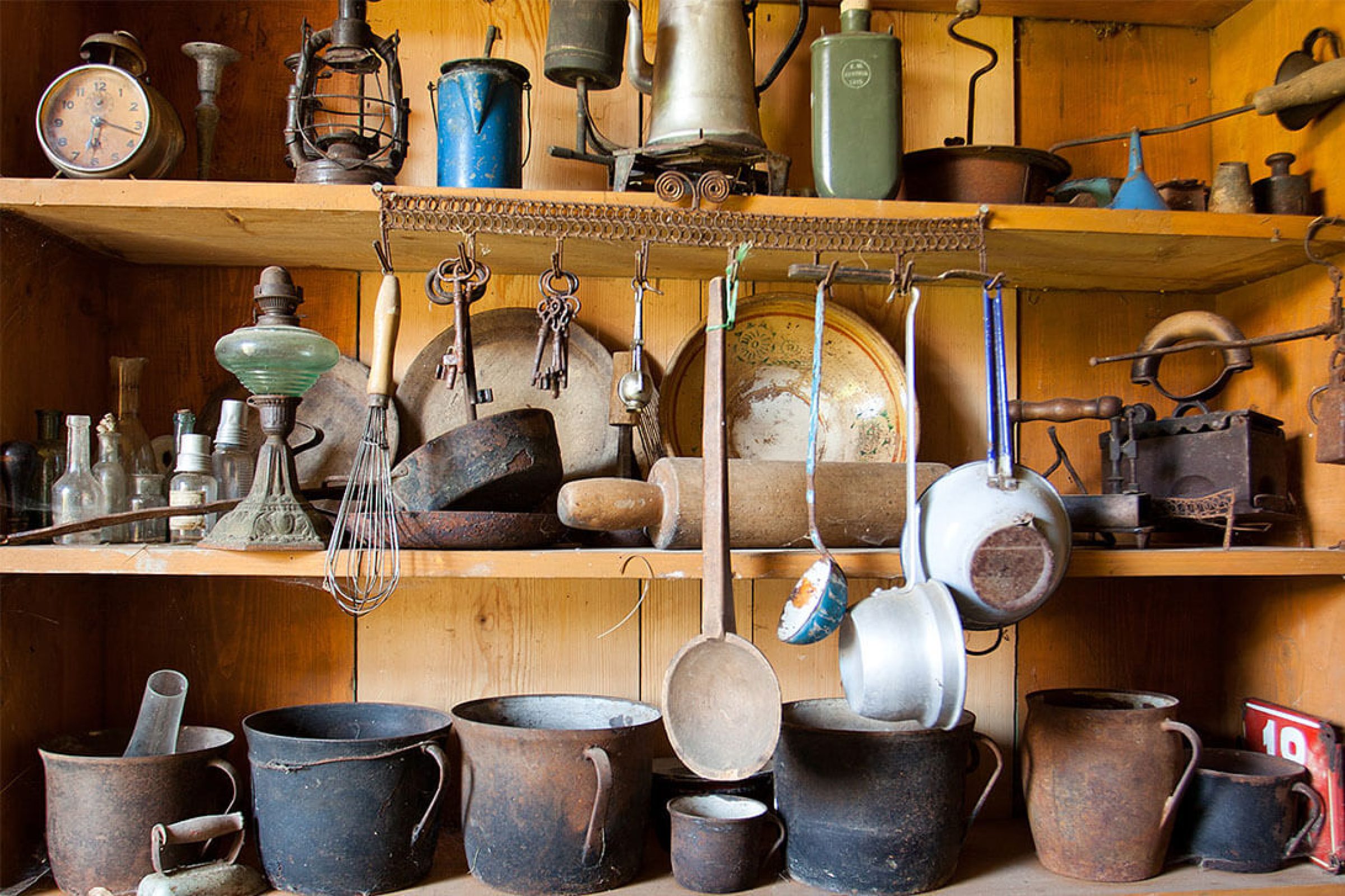
The interesting ethnological collection of the Museum of Farm Equipment presents life in the countryside in the past and the implements used by the humble rural folk. The collection is enriched by over 4,000 exhibits, some of which are of exceptional age and are true masterpieces. The museum collection is among the richest in this part of Slovenia and is certainly worth your visit.
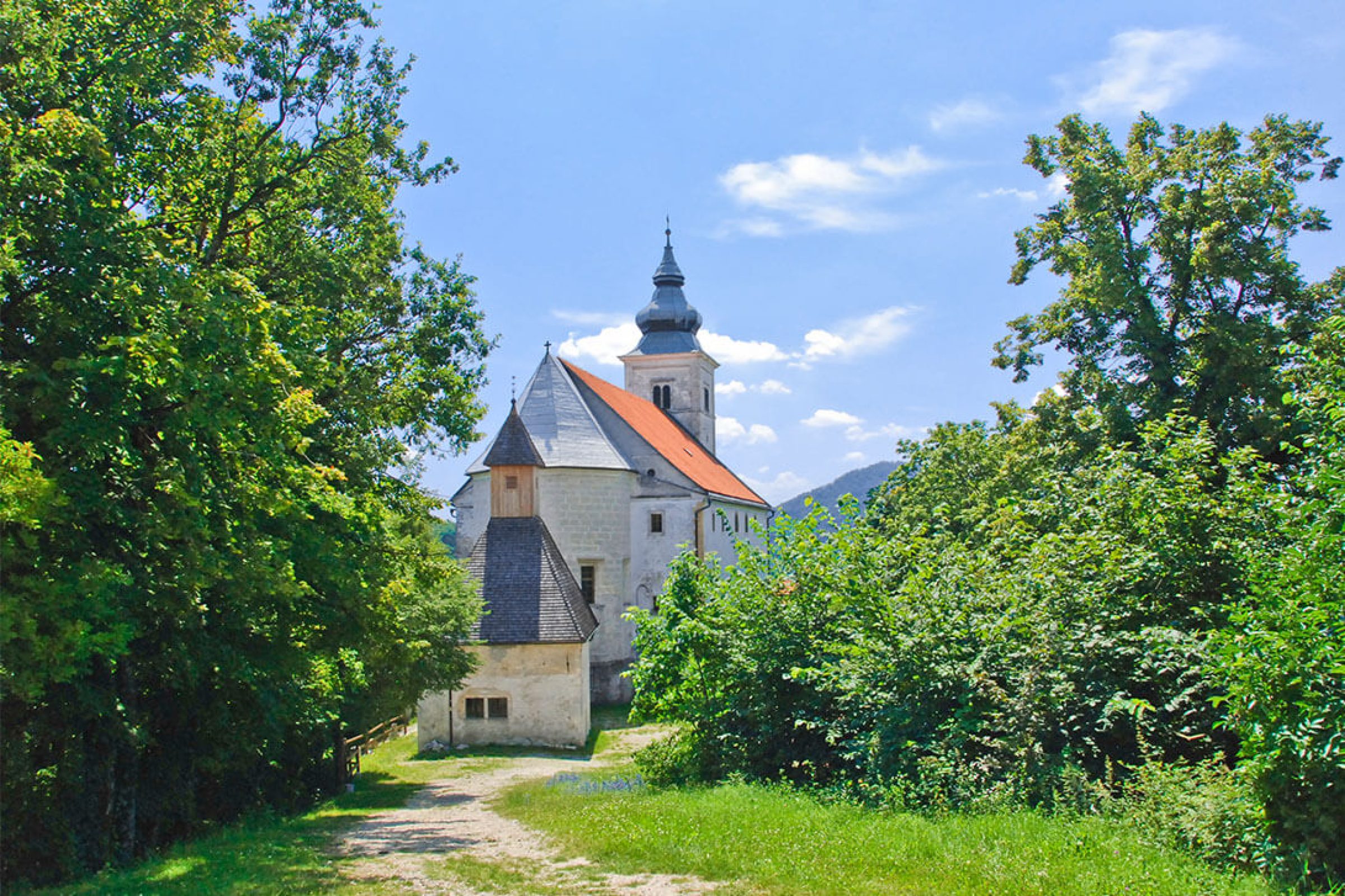
From the top of the 527 m high hill called Svete gore, the view stretches far into the Croatian Zagorje, past Donačka gora and Boč all the way to Pohorje. More than the view from the top, however, what stirs the imagination of all visitors is the ridge, along which five shrines descend: the Lourdes chapel, the chapel of St. Sebastian and St. Fabian, the Church of Mary dedicated to the Nativity of Mary, and the chapels of St. George and St. Martin.
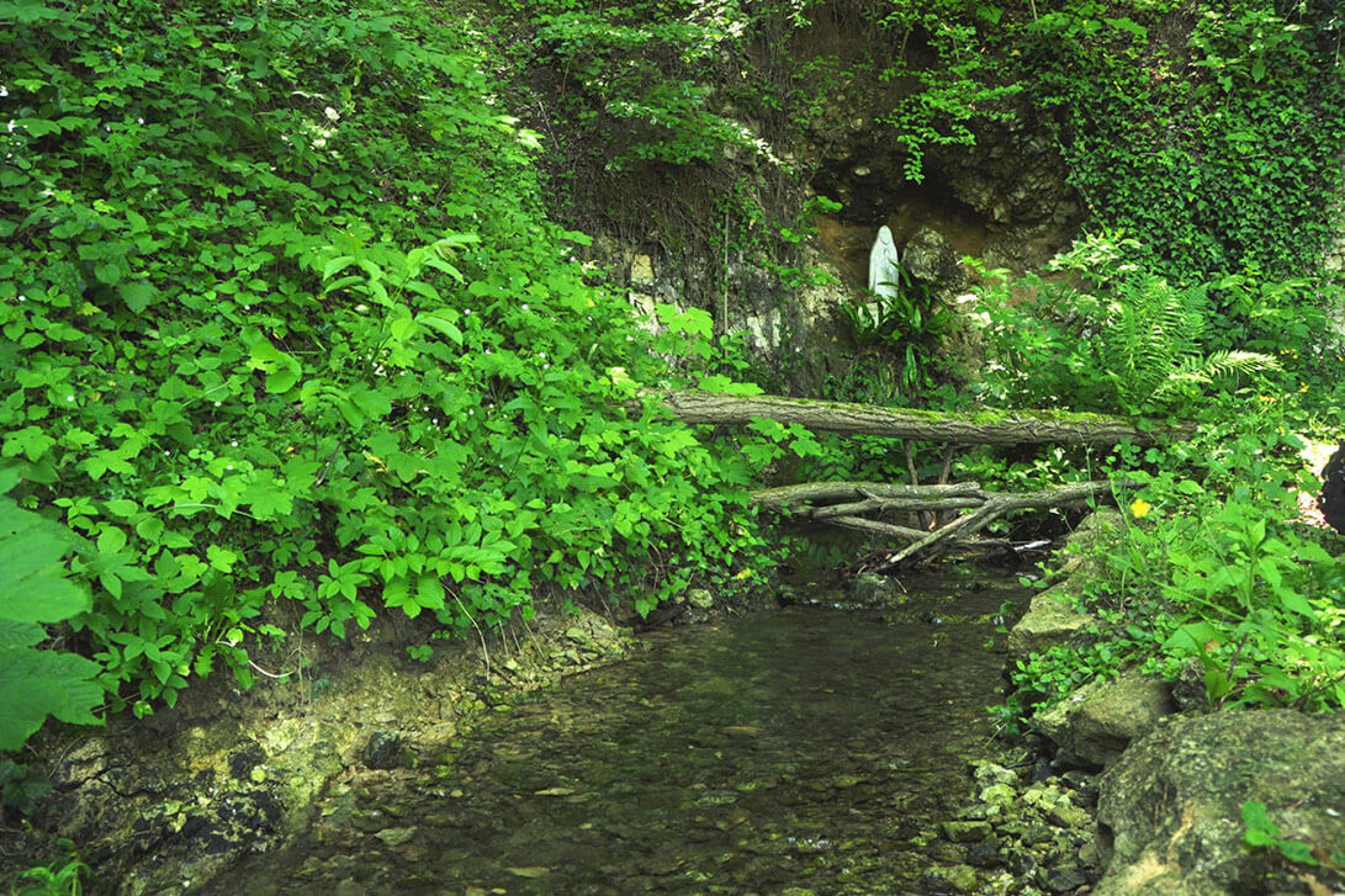
The Davjek Karst Spring is located in the isolated karst of Kozjansko Park. Karst springs are characterised by large fluctuations in flow and occasional turbidity during high water. It measures 1 m in diameter and continues into a stream, where there is then another smaller spring that is also used for drinking. The stream flows into the river Sotla. The hollow itself is about 10 m long and 8 m wide. The spring was formed at the contact between the slope and the surrounding plain, namely at the contact between permeable limestone and impermeable marl. Davjek is a wonderful example of a cave and karst spring, also suitable for a picnic, walks in the surroundings and small gatherings.
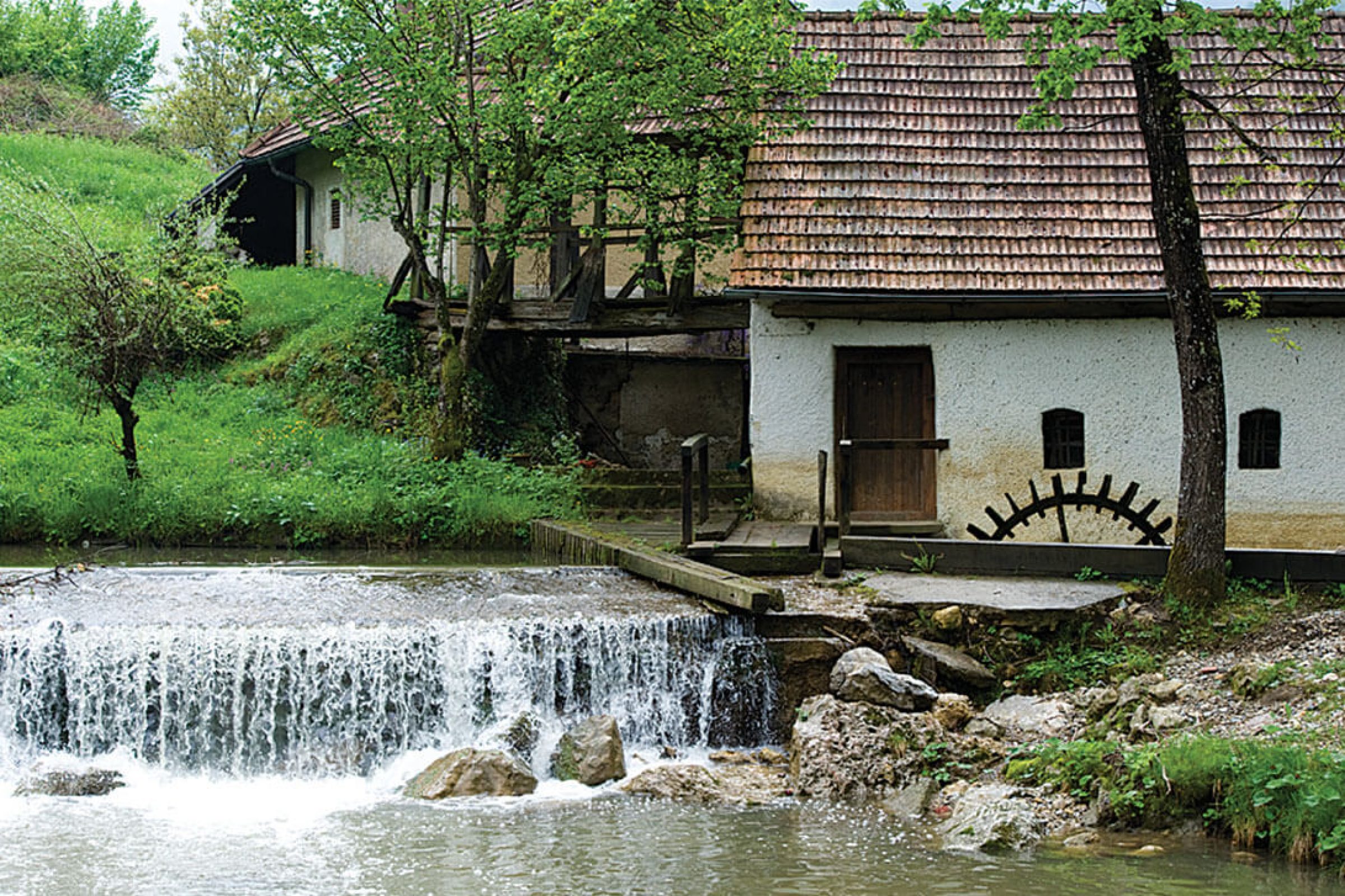
The Levstik Mill, or today's residential house with a mill, was built in the mid-19th century parallel to the channel of the river Bistrica. The left part housed a dwelling, while the right part held the mill, which comprises just one room. It contains two milling mechanisms for white and mixed flour, with the mill driven by undershot water. The mill is first mentioned in sources in a document from 1801. You can view the mill building, in which two milling mechanisms stand, along with a demonstration of grain milling and the operation of the entire mill.
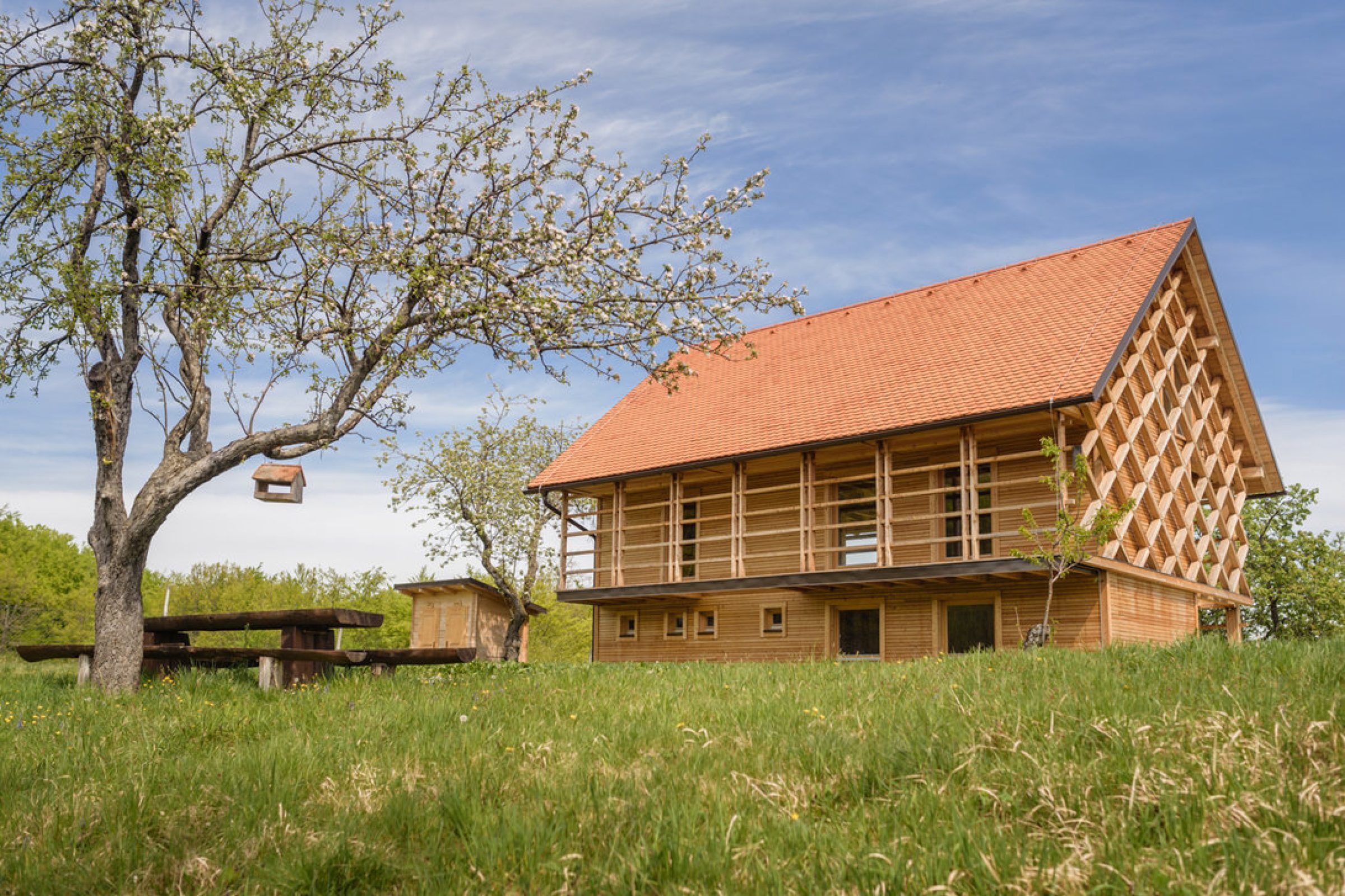
At the Collection Orchard of Kozjansko Park you can see the nursery, the high-stem meadow orchard and the Čerček homestead, where more than 100 traditional varieties of apple and pear trees are planted. The main collection orchard extends over 2.3 ha and is cultivated according to the principles of organic farming. Each tree in the orchard is labelled with the name of the variety (both in Braille). The orchard has habitats for beneficial organisms – insect hotels, nesting boxes and bird feeders – and various studies of fauna and flora, workshops, practical demonstrations, and nature and project days are also carried out there.