Interactive thematic map of places worth seeing in Kozjansko.
⇦ Sort GEO points by distance from your location
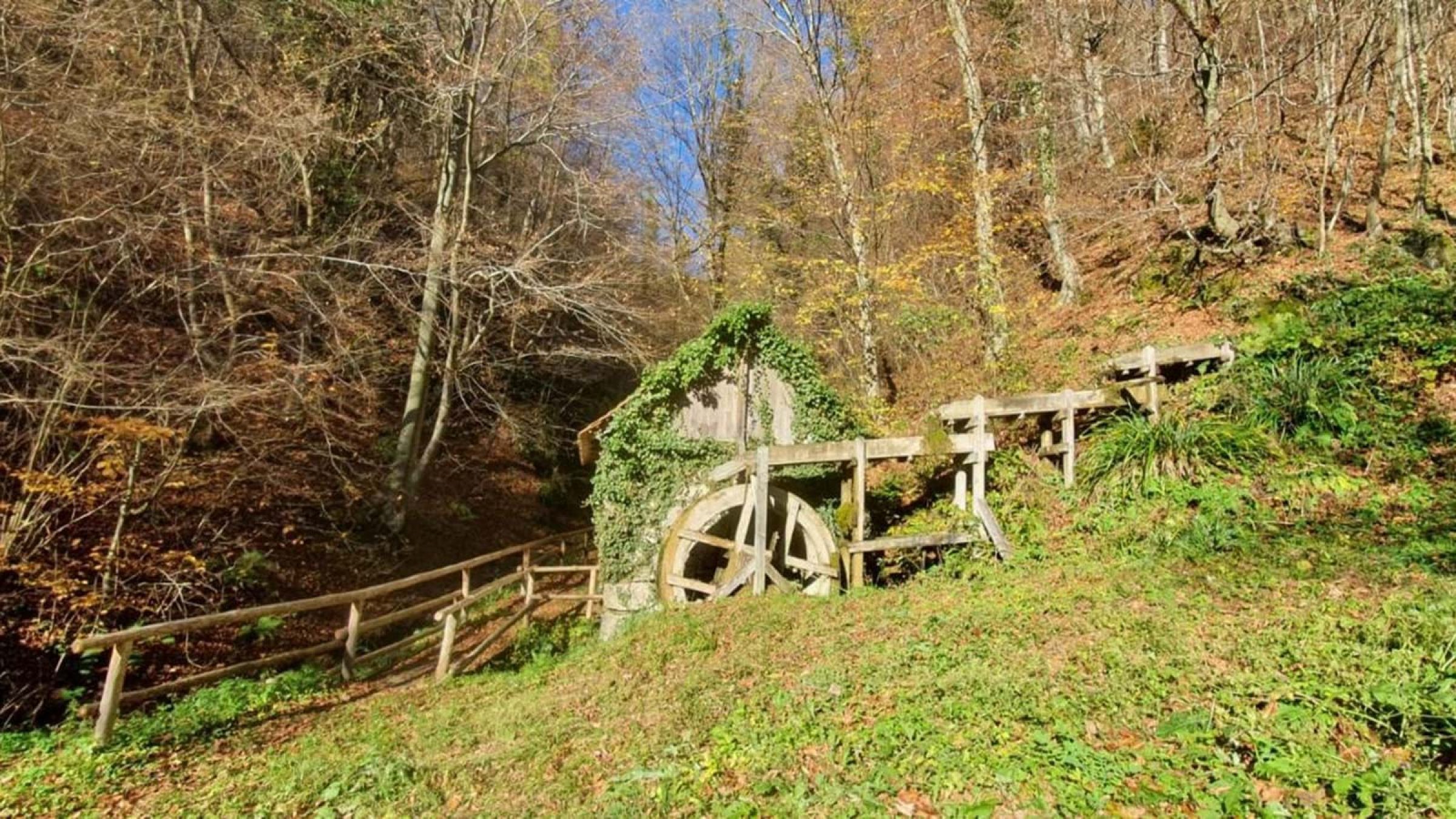
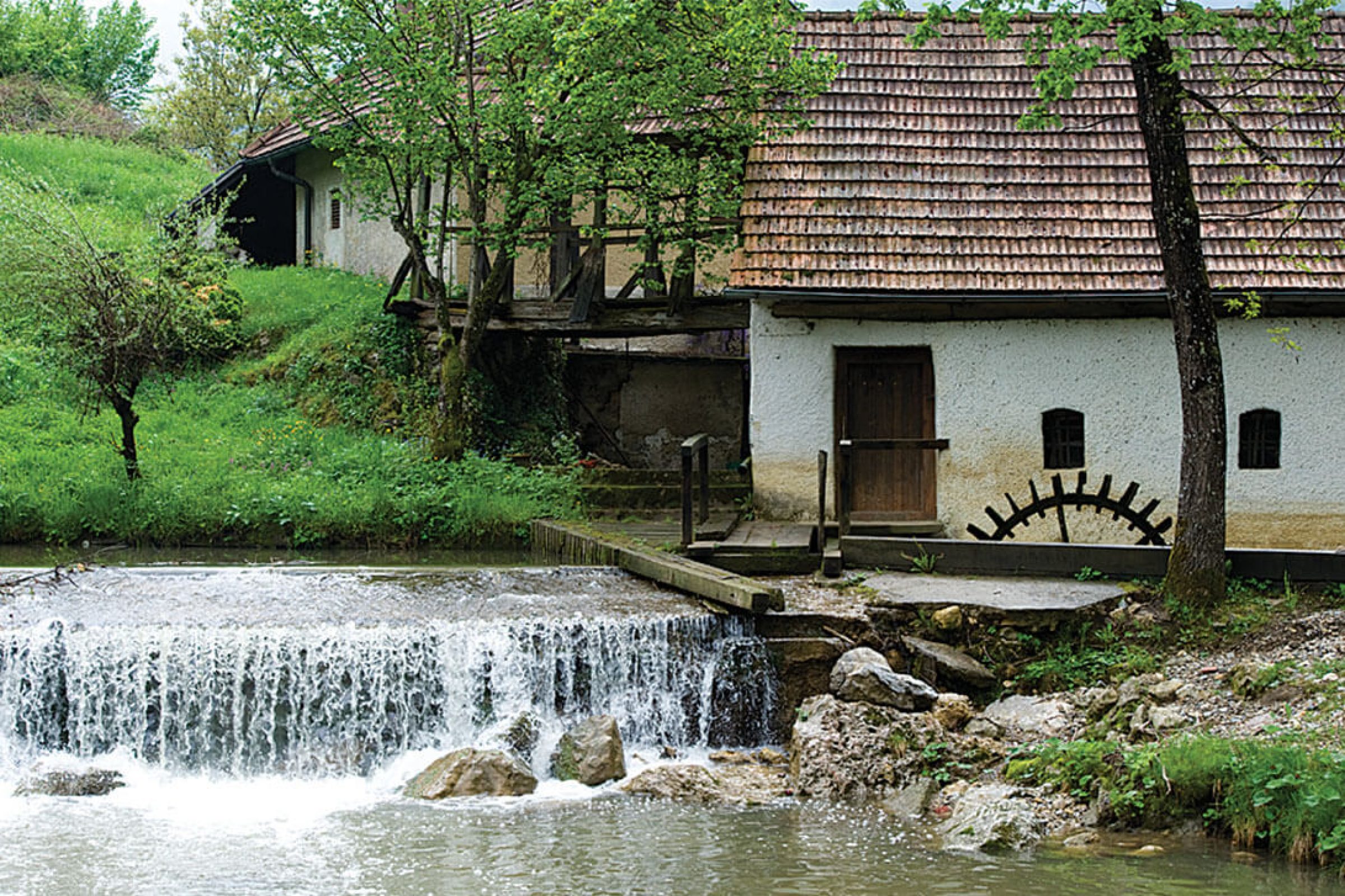
Strniš Mill
Along the Kostrivnica Tourist Water Trail, more precisely in the Dreveniški stream below the Church of St. Leonard, lies the Old Mill, or the Strniš Mill, as the locals know it.
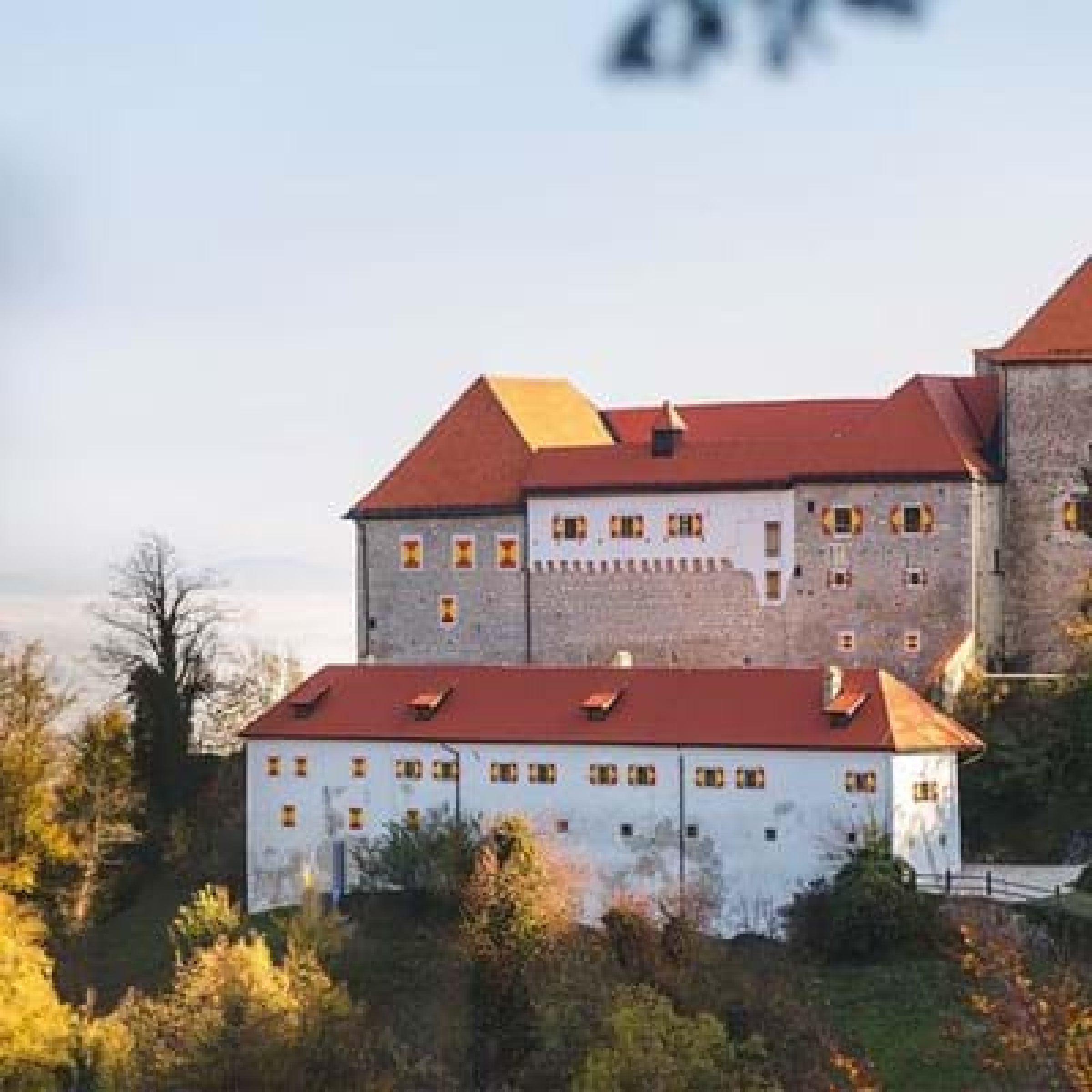
Podsreda Castle
One of the few cultural monuments of the Romanesque period.
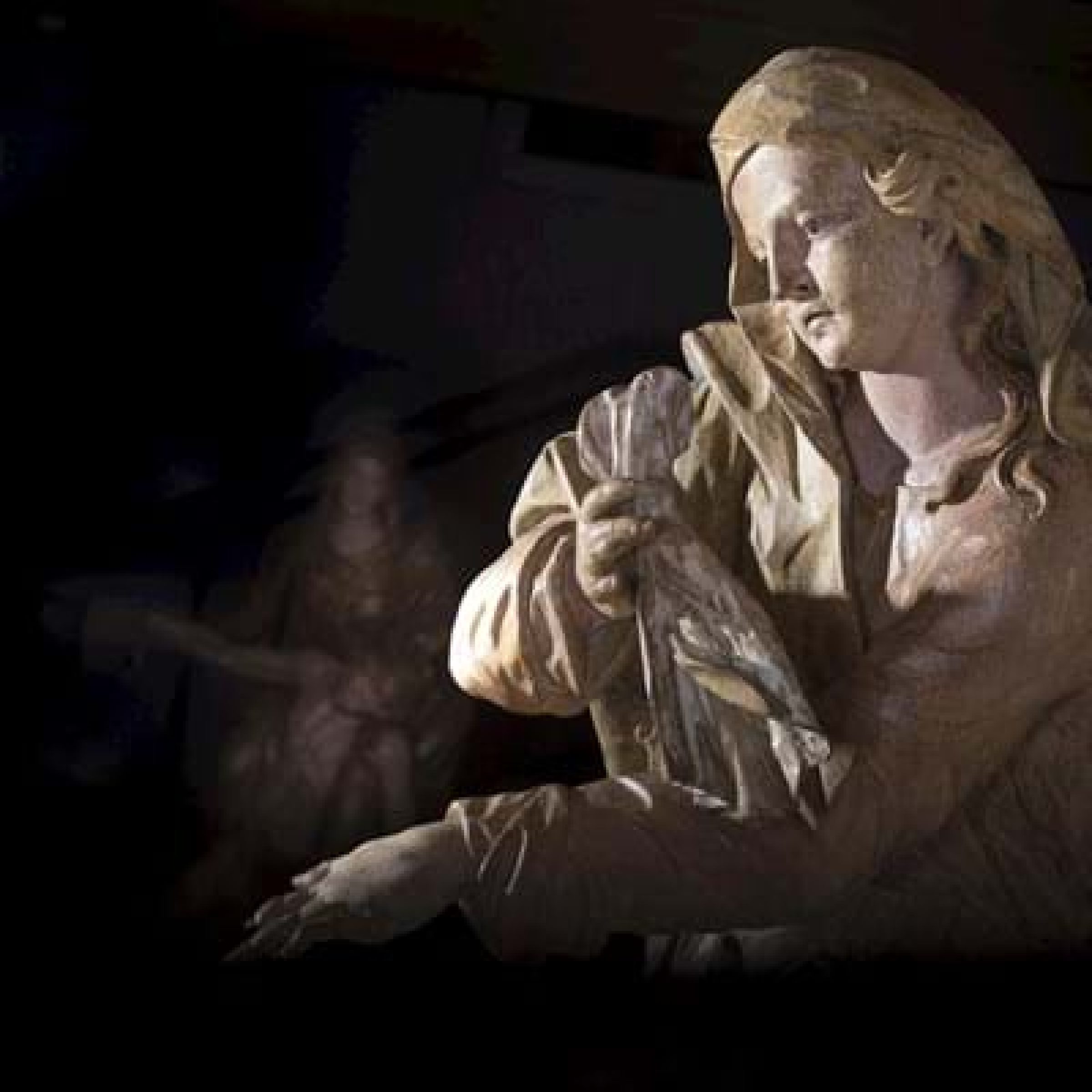
Museum of Baroque
The collection reveals the secret of almost 300-year-old original polychrome wooden statues.
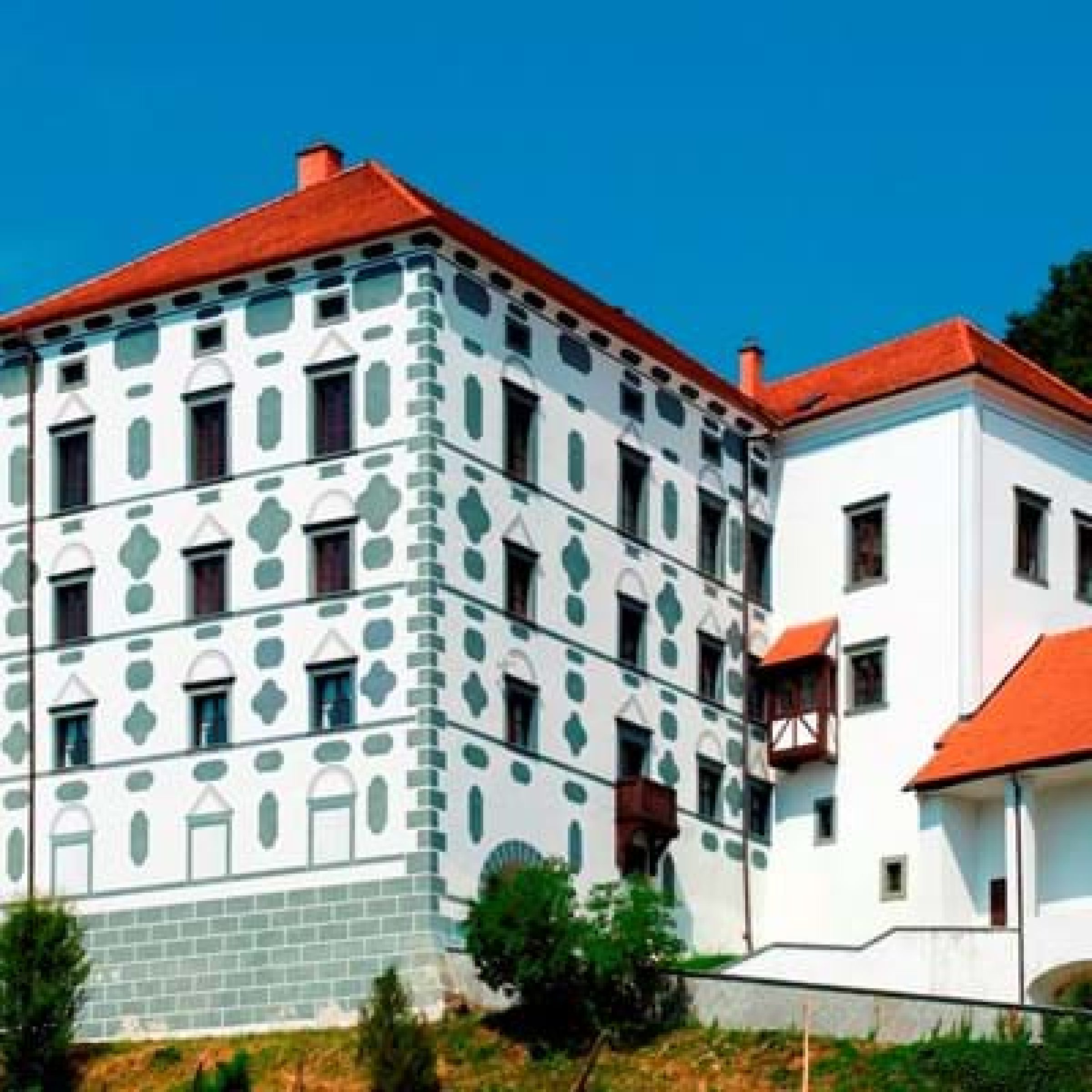
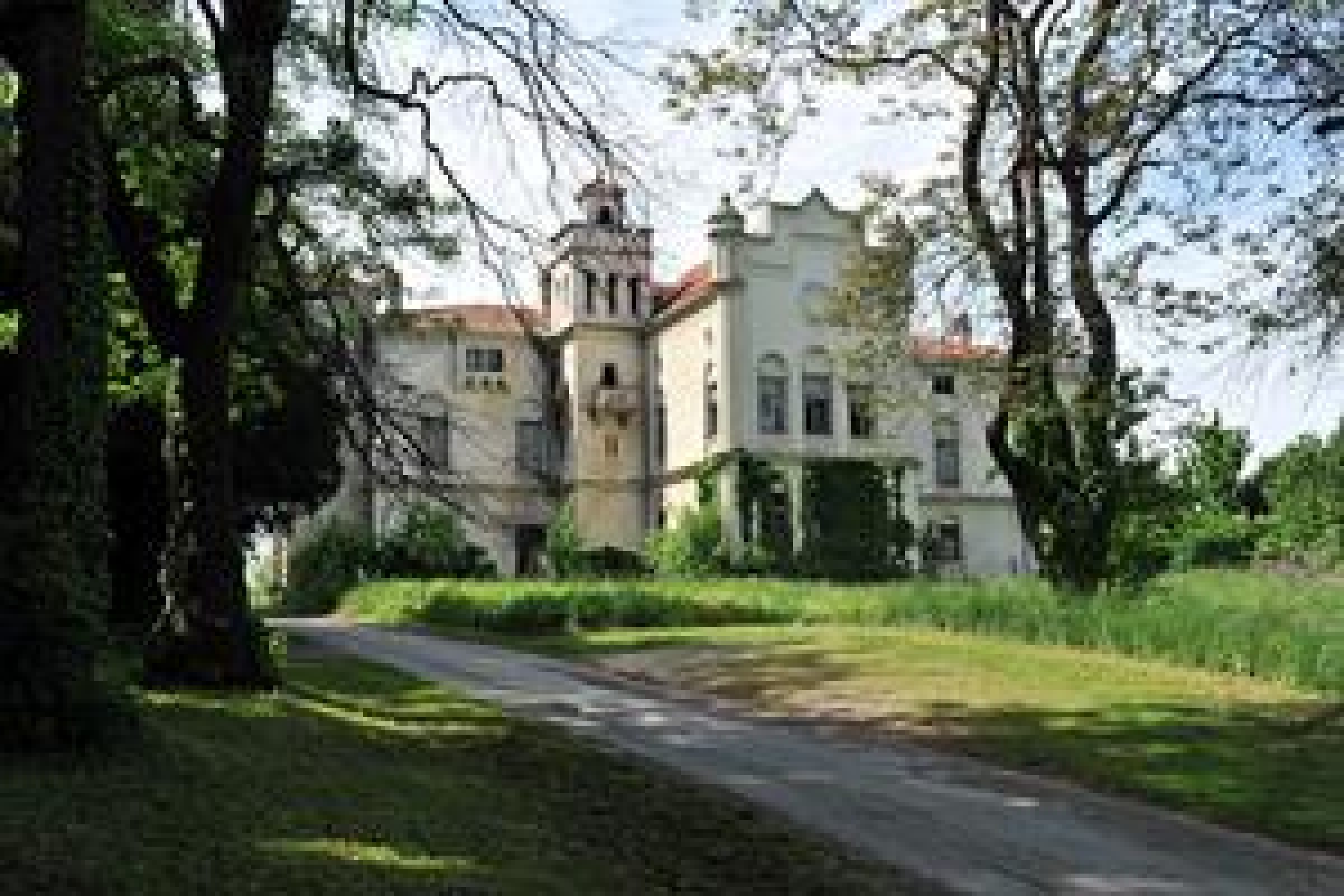
Strmol Manor
The castle complex was first mentioned in 1436. The Counts of Celje gave the tower to Jakob Strmolski from Cerklje na Gorenjskem. Numerous concerts, theatre plays and exhibitions take place here.
Rogatec Open-Air Museum
The Rogatec Open-Air Museum, located at the foot of Donačka gora in the authentic Styrian landscape, preserves the folk building heritage and cultural traditions of the people who lived in the Obsotelje region from the late 19th to the mid-20th century. Its core consists of original buildings and reconstructions of craft and farm buildings.
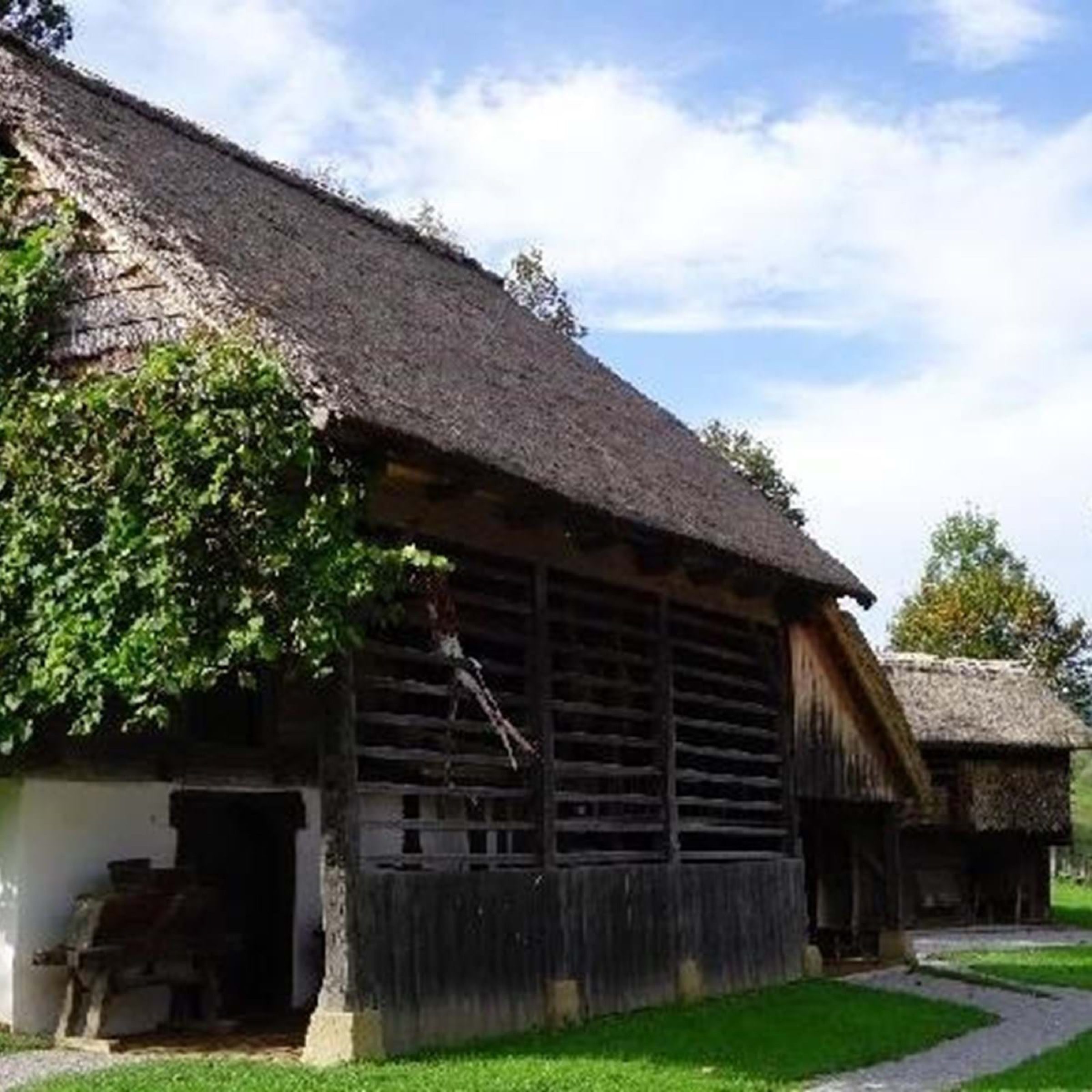
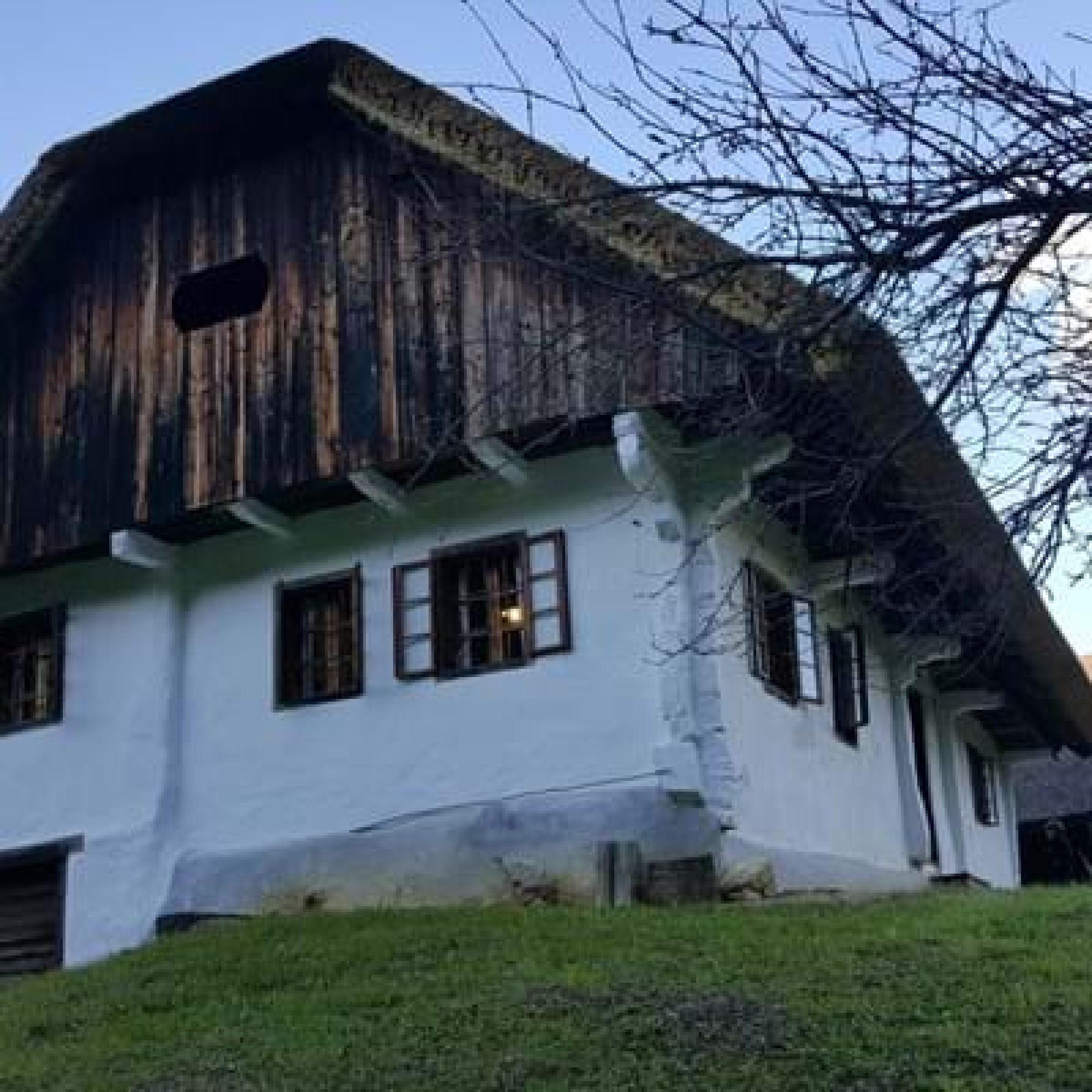
Open-Air Ethnographic Museum
The monument-protected Junež homestead is an open-air ethnographic museum comprising a farm building, a partially enclosed double hayrack and an apiary, as well as a restored old farmhouse with a black kitchen from the 19th century, with original indigenous furnishings and the inventory of that time.
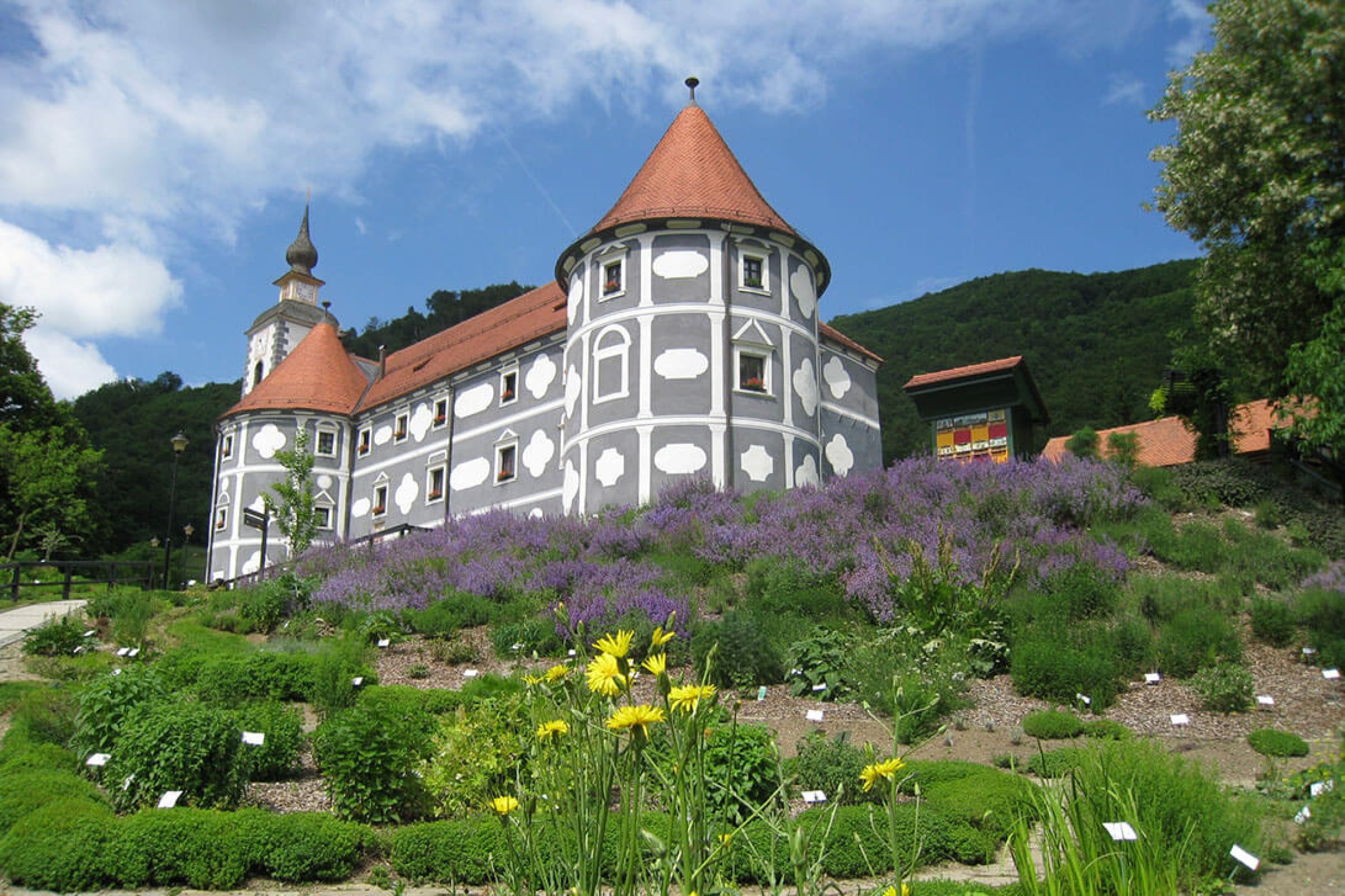
Olimje Minorite Monastery
The small village of Olimje lies in the shelter of Mount Rudnica, within the Kozjansko Park. Its grandeur comes from a beautiful manor, once owned by the Counts of Attems and now by the municipality of Podčetrtek, which today has been transformed into a recognisable monastery, home to the Friars Minor of St. Francis – the Minorites. Beside it stands the magnificent Church of the Assumption of Mary, one of the most beautiful Baroque works of art in our homeland.
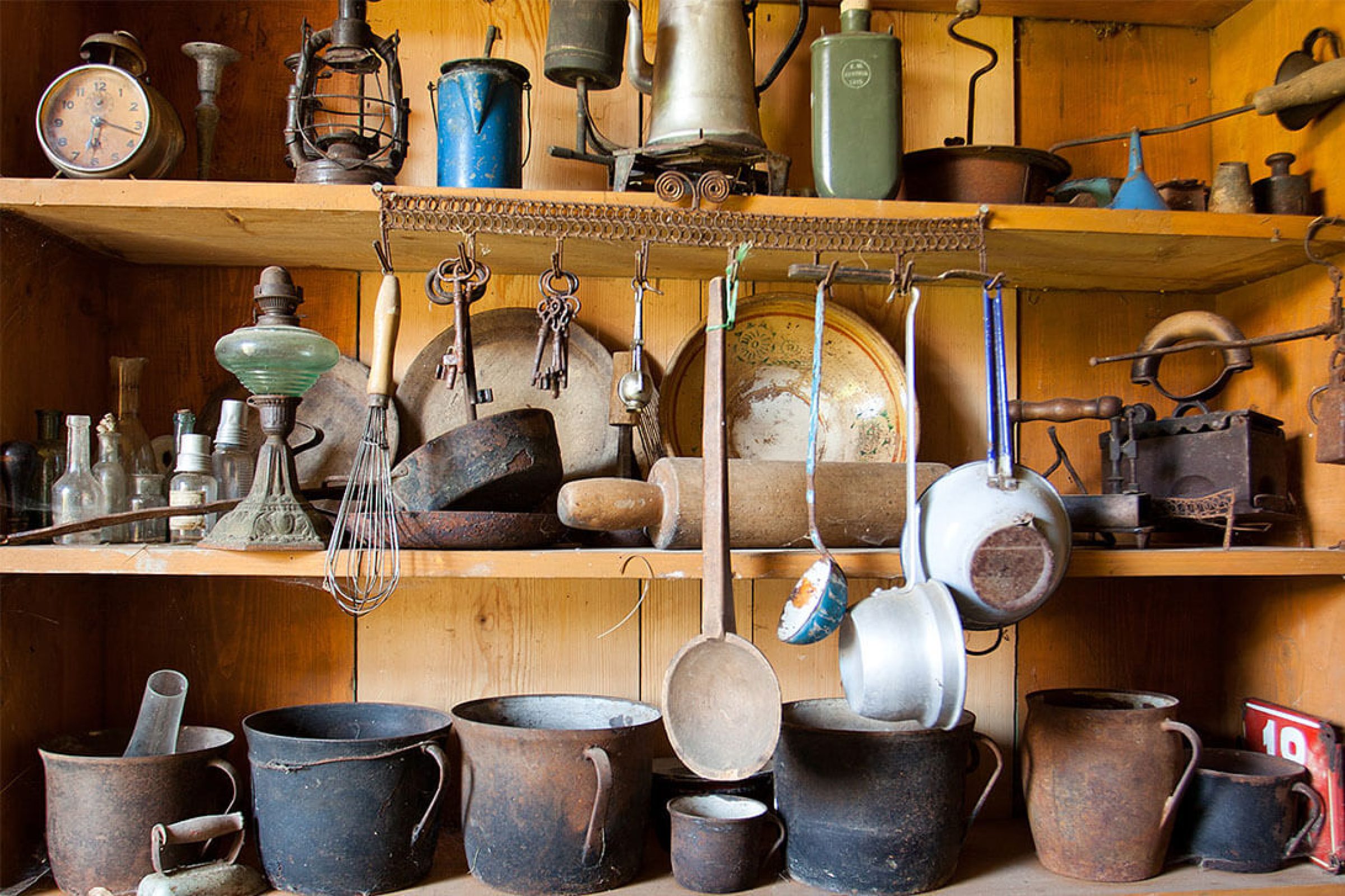
Museum of Farm Equipment
The interesting ethnological collection of the Museum of Farm Equipment presents life in the countryside in the past and the implements used by the humble rural folk. The collection is enriched by over 4,000 exhibits, some of which are of exceptional age and are true masterpieces. The museum collection is among the richest in this part of Slovenia and is certainly worth your visit.
Svete gore
From the top of the 527 m high hill called Svete gore, the view stretches far into the Croatian Zagorje, past Donačka gora and Boč all the way to Pohorje. More than the view from the top, however, what stirs the imagination of all visitors is the ridge, along which five shrines descend: the Lourdes chapel, the chapel of St. Sebastian and St. Fabian, the Church of Mary dedicated to the Nativity of Mary, and the chapels of St. George and St. Martin.
Davjek Karst Spring
The Davjek Karst Spring is located in the isolated karst of Kozjansko Park. Karst springs are characterised by large fluctuations in flow and occasional turbidity during high water. It measures 1 m in diameter and continues into a stream, where there is then another smaller spring that is also used for drinking. The stream flows into the river Sotla. The hollow itself is about 10 m long and 8 m wide. The spring was formed at the contact between the slope and the surrounding plain, namely at the contact between permeable limestone and impermeable marl. Davjek is a wonderful example of a cave and karst spring, also suitable for a picnic, walks in the surroundings and small gatherings.
Levstik Mill
The Levstik Mill, or today's residential house with a mill, was built in the mid-19th century parallel to the channel of the river Bistrica. The left part housed a dwelling, while the right part held the mill, which comprises just one room. It contains two milling mechanisms for white and mixed flour, with the mill driven by undershot water. The mill is first mentioned in sources in a document from 1801. You can view the mill building, in which two milling mechanisms stand, along with a demonstration of grain milling and the operation of the entire mill.
Collection Orchard of Kozjansko Park
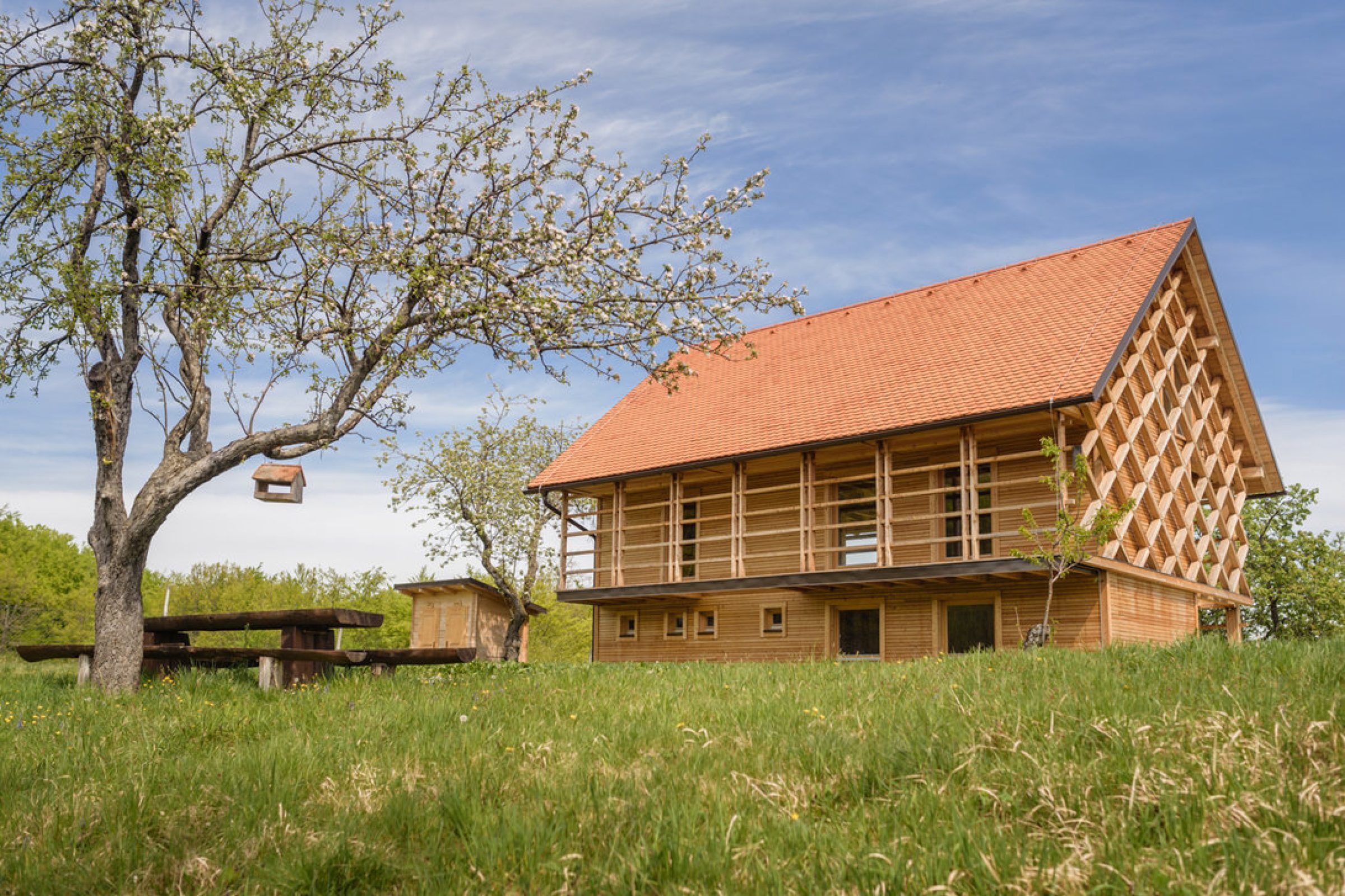
At the Collection Orchard of Kozjansko Park you can see the nursery, the high-stem meadow orchard and the Čerček homestead, where more than 100 traditional varieties of apple and pear trees are planted. The main collection orchard extends over 2.3 ha and is cultivated according to the principles of organic farming. Each tree in the orchard is labelled with the name of the variety (both in Braille). The orchard has habitats for beneficial organisms – insect hotels, nesting boxes and bird feeders – and various studies of fauna and flora, workshops, practical demonstrations, and nature and project days are also carried out there.
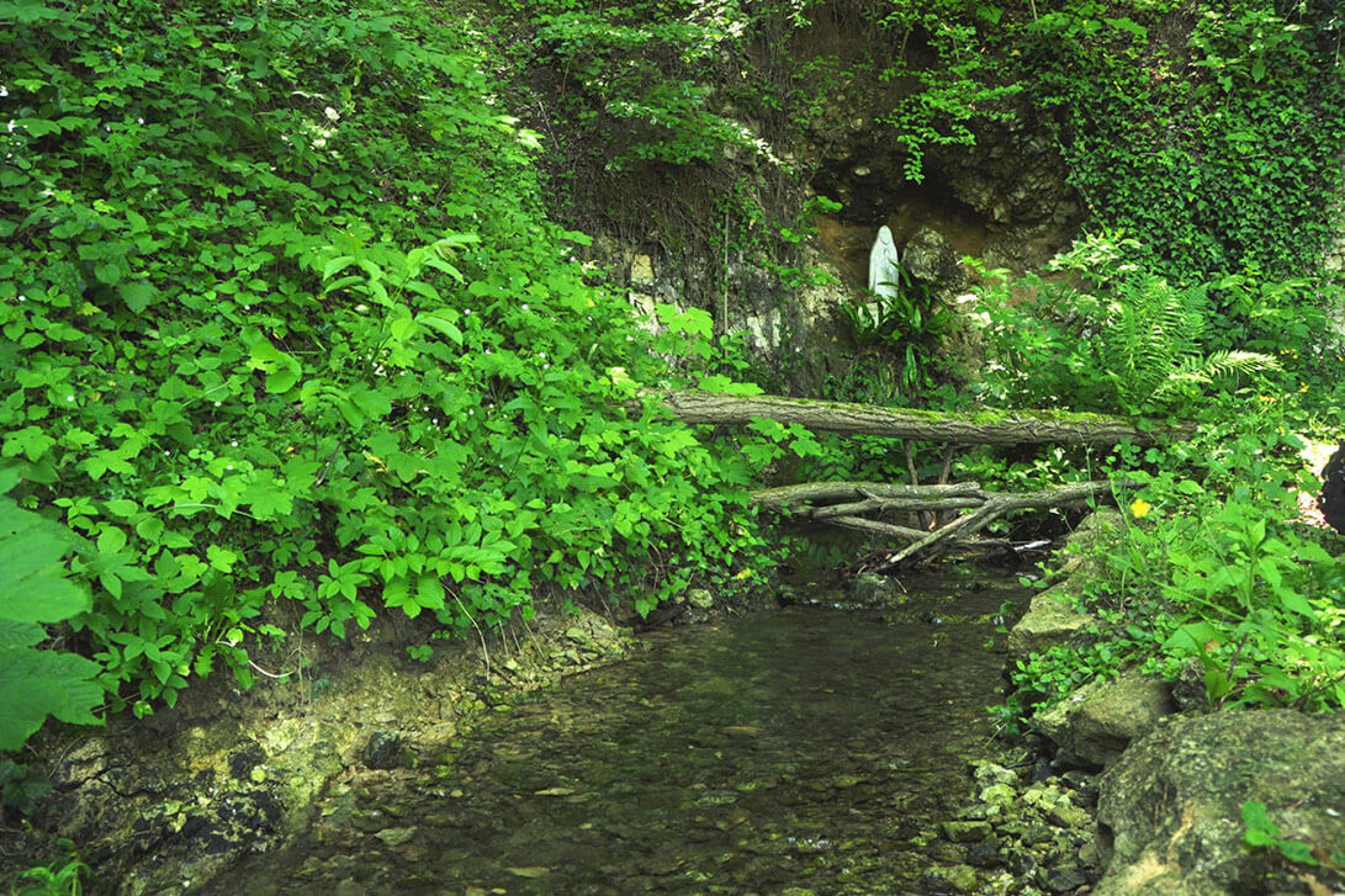
Lourdes Cave
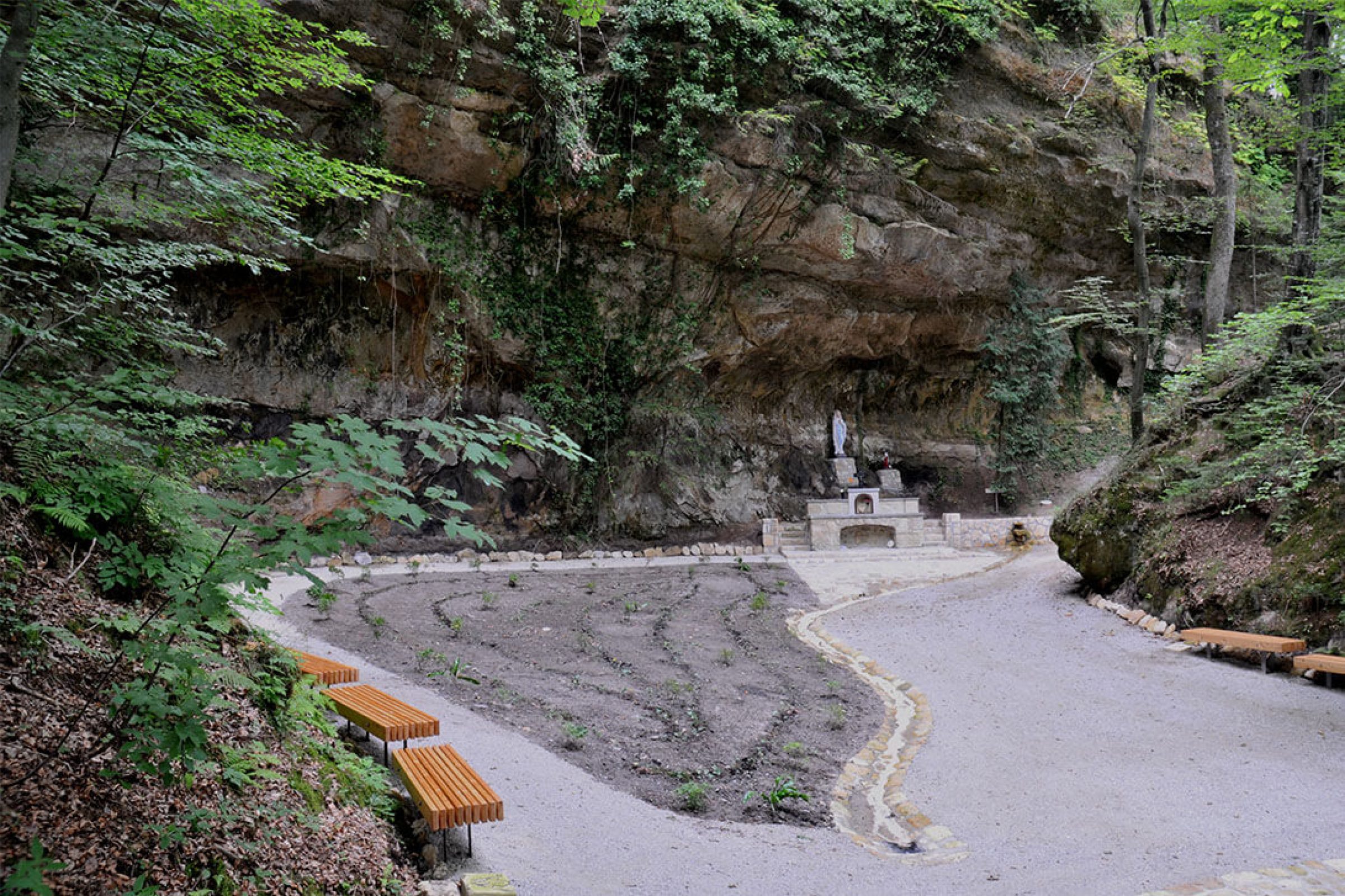
The Lourdes Cave lies 250 m from the Church of St. Mary in Zagorje pri Lesičnem. Beneath a 19 m high sandstone overhang there is a small altar, where there is also a spring of healing water. When a visitor arrives at the spot, a magnificent view of the natural beauty opens up before them, and the spring offers a sip of fresh cold water.
My Mother's School
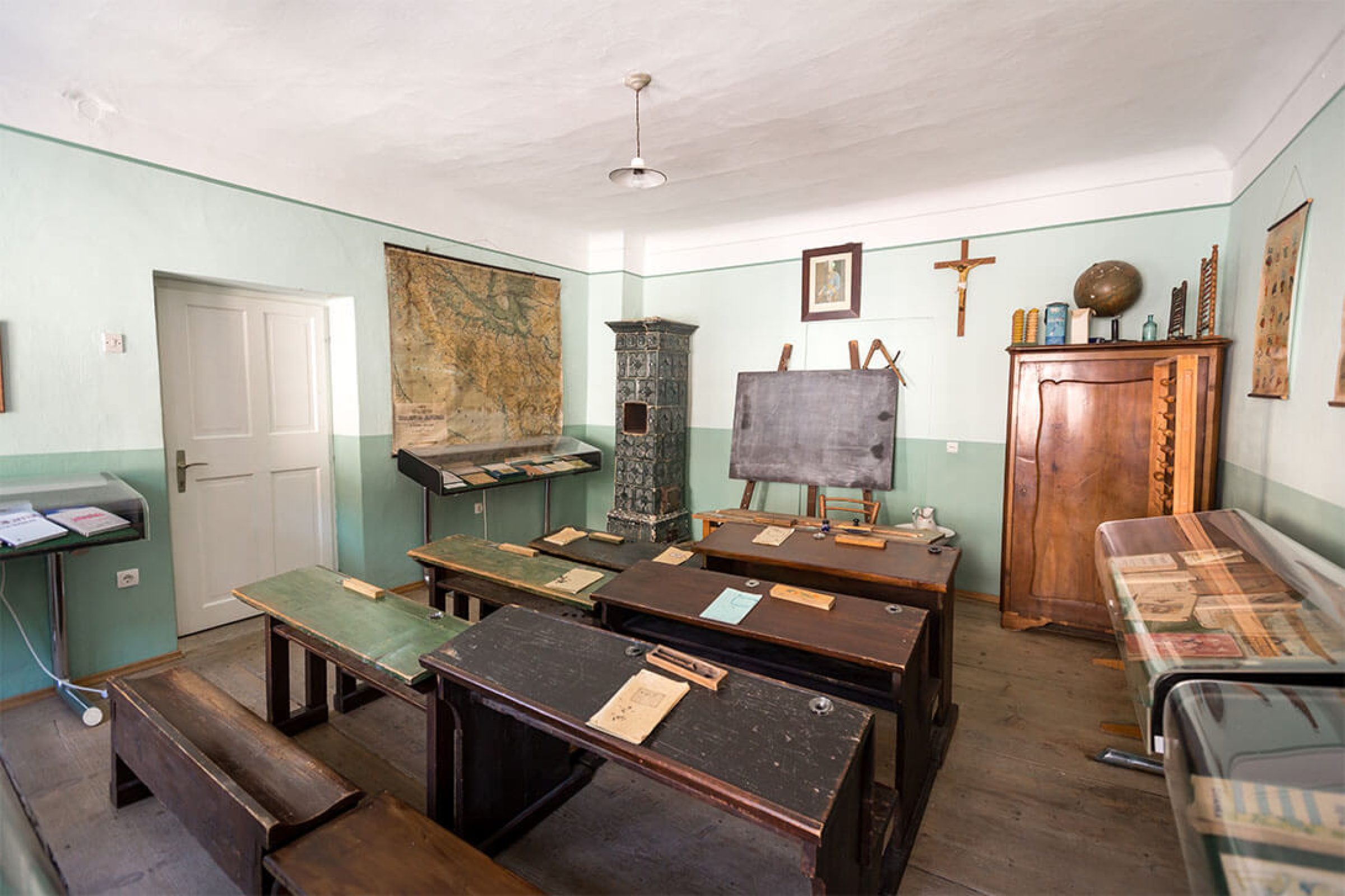
In the very centre of the village stands a museum classroom from the times of the Kingdom of Yugoslavia. Also on display are the original school doors of the old school and an entire classroom with wooden benches and a blackboard. The school operated from 1882 to 1966. The premises also display an overview of the first Slovenian readers from the 19th and 20th centuries, along with stone tablets with pebbles and various wooden pencil cases. It is also possible to see the performance "Lessons the Old Way" in cooperation with the Kozje Primary School. Visits are possible by prior arrangement.
Bistrica Gorge
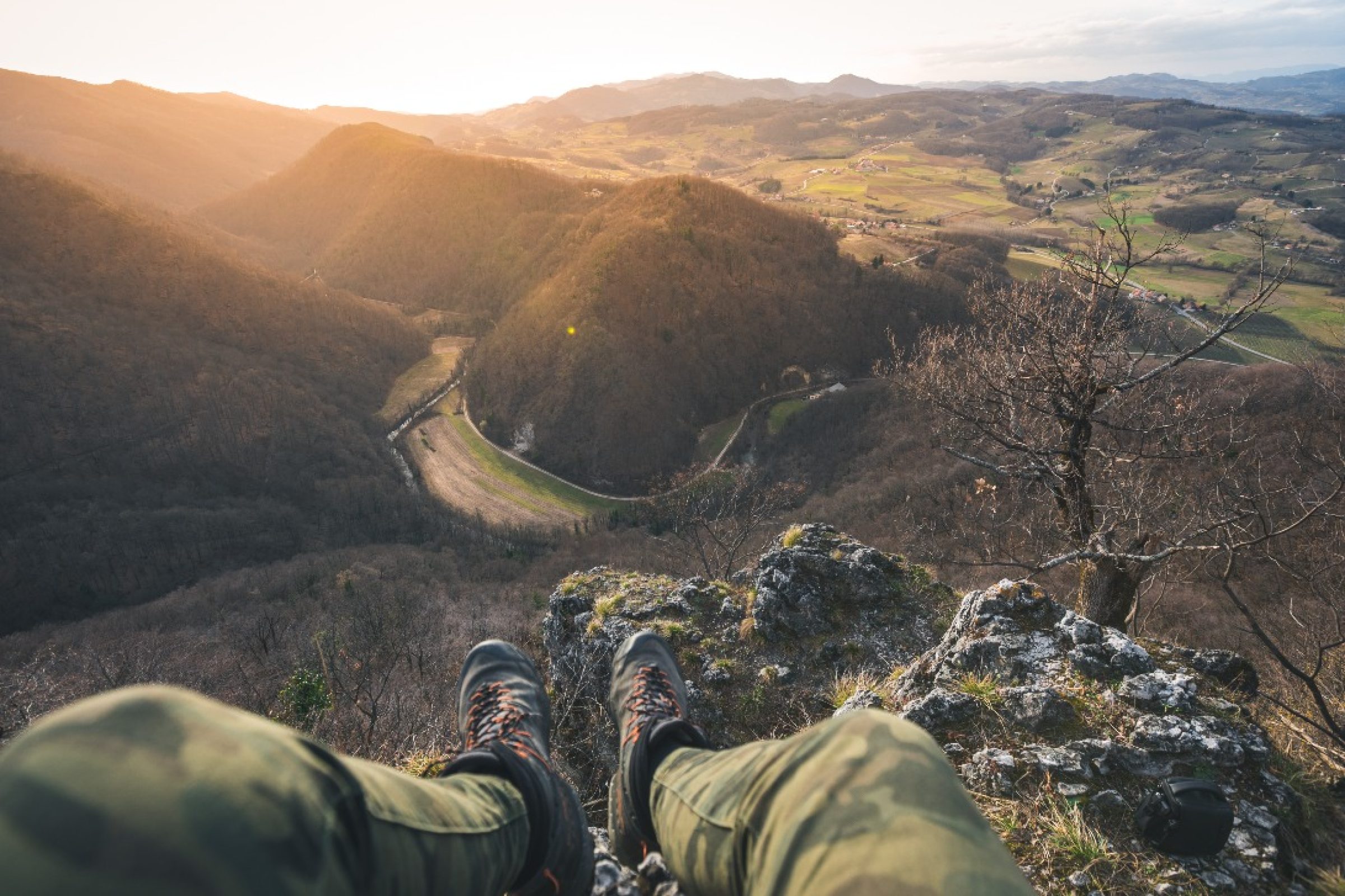
The gorge that winds between Trebče and Zagaj is about 3 km long and is renowned as one of the best-preserved river gorges in eastern Slovenia. More than 200 million years ago, the river carved its channel here, which is still embraced today by steep, forested and rocky slopes. Between Rebrija and Tisovec it is so narrow that it is almost impassable. The gorge impresses with its pristine character, as chamois, birds of prey, wild boar, dragonflies, trout, crayfish, the Carniolan lily, houseleeks, the rough-haired houseleek, butcher's broom and many other protected species of the animal and plant world find suitable and precious shelter here. The gorge is exceptionally varied in landscape and picturesque.
Blacksmith Museum
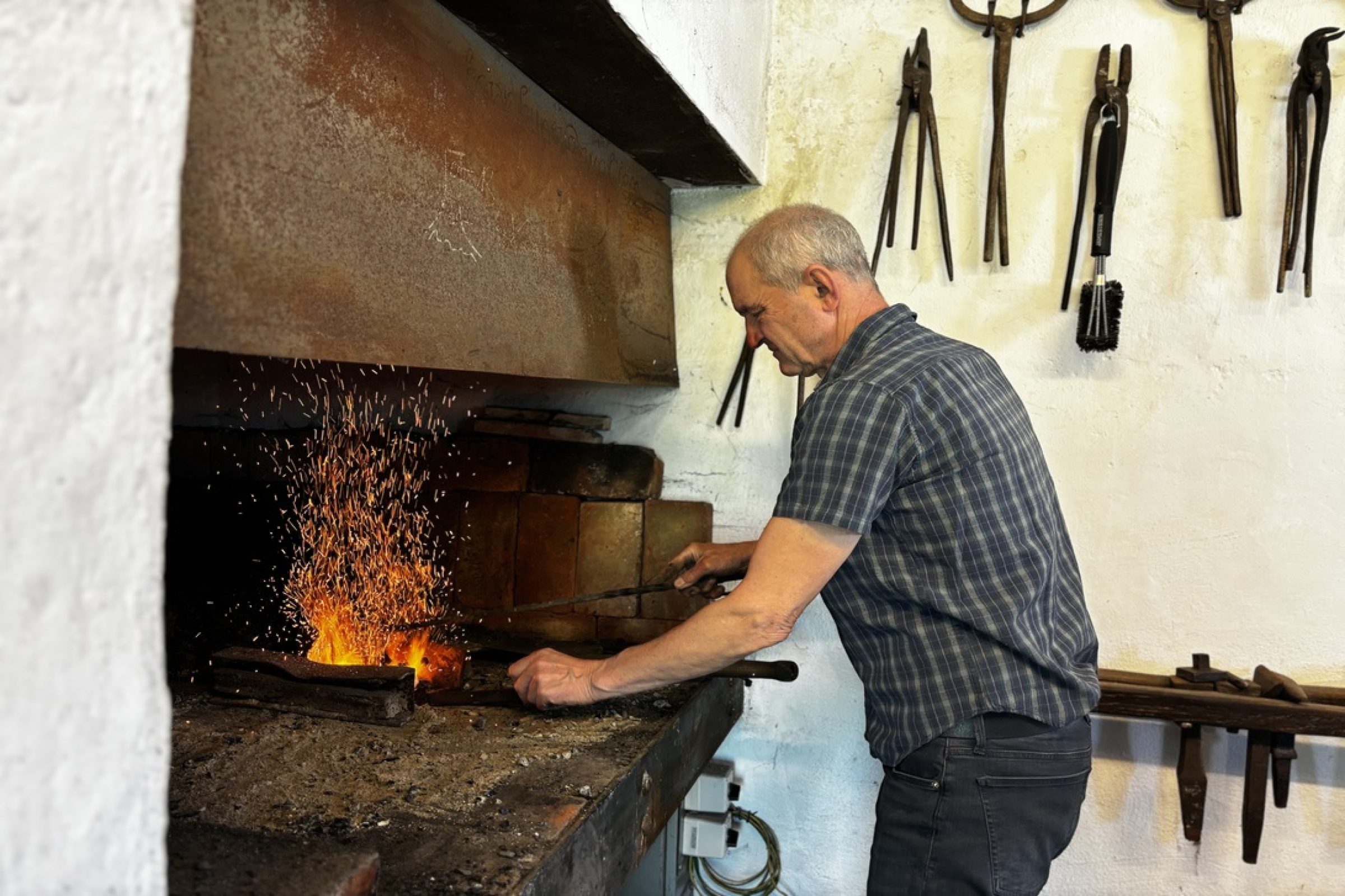
Visit the smithy and the blacksmith museum and discover the rich history and traditional methods of blacksmithing. They will demonstrate blacksmithing procedures, carried out on original, still-functioning tools and equipment that were used in the past. You also have the very special opportunity to forge and work with tools under the guidance of an experienced blacksmith. It is also possible to purchase a souvenir.
Kozje Castle
The place is mentioned as early as 1016 as Traskendorf, when the Roman emperor Henry II gave Count William of Breže-Selca the settlement of Kozje with 30 royal farms, and in 1130 Trachendorf, as part of the heritage of Hemma of Breže-Selca, was already in the possession of the Diocese of Gurk. In 1197 the first Kozje knight Oton – Otto de Trachenberch appears in the company of the Bishop of Gurk.
Church of St. John the Baptist
In Podsreda, a vicariate is mentioned in the 15th century, and in 1765 it became a parish. The old Church of St. John the Baptist burned down, leaving only the ribbed vaulted presbytery, which was converted into a mortuary and used until 1871. In the 19th century a new church was built. The interior is late Baroque, decorated with frescoes by Tomaž Fantoni from 1877–78. The main altar is a sculptural work from 1865. Above the altar hangs a painting, a work by the renowned Franc Mihael Strauss from the 18th century, depicting the baptism in the Jordan. The side altars are of the tabernacle type from the 19th century.
Podčetrtek Castle
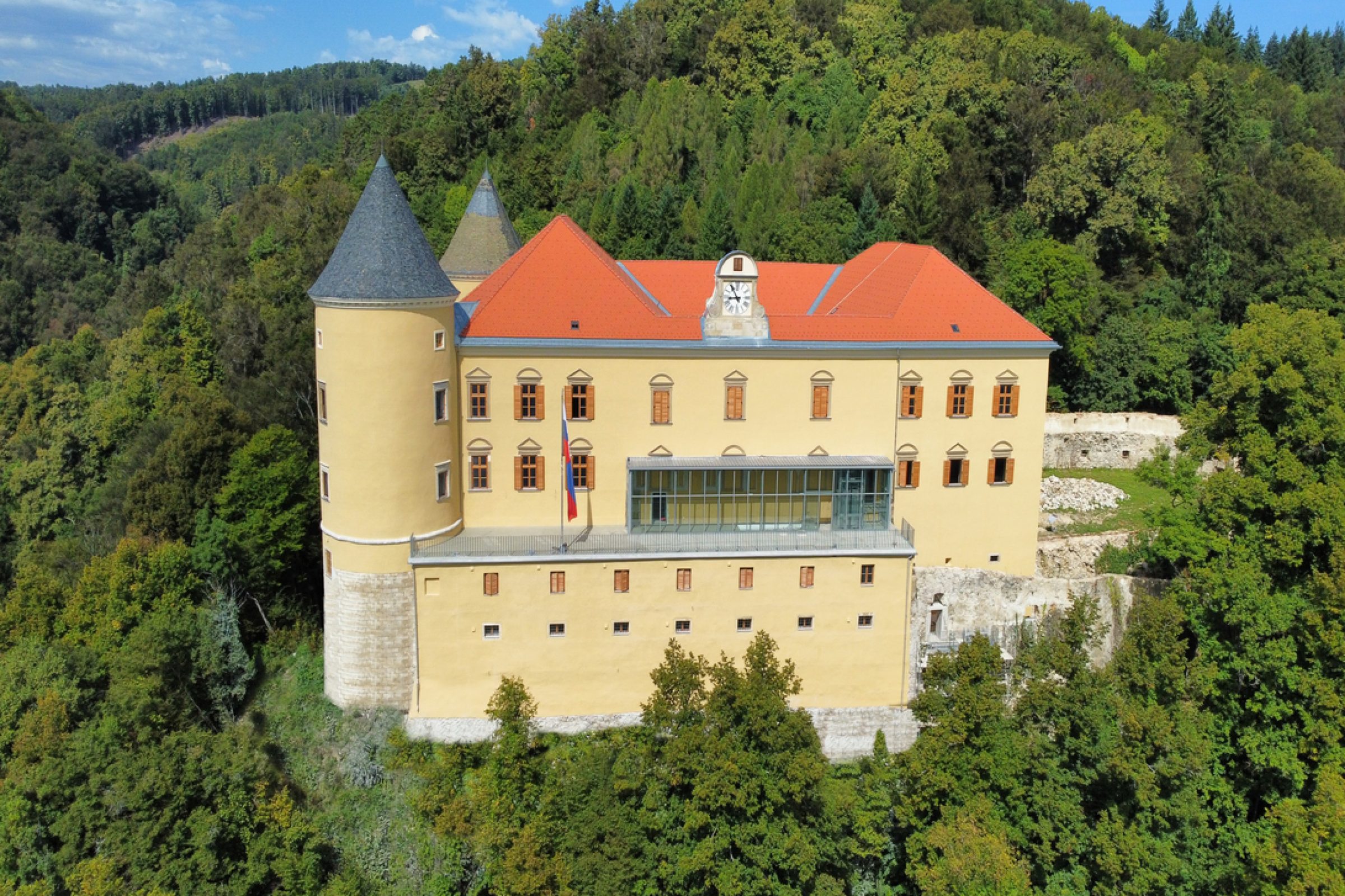
Today you can visit the newly renovated Podčetrtek Castle, which, with its exceptional restoration and modern additions, offers an unforgettable experience for all visitors. Through the carefully restored ancient stone walls and magnificent towers, you can stroll along the Castle Trail and feel the pulse of the past intertwining with the present.
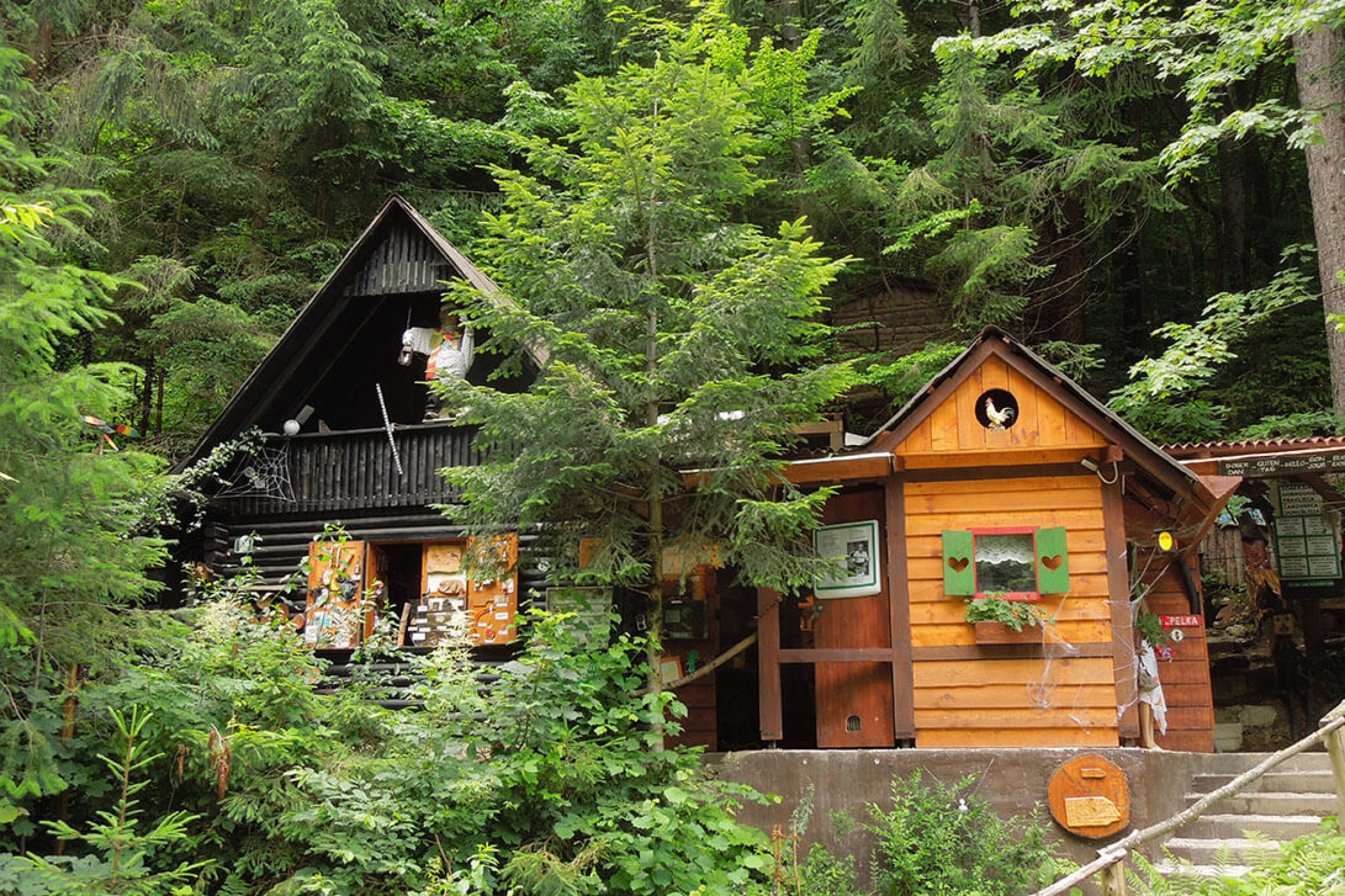
THE WITCH'S HUT
A kilometre on from the Olimje monastery, the Land of Fairy Tales and Imagination hides in the forest, where young and old visitors alike will enter a world of fairy tales and once again meet Kekec, Bedanec, Krjavelj, Snow White, Little Red Riding Hood and other fairy-tale characters ...
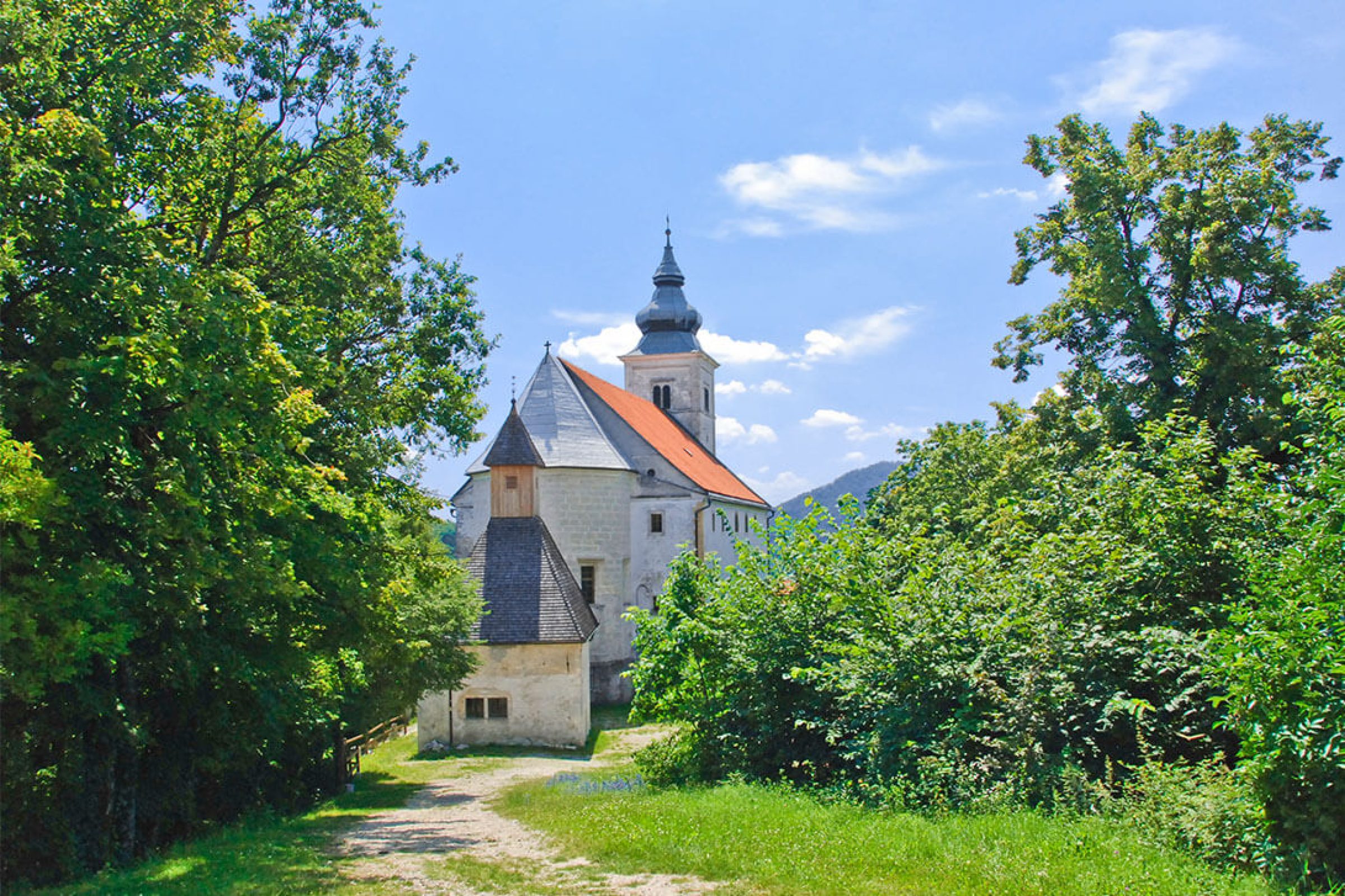
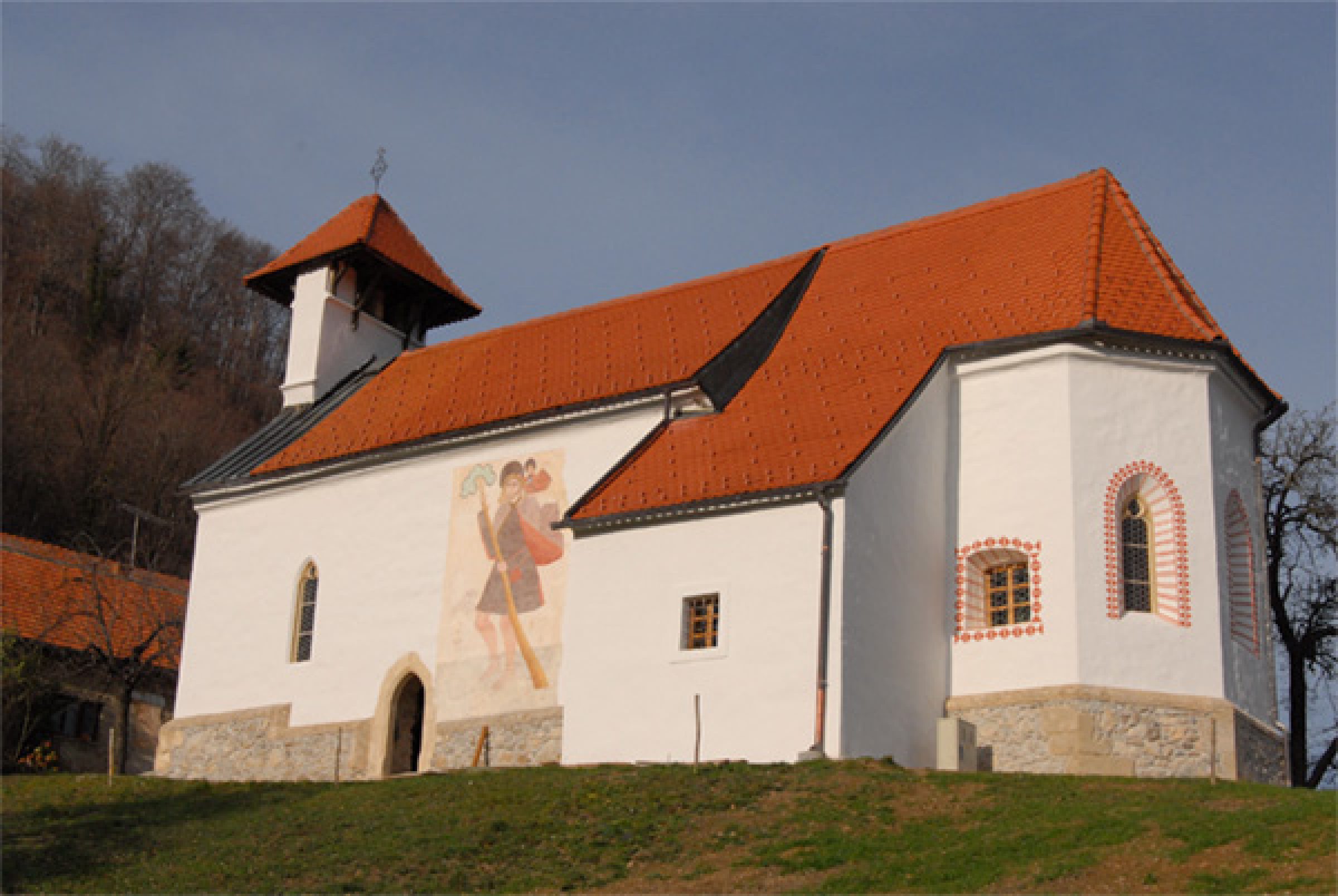
Filial Church of St. Andrew
The Filial Church of St. Andrew stands on the southern slope of Rudnica. From Olimje it is only a ten-minute walk away. The church dates from the 15th century and is late Gothic. Even a first glance at it gives the impression that it is something special, primarily because of the bell tower, which is the only one of its kind in this area. The church facade, with its Gothic portal, rose window and Baroque window, is topped by a small open Mediterranean bell tower and is the easternmost example of this type of bell tower in our country. The bell tower holds two bells, which ring three times a day for the "Angelus".
Church of St. Roch
The Church of St. Roch was built gradually, but 1646 is considered the year of its creation. Legend says that in 1645 two locals brought the plague from Ptuj to Šmarje, which in a short time killed more than two hundred people. And in order to be saved from this affliction, they built a small chapel on the hill above Šmarje. Through the intercession of the Mother of God, St. Roch and St. Sebastian, God heard their prayers and drove the plague out of the land.
Jelšingrad
In 1424 the manor was first indirectly mentioned as Erlach, and in 1480 the name Jelsche – Jelše appears in the urbaria of the Lemberg lordship. However, the manor is first reliably mentioned in records only in 1666, when Žiga Gaisruck took the Jelše manor on lease. The Gaisrucks owned Jelše until 1799, after which the manor and lordship were bought by Anton Nagy.
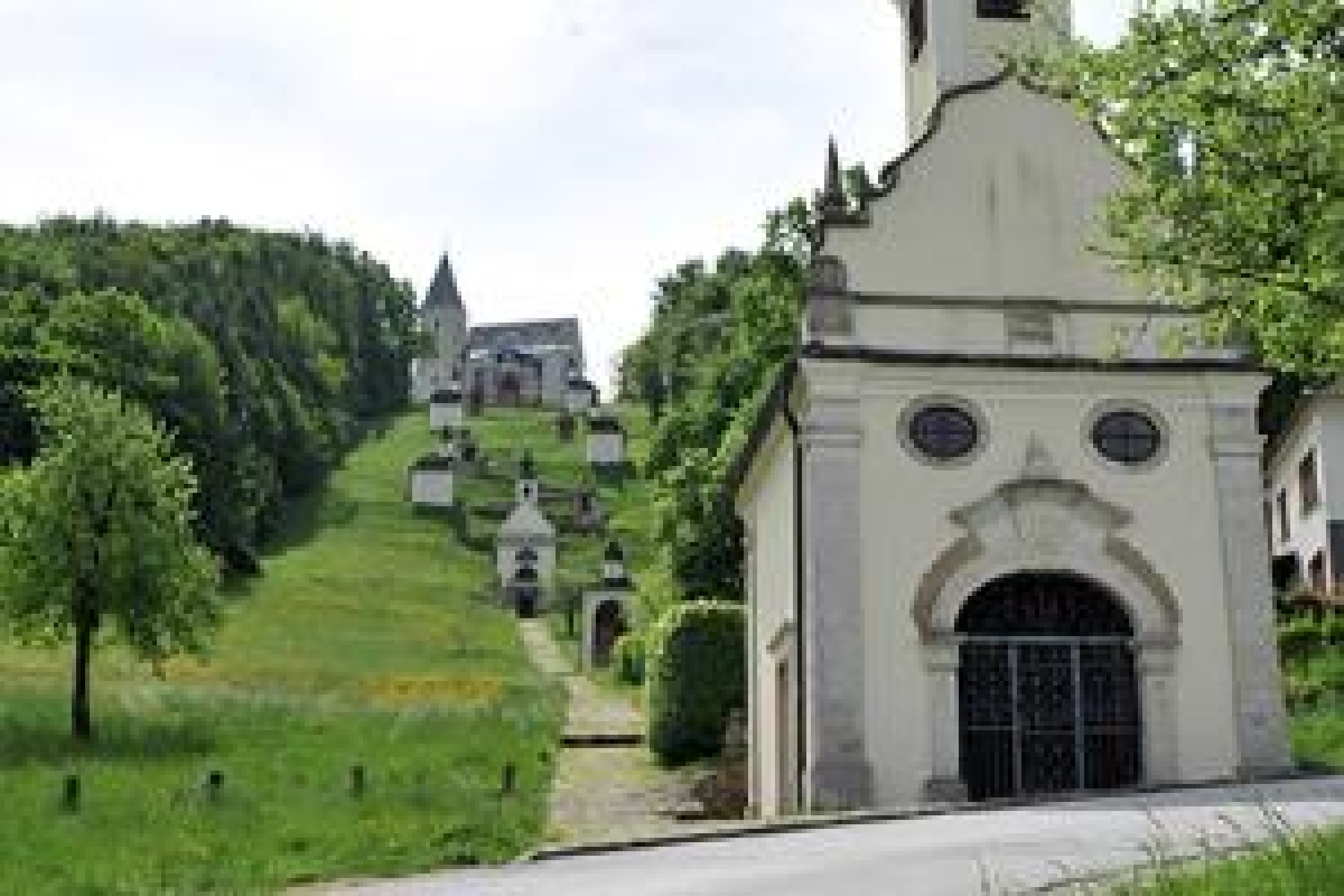
Calvary
Passion trails, such as the Šmarje Calvary, began to appear during the Counter-Reformation and Catholic renewal, and in the 18th century they were an extremely popular devotion among all classes of the population, attracting up to five times as many people as pilgrimage sites with a longer tradition. Calvaries were composed of any number of stations, and their content was just as varied: scenes of Jesus's suffering often intertwined with scenes from his childhood or from the life of Mary.
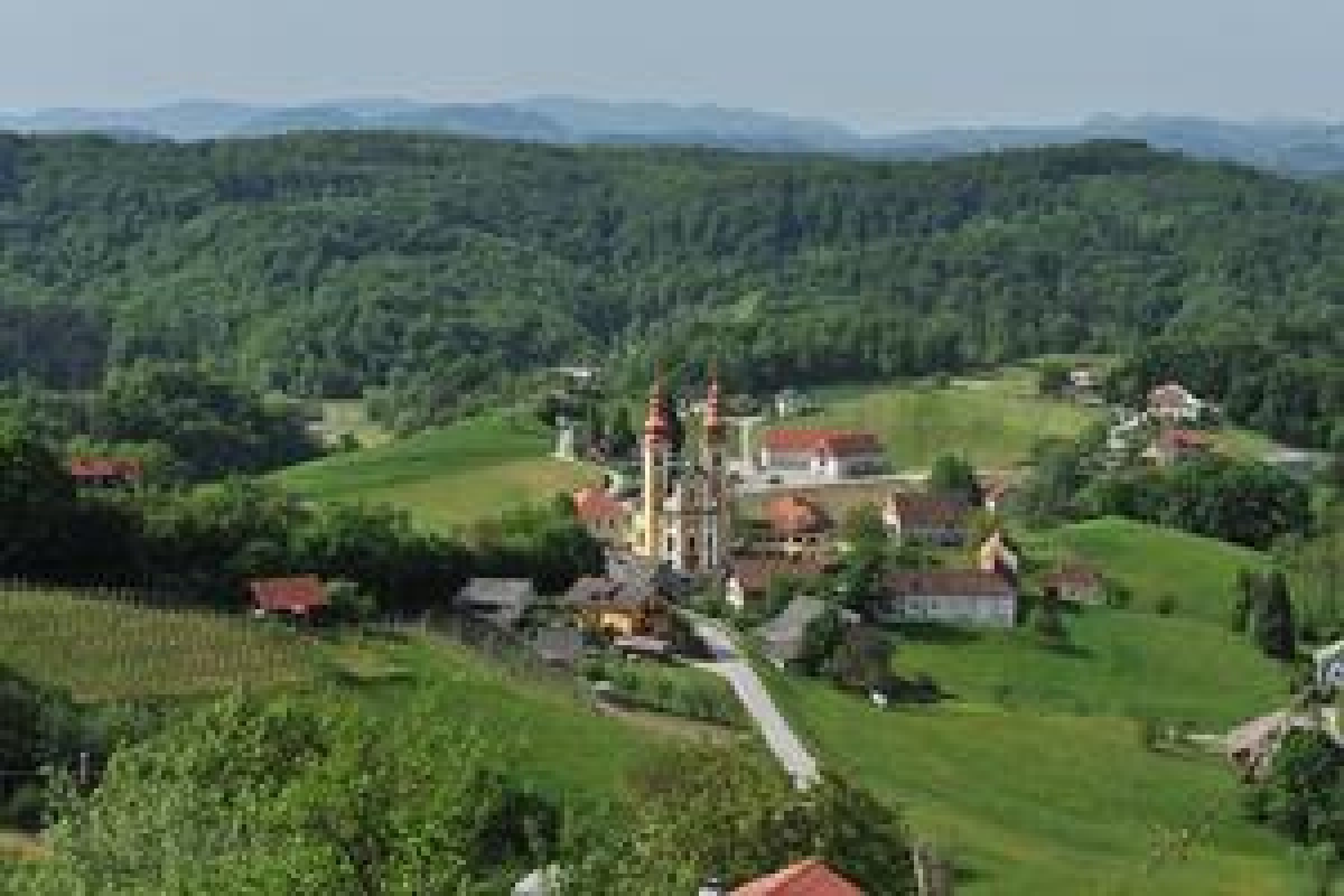
Church of Mary on Sladka Gora
The wine-growing hills of Sladka Gora surround a gem, the pilgrimage Church of Mary, which our ancestors named St. Mary – the miraculous Mother of God and St. Margaret of Antioch. It arose on the site of the original Church of St. Margaret. After 1738 the Sladka Gora hills became companions to the throngs of gathering crowds.
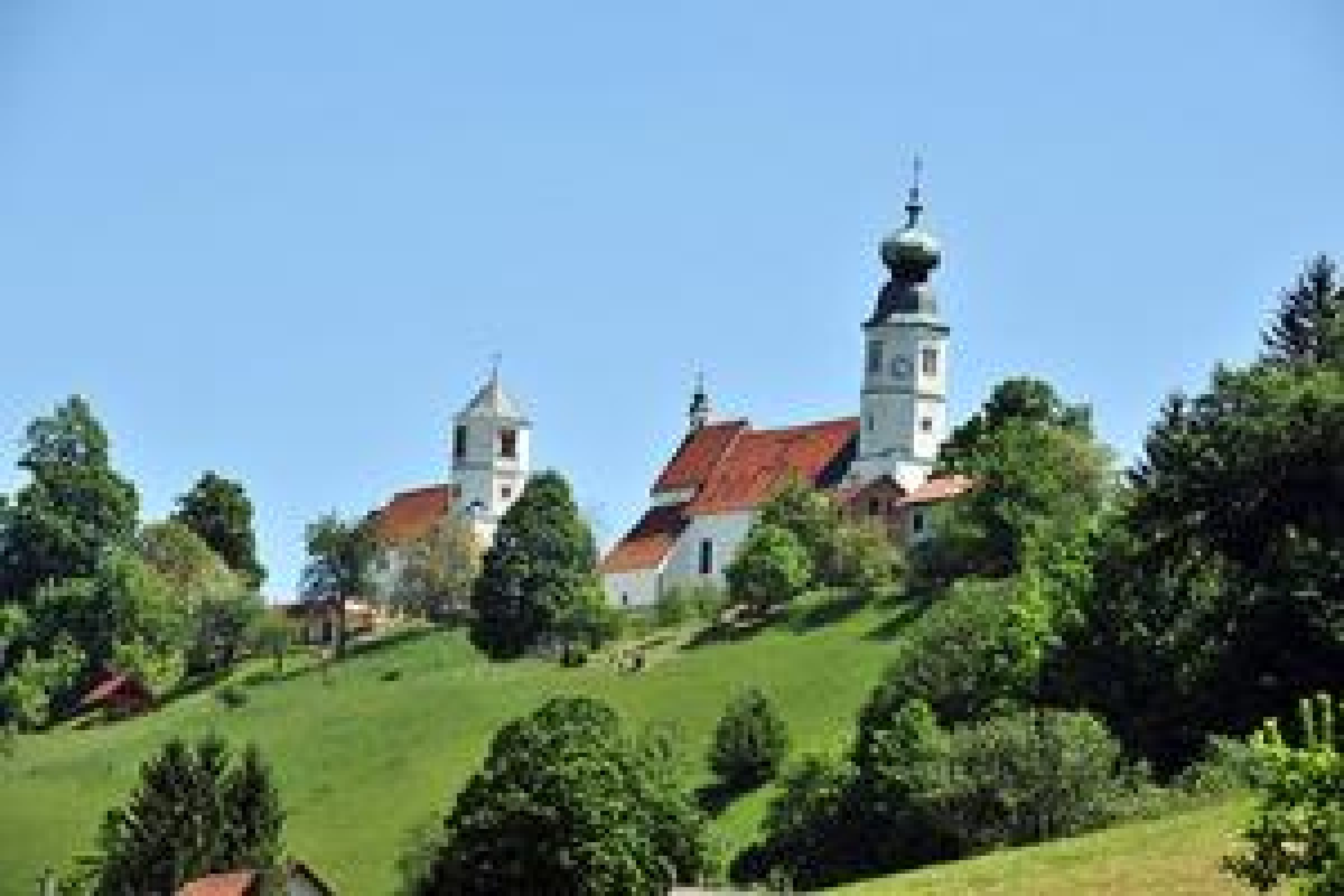
Tinsko
Tinsko is recognisable from afar by its distinctive silhouette. It consists of two churches set closely together, namely St. Anne and the Mother of God. The legend of the two churches tells that Tinsko was once heavily overgrown with bushes and wild vegetation, and on top of Tinska gora stood only the Church of St. Anne.
Strniš Mill
Along the Kostrivnica Tourist Water Trail, more precisely in the Dreveniški stream below the Church of St. Leonard, lies the Old Mill, or the Strniš Mill, as the locals know it.
Podsreda Castle
One of the few cultural monuments of the Romanesque period.
Museum of Baroque
The collection reveals the secret of almost 300-year-old original polychrome wooden statues.
Strmol Manor
The castle complex was first mentioned in 1436. The Counts of Celje gave the tower to Jakob Strmolski from Cerklje na Gorenjskem. Numerous concerts, theatre plays and exhibitions take place here.
Rogatec Open-Air Museum
The Rogatec Open-Air Museum, located at the foot of Donačka gora in the authentic Styrian landscape, preserves the folk building heritage and cultural traditions of the people who lived in the Obsotelje region from the late 19th to the mid-20th century. Its core consists of original buildings and reconstructions of craft and farm buildings.
Open-Air Ethnographic Museum
The monument-protected Junež homestead is an open-air ethnographic museum comprising a farm building, a partially enclosed double hayrack and an apiary, as well as a restored old farmhouse with a black kitchen from the 19th century, with original indigenous furnishings and the inventory of that time.
Olimje Minorite Monastery
The small village of Olimje lies in the shelter of Mount Rudnica, within the Kozjansko Park. Its grandeur comes from a beautiful manor, once owned by the Counts of Attems and now by the municipality of Podčetrtek, which today has been transformed into a recognisable monastery, home to the Friars Minor of St. Francis – the Minorites. Beside it stands the magnificent Church of the Assumption of Mary, one of the most beautiful Baroque works of art in our homeland.
Museum of Farm Equipment
The interesting ethnological collection of the Museum of Farm Equipment presents life in the countryside in the past and the implements used by the humble rural folk. The collection is enriched by over 4,000 exhibits, some of which are of exceptional age and are true masterpieces. The museum collection is among the richest in this part of Slovenia and is certainly worth your visit.
Svete gore
From the top of the 527 m high hill called Svete gore, the view stretches far into the Croatian Zagorje, past Donačka gora and Boč all the way to Pohorje. More than the view from the top, however, what stirs the imagination of all visitors is the ridge, along which five shrines descend: the Lourdes chapel, the chapel of St. Sebastian and St. Fabian, the Church of Mary dedicated to the Nativity of Mary, and the chapels of St. George and St. Martin.
Davjek Karst Spring
The Davjek Karst Spring is located in the isolated karst of Kozjansko Park. Karst springs are characterised by large fluctuations in flow and occasional turbidity during high water. It measures 1 m in diameter and continues into a stream, where there is then another smaller spring that is also used for drinking. The stream flows into the river Sotla. The hollow itself is about 10 m long and 8 m wide. The spring was formed at the contact between the slope and the surrounding plain, namely at the contact between permeable limestone and impermeable marl. Davjek is a wonderful example of a cave and karst spring, also suitable for a picnic, walks in the surroundings and small gatherings.
Levstik Mill
The Levstik Mill, or today's residential house with a mill, was built in the mid-19th century parallel to the channel of the river Bistrica. The left part housed a dwelling, while the right part held the mill, which comprises just one room. It contains two milling mechanisms for white and mixed flour, with the mill driven by undershot water. The mill is first mentioned in sources in a document from 1801. You can view the mill building, in which two milling mechanisms stand, along with a demonstration of grain milling and the operation of the entire mill.
Collection Orchard of Kozjansko Park
At the Collection Orchard of Kozjansko Park you can see the nursery, the high-stem meadow orchard and the Čerček homestead, where more than 100 traditional varieties of apple and pear trees are planted. The main collection orchard extends over 2.3 ha and is cultivated according to the principles of organic farming. Each tree in the orchard is labelled with the name of the variety (both in Braille). The orchard has habitats for beneficial organisms – insect hotels, nesting boxes and bird feeders – and various studies of fauna and flora, workshops, practical demonstrations, and nature and project days are also carried out there.
Lourdes Cave
The Lourdes Cave lies 250 m from the Church of St. Mary in Zagorje pri Lesičnem. Beneath a 19 m high sandstone overhang there is a small altar, where there is also a spring of healing water. When a visitor arrives at the spot, a magnificent view of the natural beauty opens up before them, and the spring offers a sip of fresh cold water.
My Mother's School
In the very centre of the village stands a museum classroom from the times of the Kingdom of Yugoslavia. Also on display are the original school doors of the old school and an entire classroom with wooden benches and a blackboard. The school operated from 1882 to 1966. The premises also display an overview of the first Slovenian readers from the 19th and 20th centuries, along with stone tablets with pebbles and various wooden pencil cases. It is also possible to see the performance "Lessons the Old Way" in cooperation with the Kozje Primary School. Visits are possible by prior arrangement.
Bistrica Gorge
The gorge that winds between Trebče and Zagaj is about 3 km long and is renowned as one of the best-preserved river gorges in eastern Slovenia. More than 200 million years ago, the river carved its channel here, which is still embraced today by steep, forested and rocky slopes. Between Rebrija and Tisovec it is so narrow that it is almost impassable. The gorge impresses with its pristine character, as chamois, birds of prey, wild boar, dragonflies, trout, crayfish, the Carniolan lily, houseleeks, the rough-haired houseleek, butcher's broom and many other protected species of the animal and plant world find suitable and precious shelter here. The gorge is exceptionally varied in landscape and picturesque.
Blacksmith Museum
Visit the smithy and the blacksmith museum and discover the rich history and traditional methods of blacksmithing. They will demonstrate blacksmithing procedures, carried out on original, still-functioning tools and equipment that were used in the past. You also have the very special opportunity to forge and work with tools under the guidance of an experienced blacksmith. It is also possible to purchase a souvenir.
Kozje Castle
The place is mentioned as early as 1016 as Traskendorf, when the Roman emperor Henry II gave Count William of Breže-Selca the settlement of Kozje with 30 royal farms, and in 1130 Trachendorf, as part of the heritage of Hemma of Breže-Selca, was already in the possession of the Diocese of Gurk. In 1197 the first Kozje knight Oton – Otto de Trachenberch appears in the company of the Bishop of Gurk.
Church of St. John the Baptist
In Podsreda, a vicariate is mentioned in the 15th century, and in 1765 it became a parish. The old Church of St. John the Baptist burned down, leaving only the ribbed vaulted presbytery, which was converted into a mortuary and used until 1871. In the 19th century a new church was built. The interior is late Baroque, decorated with frescoes by Tomaž Fantoni from 1877–78. The main altar is a sculptural work from 1865. Above the altar hangs a painting, a work by the renowned Franc Mihael Strauss from the 18th century, depicting the baptism in the Jordan. The side altars are of the tabernacle type from the 19th century.
Podčetrtek Castle
Today you can visit the newly renovated Podčetrtek Castle, which, with its exceptional restoration and modern additions, offers an unforgettable experience for all visitors. Through the carefully restored ancient stone walls and magnificent towers, you can stroll along the Castle Trail and feel the pulse of the past intertwining with the present.
THE WITCH'S HUT
A kilometre on from the Olimje monastery, the Land of Fairy Tales and Imagination hides in the forest, where young and old visitors alike will enter a world of fairy tales and once again meet Kekec, Bedanec, Krjavelj, Snow White, Little Red Riding Hood and other fairy-tale characters ...
Filial Church of St. Andrew
The Filial Church of St. Andrew stands on the southern slope of Rudnica. From Olimje it is only a ten-minute walk away. The church dates from the 15th century and is late Gothic. Even a first glance at it gives the impression that it is something special, primarily because of the bell tower, which is the only one of its kind in this area. The church facade, with its Gothic portal, rose window and Baroque window, is topped by a small open Mediterranean bell tower and is the easternmost example of this type of bell tower in our country. The bell tower holds two bells, which ring three times a day for the "Angelus".
Church of St. Roch
The Church of St. Roch was built gradually, but 1646 is considered the year of its creation. Legend says that in 1645 two locals brought the plague from Ptuj to Šmarje, which in a short time killed more than two hundred people. And in order to be saved from this affliction, they built a small chapel on the hill above Šmarje. Through the intercession of the Mother of God, St. Roch and St. Sebastian, God heard their prayers and drove the plague out of the land.
Jelšingrad
In 1424 the manor was first indirectly mentioned as Erlach, and in 1480 the name Jelsche – Jelše appears in the urbaria of the Lemberg lordship. However, the manor is first reliably mentioned in records only in 1666, when Žiga Gaisruck took the Jelše manor on lease. The Gaisrucks owned Jelše until 1799, after which the manor and lordship were bought by Anton Nagy.
Calvary
Passion trails, such as the Šmarje Calvary, began to appear during the Counter-Reformation and Catholic renewal, and in the 18th century they were an extremely popular devotion among all classes of the population, attracting up to five times as many people as pilgrimage sites with a longer tradition. Calvaries were composed of any number of stations, and their content was just as varied: scenes of Jesus's suffering often intertwined with scenes from his childhood or from the life of Mary.
Church of Mary on Sladka Gora
The wine-growing hills of Sladka Gora surround a gem, the pilgrimage Church of Mary, which our ancestors named St. Mary – the miraculous Mother of God and St. Margaret of Antioch. It arose on the site of the original Church of St. Margaret. After 1738 the Sladka Gora hills became companions to the throngs of gathering crowds.
Tinsko
Tinsko is recognisable from afar by its distinctive silhouette. It consists of two churches set closely together, namely St. Anne and the Mother of God. The legend of the two churches tells that Tinsko was once heavily overgrown with bushes and wild vegetation, and on top of Tinska gora stood only the Church of St. Anne.