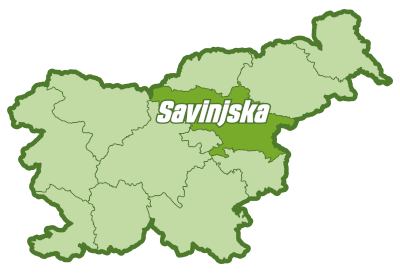
Interaktivni tematski zemljevid Vredno ogleda je namenjen pohodnikom, izletnikom in vsem, ki radi odkrivajo nove kotičke Savinjske regije.
Na enem mestu vam omogoča pregled lokalnih zanimivosti, naravnih znamenitosti in kulturne dediščine. Tako lahko hitro najdete idejo za izlet, načrtujete postanek ali odkrijete nekaj novega v svoji bližini.
Zemljevid pokriva območje statistične regije Savinjska in predstavlja vstopne točke do izbranih lokacij, ki jih lahko enostavno raziskujete glede na svoj interes in trenutno lokacijo.
Naj bo to kratek sprehod, nedeljski izlet ali aktivno raziskovanje – Vredno ogleda vas vodi do doživetij, ki jih ne smete spregledati.
Pojasnilo ikon v info-box zavihku
Odpri vsebino v oblaku (če obstaja). Če vsebine v oblaku ni, klik prikaže povečano sliko info-box zavihka.
Odpri lokacijo na Google Zemljevidu in prikaži točko, ki jo opisuje info-box.
Obišči zunanjo spletno stran, povezano s točko ali vsebino info-boxa.
⇦ Sort GEO points by distance from your location
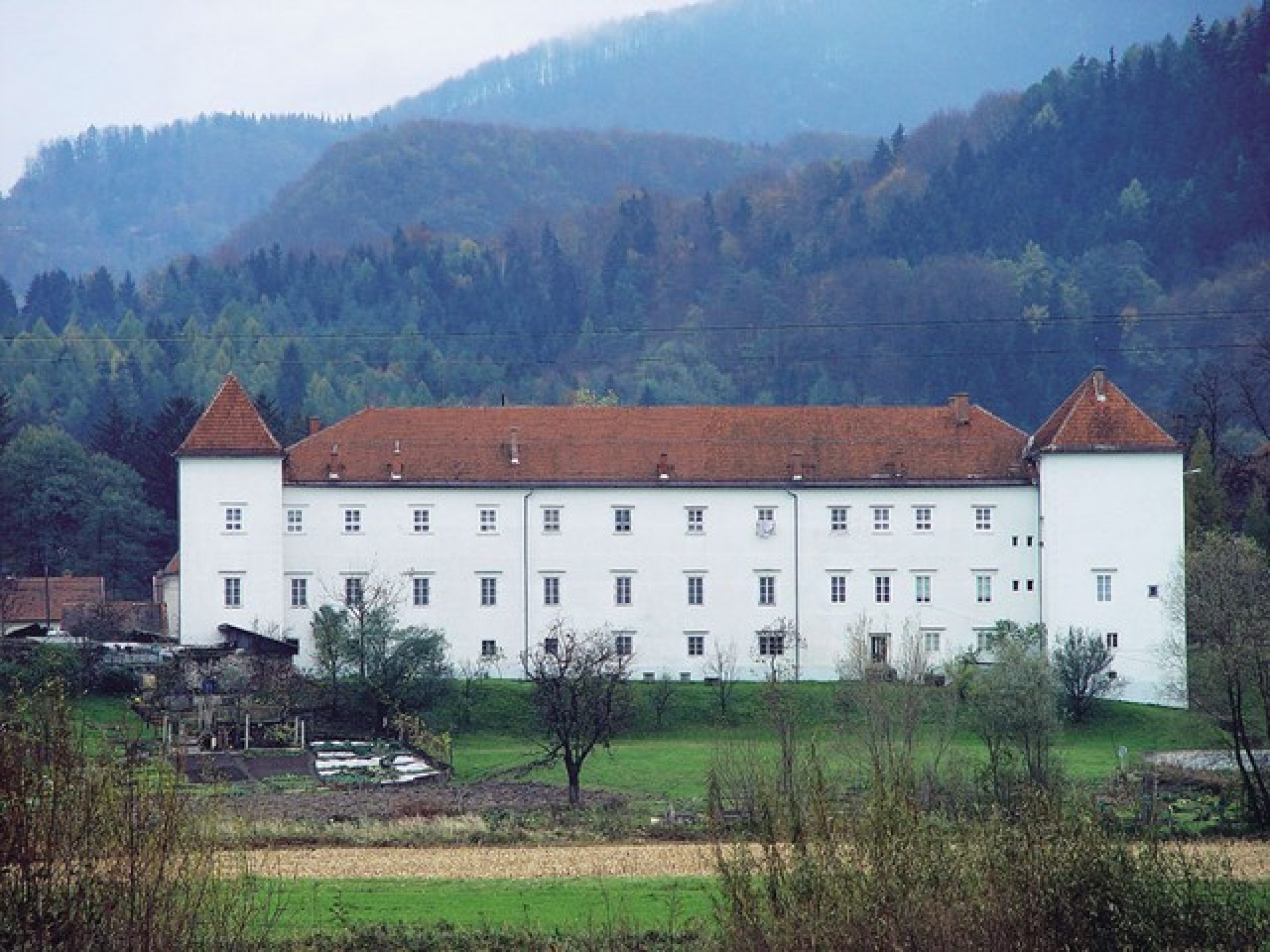
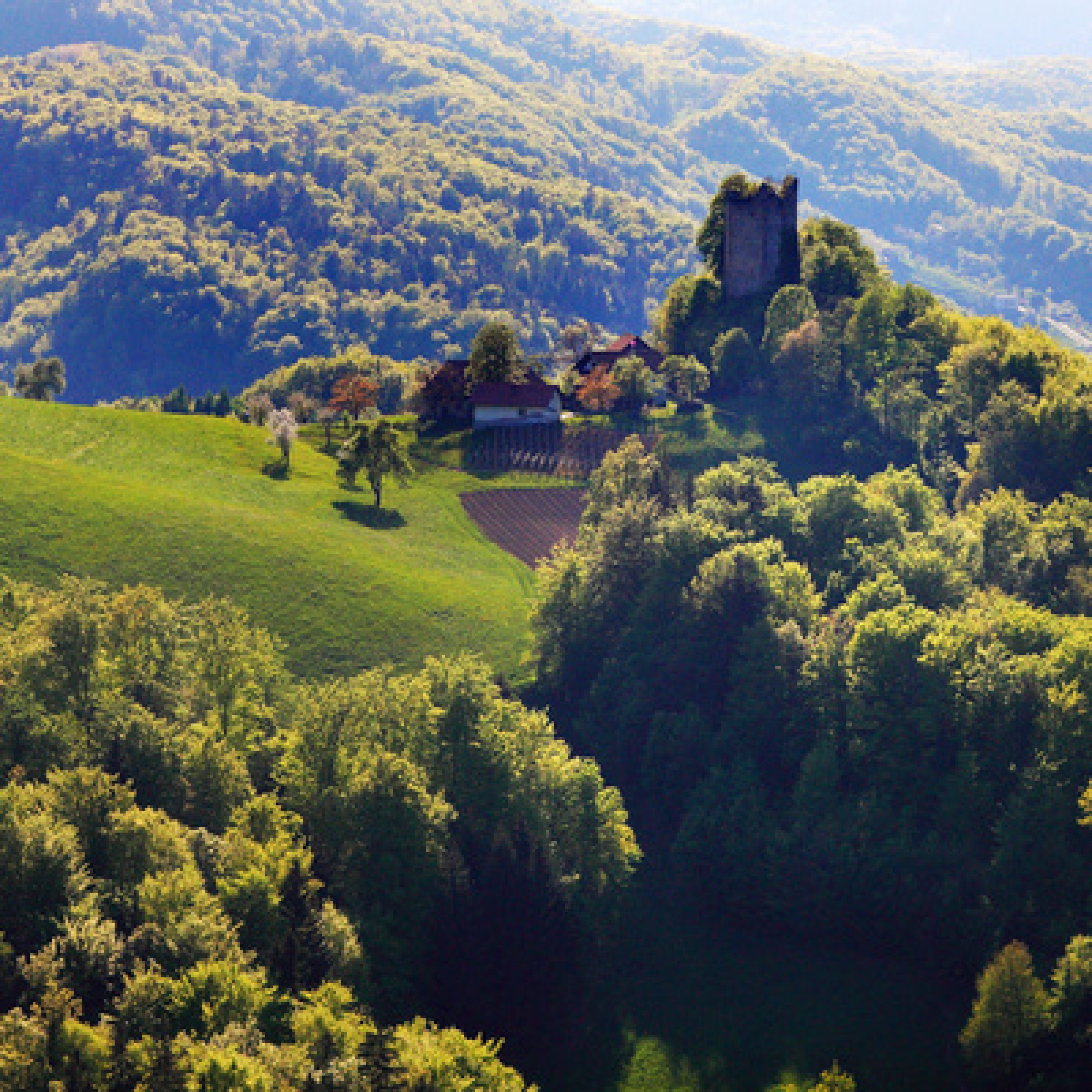
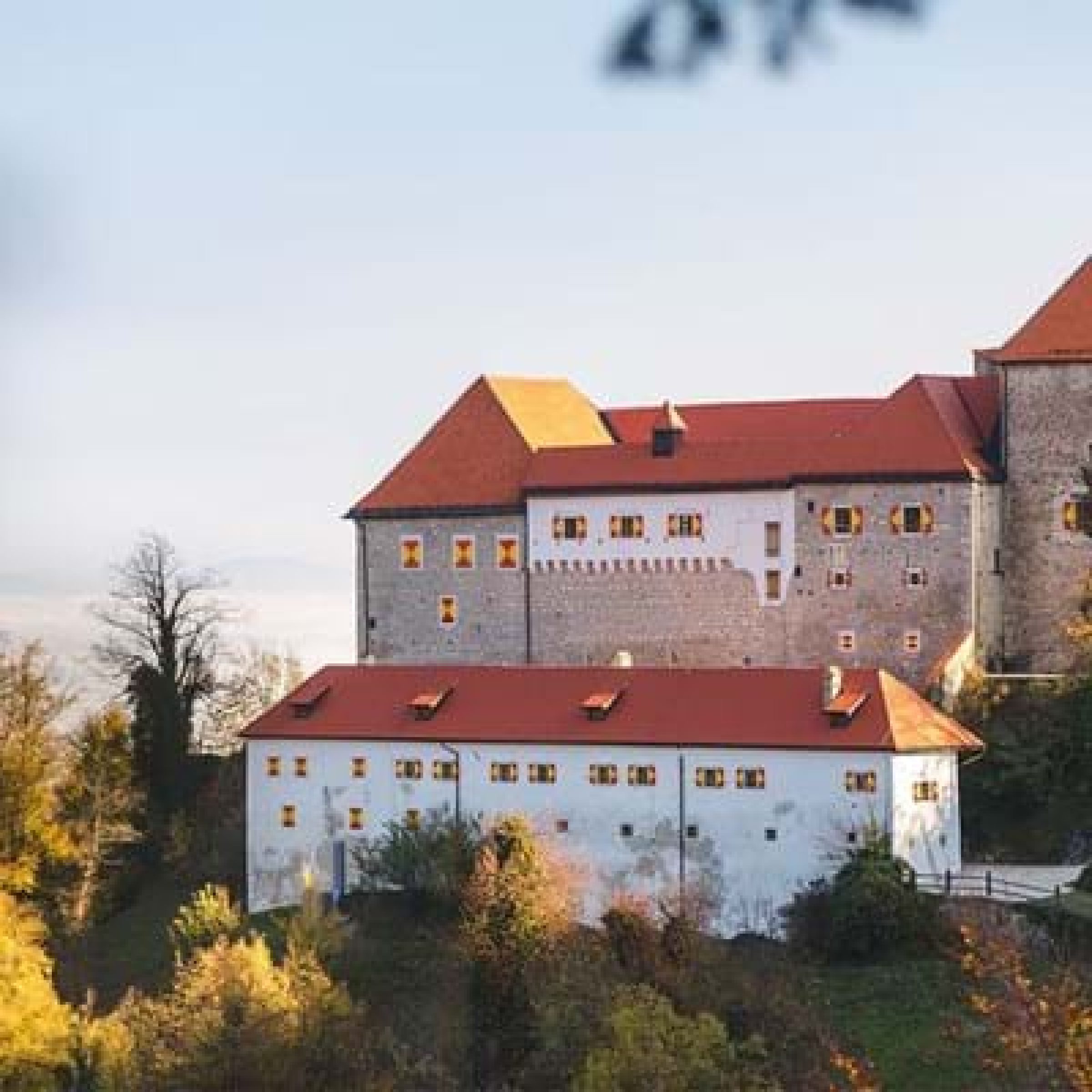
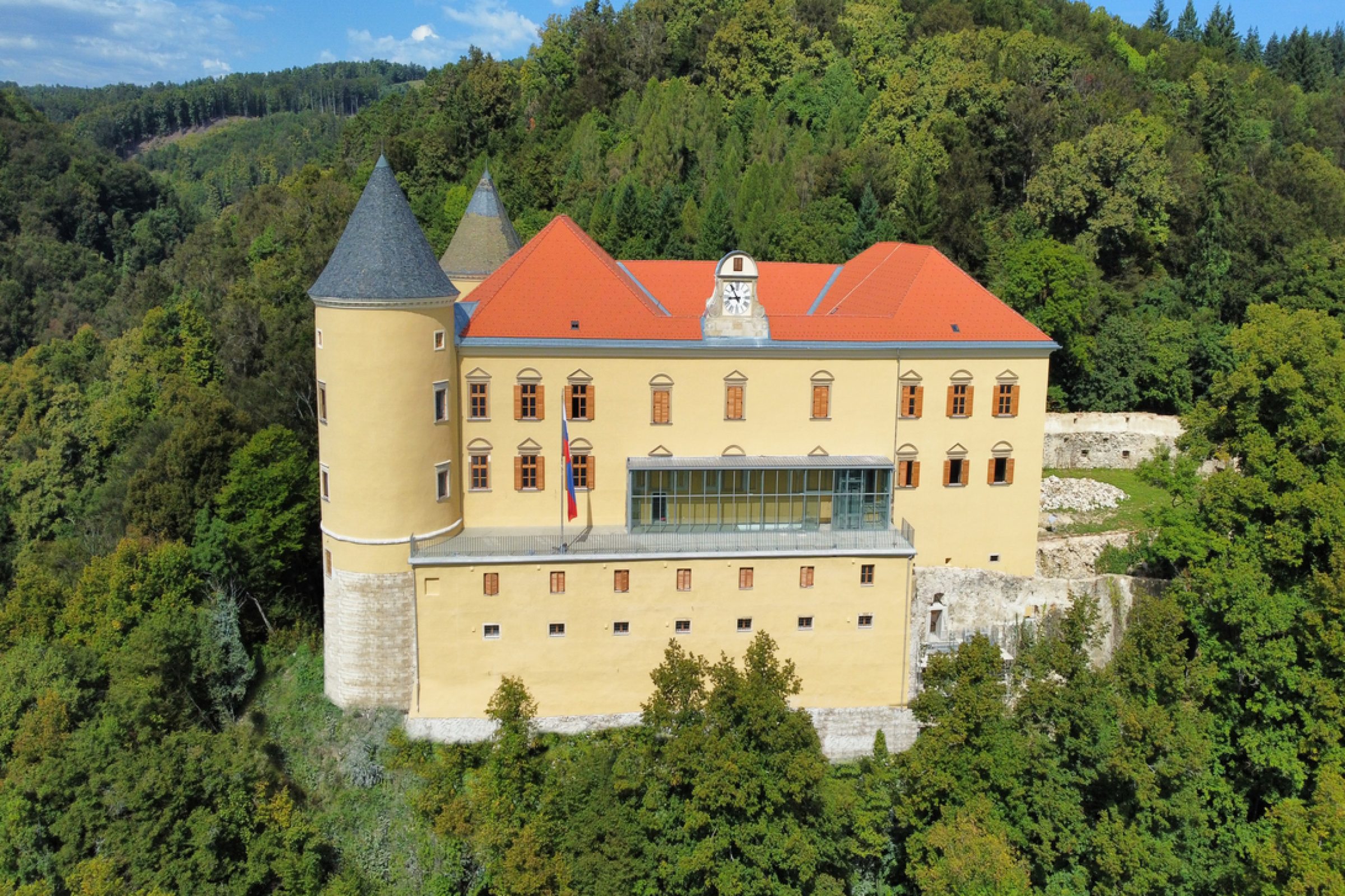
Šalek Castle
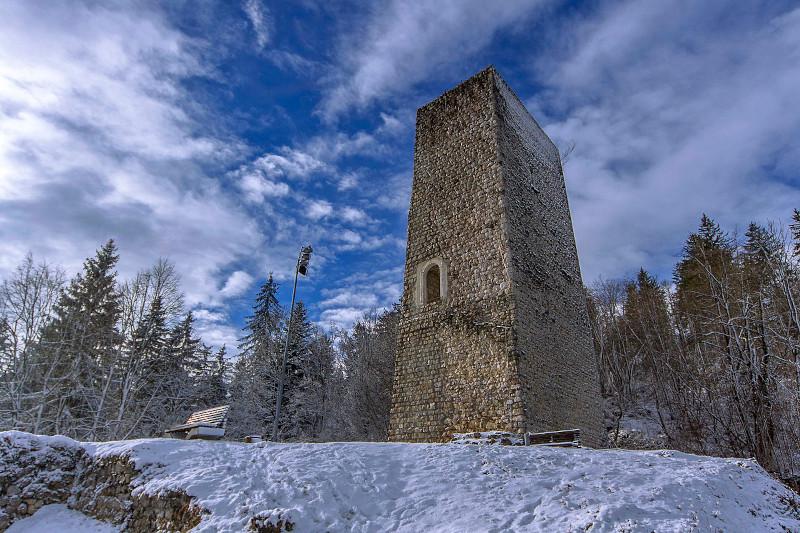
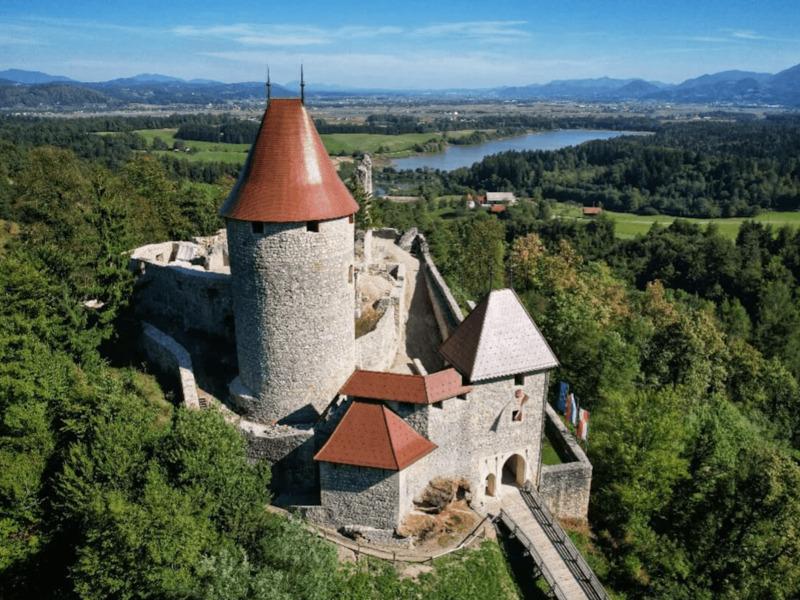
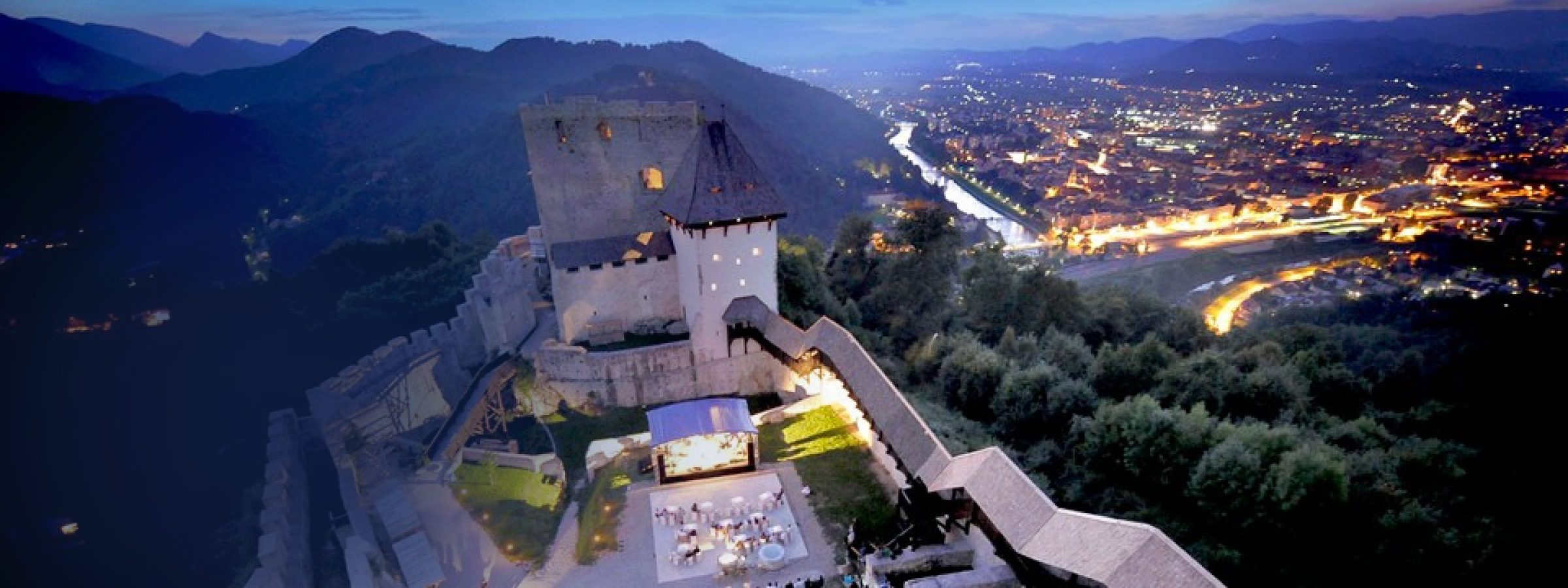
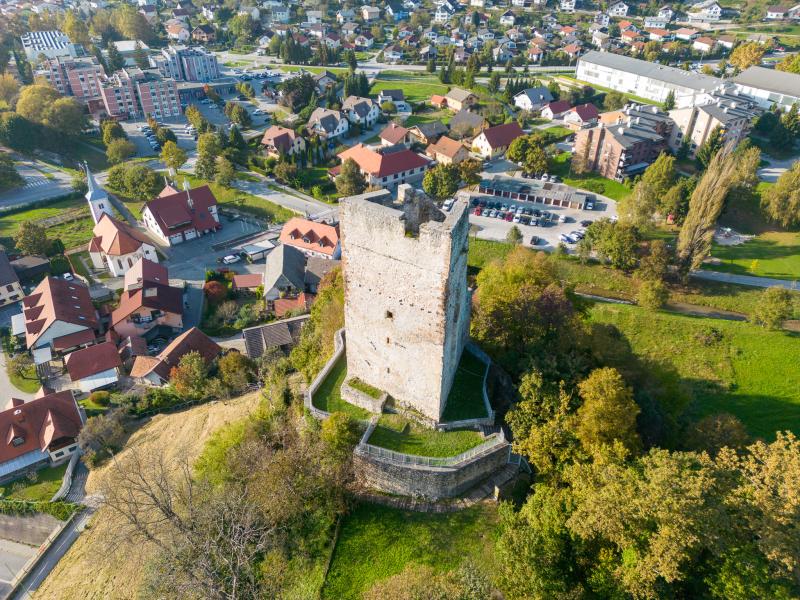
Šalek Castle Šalek Castle stands on a steep hill above the level of the Šalek settlement, after which the entire Saleska Valley is also named, near the municipality of Velenje. It was abandoned in the 18th century. The tower that still stands today is the oldest part of the castle and has a triangular ground plan, which is a unique feature in Slovenia and Europe...
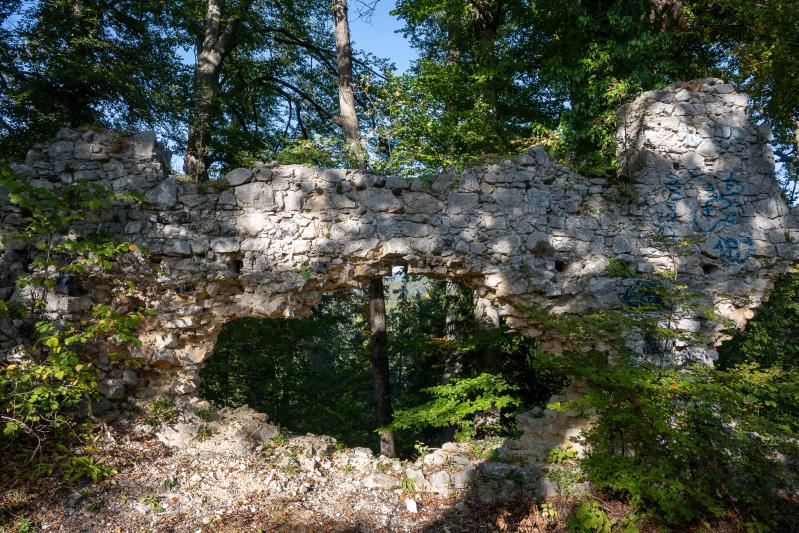
Ruins of Eknštajn Castle
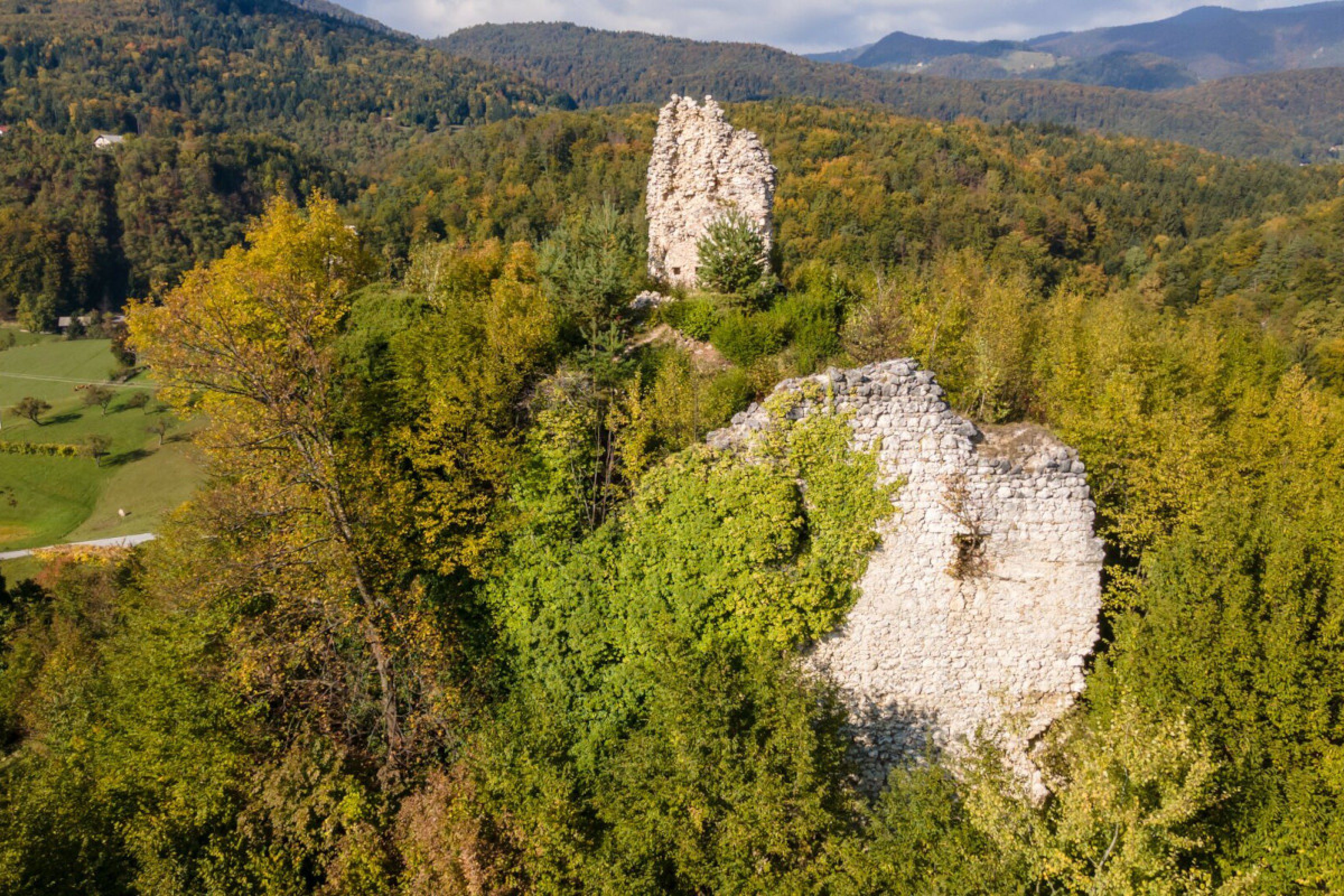
The ruins of Eknštajn Castle are a picturesque historical landmark in the heart of Slovenia, ideal for a trip into nature and exploring medieval heritage – visit them today and discover wonderful views and the secrets of the past.
Velenje Castle
Velenje Castle is one of the best-preserved Renaissance fortresses in Slovenia, offering views over the town of Velenje, rich museum collections and beautiful surrounding nature – visit it and experience history on one of the most beautiful scenic hills of the Saleska Valley.
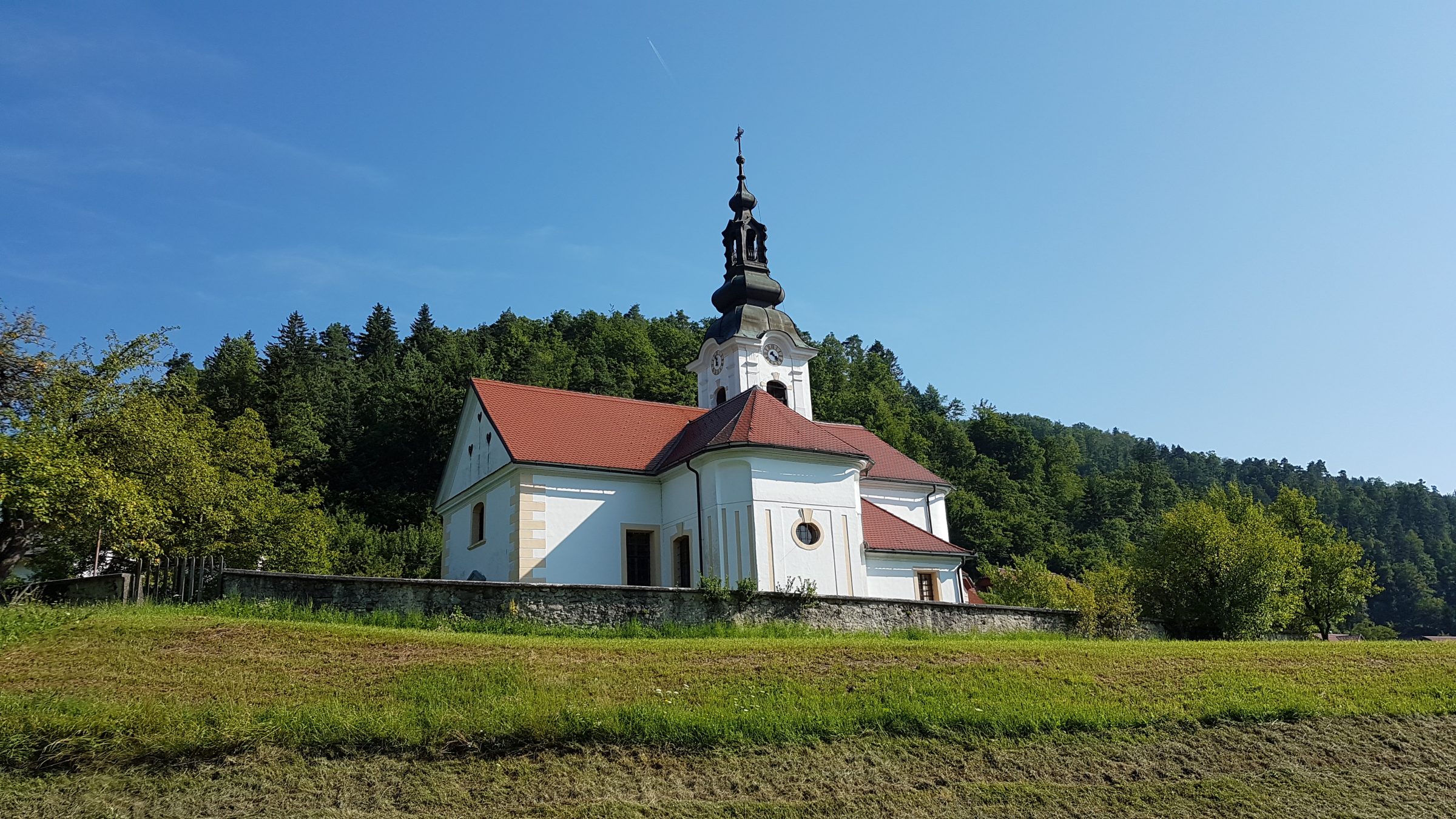
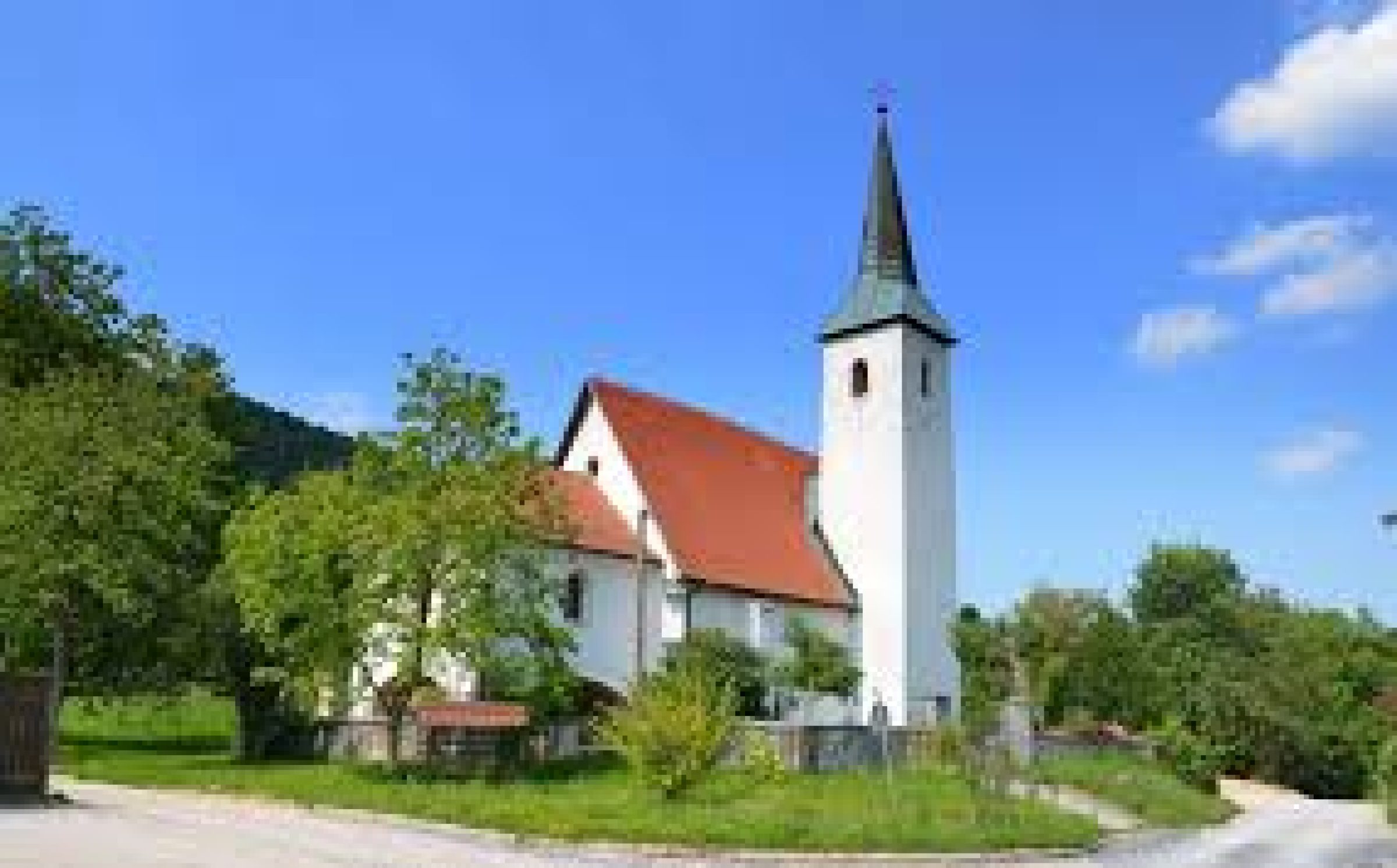
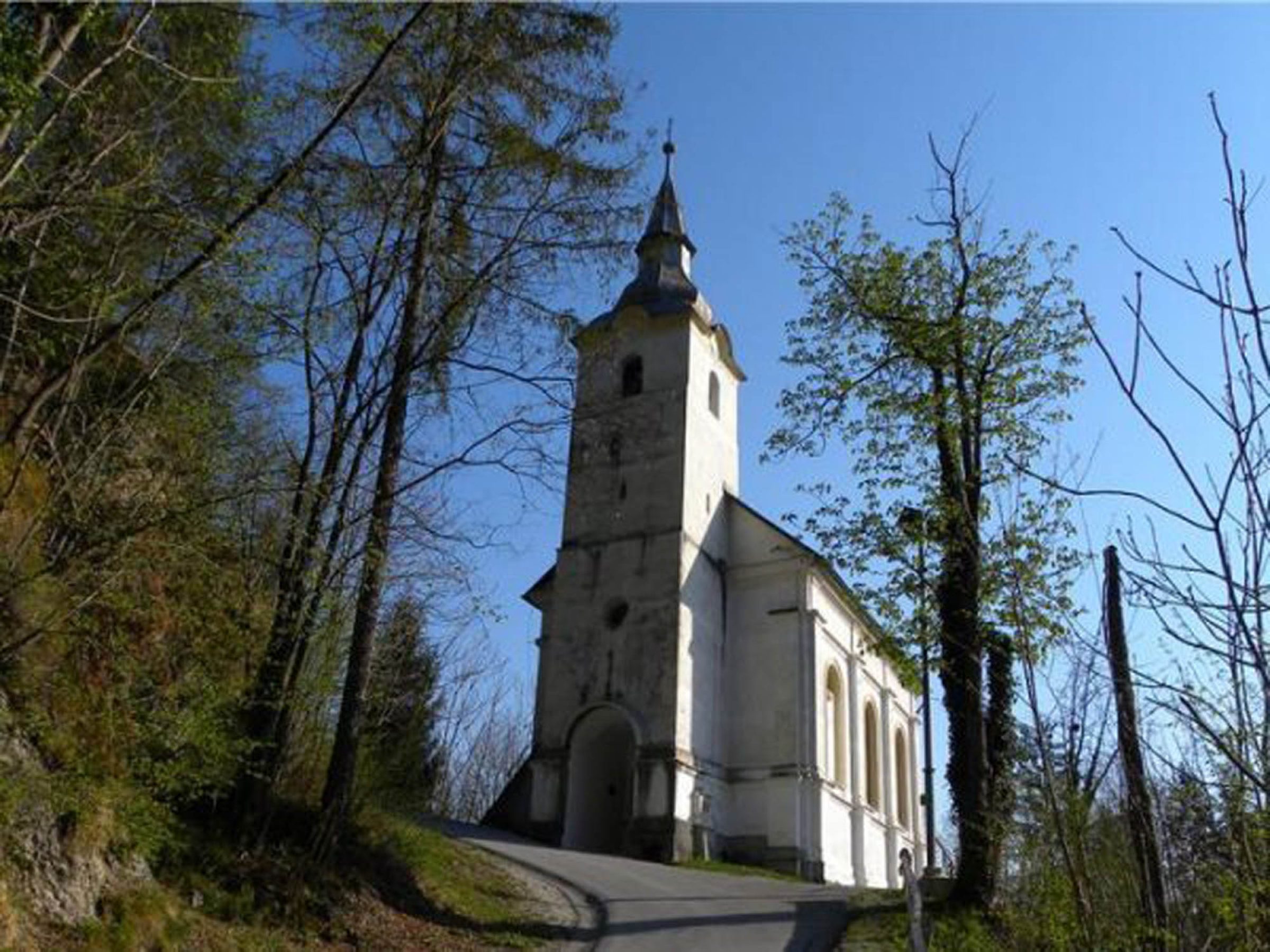
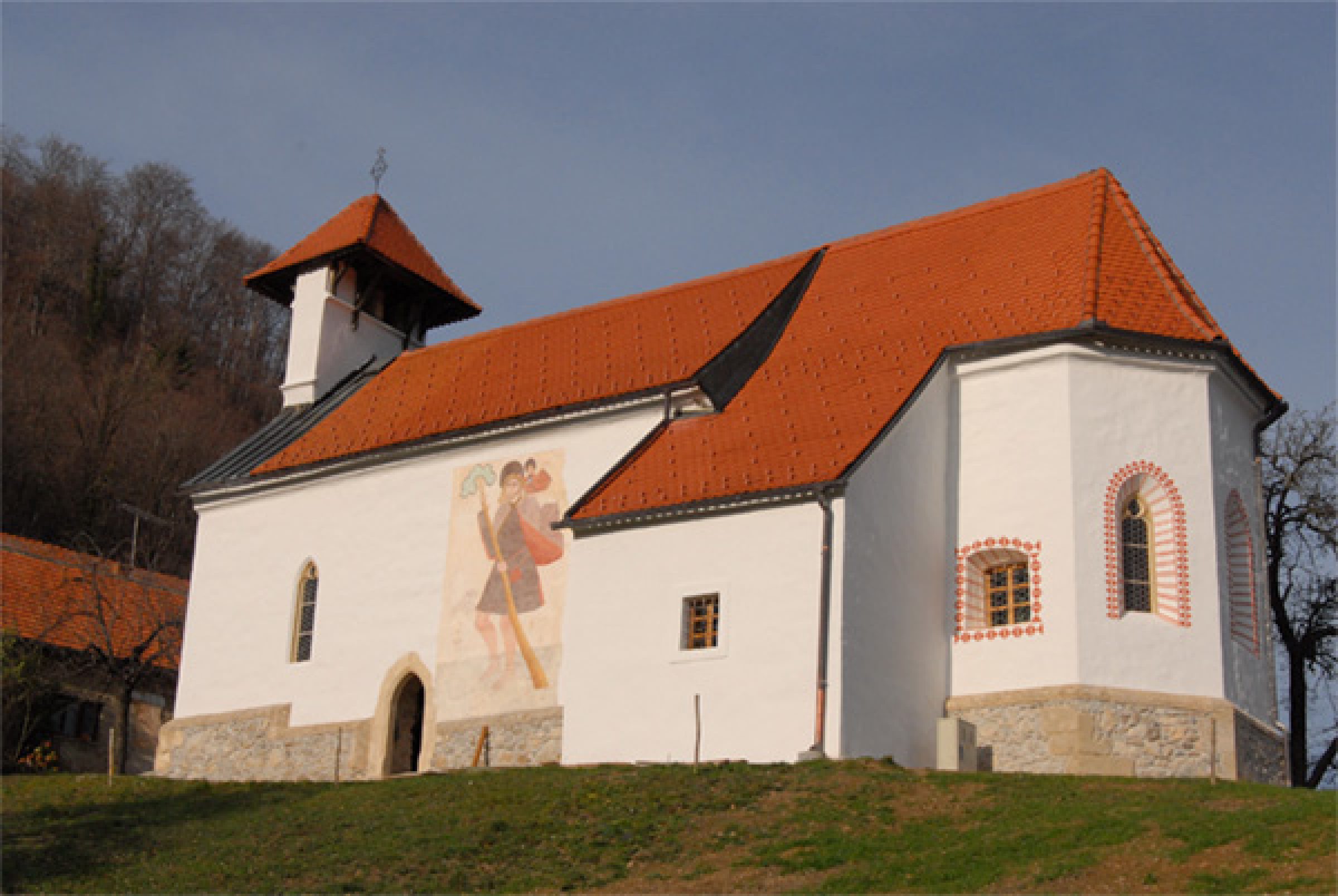
Church of St James (Jakec)
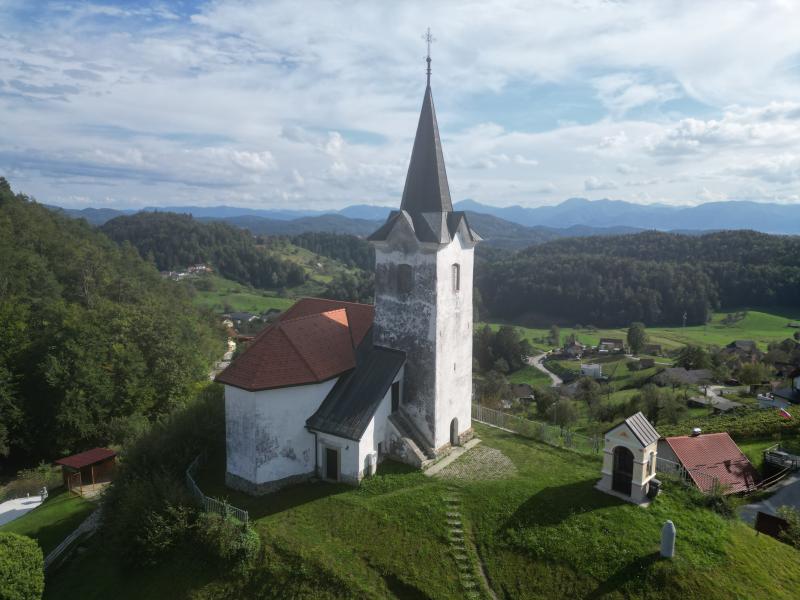
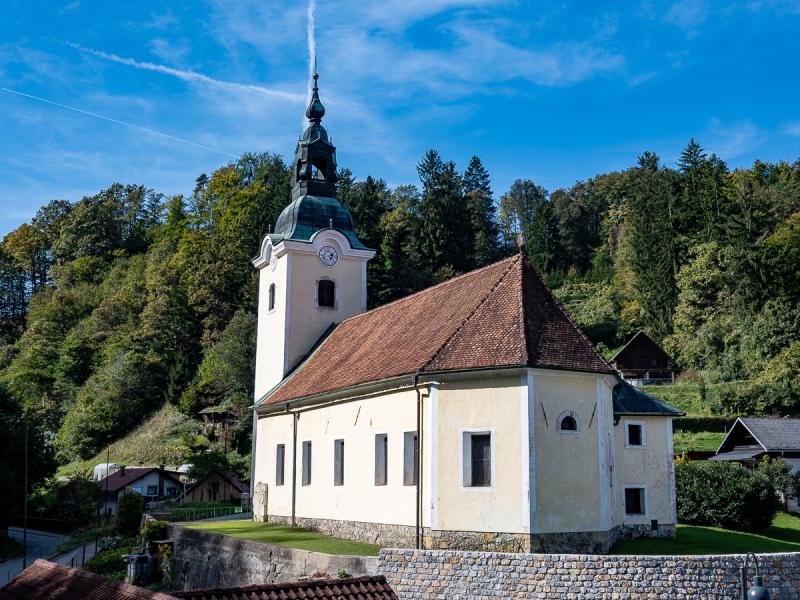
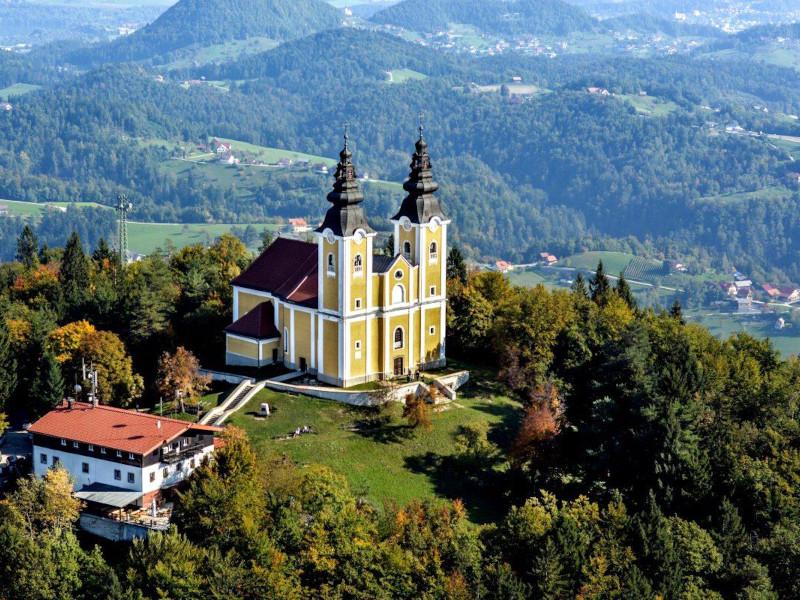
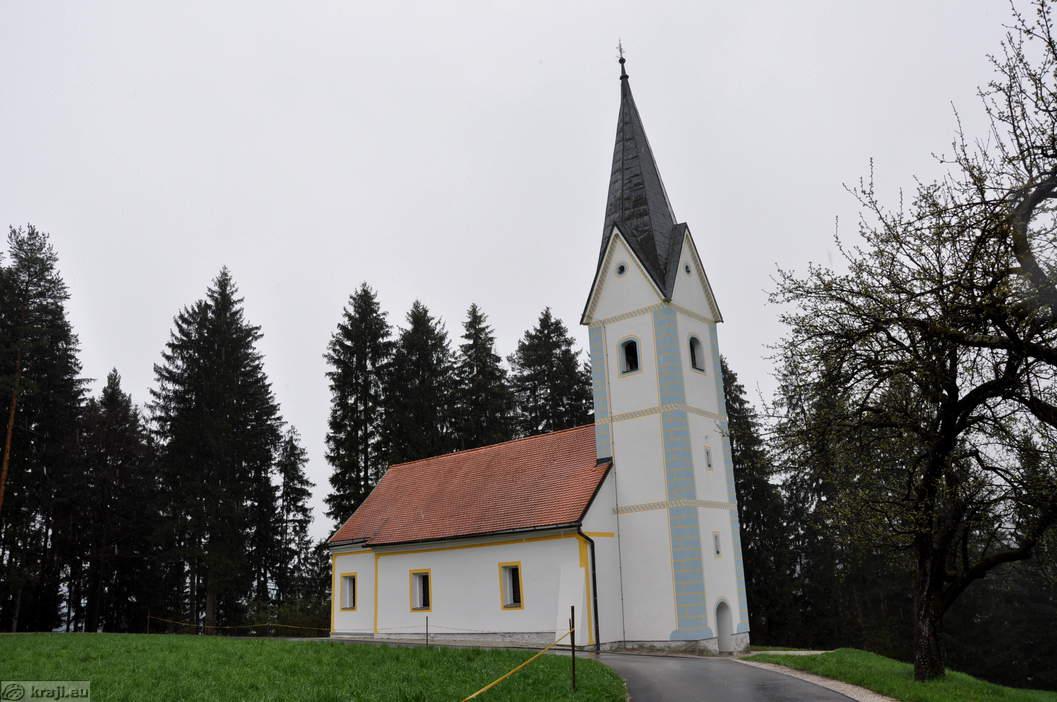
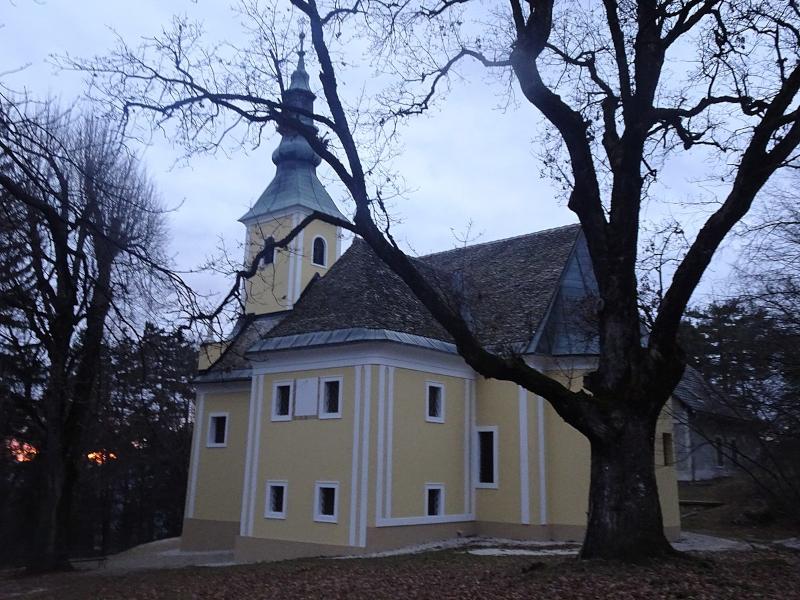
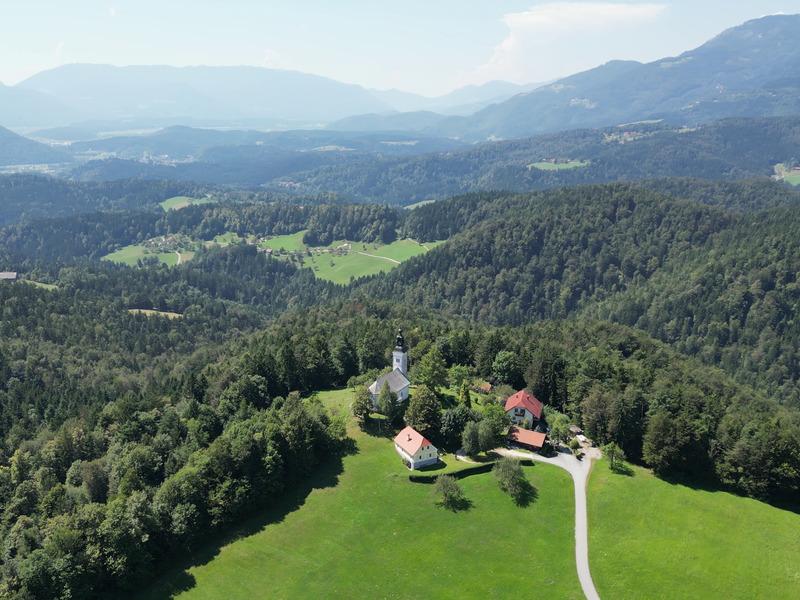
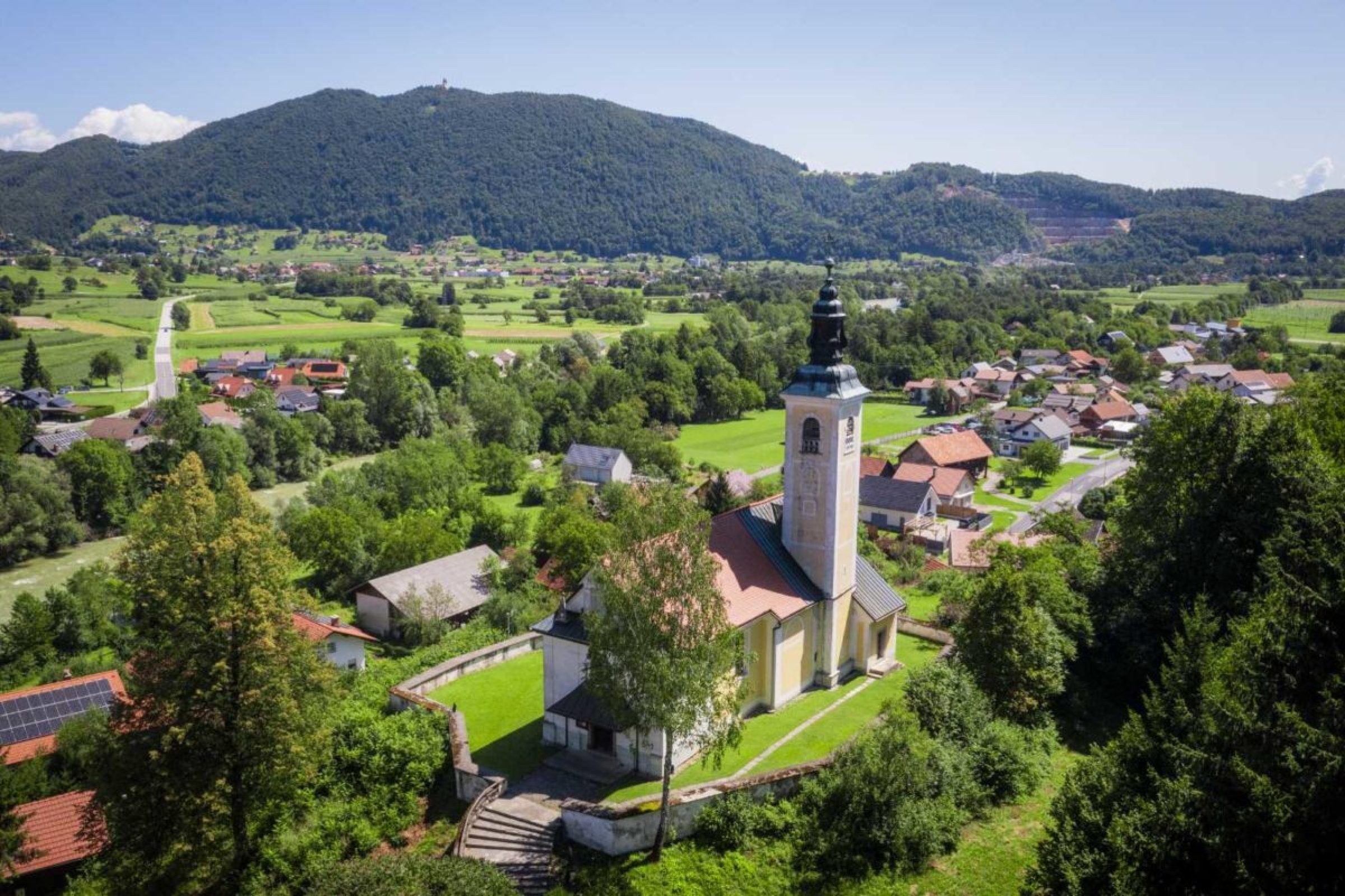
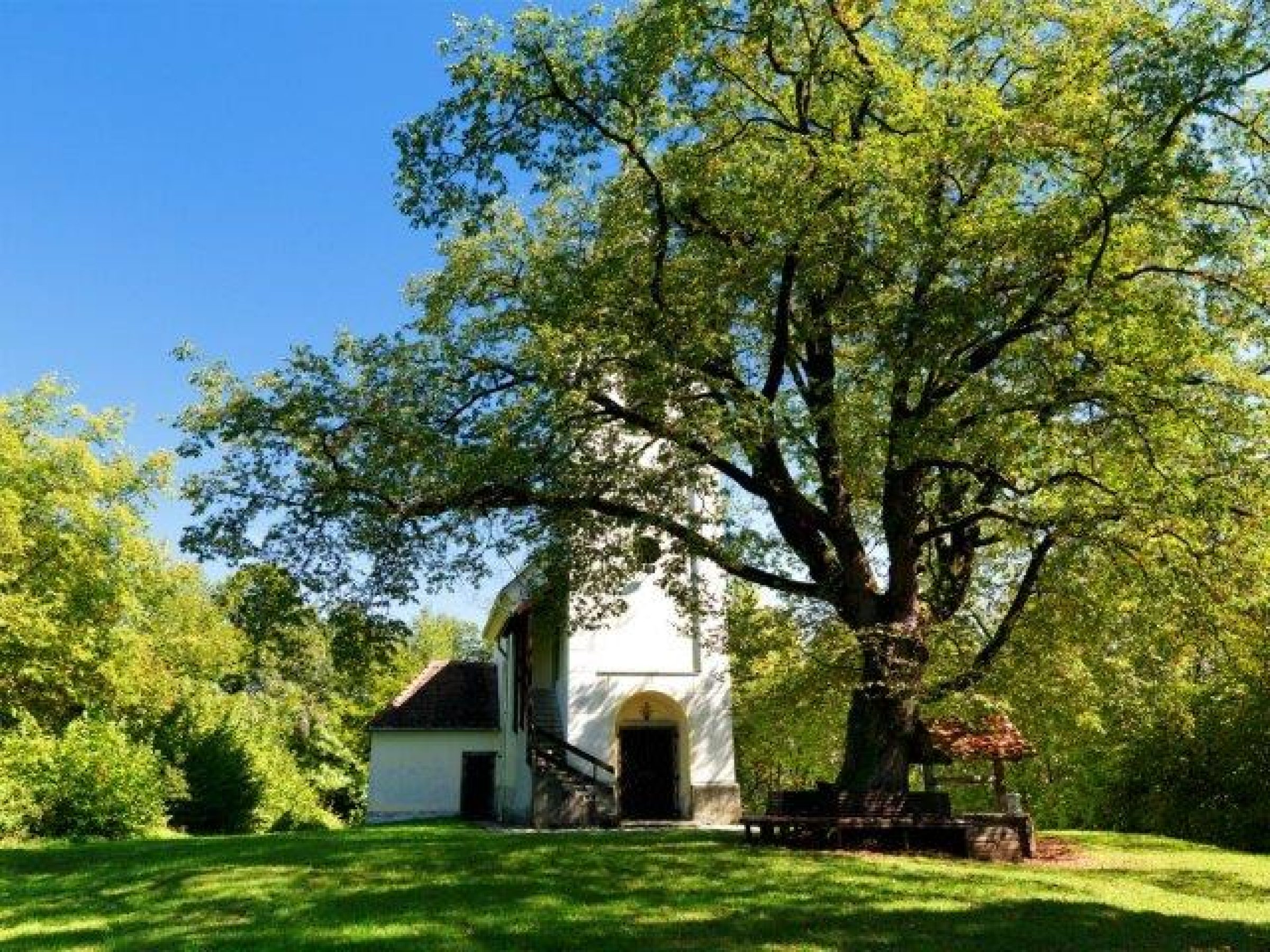
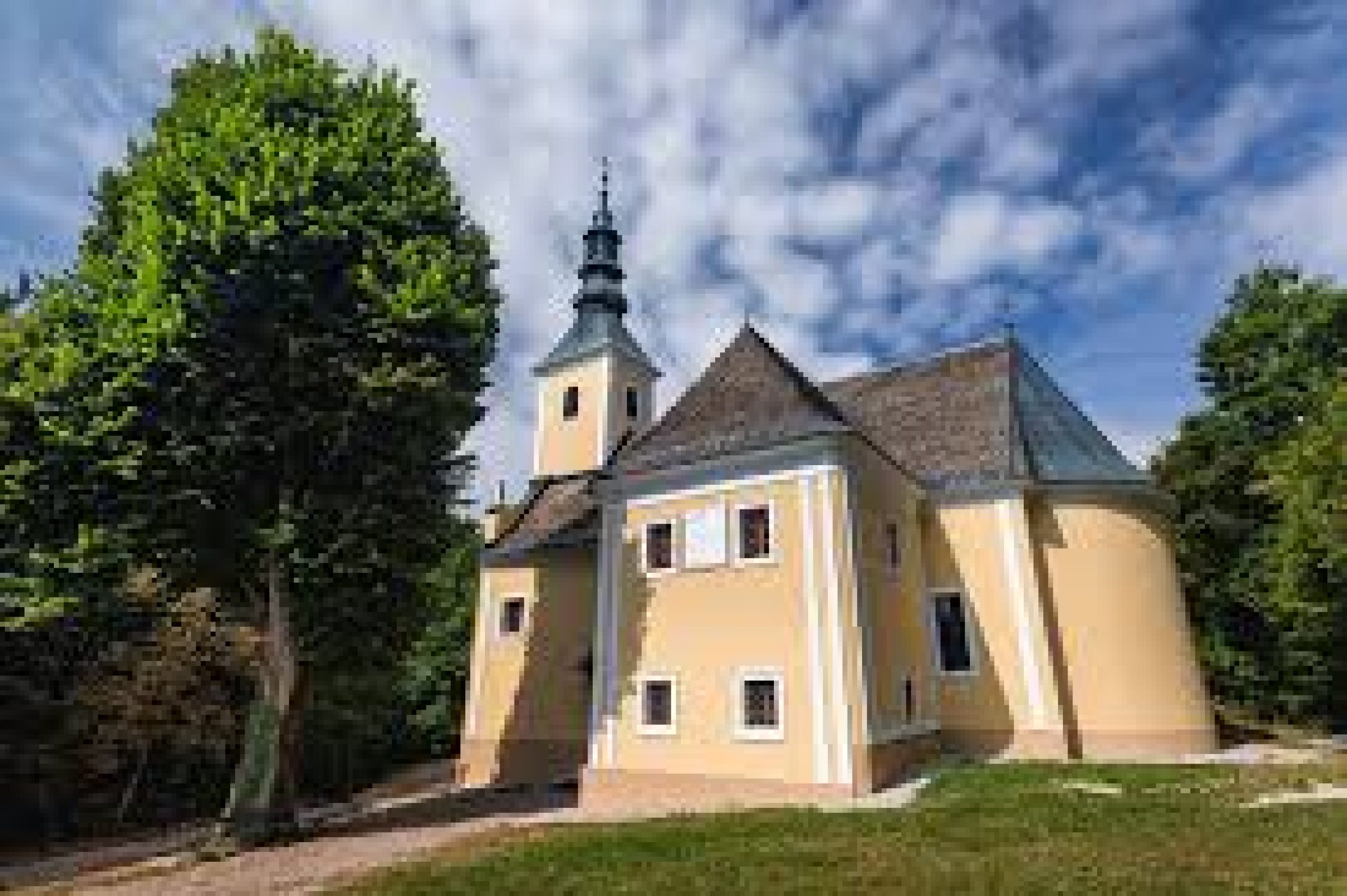
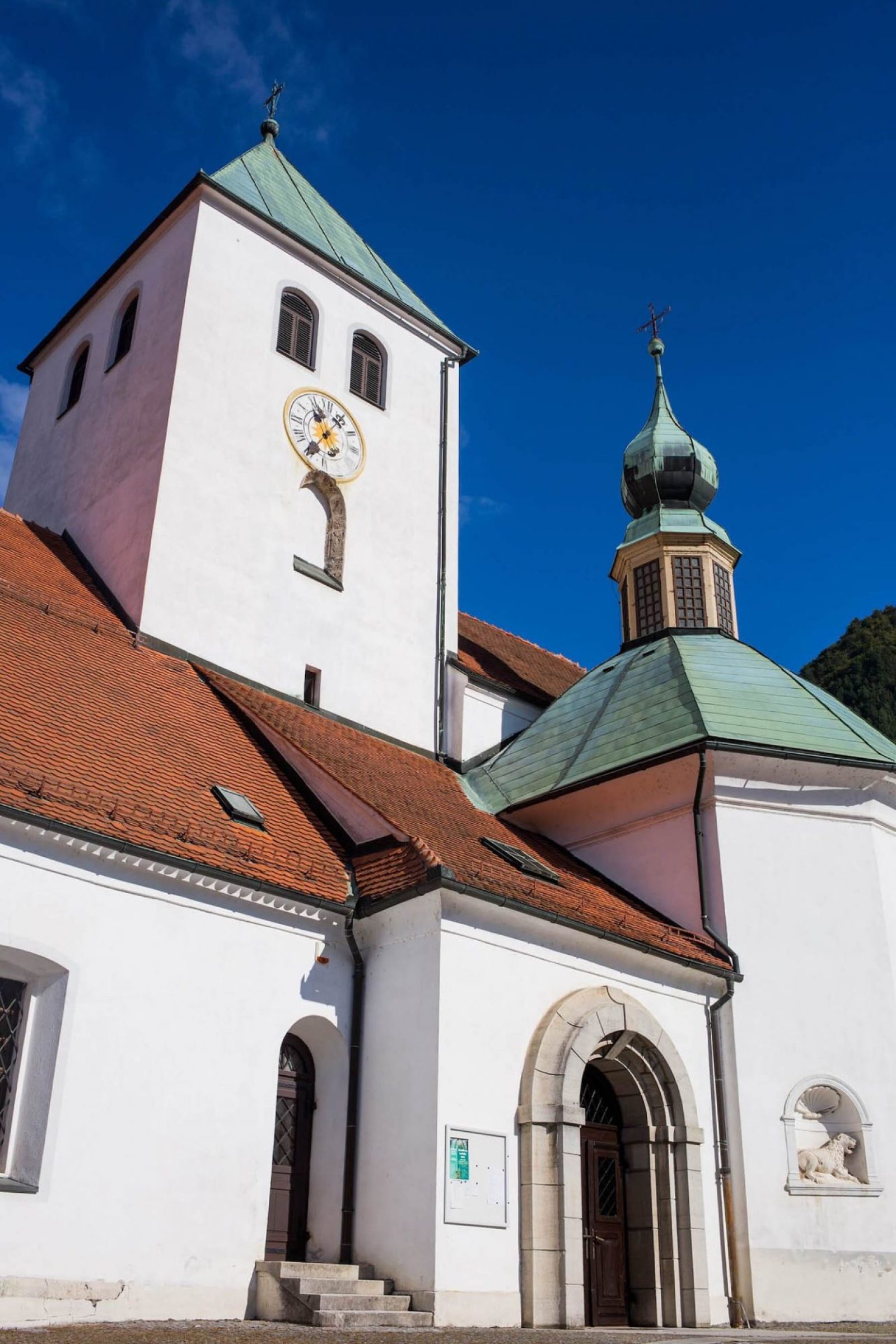
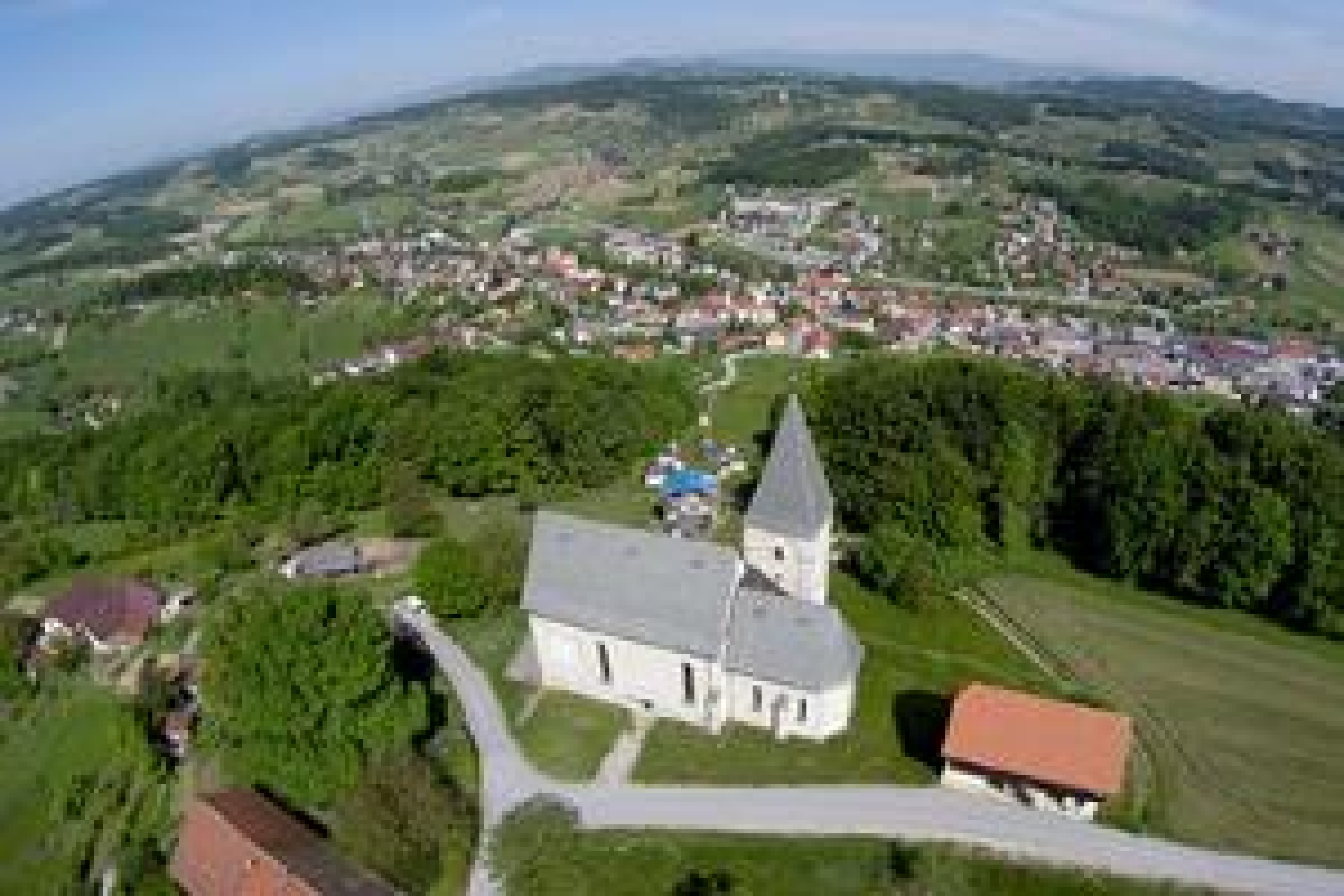
Lookout point, a monument of Romanesque architecture. The Church of St James The Church of St James, also known as Jakec, is a popular excursion spot for the people of Velenje. It sits on the Gradišče hill at an altitude of 528 m, on the southern edge of the Saleska Valley...
PUMPTRACK
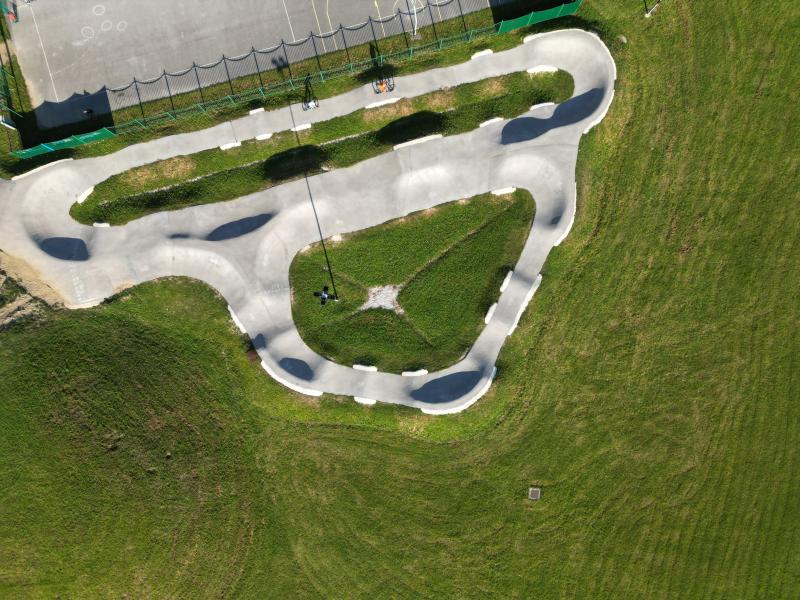
The Velenje Pumptrack is a modern sports facility in Velenje, intended for cyclists, skateboarders and scooter riders of all generations – visit it and experience an adrenaline-filled ride and active leisure time in the heart of the Saleska Valley.
Church of St Andrew
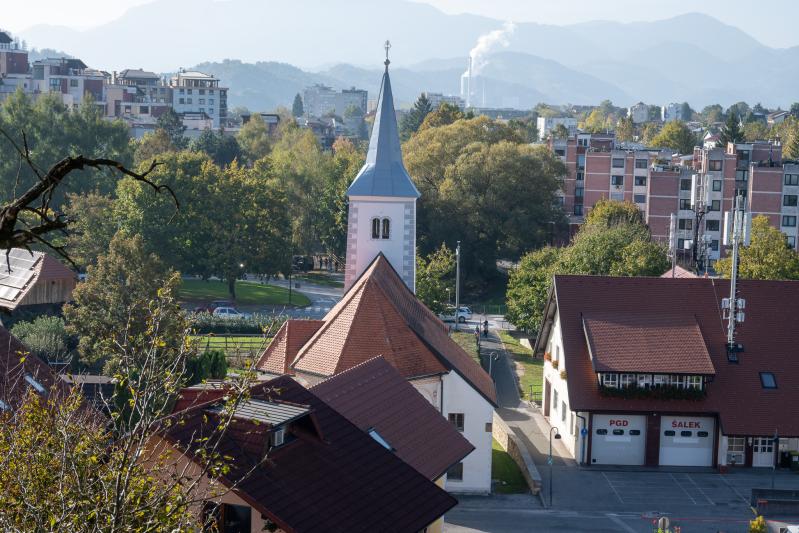
The Church of St Andrew in Velenje is an important sacred landmark in the centre of Velenje, known for its history, architecture and peaceful atmosphere – visit it and experience the spiritual and cultural heritage of the town of Velenje.
Church of St Martin
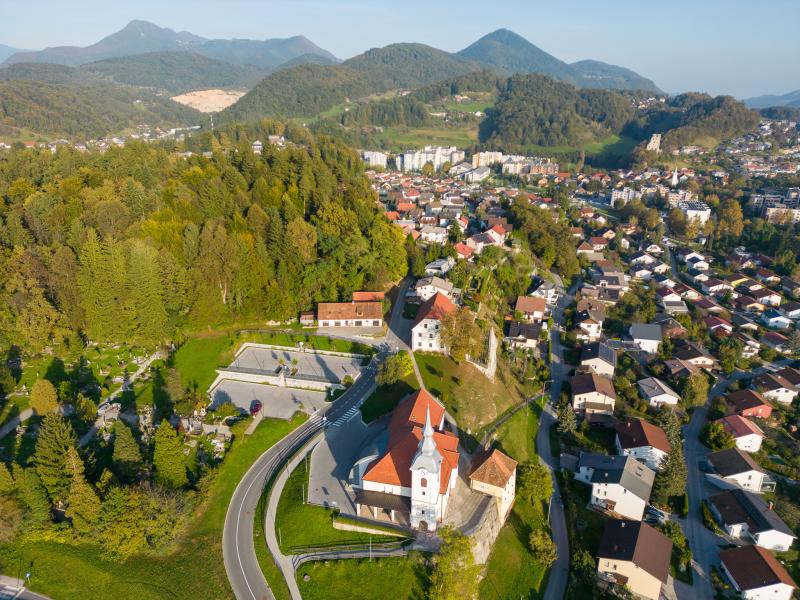
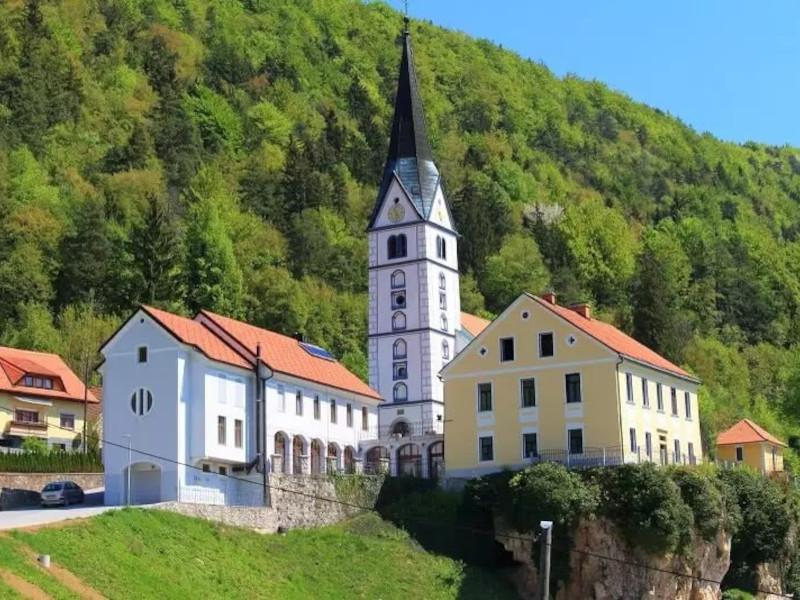
The church sits on a small rise at the edge of Velenje and was already mentioned in the mid-13th century. Its present-day core is still medieval or at least Renaissance, while the new part of the church dates from 1874. The building is valuable above all for its historical tradition and its dominant location, which makes it especially distinguished within the landscape...
Ramšakov vrh
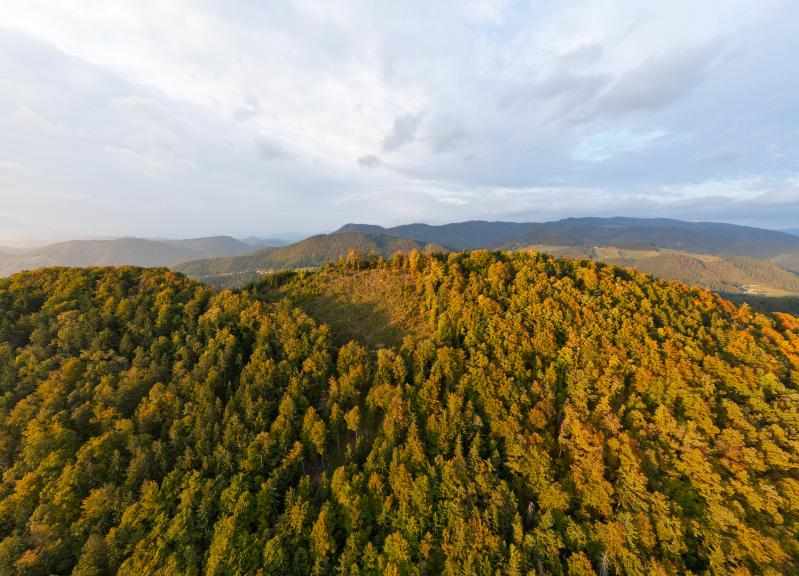
Ramšakov vrh is a popular lookout point near Velenje with wonderful views of the Saleska Valley and the surrounding hills – visit it for a relaxing hike and an unforgettable nature experience.
Roller Rink
The Velenje Roller Rink is a popular sports facility in Velenje, intended for roller skating and active leisure time for all generations – visit it and enjoy fun recreation in the centre of the Saleska Valley.
Velenje Ski Jump
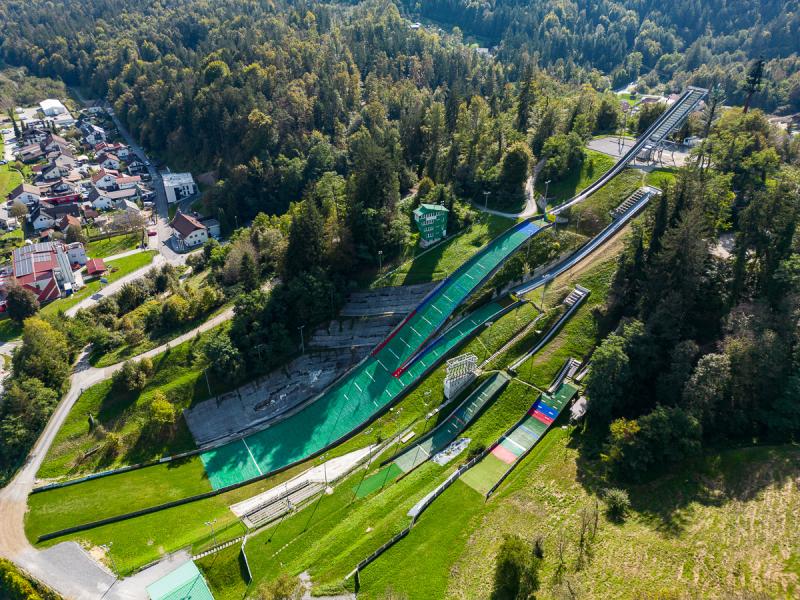
Below Velenje Castle on Castle Hill, a new ski-jumping centre was opened in the spring of 2017, featuring as many as six ski jumps...
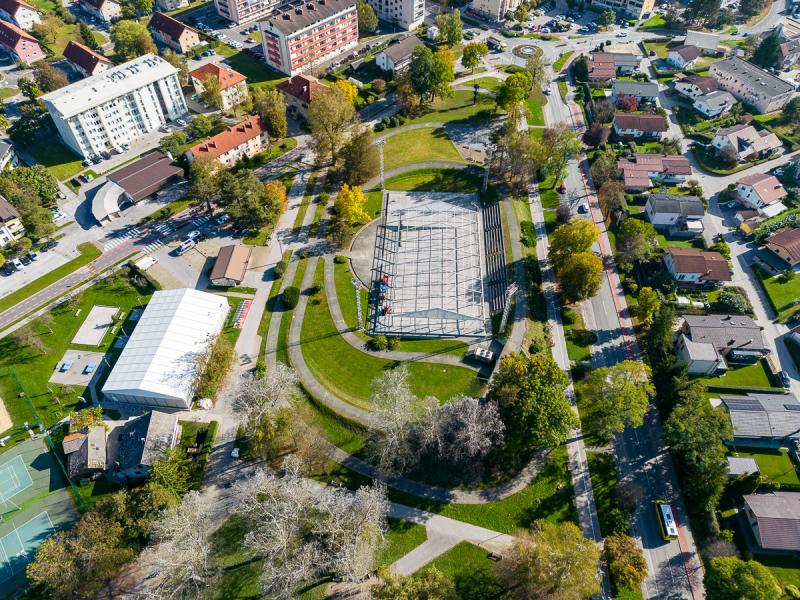
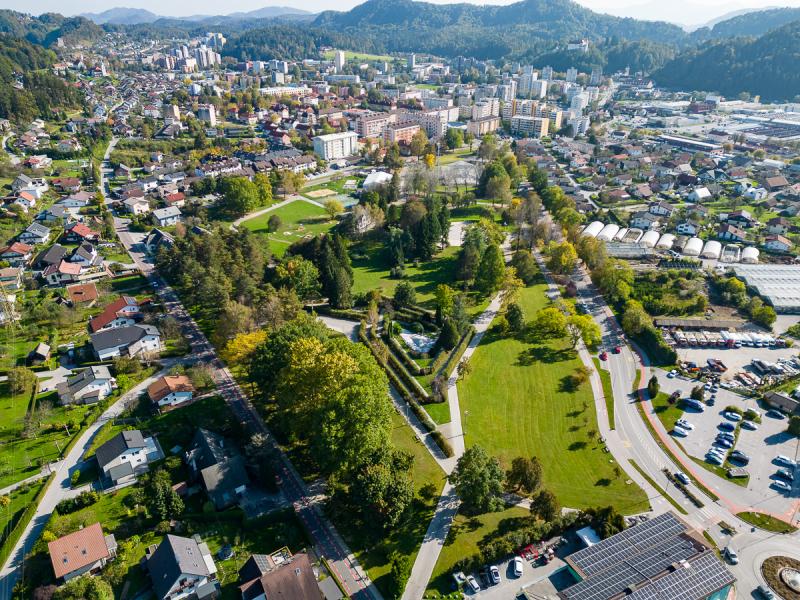
Sončni Park Velenje is a pleasant town park in Velenje, ideal for walks, relaxation and family leisure time surrounded by greenery – visit it and enjoy a peaceful corner of nature in the middle of the town.
Church of St Mary
The church below Velenje Castle, which appears in old records under the name Our Dear Lady in Velenje, is first mentioned in written sources in 1477. It is medieval at its core and was built at the same time as the settlement below the castle, that is, in the mid-13th century, as a proprietary church of the lords of Velenje or as a chapel of ease of the Škale parish...
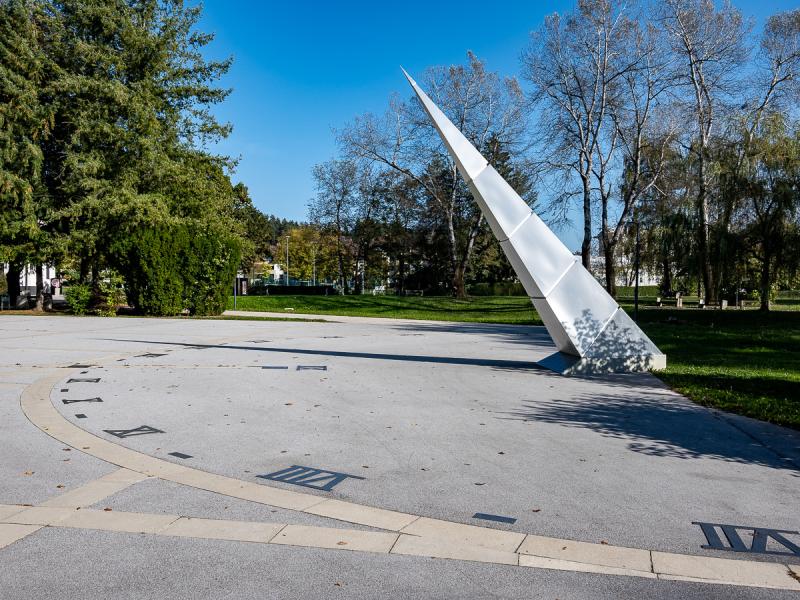
sundial A sundial is an ancient device for showing the time. To work, all you need is the sun and a clear sky...
Pusti grad Castle
Šoštanj Castle, also known as Pusti grad (German Schonstein), stands in the middle of a steep slope in the Municipality of Šoštanj. The German name of the castle, on which the Slovenian name is also based, literally translates as beautiful stone, that is, the beautiful castle...
Tresimir's Spring
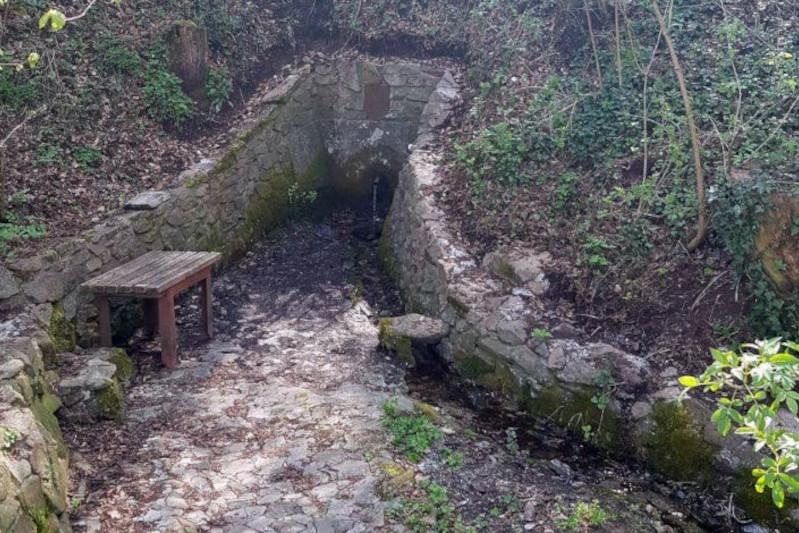
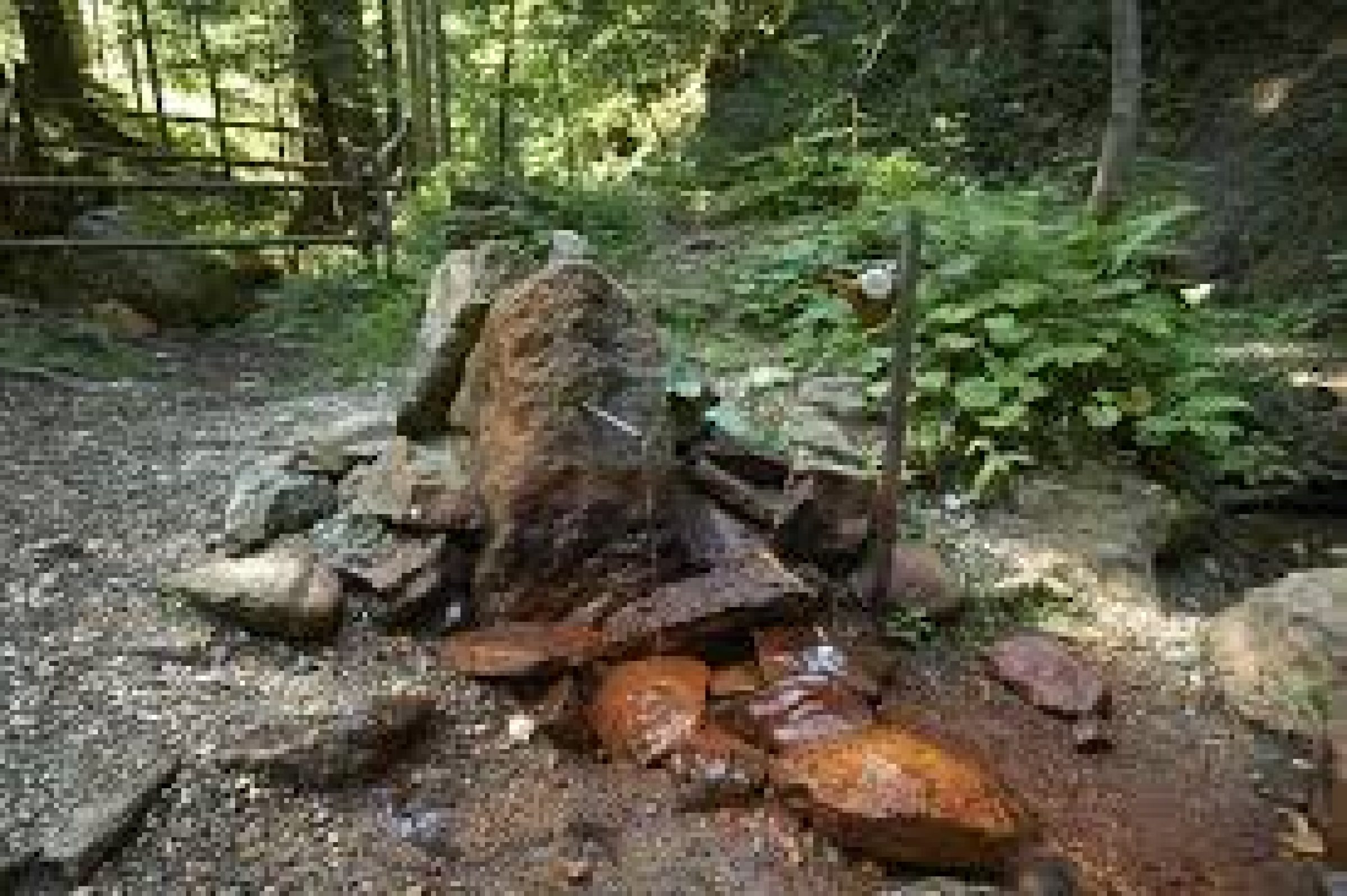
Tresimir's Spring The water of the spring rises from beneath the Lokovica slope. As far back as the previous century, the local inhabitants used it for drinking. They also "watered" sick livestock with it, because they believed it had healing properties...
Parish Church of St John the Baptist
This Gothic church in Škale near Velenje, a former Romanesque baptistery from the 13th century with vaults, portals and preserved frescoes, is considered one of the most beautiful sacral monuments of the Saleska Valley – visit this unique historical landmark in northern Slovenia.
Mount Smrekovec
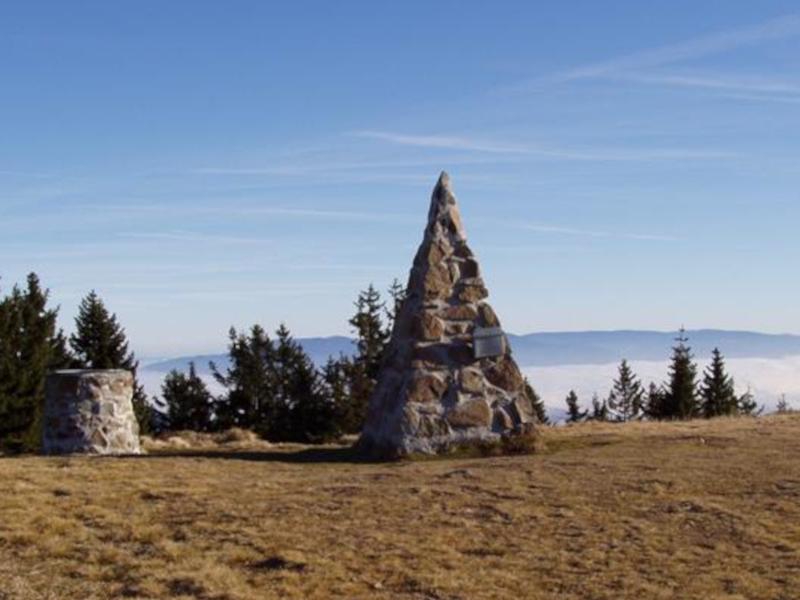
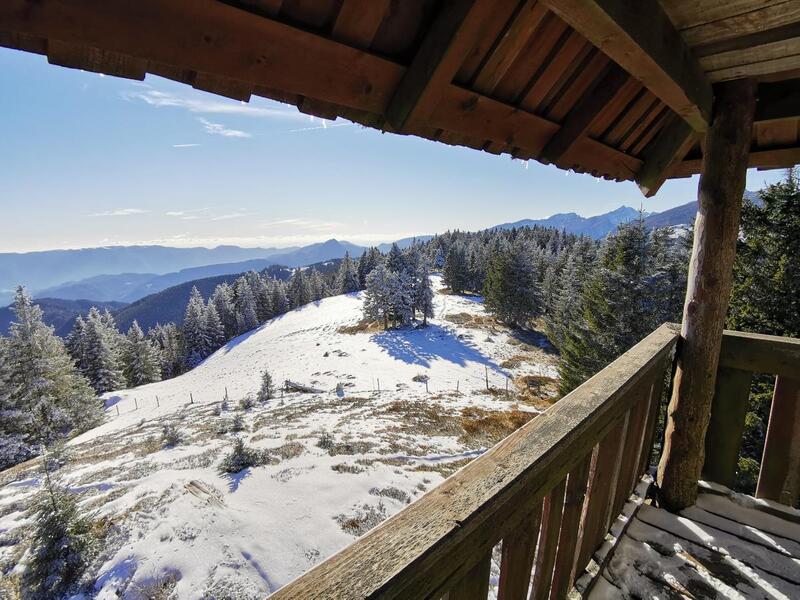
The viewpoint pyramid on Smrekovec is a popular mountain spot with exceptional views, ideal for hikers and nature lovers – visit it and experience one of the most beautiful panoramic peaks of northern Slovenia.
Lake Velenje
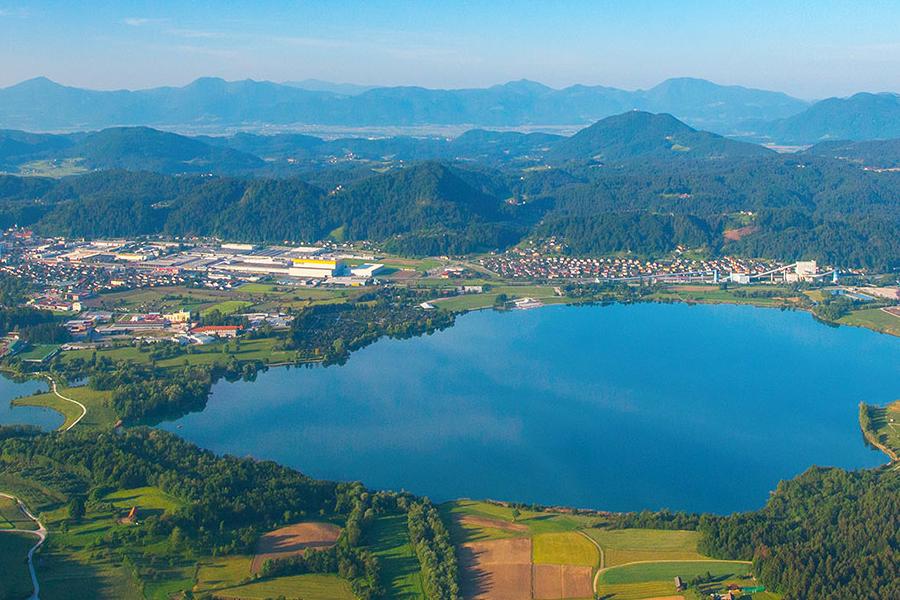
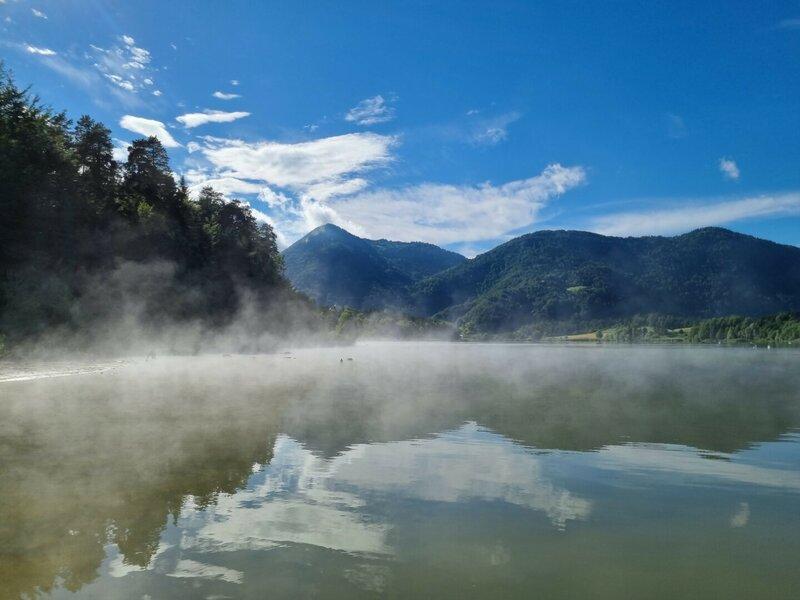
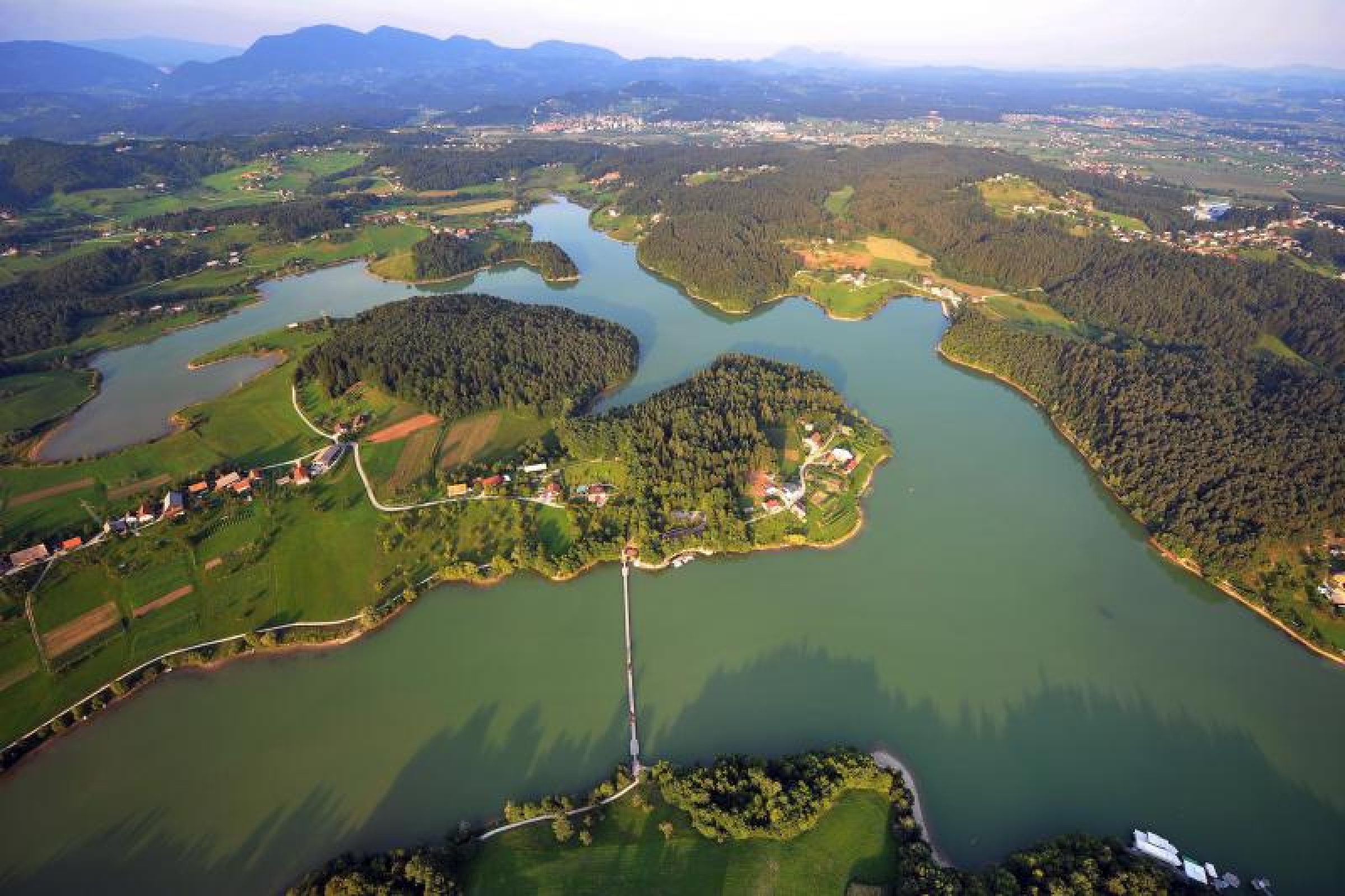
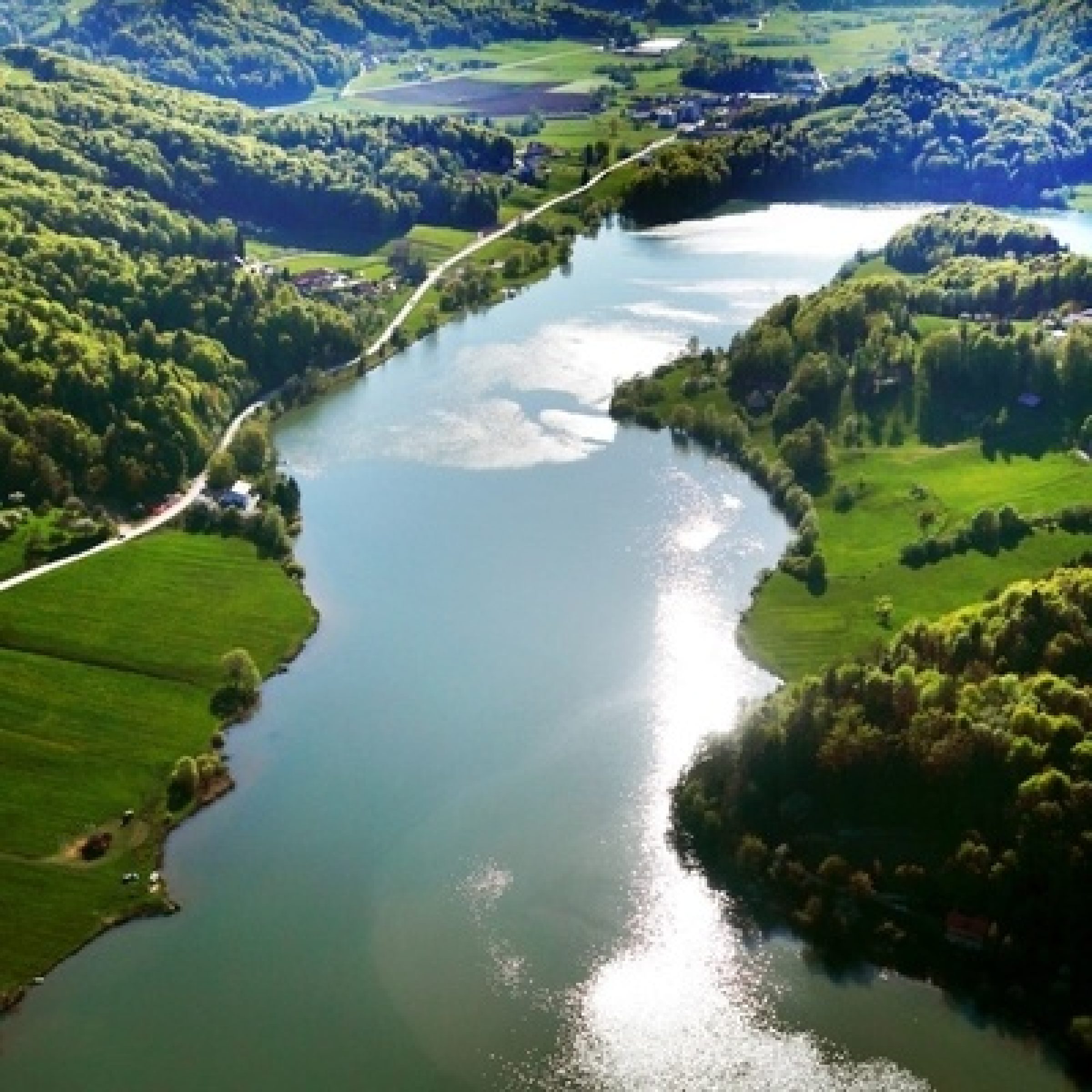
Lake Velenje is the largest and one of the cleanest lakes in the Saleska Valley, popular for swimming, walks and water sports – visit it and enjoy relaxation by the wonderful blue water surface in the immediate vicinity of the town of Velenje.
Gora Oljka
Gora Oljka, or by its old name Križna gora (also Oljska gora and the Savinjska Šmarna gora), is a 733-metre-high[1] karst monadnock above Polzela. It offers a beautiful vantage point from which one can see the Posavje Hills, Paški Kozjak, part of the Kamnik–Savinja Alps and the Karavanke...
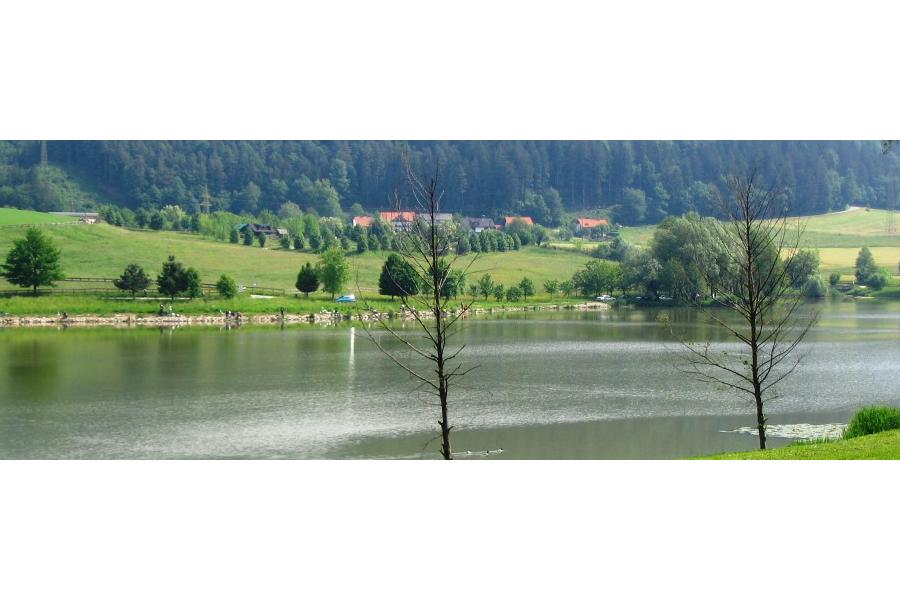
Lake Škale
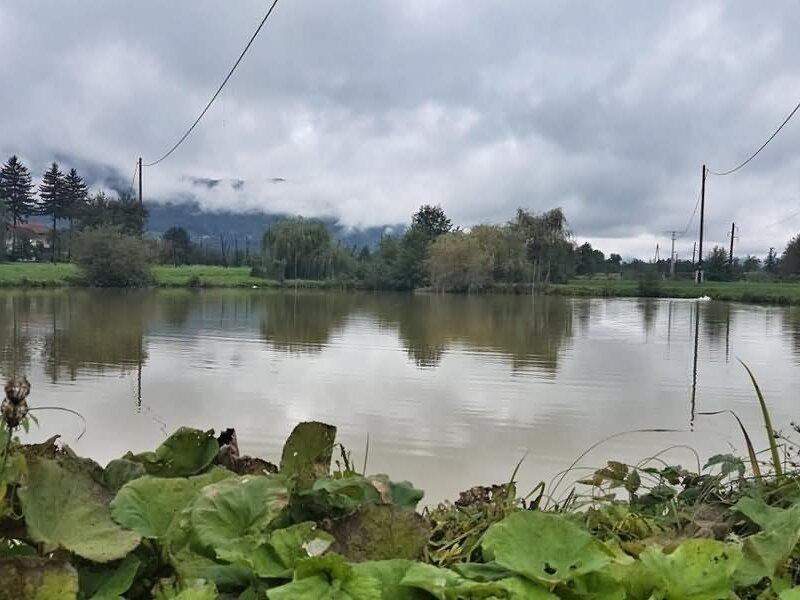
Lake Družmirje
Lake Družmirje is a picturesque lake in the Saleska Valley, known for its peaceful surroundings and wonderful natural views – visit it and enjoy relaxation, walks by the water and authentic contact with nature near Velenje.
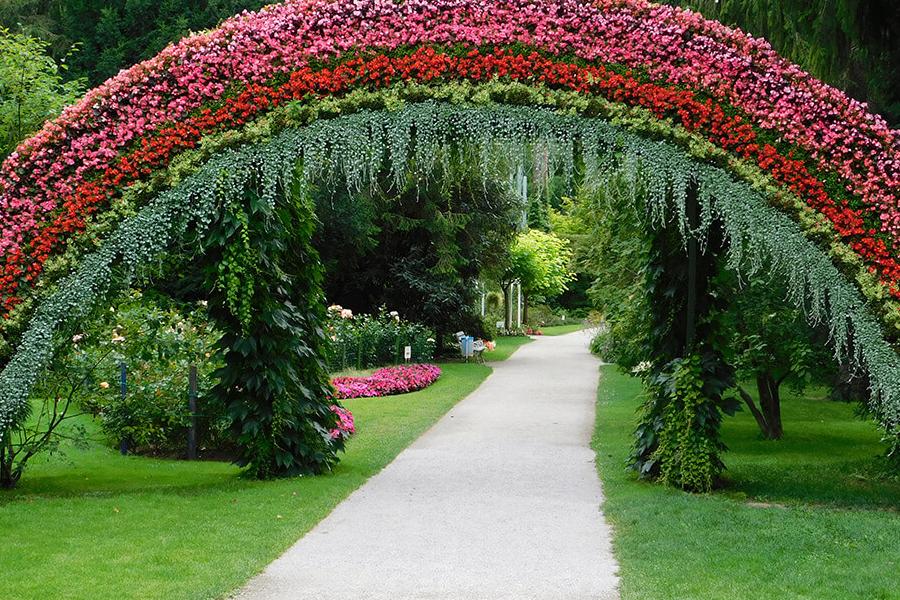
Mozirski gaj
Mozirski gaj is a flower park and open-air ethnographic museum in Mozirje, which Slovenian gardeners and locals created in the 1980s. It arose from an overgrown market-town common where there were illegal rubbish dumps. In this way they transformed the desecrated nature into a flower park. It lies on the right bank of the Savinja River, spreads over an area of 7 ha, and is open from mid-April to mid-October. During this time there is a succession of flower exhibitions, and themed gardens are also laid out, e.g. a group of aromatic plants and medicinal herbs; ethnographic buildings serve to add variety...
Museum of Leatherworking in Šoštanj
For groups that book in advance we offer a guided tour of the museum's exhibitions. The Museum of Leatherworking in Slovenia in Šoštanj was founded on the tradition of leatherworking and a tannery established in 1788...
Church of St James in Topolšica
The Church of St James is the pride of the spa town of Topolšica.
Tresimir Park and Children's Playground
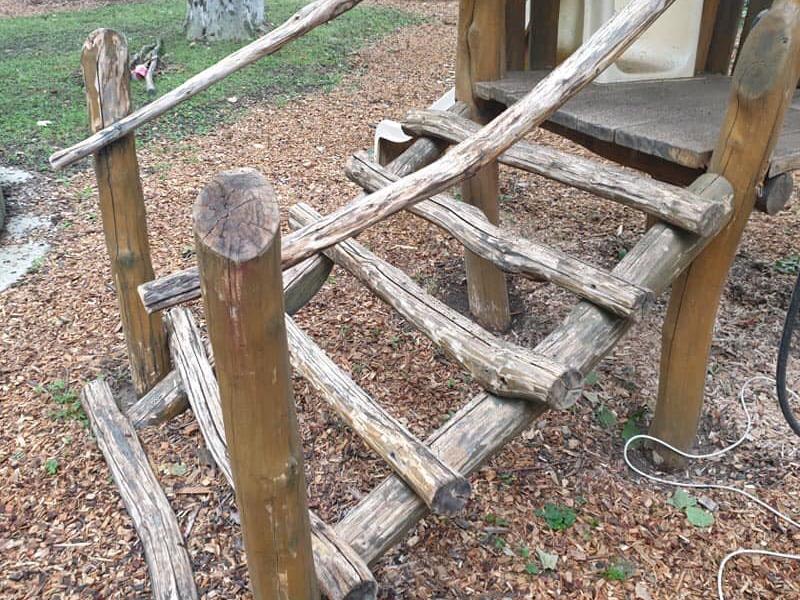
In the park, which covers almost two and a half hectares, playground equipment has been installed for different age groups...
Napotnik Tourist Farm
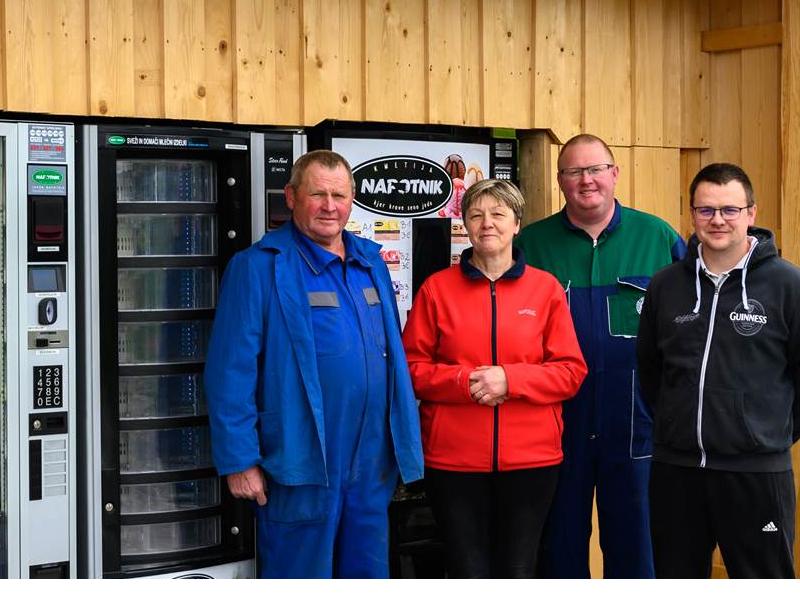
Napotnik Farm is a renowned family cheese dairy in Topolsica, known for its premium dairy products made from the milk of free-range cows. Visit the farm, taste the award-winning cheeses, yoghurts and spreads, and experience genuine homemade quality in the embrace of nature in the Saleska Valley.
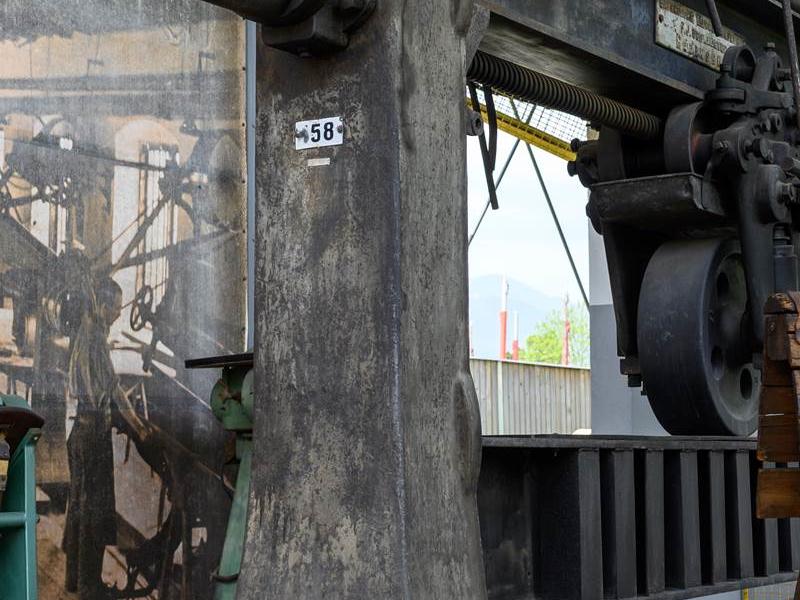
Velenje Coal Mining Museum
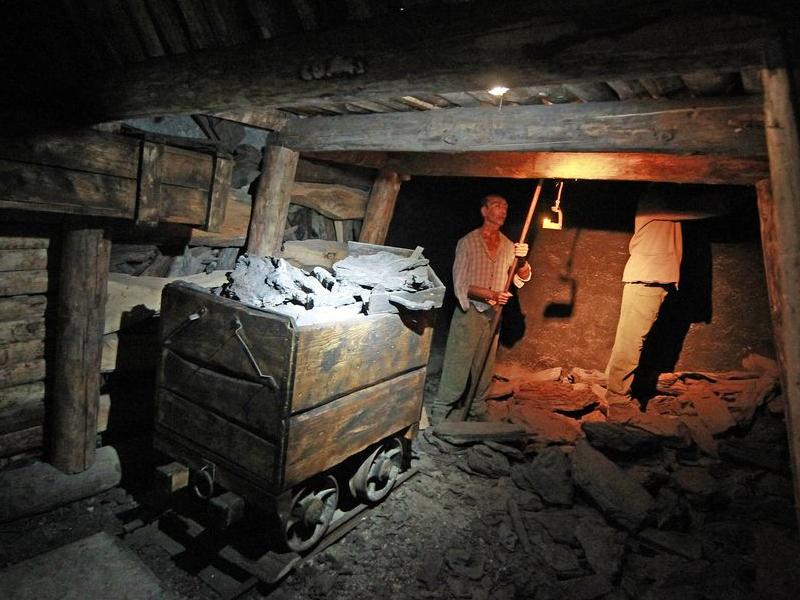
The Coal Mining Museum of Slovenia in Velenje is a unique underground museum that takes visitors deep into the world of miners and the history of coal mining in the Saleska Valley. Visit it and experience an unforgettable adventure in an authentic mining environment.
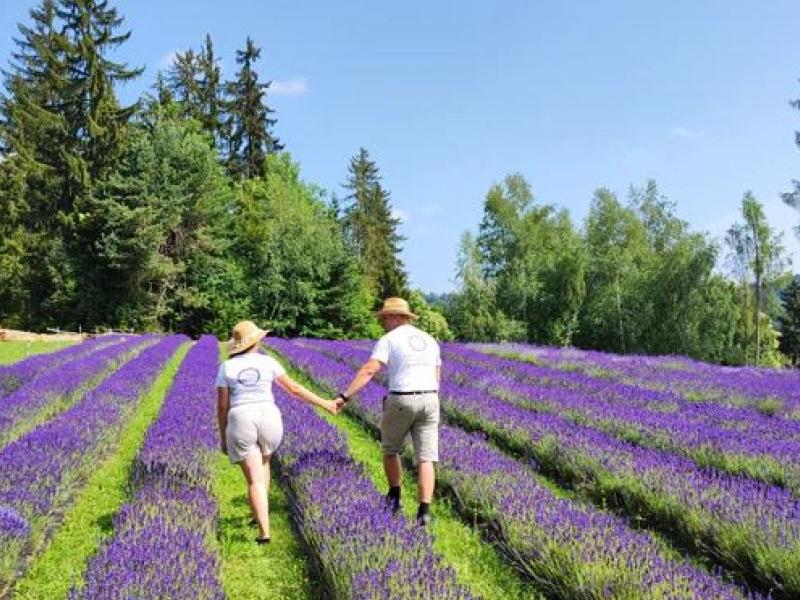
Blue Hill – lavender growing
Blue Hill - lavender growing is a picturesque lavender farm in a natural setting where you can experience blooming lavender fields and buy fragrant homemade products. Visit it and surrender to the scents and tranquillity of the countryside.
Holy Cross
A scenic hill in the village of Bele Vode by the Church of the Holy Cross offers wonderful panoramic views of the Saleska Valley and the surrounding hills. Visit this peaceful vantage point and enjoy the nature and silence above the valley.
Velenje Castle with Museum
Velenje Castle with its museum offers exhibitions, a museum library, weddings, baptisms, children's birthday parties and venue rental for events and fairs. Visit one of the most beautiful cultural landmarks of Velenje and experience history in a unique way.
Lom Hill
Lom Hill is a pleasant vantage point near Velenje, offering lovely views of the Saleska Valley and the surrounding nature. Visit it for a short walk or a relaxing rest in green surroundings.
Mežica Mine
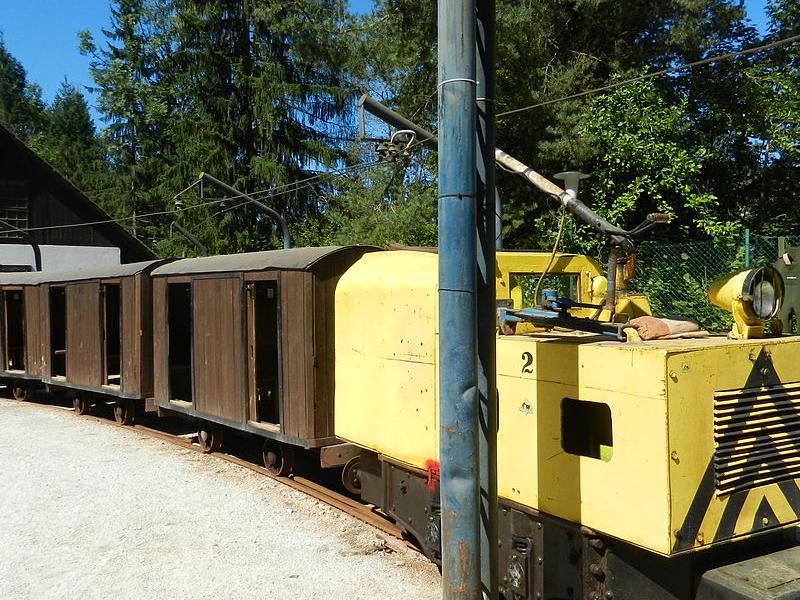
The Peca Underground – Mežica Tourist Mine and Museum is a unique underground tourist attraction in Mežica, where you can experience a former lead and zinc mine by bike, mine train or even by kayak – visit it and explore the mysterious world beneath Mount Peca in Koroška.
Ob Jezeru City Stadium
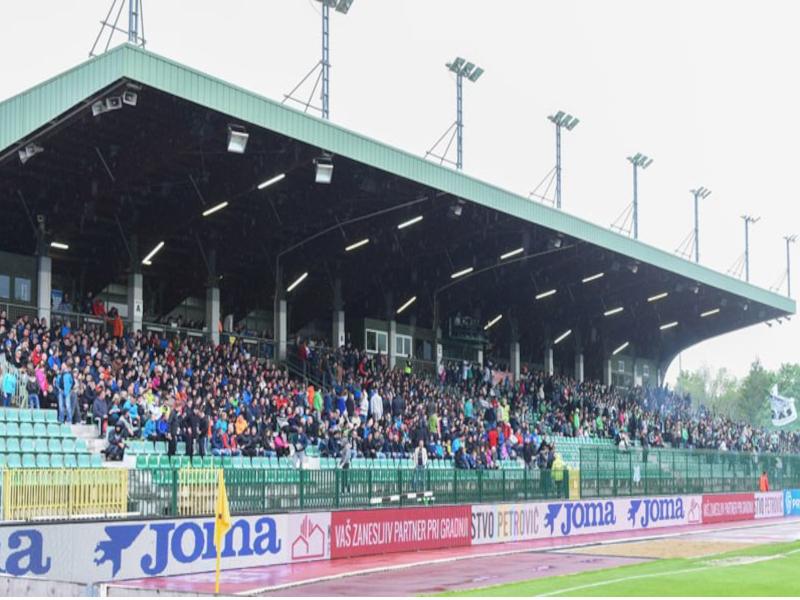
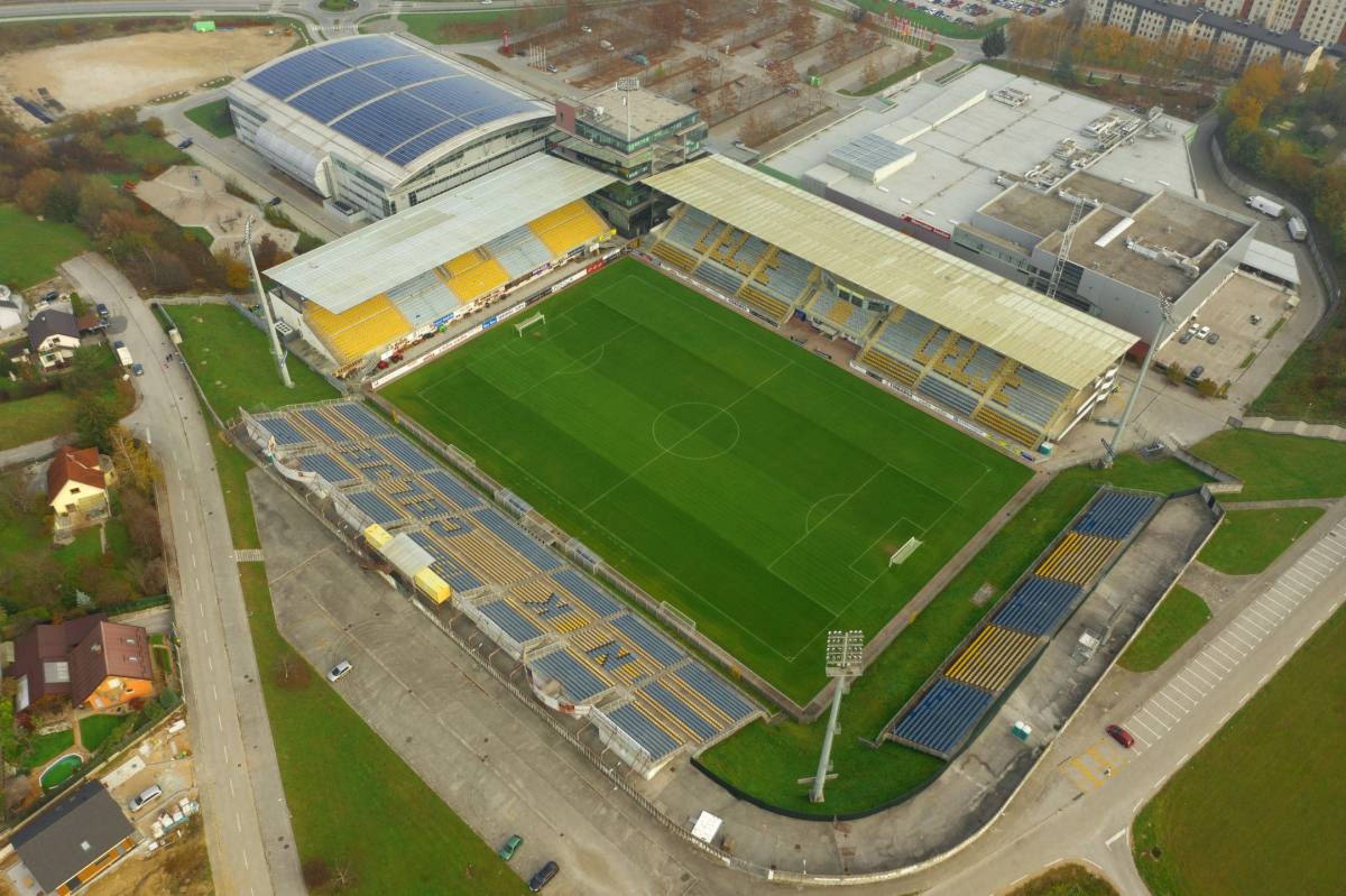
The Ob Jezeru City Stadium in Velenje is a modern sports stadium by Lake Velenje, designed for football, athletics and major events – visit it and experience the sporting energy in one of the most beautiful sports settings in Slovenia.
Lovrenc Lakes
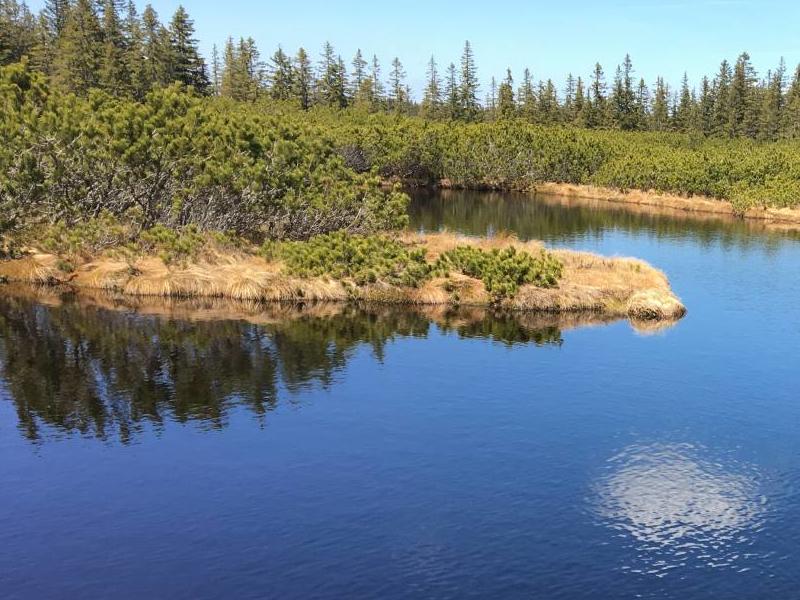
The Lovrenc Lakes are a unique natural gem on Pohorje, with wooden walkways winding between bog pools, ideal for a relaxing stroll and an experience of unspoiled nature – visit them and discover one of the most beautiful wetlands in Slovenia.
Brinjeva gora above Zreče
Brinjeva gora is a popular viewpoint above Zreče with open vistas of the Dravinja Valley and Pohorje – visit it and enjoy the peace of nature and the wonderful panoramas of northeastern Slovenia.
Žiče Charterhouse
The Žiče Charterhouse is an exceptional medieval monastic complex in a quiet valley near Slovenske Konjice, offering insight into Carthusian life and a rich history – visit it and experience one of the most beautiful cultural landmarks in Slovenia.
Roman Necropolis
The Roman Necropolis in Šempeter in the Savinjska Valley is an exceptionally well-preserved Roman burial ground with richly decorated tombs, offering a unique insight into the life and art of antiquity – visit it and discover one of the most important archaeological landmarks in Slovenia.
Church of St Nicholas
The Church of St Nicholas in Žalec is the central sacred landmark of Žalec, with a rich history and beautiful architecture right in the town centre – visit it and experience the spiritual and cultural heritage of the Savinjska Valley.
Raduha
Raduha is a mighty mountain peak in the Kamnik–Savinja Alps, known for its scenic trails and unspoiled nature – visit it and experience superb panoramas and an authentic alpine experience.
Koželj - Viewpoint
Koželj – viewpoint is a peaceful natural viewpoint with open vistas of the surrounding valleys and hills, ideal for a short stop and enjoying the views – visit it and experience the tranquillity of the Slovenian countryside.
Golte – landscape park
Golte – landscape park is a wonderful mountain park above the Savinjska Valley, with alpine meadows, scenic trails and unspoiled nature – visit it and enjoy hiking, fresh air and wonderful views throughout the year.
Ljubija Spring
The Ljubija Spring is a wonderful karst spring with exceptionally clean water and a peaceful natural setting, ideal for a short walk and rest in nature – visit it and experience one of the most beautiful springs in the Savinjska Valley.
Fountain
The Fountain in Sončni Park in Velenje is a pleasant park attraction in the centre of Velenje, refreshing a stroll through the green Sončni Park and creating a relaxed atmosphere for visitors of all generations – visit it and enjoy a quiet corner of the city.
Rožle Playground
Rožle Playground is a popular children's playground in Velenje, offering safe and varied play equipment for the youngest visitors and a pleasant setting for family time – visit it and give your children a fun experience in a green urban environment.
Parish Church of St George in Mozirje
The most prominent building in the market town of Mozirje is the Church of St George. It is first mentioned in 1241, although it is presumed that a church stood there as early as the 12th century. In his Chronicle of the Market Town of Mozirje (Nova doba, 1926), Žiga Laykauf surmises that the Chapel of St George stood there already at the time of the first Christianisation. The Chapel of St George in Mozirje was first mentioned in a charter of Count Wilhelm von Heunburg...
Nazarje Franciscan Monastery
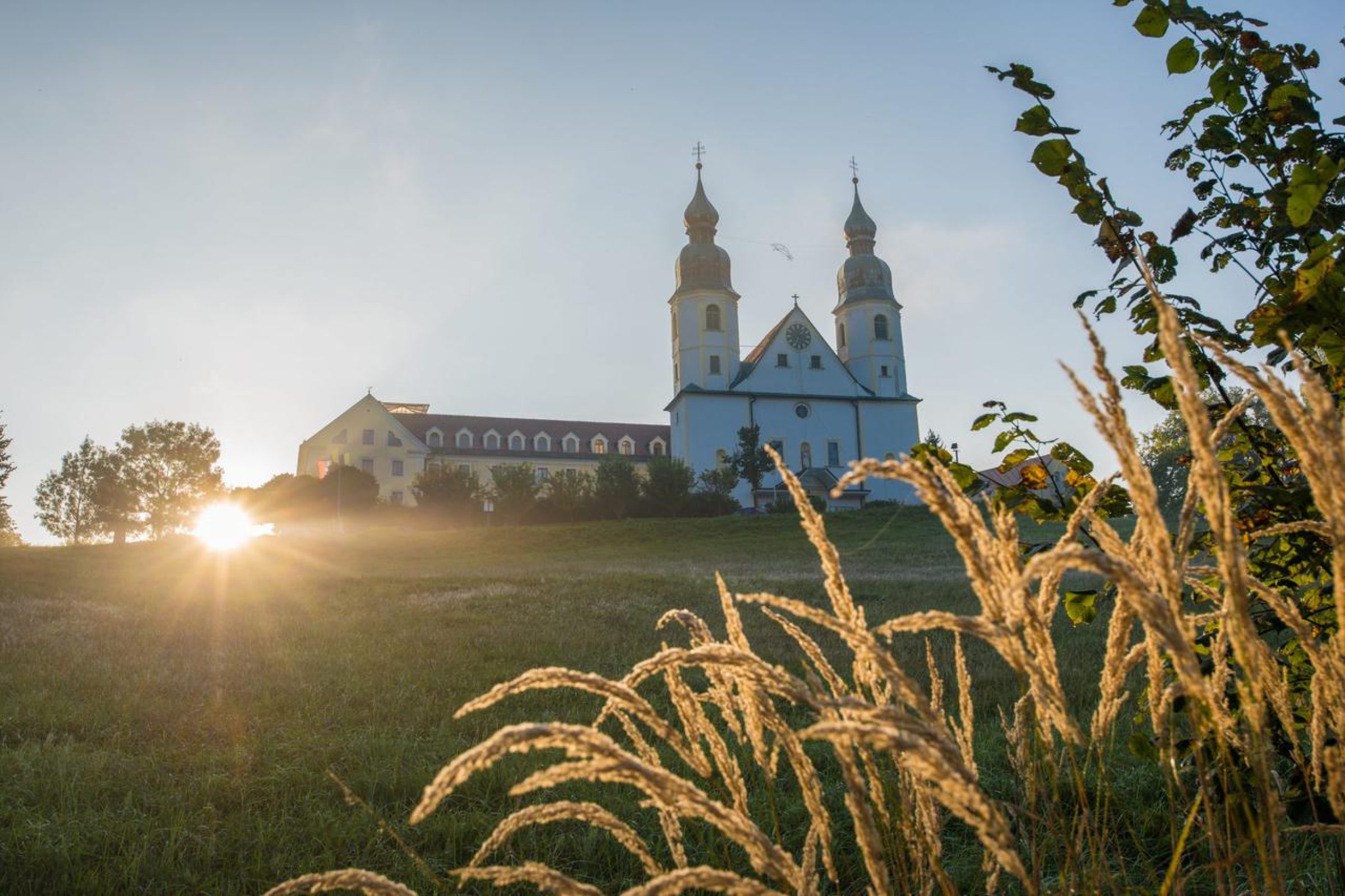
The Nazarje Franciscan Monastery is a Roman Catholic Franciscan monastery in the Parish of Nazarje. It is located on Gradišče hill beside the Church of the Annunciation of Mary. Originally a Chapel of the Mother of God stood on the hill, built between 1624 and 1628 at the behest of the Ljubljana bishop Tomaž Hren. Over the years it was visited by ever more pilgrims in need of care. For this reason Hren's successor, the Ljubljana bishop Rinaldo Scarlicchio, entrusted the chapel to the Franciscans in 1632. They built a monastery and the present church beside the chapel...
Parish Church of the Annunciation of Mary
The Church of the Annunciation of Mary in Nazarje is the parish church of the Parish of Nazarje and the monastery church of the neighbouring Franciscan monastery. The church stands on Gradišče hill above the confluence of the Dreta and the Savinja...
Vrbovec Castle in Nazarje
Vrbovec Castle stands at the confluence of the Dreta and the Savinja rivers in Nazarje. In historical documents it appears under the German name Altenburg, while the Slovenian name Vrbovec is an old Slovenian term meaning "among the willows", which once covered the banks of the Dreta. The original castle, built on a rocky outcrop in the middle of the complex, dates from at least the first half of the 12th century, and is thought to have acquired its present form around 1480. Among the castle's owners are mentioned the Patriarch of Aquileia, the Lords of Vovbre, the Counts of Celje and the Habsburgs, until the Ljubljana Diocese bought it in 1615 and kept it under its own management right up until the Second World War...
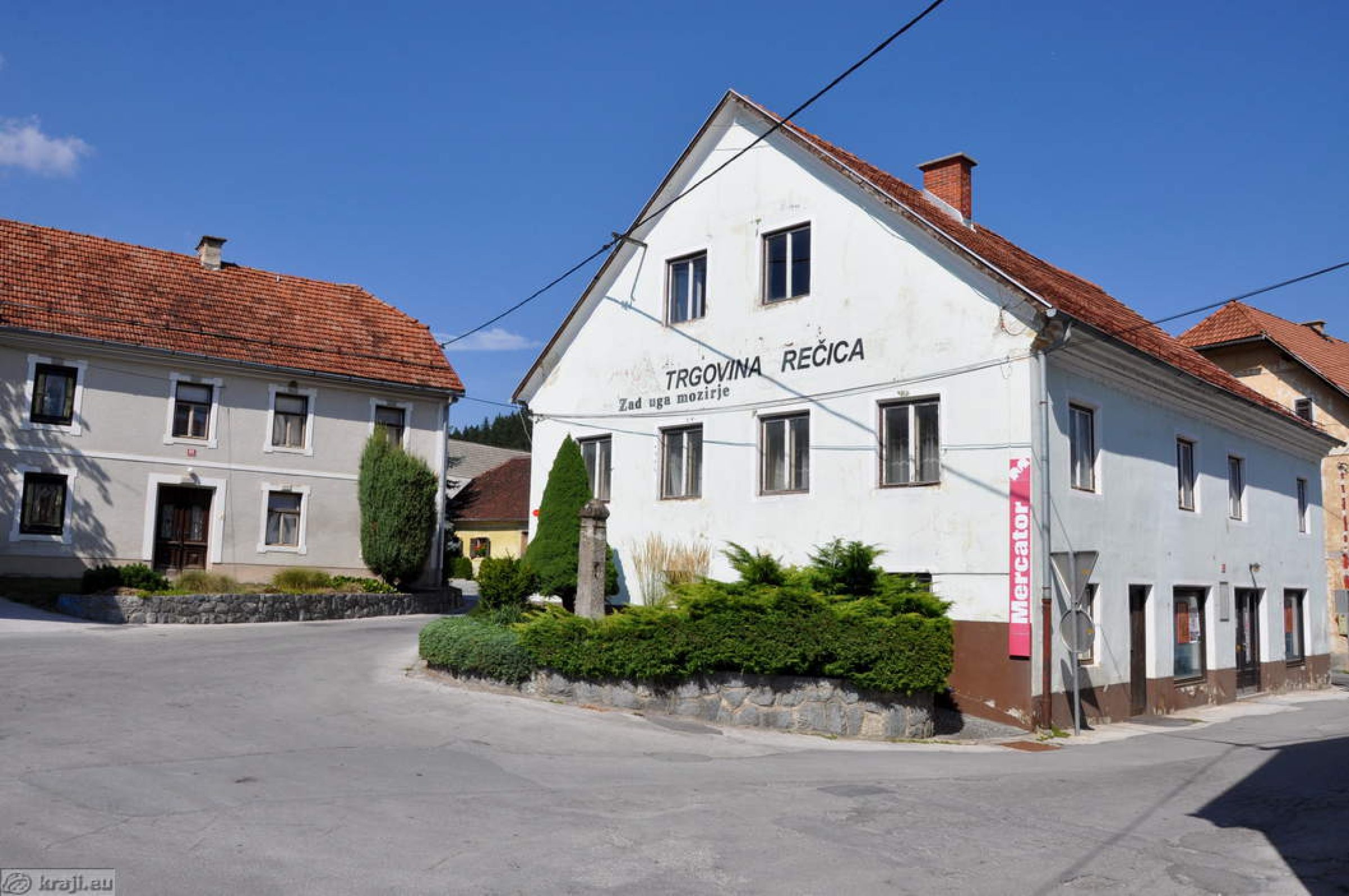
Parish of St Cantianus in Rečica ob Savinji
The Parish of Rečica ob Savinji, whose patron is St Cantianus, covers the Municipality of Rečica ob Savinji, and also includes part of the Municipality of Nazarje in the area of Kraše, Pusto Polje, Potok and Kokarje, all the way to Čreta. The parish church is St Cantianus in Rečica ob Savinji, while the filial churches are St John the Baptist in the field, in Šentjanž, St Catherine in Gorica and the Virgin Mary in Kokarje. Around 3,000 people live in the parish, most of them Catholics, and since 2021 the parish administrator has been Aleksander Koren...
Gallows at Hom
The Gallows at Hom is a viewpoint in the village of Hom, known for its open views over the surrounding hills and valleys and its peaceful rural setting – visit it and enjoy a relaxing break in nature.
Smrekovec–Komen Ridge
The Smrekovec–Komen Ridge is a magnificent high-mountain ridge with open panoramic views, unspoilt nature and popular hiking trails – visit it and experience one of the most scenic areas of the Smrekovec range.
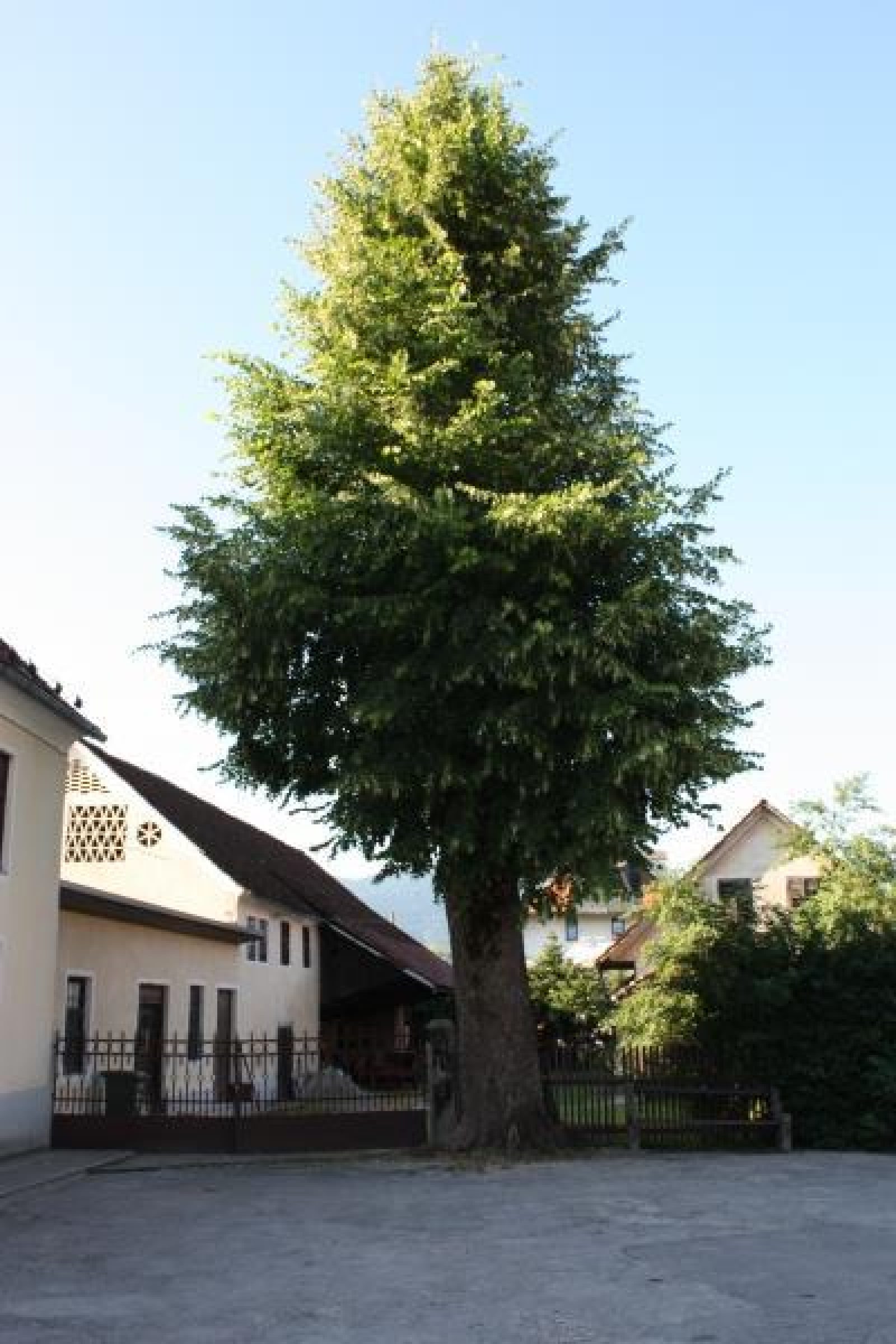
Kolenc Linden Tree
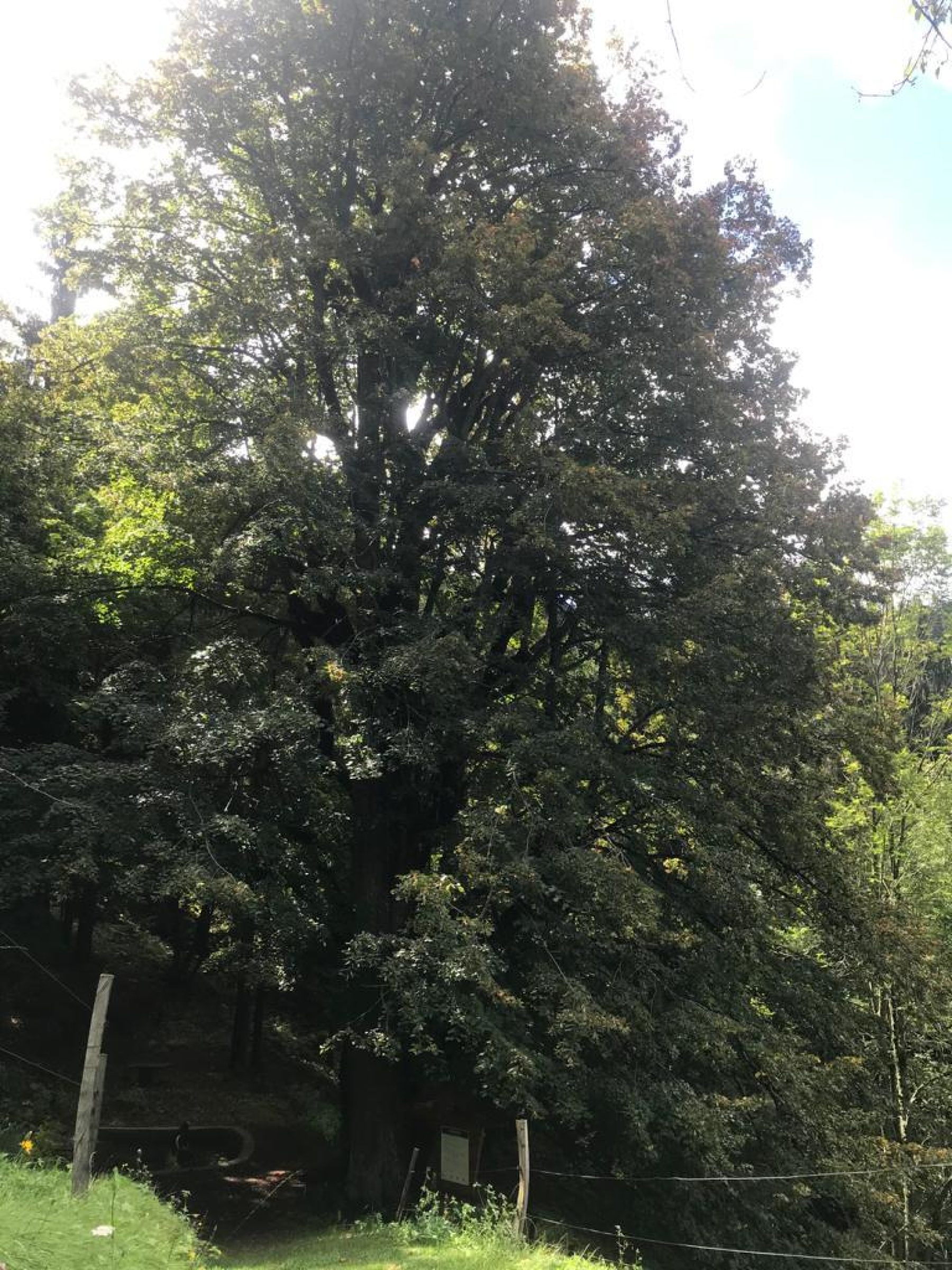
The Kolenc Linden is a mighty centuries-old linden tree and a natural landmark that symbolises the heritage and serenity of the Slovenian countryside – visit it and experience the grandeur of one of the finest tree monuments in the area.
Tirske Peči Natural Monument
The Tirske Peči Natural Monument is an impressive set of karst rock formations in a natural setting, popular among hikers and nature lovers – visit it and experience a unique geological landmark and the tranquillity of the forest landscape.
Veliki Travnik and the Lookout Tower on Turnovka
A popular excursion spot with open views over the surrounding hills and valleys – visit Veliki Travnik for a relaxed walk across the meadows and climb the Turnovka tower for an even broader panorama of the landscape.
Vrbovec Museum – Museum of Forestry and Timber
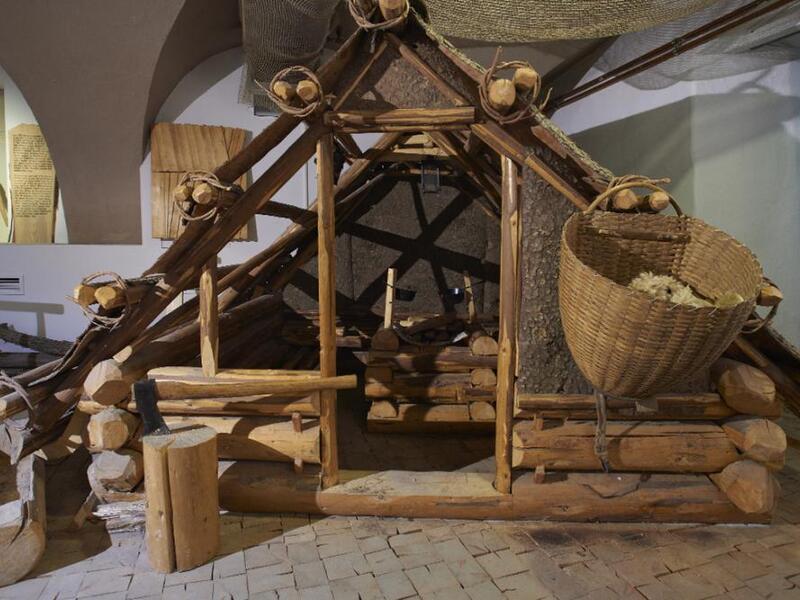
In Nazarje, at the confluence of the Savinja and the Dreta, stands the more than 750-year-old Vrbovec Castle, home to the Museum of Forestry and Timber, which depicts the life, forgotten customs and work of the former foresters and timber workers. The Savinjska Valley has rich green forests and a recognised tradition of timber management. The Solčava yew is among the oldest trees in Slovenia, while the Larch at Klemenča Jama is the thickest larch in the country. The knowledge associated with timber is preserved by locals to this day...
Cuc Waterfall
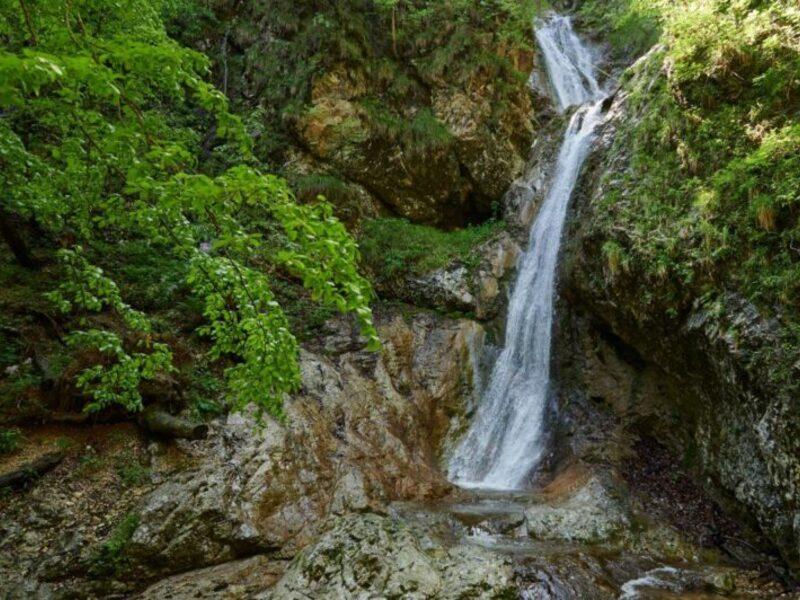
Cuc Waterfall is a picturesque waterfall in the natural surroundings of the Savinjska Valley, where the water tumbles over rocky ledges and creates a pleasant refreshment in the embrace of the forest – visit it and discover a hidden corner of nature.
Rep Waterfall
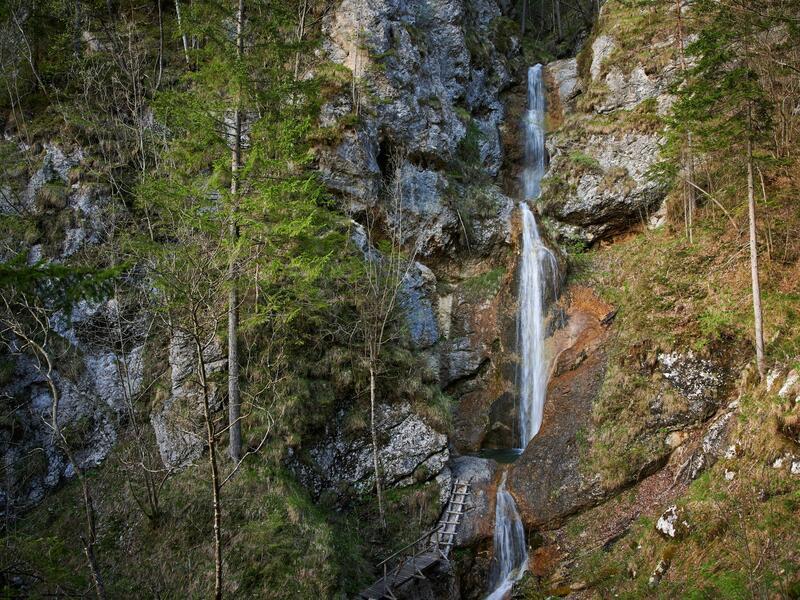
Rep Waterfall is an impressive natural waterfall in a narrow gorge near Ljubno ob Savinji, known for its crystal-clear water and wild beauty - visit it and experience one of the most enchanting waterfalls of the Savinjska Valley.
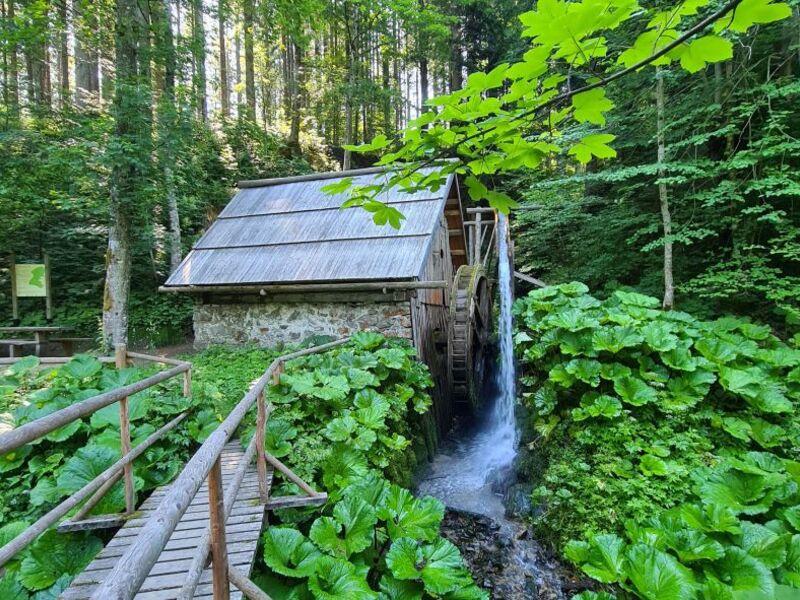
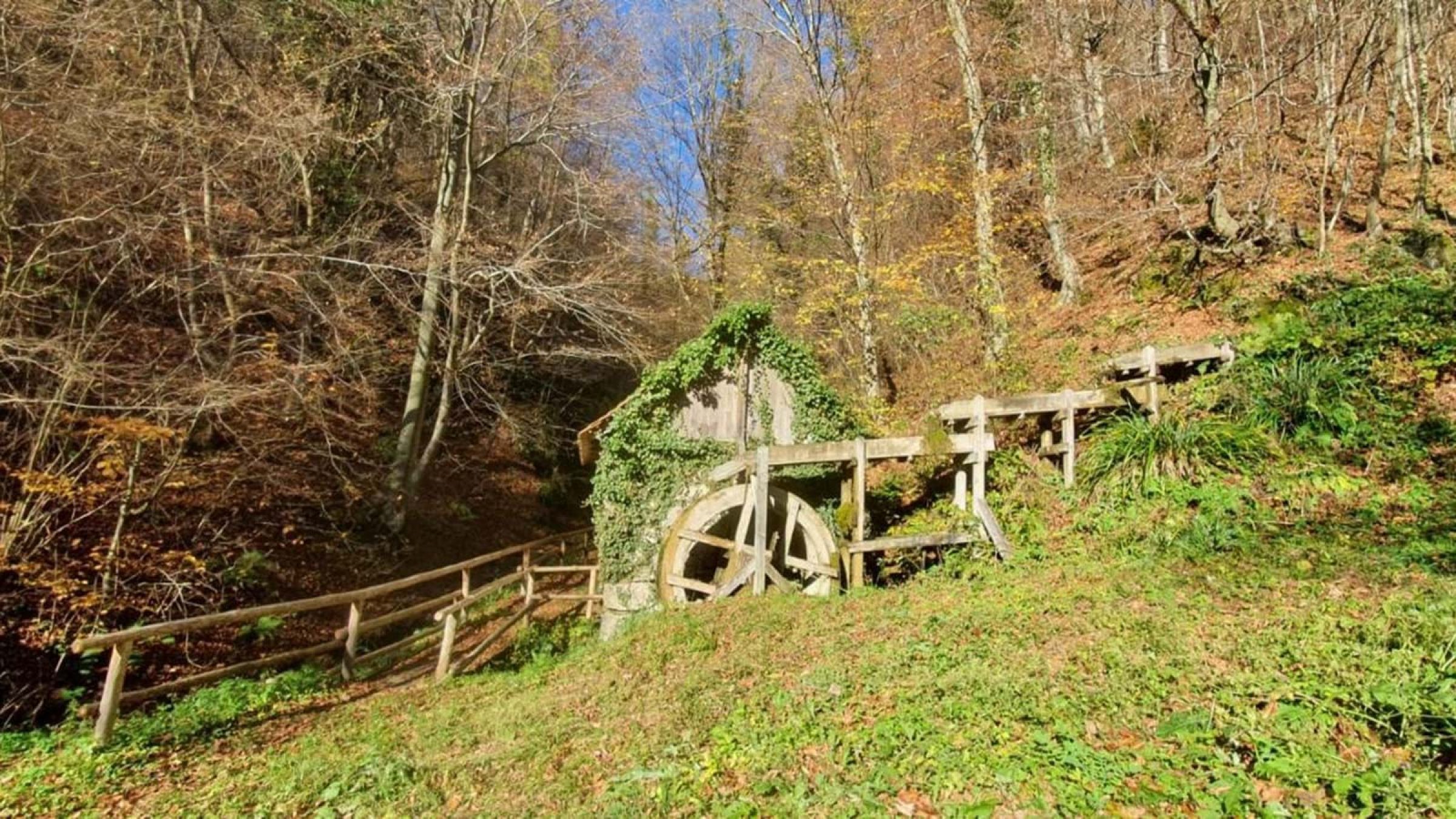
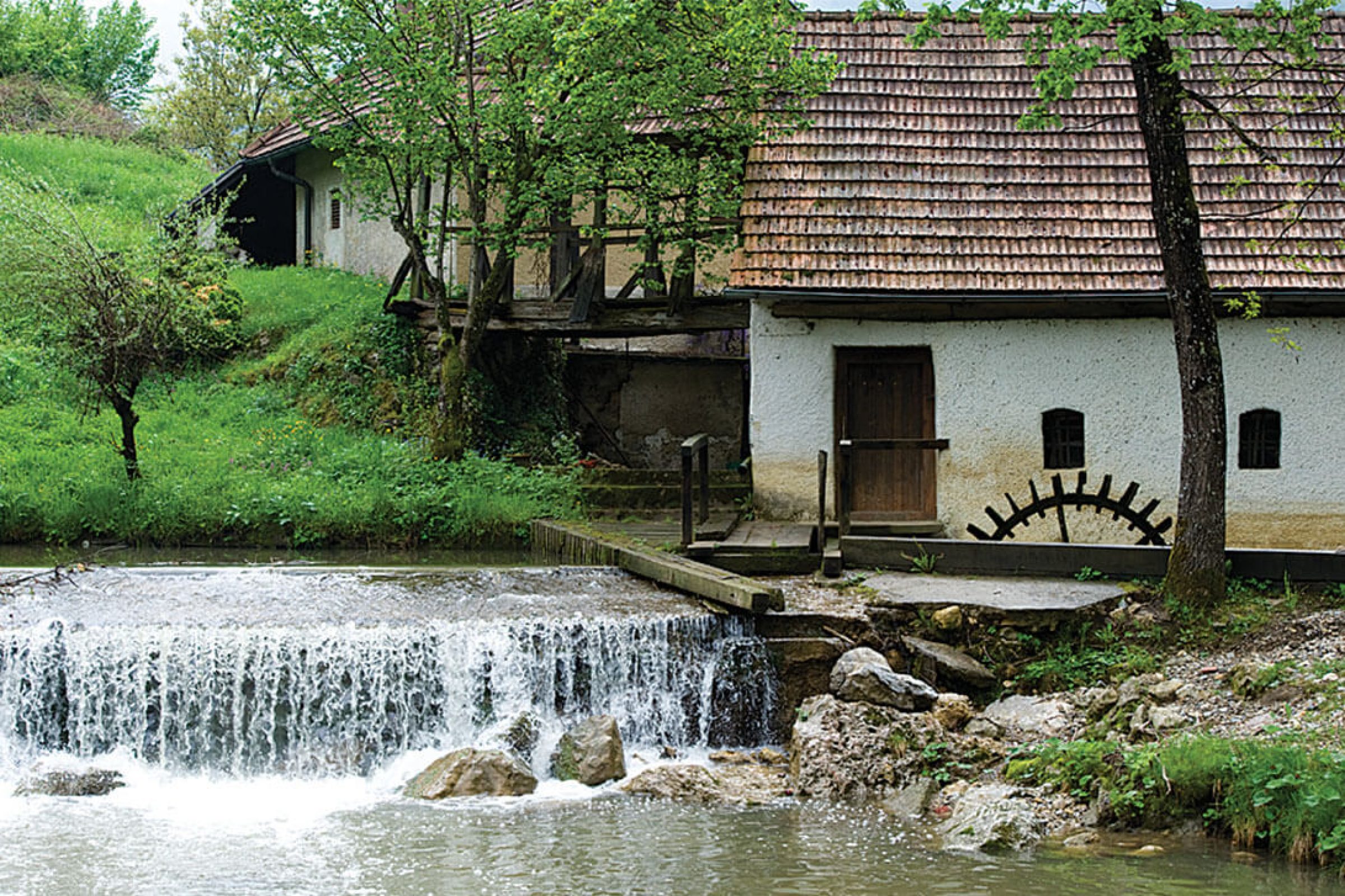
Zager Mill
Zager Mill is a preserved traditional water mill in a peaceful natural setting that bears witness to the rich technical heritage of the Slovenian countryside - visit it and experience authentic history and tranquillity beside the stream.
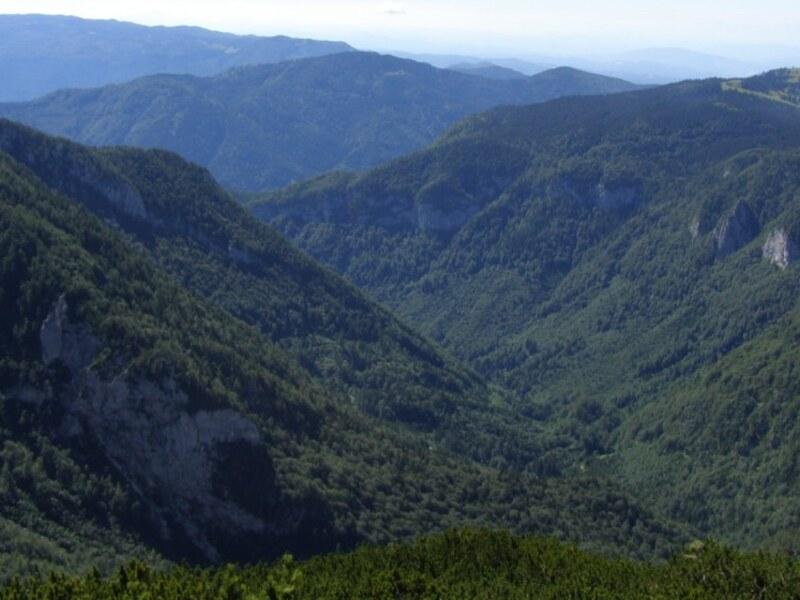
Lučka Bela Valley
Lučka Bela Valley is a beautiful alpine valley with a clear river, forests and tranquil nature near Luče, ideal for hiking and escaping into unspoilt surroundings - visit it and experience one of the most beautiful natural corners of the Savinja Alps.
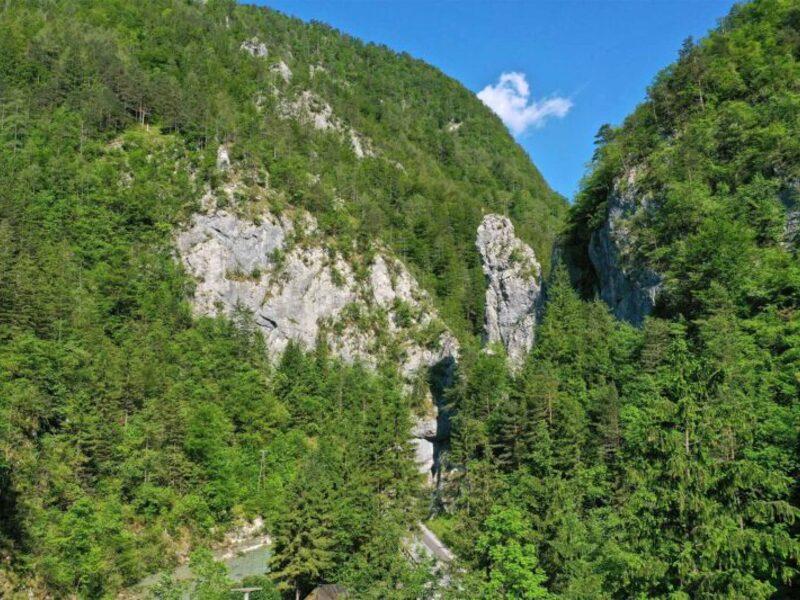
Igla
The Igla rock is a stunning natural rock needle in the Lučka Bela Valley near Luče, whose upright form delights hikers and nature lovers - visit it and discover one of the most recognizable stone symbols of the Savinja Alps.
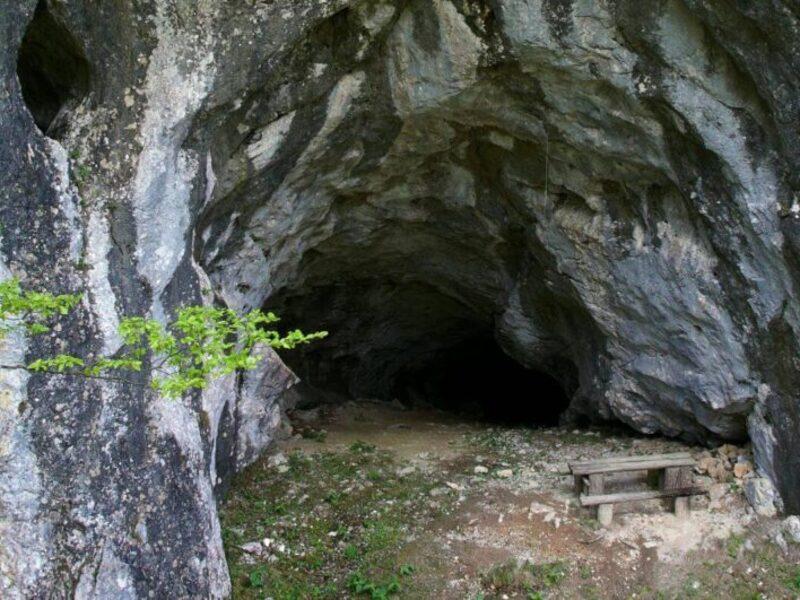
Erjavec Cave
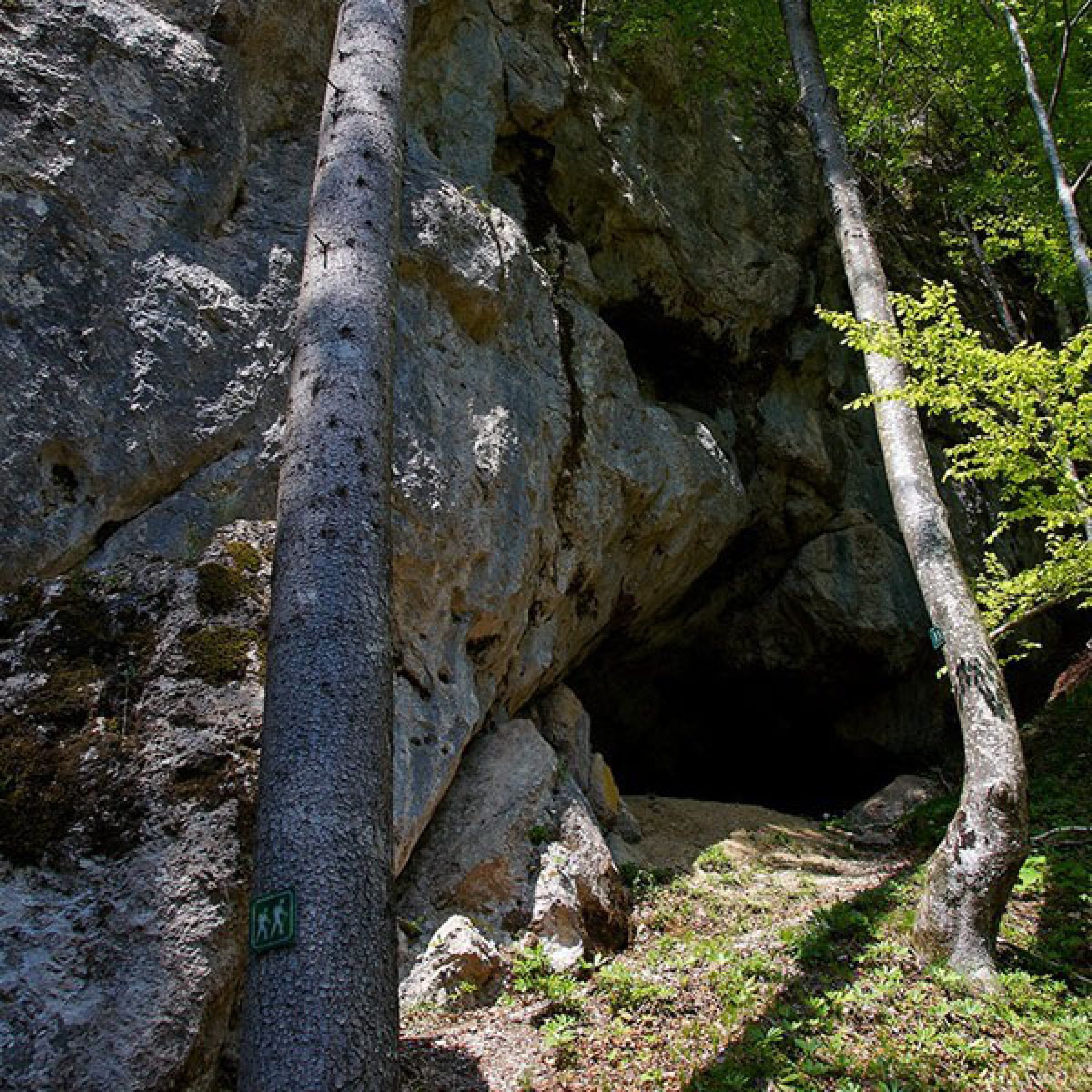
Erjavec Cave is an interesting karst cave in the vicinity of Luče, known for its natural chambers and mysterious atmosphere - visit it and explore the underground beauty of the Savinja Alps.
Snežna Cave
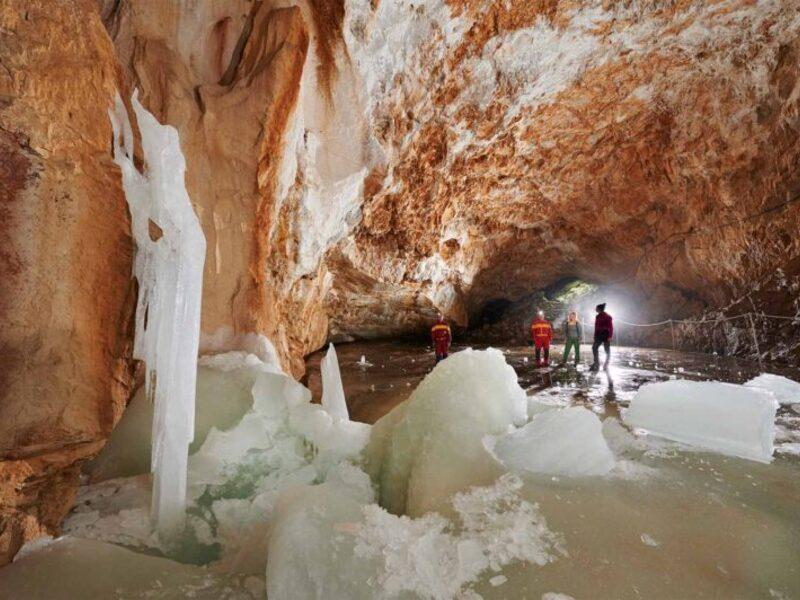
Snežna Cave beneath Raduha is one of the most famous ice caves in Slovenia, where ice formations and a mysterious underground atmosphere are preserved even in summer - visit it and experience a unique natural phenomenon beneath Mount Raduha.
Chapel on Molička Planina
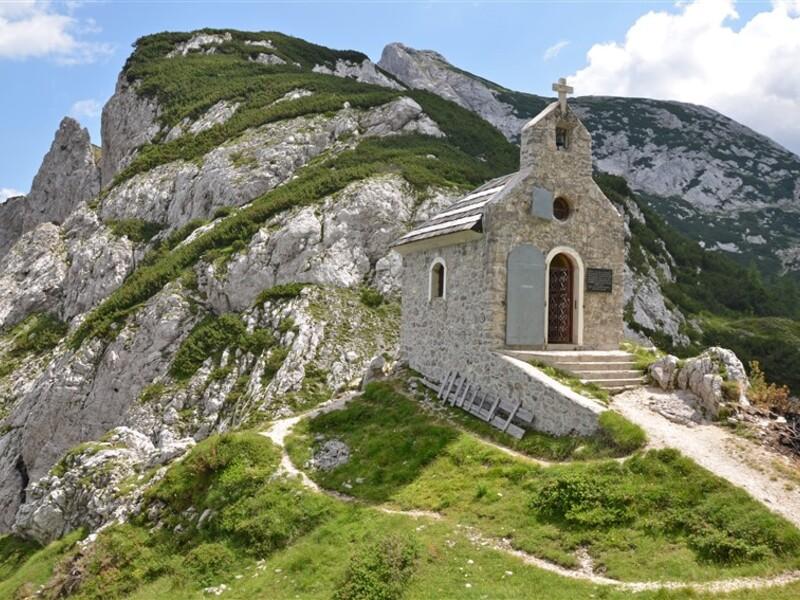
The Chapel on Molička Planina is a charming mountain chapel on the vast highland pastures of the Kamnik-Savinja Alps, offering peace, scenic views and an authentic alpine atmosphere - visit it and experience the tranquillity of nature high above the valleys.
Church of St. Lawrence
The Church of St. Lawrence in Luče is a picturesque central church in Luče, set among the alpine peaks of the Savinja Alps, which with its history, architecture and peaceful atmosphere creates the perfect stop for visitors and lovers of cultural heritage.
Church of St. Anthony the Hermit
The Church of St. Anthony the Hermit is a charming mountain church by the Podvolovljek pass, surrounded by the unspoilt nature of the Kamnik-Savinja Alps, offering peace, scenic views and an authentic experience of cultural heritage - visit it and feel the tranquillity of the mountain world.
Logarska Dolina Landscape Park
Logarska Dolina Landscape Park is one of the most beautiful alpine valleys in Slovenia, with mighty peaks, green meadows and unspoilt nature, ideal for hiking and relaxation - visit it and experience a true mountain fairy tale of the Savinja Alps.
Robanov Kot Landscape Park
Robanov Kot Landscape Park is a peaceful and unspoilt alpine valley in the Kamnik-Savinja Alps with green meadows, forests and wonderful views - visit it and enjoy the tranquillity of nature far from the bustle of the city.
Matkov Kot
Matkov Kot is a wild and picturesque alpine valley with mighty walls and unspoilt nature, offering a true experience of the mountain world of the Kamnik-Savinja Alps - visit it and discover one of the most authentic corners of Slovenia.
Solčava Panoramic Road
The Solčava Panoramic Road is one of the most beautiful scenic roads in Slovenia, connecting Logarska Dolina, Robanov Kot and Matkov Kot and offering unforgettable views of the alpine landscape - drive along it or explore it on foot and experience the superb panoramas of the Savinja Alps.
Podolševa – Holy Spirit
The Church of the Holy Spirit at Podolševa is a wonderful scenic church high above the valleys of the Savinja Alps, known for its peaceful atmosphere and stunning panoramas - visit it and experience one of the most beautiful viewpoints in northern Slovenia.
Rinka Waterfall
Rinka Waterfall is one of the highest and most impressive waterfalls in Slovenia, plunging majestically among the steep walls of Logarska Dolina - visit it and experience the natural power of water in the heart of the alpine landscape.
Potocka zijalka Cave
Potocka zijalka is a famous prehistoric cave high above the Savinja valley near Luce, known for its archaeological finds and wonderful views - visit it and discover one of the most important cave sites in Slovenia.
Gornji Grad Cathedral – Church of St Hermagoras and Fortunatus
The Cathedral of St Hermagoras and Fortunatus in Gornji Grad is a magnificent Baroque cathedral in the centre of Gornji Grad, known for its richly decorated interior and historical importance - visit it and experience one of the most beautiful sacral landmarks of northern Slovenia.
Lepenatka
Lepenatka is a scenic and popular mountain peak in the Kamnik-Savinja Alps with open views of the valleys and surrounding peaks - visit it and enjoy the pristine alpine nature and wonderful panoramas.
Veliki Rogatec
Veliki Rogatec is a scenic grassy peak in the Kamnik-Savinja Alps, popular among hikers for its easy access and wonderful views of the Savinjska Valley and the surrounding peaks - visit it and experience a genuine mountain panorama.
Menina
Menina planina is an extensive plateau with alpine meadows, forests and scenic trails above the Savinjska Valley, ideal for hiking and relaxing in nature - visit it and experience the peace and vastness of the mountain landscape.
Kasna planina
Kasna planina is a picturesque mountain pasture with open meadows and shepherds' huts in the Kamnik-Savinja Alps, popular among hikers and lovers of quiet nature - visit it and enjoy the authentic alpine atmosphere.
Biba Lake
Biba Lake is a small picturesque mountain lake on the Menina planina plateau, surrounded by alpine meadows and views, ideal for a short stop during a hike - visit it and experience the tranquil beauty of the mountain world.
Church of Mary the Star
The Church of Mary the Star in Nova Stifta is a magnificent pilgrimage church near Gornji Grad, known for its rich Baroque architecture and peaceful spiritual atmosphere - visit it and experience one of the most beautiful sacral landmarks of the Savinjska Valley.
Church of the Presentation of Mary in Stajngrob
The Church of the Presentation of Mary in Stajngrob is a well-known pilgrimage church in the hilly countryside above Sostanj, which impresses with its history, architecture and peaceful surroundings - visit it and experience the spiritual heritage in the embrace of nature.
Church of St Peter
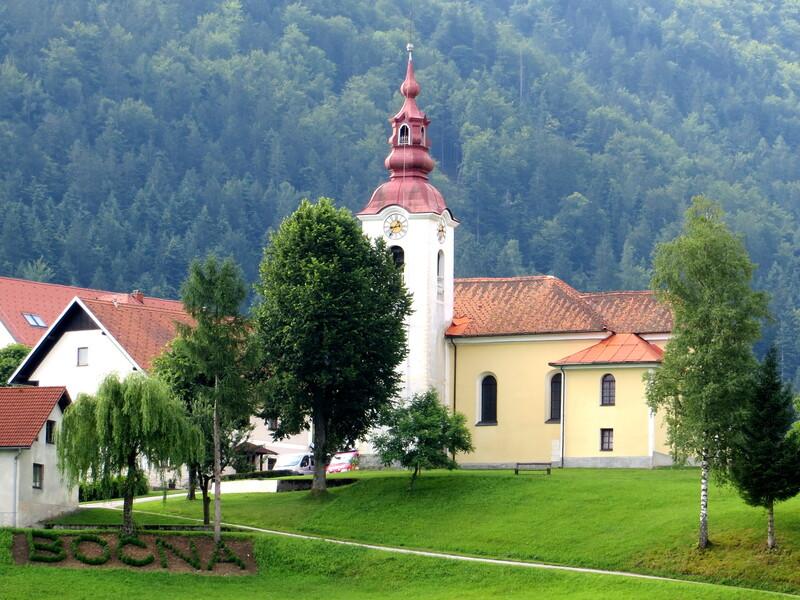
The Church of St Peter in Bocna is a picturesque village church in the village of Bocna, surrounded by the hills of the Savinjska Valley, which with its history and peaceful surroundings offers a pleasant stop for lovers of cultural heritage and nature.
Pozoj Playground
A children's playground located in the Vista area, offering play equipment for various age groups...
Zovnek Castle
Zovnek Castle is considered one of the oldest castles in Slovenia, although the builders of its original form remain unknown. The first recorded owners, mentioned in literature from the 12th century, were members of the Savinjski family, who around the year 1150 renamed themselves the Zovnek lords...
Braslovce Lake
Braslovce Lake, lying near the market town of Braslovce, is a popular destination for walks and relaxation. Around the lake runs a forest nature and walking trail roughly 1.5 kilometres long, allowing pleasant walks in nature...
Žovnek Lake
Žovnek Lake in Podvrh, which with a surface area of 49 hectares is the largest lake in the Municipality of Braslovče, was created by damming the Trnavec stream and serves mainly to irrigate agricultural land. In addition to its economic function, the lake is a true paradise for bird lovers...
Preserje Pond
Preserje Pond, which locals also call Presersko Lake, lies in the village of Preserje, about a kilometre from Braslovče. It offers excellent opportunities for active relaxation, as it allows for sport fishing, walks along the pond, and unwinding by the Savinja River...
Bayer Villa
Carl Josef Bayer, an important Austrian chemist and inventor, left a significant mark on our area when he bought an extensive plot of land in Rečica ob Paki and built a magnificent villa there, where he lived with his family until his death in 1904. In 1887 Bayer patented the basic process for producing aluminium, and five years later he finally patented the complete Bayer process, which to this day remains the key industrial process for producing alumina, the basic raw material for aluminium...
Church of St. Anthony
The Church of St. Anthony, also called the Church of St. Anthony the Hermit, is located in the settlement of Skorno pri Šoštanju. It was built in the 16th century and is known for its simple yet distinctive architectural style. The interior of the church reflects a rich history, as it has been renovated several times over the centuries. In the past it was an important religious and cultural centre for the surrounding inhabitants...
Parish Church of St. Michael
The Parish Church of St. Michael in Šoštanj is of modern design, combining the old and the new. It was built between 1973 and 1990, when it was consecrated. It stands in an area where the Church of St. Michael in Družmirje previously stood, demolished due to ground subsidence above the Velenje coal mine. The new building, designed by architect Adi Miklavc, is based on a reinforced concrete structure and incorporates modern architecture with carefully chosen elements, such as the colourful stained-glass windows, the work of artist Jože Zel, which depict biblical scenes...
Gonžar Rock
Gonžar Rock is an interesting natural rock formation in a peaceful forest setting, popular among hikers and nature lovers – visit it and discover a unique geological corner of the Slovenian countryside.
Vovk Mill
Vovk Mill is a preserved historical water mill in a natural setting, bearing witness to the former way of life and the technical heritage of the countryside – visit it and experience an authentic cultural attraction beside the stream.
Žeblar Rock
Žeblar Rock is a natural rock attraction in a wooded setting that delights with its interesting stone walls and views – visit it and discover a peaceful and picturesque corner of Slovenian nature.
Dobrna Castle - Kačji grad
Dobrna Castle – Kačji grad is the mysterious ruins of a medieval castle above Dobrna, offering a beautiful view and insight into the rich history of the area – visit them and discover one of the more interesting castle attractions of the Savinjska Valley.
Pekel Cave
Pekel Cave is one of the most beautiful show caves in Slovenia, known for its underground waterfalls, stalactites and visitor-friendly paths – visit it and experience the magical world of the karst underground landscape.
Church of St. James in Okonina
When visiting Okonina, climb up to the Church of St. James on the hill above the village and discover the Baroque architecture and rich history of one of the most interesting sacral attractions in the Savinjska Valley.
Church of the Assumption of Mary at Rosulje
The Church of the Assumption of Mary at Rosulje is a picturesque scenic church above Ljubno ob Savinji that combines spiritual heritage with wonderful views of the Savinjska Valley – visit it and experience the peace and beauty of the countryside from one of the most beautiful viewpoints in the area.
Prebold Pond
Prebold Pond, with a surface area of 0.5 ha, offers a unique sport fishing experience in a peaceful and natural setting. Its crystal-clear waters are home to salmonid fish – brown trout, rainbow trout and pike.
Hekenberg Castle (Stopnik)
Hekenberg Castle (Stopnik) is the ruins of a medieval castle on a hill above Stopnik, offering a beautiful view and insight into local history – visit them and discover a hidden castle attraction of the Savinjska Valley.
Zalec Fountain
The Green Gold Beer Fountain in Zalec is a unique attraction in the centre of Zalec, where you can taste various local beers from the Savinjska Valley - visit it and experience an authentic brewing experience in the capital of hop growing.
Savina Ski Jumping Centre
The ski jumping centre is an interesting point of interest for visitors, as you can climb the road on your own all the way to the top of the ski jump. A guided tour is possible with prior arrangement. More information about guided tours can be found on the website of TIC Ljubno ob Savinji.
Menina Campsite
Menina Campsite is a popular natural campsite by the Savinja River, offering relaxation, water activities and family adventures surrounded by greenery - visit it and experience a perfect getaway in the heart of the Savinjska Valley.
Koca na Travniku Lodge
Koca na Travniku is a popular mountain lodge on the vast meadows below Smrekovec, an ideal stop for hikers and nature lovers with beautiful views - visit it and treat yourself to a rest in an authentic mountain setting.
Spanec Vineyard Cottage
The Spanec vineyard cottage, with its exceptional oak wine press from 1791, is one of the oldest and best-preserved vineyard cottages in Slovenia. The Spanec vineyard cottage from 1818 is a corner where time stands still. A nostalgic cart track leads to the partly brick-built wine cellar with living quarters, beneath which century-old vines flourish. The Spanec vineyard cottage is a true cultural and ethnological gem in the heritage of Slovenian viticulture...
Birthplace of Blaz Arnic
Blaz Arnic was born on 31 January 1901 at the Zalesnik farm in Strmec nad Lucami in the Upper Savinja Valley, where he also spent his earliest youth surrounded by nature among mountain peaks and mighty forests. Being naturally very talented, he also played music occasionally from a very young age.
Brloznica Gorge
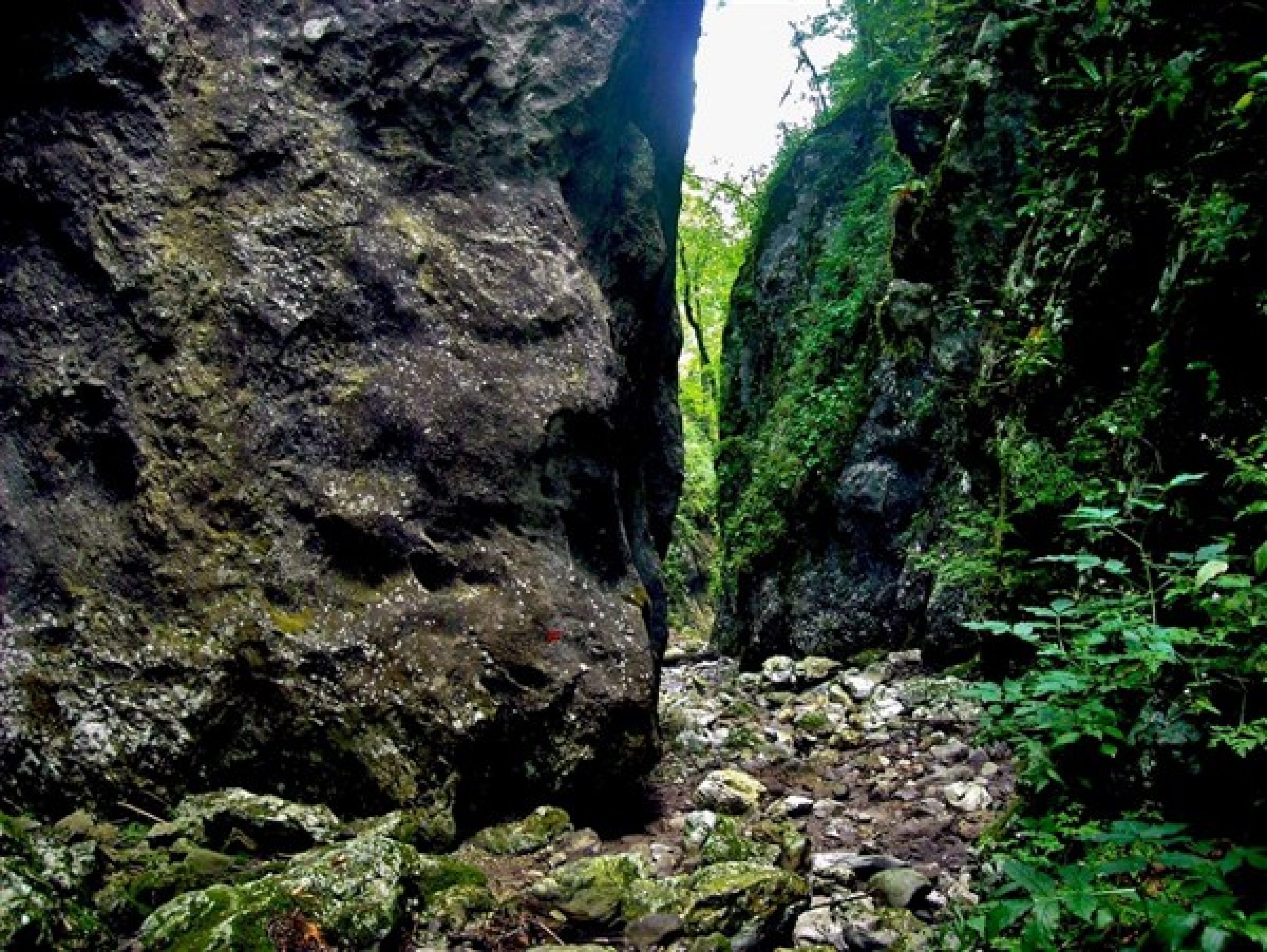
The smaller streams and water channels that flow down from the area of Kasni vrh, Volovljek and partly Velika planina merge in Podvolovljek. Here, however, they did not carve a riverbed into the soft base of marly layers, but rather hollowed out a true canyon in the harder limestone.
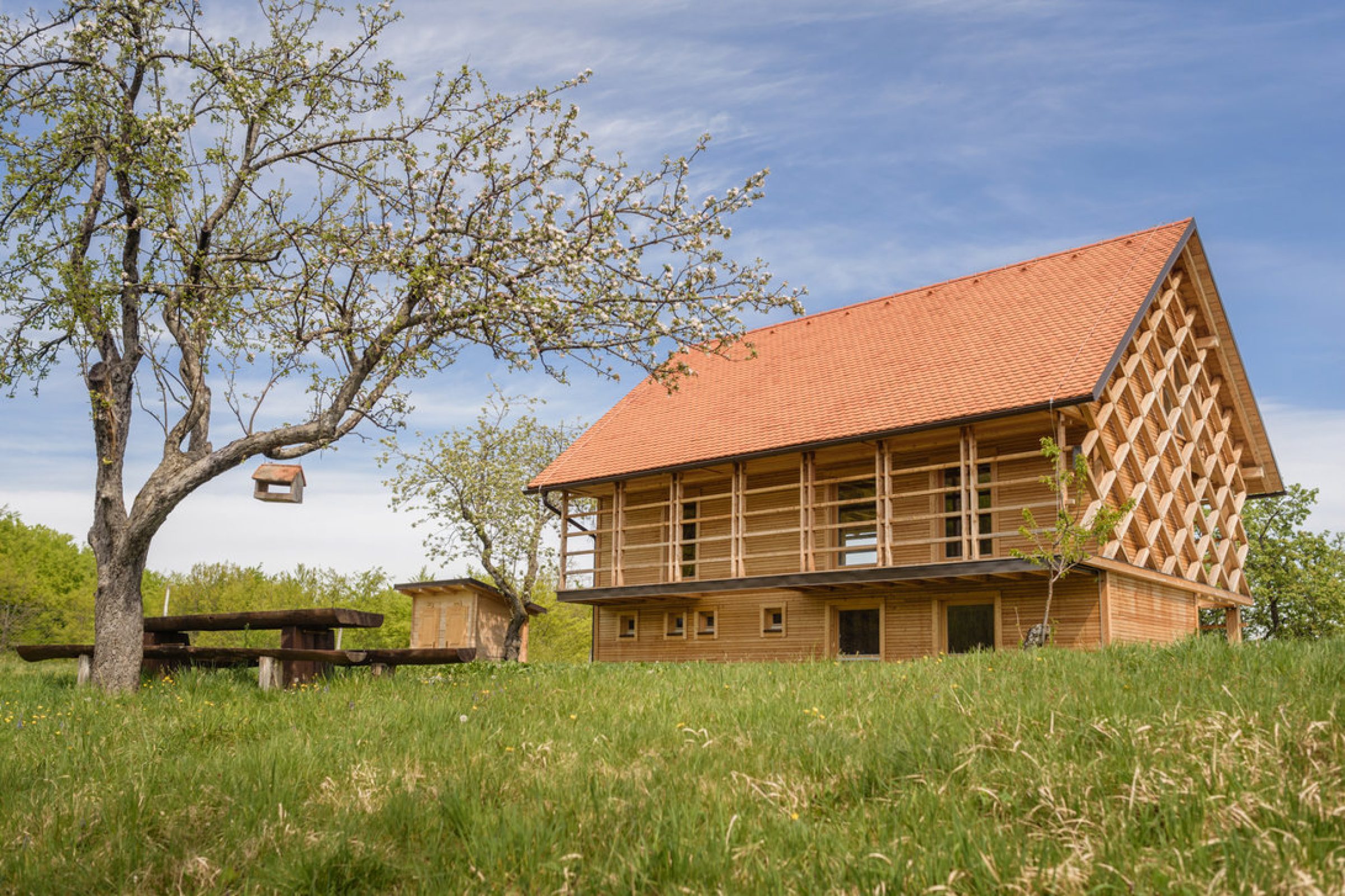
Koklej Homestead
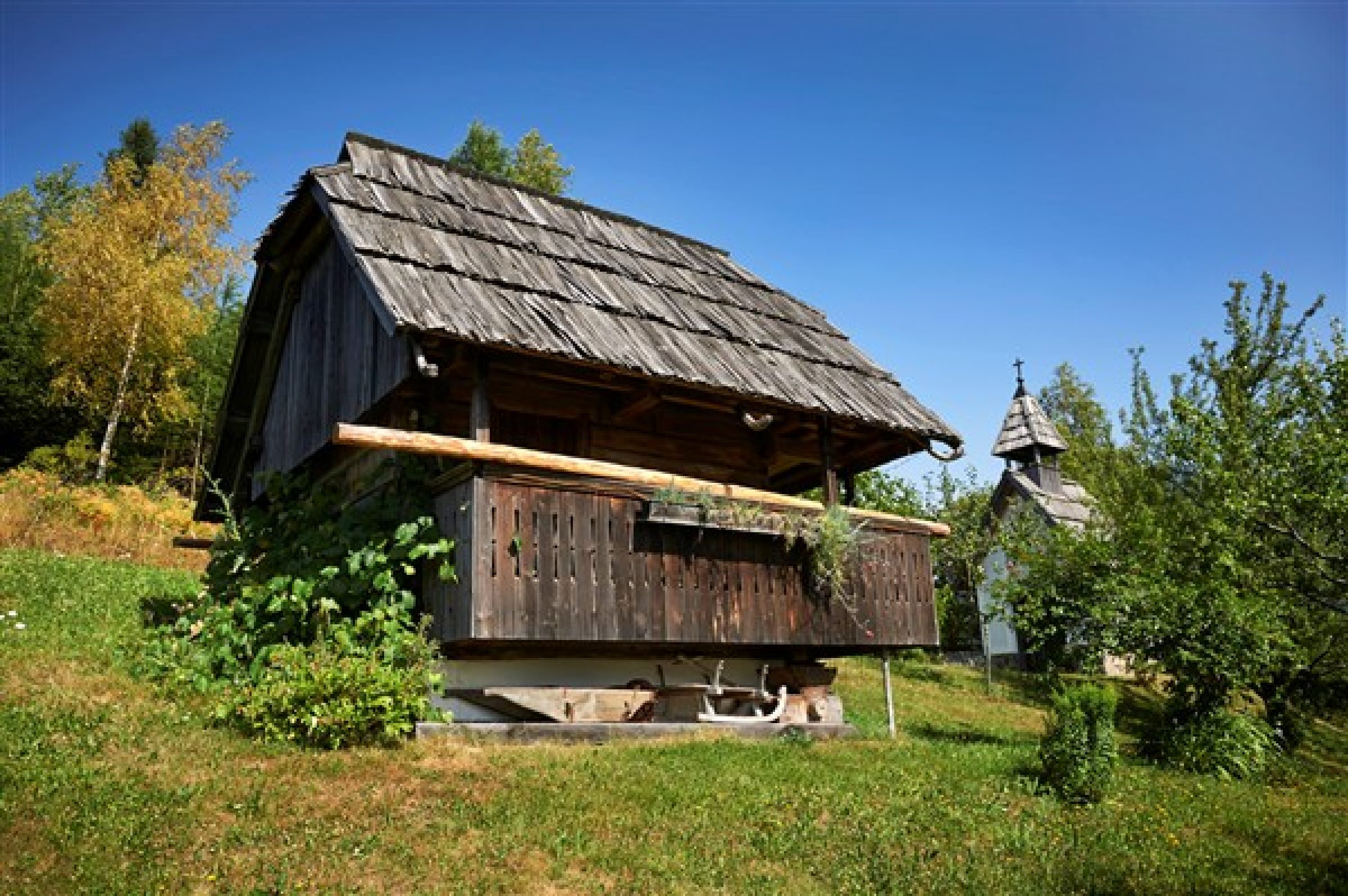
On the Koklej farm there is a collection of old and beautifully restored wooden farm buildings, which in the past represented an important part of life in this area.
Intermittent Spring
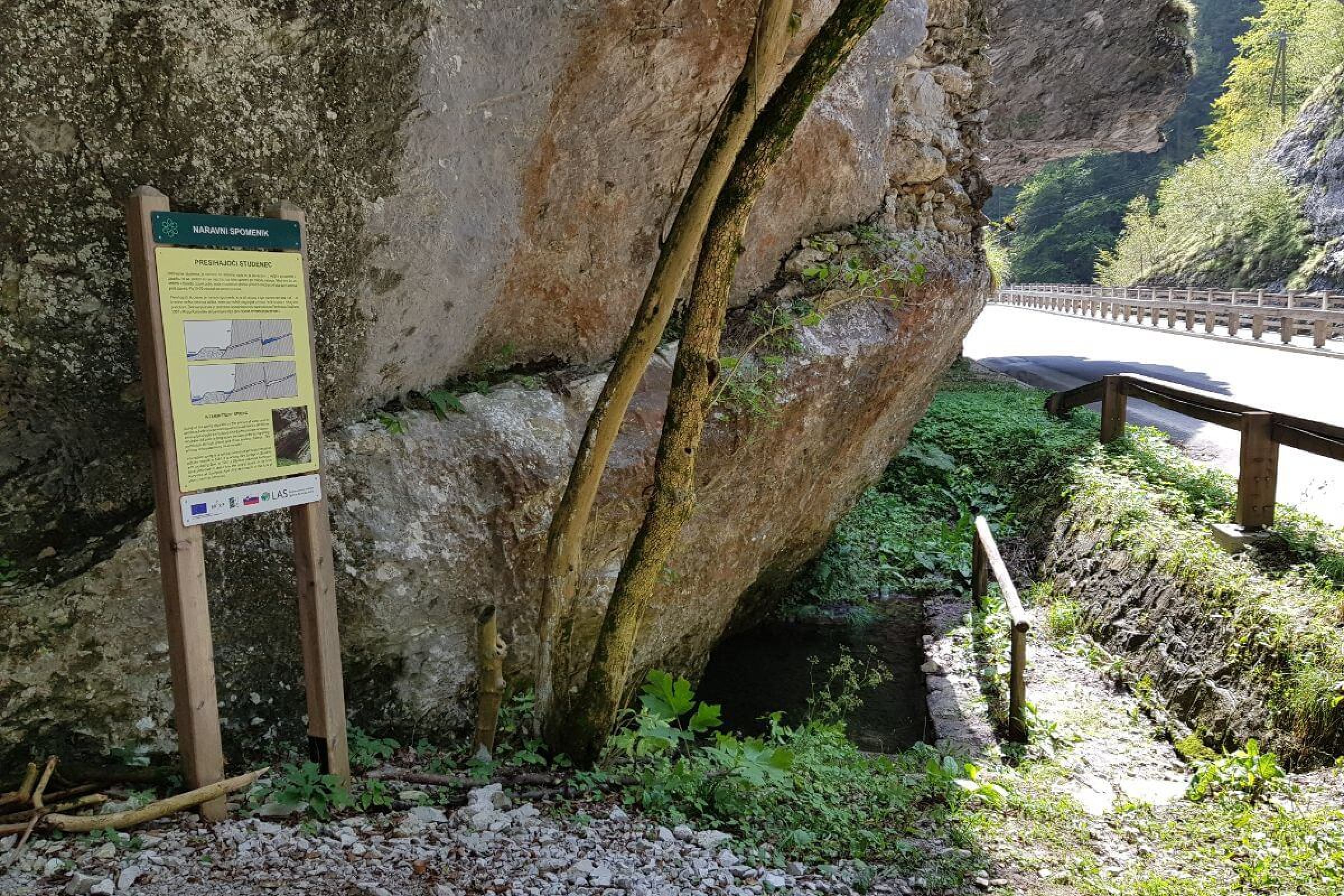
The intermittent spring is an interesting source in which the water fluctuates at regular time intervals. The ebb-and-flow spring is a special type of karst spring in which, due to a special siphon connection of water cavities, the water flow first increases and then decreases over shorter or longer intervals.
Trbiska Zijavka Cave
The karst cave, protected as a natural monument, is located on the right bank of the Savinja along the walking path that leads to Igla. The cave is 237 metres long and 30 metres deep. It was created by underground waters that flowed down from the karstified Dleskovska Plateau. Bones of a cave bear were found in it, which are on display in the regional museum in Celje.
Village Washing Place
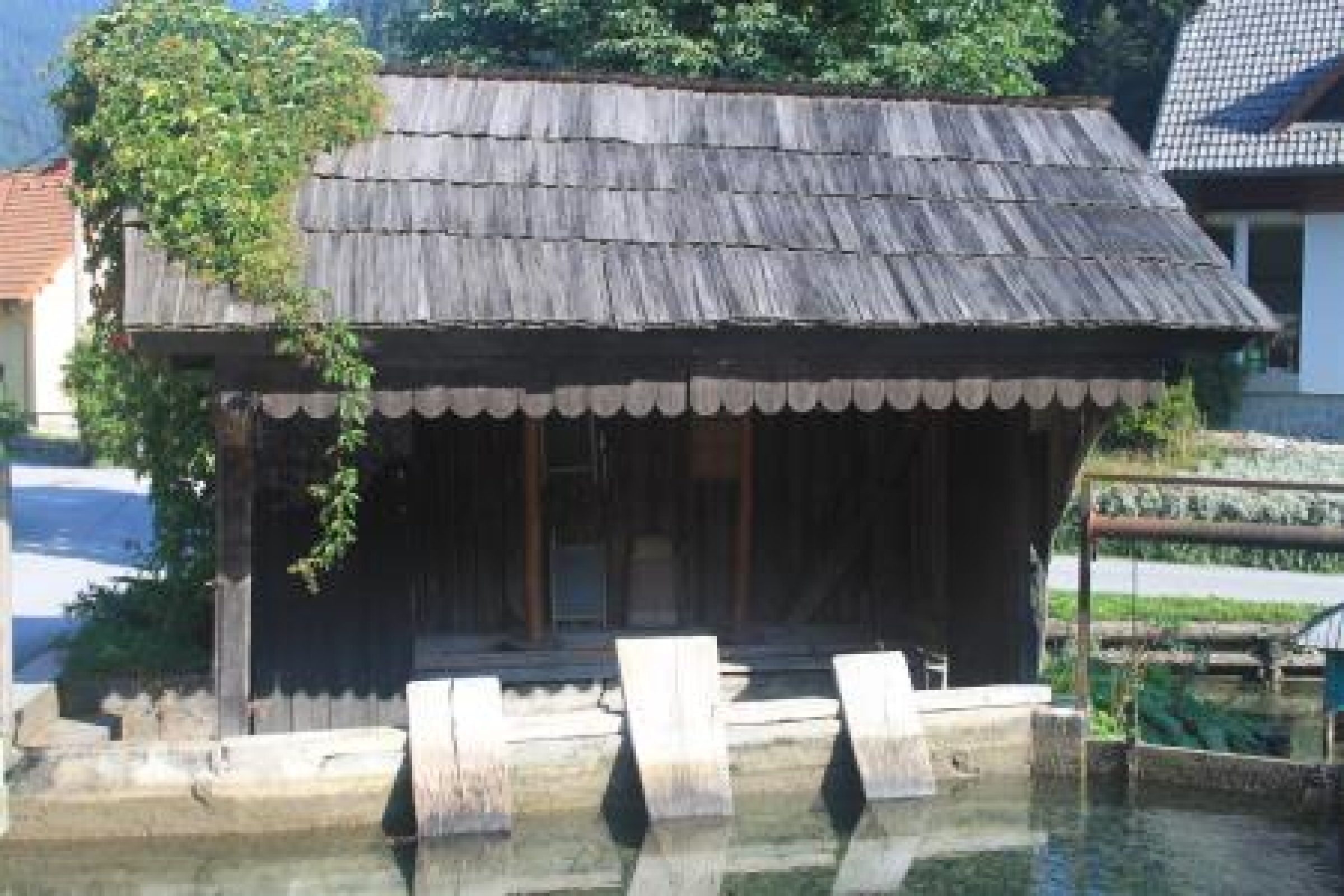
Near the Juvan House, along the bed of the Mlinscica stream, there is a restored village washing place where washerwomen once did the laundry.
Lake near Jezernik
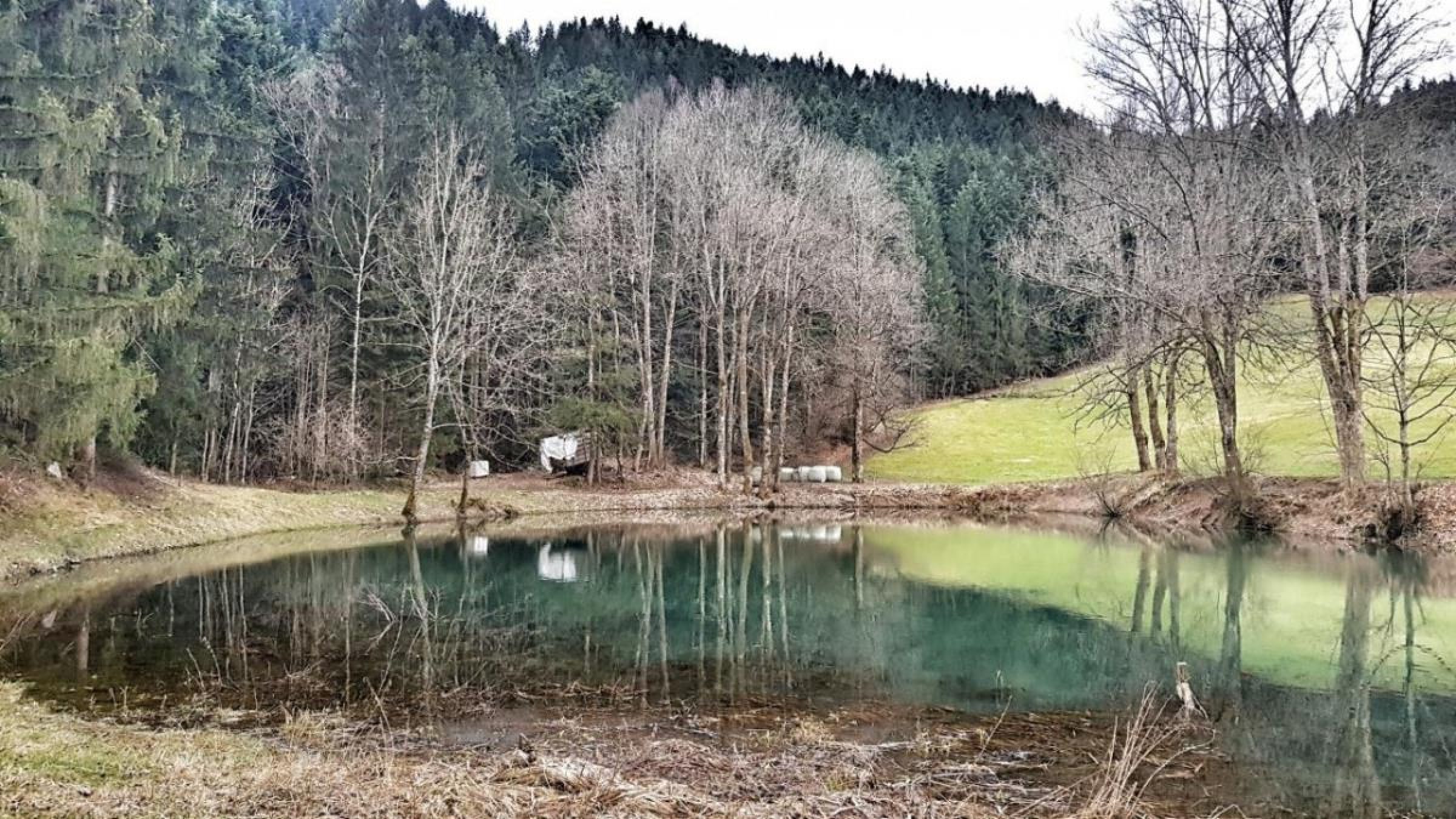
The lake near Jezernik, also called Jezernik's Lake, is located 2 km northeast of the village of Luce. It formed on a river terrace above the right bank of the Savinja.
Chapel on the Loka Mountain Pasture
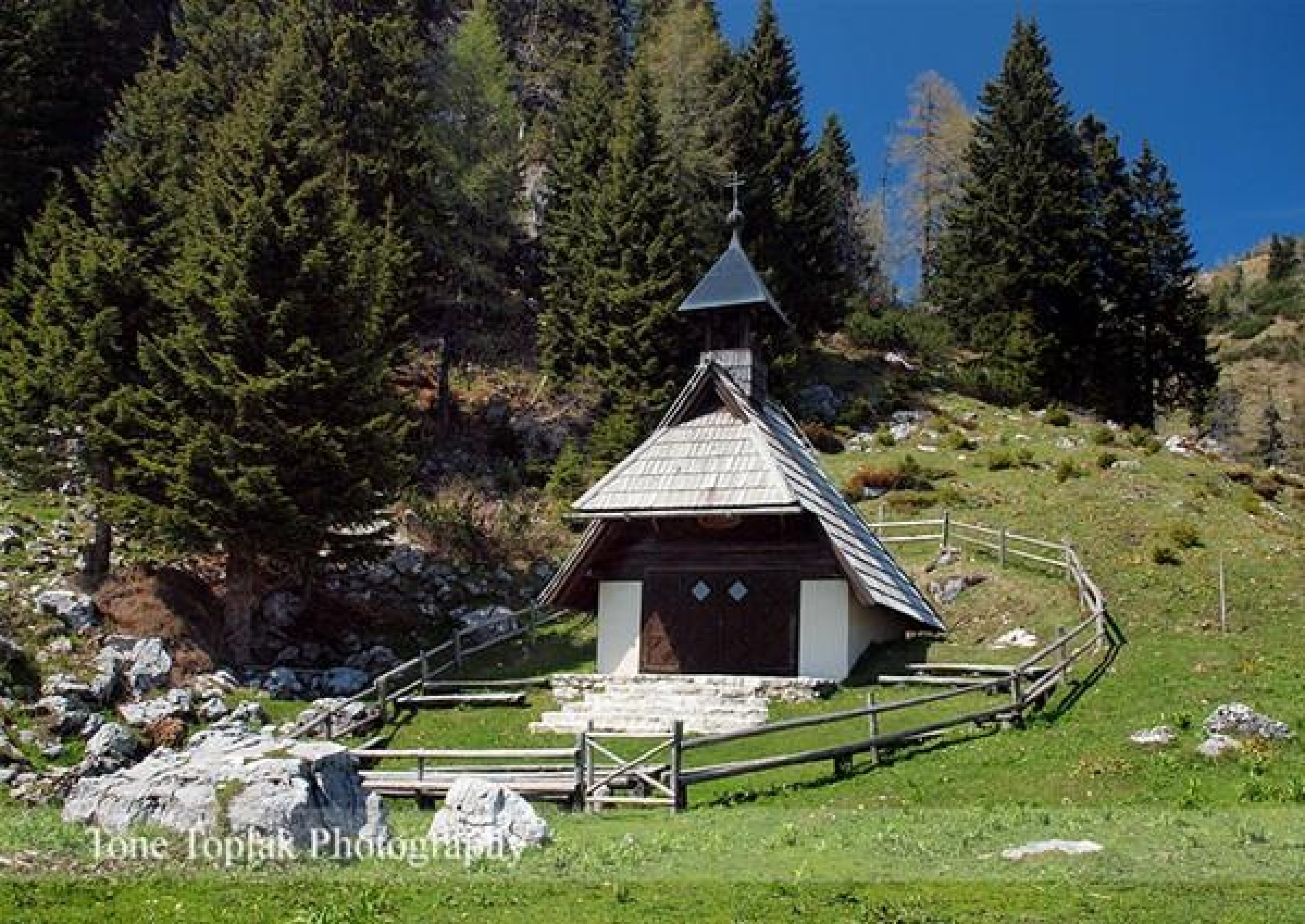
The chapel, managed by the Parish of Luče, stands just a few metres above the Koča na Loki lodge. Holy Mass is occasionally held there during the summer months.
Juvan House
Juvan House – a cultural monument of local importance – is among the oldest houses in the area of the Municipality of Luče. Based on the period of its construction, it dates to the 18th century.
Arta Mountain Pasture
The Arta mountain pasture lies on the south-western part of Raduha, near the Snežna jama cave. From the pasture, where a shepherd's hut stands, fine weather opens up a sweeping view of the hills around the Savinjska Valley and the highest peaks of the Kamnik-Savinja Alps.
Javorje Mountain Pasture
From the pasture, where a shepherd's hut stands, a fine view opens up of the Smrekovec range, Uršlja gora, Menina planina, Veliki Rogatec and the depths of the Upper Savinja Valley.
Loka Mountain Pasture
On the eastern slope of Raduha, just above the tree line, lies the Loka mountain pasture. From the pasture a fine view opens up of the Upper Savinja Valley and the mountains above it. In the distance we can see Menina planina, a little closer Veliki Rogatec and some of the easternmost peaks of the Savinja Alps above Lučnica.
Podvežak Mountain Pasture
The Podvežak mountain pasture is a scenic pasture on the south-western part of the Dleskovec Plateau. It lies on a somewhat gentler slope east of Lastovec, at an altitude of 1575 m.
The Ravne mountain pasture is a living pasture located on the south-eastern edge of the Dleskovec Plateau.
Kladje Linden
At the mountain homestead Kladje in Ter below Stari Stani, not far from the mountain lodge on Smrekovec, stands a magnificent linden (Tilia cordata) with a girth of 4.8 m and a height of no less than 31 m.
Interactive Raftsmen's Collection
The interactive raftsmen's collection is designed so that visitors explore the subject themselves and move freely around the space – the guide gives only a few basic pointers about rafting in Ljubno. Meanwhile, the collection of Palm Sunday bundles is set up as a classic exhibition led by a guide. The admission ticket is valid for both collections, located in the attic spaces of the Cooperative Hall.
Fašun Homestead
The house at Foršt 51, known locally as "Pri Fašunu", is a declared cultural monument. Together with its farm building, it represents a unified type of elongated farmhouse. The homestead, with its modest layout and courtyard, represents the home of a smallholder, a "vlcer", that is, a forestry worker and raftsman.
Church of St Elizabeth in Ljubno
The parish church of St Elizabeth is a Gothic building, but in the fire of 1798 it lost its Gothic features; only the exterior Gothic buttresses and a few frescoes on the outer walls remain, which the restorer Viktor Povše very successfully saved in 2000 and 2001 through careful removal of whitewash, consolidation, and precise, minimal retouching.
Church of St Michael in Radmirje
The church, first mentioned in 1395, had its nave rebuilt and a star-vaulted presbytery added in the second half of the 15th century, which has been preserved to this day. The main and side altars are fine examples of gilded altars from the second half of the 17th century.
Church of St Francis Xavier and the Treasury of Chasubles
In the pilgrimage church, the Radmirje treasury is of exceptional importance, having gathered gifts from the Austrian, Polish, French and Neapolitan courts. Among the preserved goldsmith's treasures, two are of particular quality: the golden chalice with paten, the work of the Parisian master R.J. August (1760), and the monstrance adorned with precious stones, the work of the Viennese goldsmith J.J. Wurth
Bohač Linden
The Bohač linden, as the locals call it, is listed among the natural values of local importance under the name Turnšek Linden. It stands in the central square of Rečica ob Savinji, beside the ancient Bohač homestead, whose owners bear the surname Turnšek. In the past, market-town stories unfolded beneath this linden, news was exchanged, townsfolk cooled off… Beneath its canopy, the central Rečica event, the Evening under the Market-Town Linden, still takes place today.
CHURCH OF ST JOHN THE BAPTIST
The Church of St John the Baptist in Šentjanž was first mentioned as early as 1347. It originally had no bell tower, acquiring one only in the 15th century. At that time, a large fresco of St Christopher with the Christ Child was covered over, of which both heads remain visible today. In the mid-19th century the church was almost entirely rebuilt. Built into the tower are a Roman tombstone and an altar to the sun god Mithras, worshipped by Roman soldiers.
PILLORY – PRANGER IN REČICA
The pranger is a stone pillar about two metres high with a distinctive cap, which originally stood on a stone pedestal. An iron ring is fixed to the pillar, to which the convict was tied. This most often happened on Sundays or some holiday, when many people gathered to mock and taunt the condemned and make fun at their expense
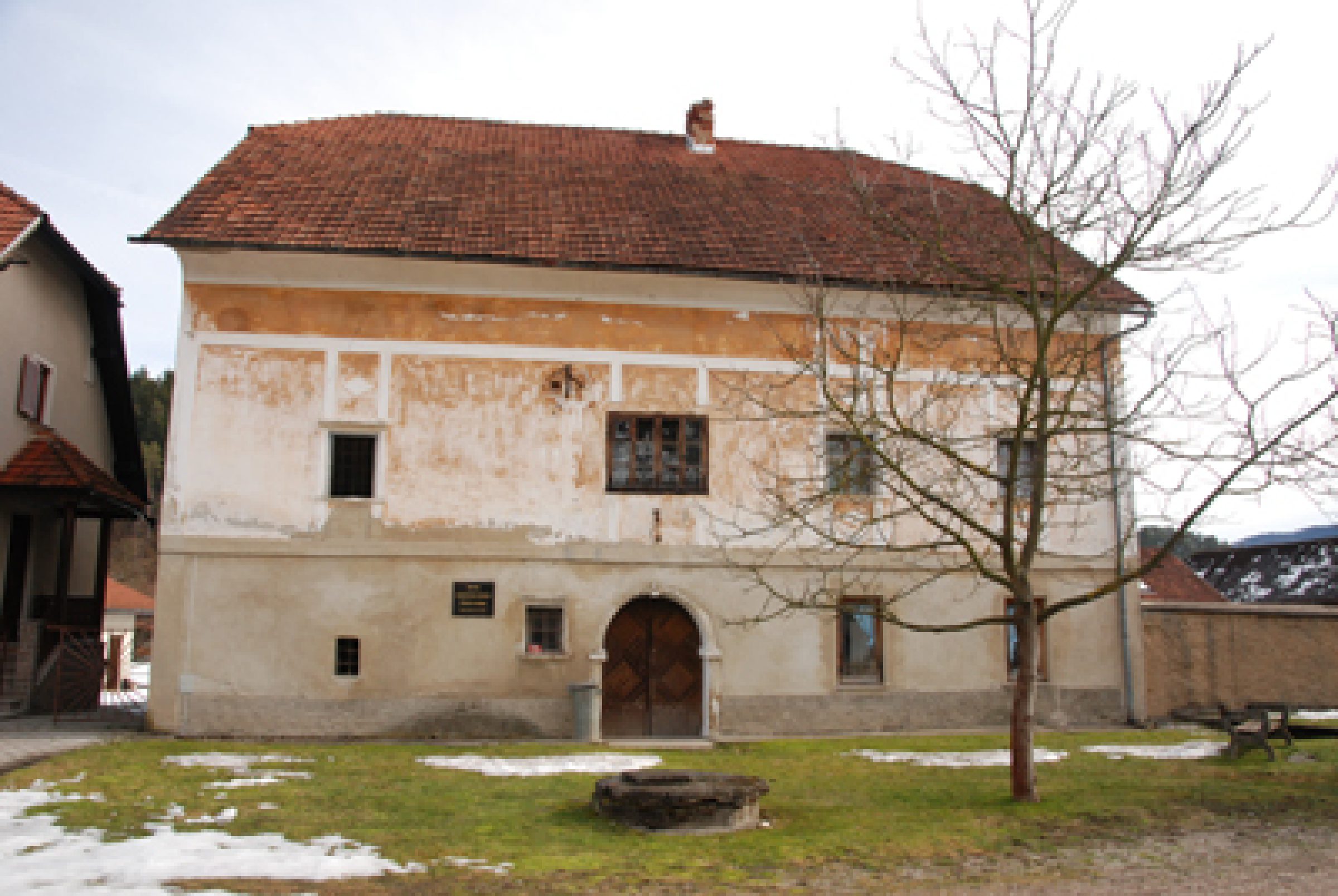
TAVČAR COURT
In the market town of Rečica stands a single-storey stone-built building called Tavčar Court. In German documents it is called Tautscher Hof. It was built in the 16th century in the Renaissance style.
It was named after Bishop Tavčar, who bought it in 1590 from its then owner Janez Jurij Hurnus. The house became Tavčar's private property.
Vila Široko Šoštanj
Experience the past in the embrace of nature. Vila Široko is a beautiful historic villa located above Šoštanj...
Monastery of the Poor Clares in Nazarje
Beside the Church of the Annunciation of Mary and the Franciscan monastery stands the monastery of the Second Franciscan Order, the order of the Poor Sisters of St Clare, the Poor Clares. Fourteen sisters currently live there. The founder of the order of the Poor Clares is St Clare of Assisi, who lived from 1193 to 1253. By decree in 1782, Emperor Joseph II dissolved all monasteries of the Poor Clares. The Poor Clares returned to Nazarje in 1978 after an absence of almost two hundred years, and in 2003 they celebrated the 25th anniversary of their return.
Church of St Jodocus in Rovt pod Menino
The church is first mentioned in the Gornji Grad urbarium in 1426. The Gothic church, erected in the first half of the 15th century, has retained its original appearance almost in its entirety. At that time the bell tower, the flat-roofed nave and the cross-ribbed vaulted presbytery were built. The nave was given a star vault in the second half of the 15th century. From the older furnishings, a Gothic winged altar from around 1380 with scenes from the legend of St Otilia has survived. The reliefs of St Dorothy and St Anne with the Virgin and Child on the pulpit date from the early 16th century.
Church of the Virgin Mary in Kokarje
The place and the chapel are first mentioned in 1340. Later the place was simply called Pri kapeli (At the Chapel), and only in 1460 does the name Kokarje appear. The church has been a place of pilgrimage from the very beginning. The first great gathering is mentioned in 1460, when Abbot Kašpar led a procession from Gornji Grad in the middle of winter and his prayers were answered. That year the winter was very harsh; cattle perished from the cold and people died. Soon after the gathering it grew warmer. In memory of this, a gathering is still held in Kokarje on every Lenten Ember day to this day.
Church of St George Mozirje
The most prominent building in the Mozirje market town is the Church of St George. It is first mentioned in 1241, but it is presumed that a church stood there as early as the 12th century.
Mozirje Gallery
Mozirje Gallery operates within the Mozirje Central Library. In the gallery we organise occasional exhibitions in the fields of fine art, photography, literature and ethnology.
Church of St Roch
The Church of St Roch is a church in the Karavanke at an altitude of 427 metres. The church is located 0.7 km north-northeast of Mozirje and 1.2 km west-northwest of Ljubija.
Ljubija Spring
The Ljubija Spring is a natural water spring located in the Municipality of Mozirje, in the area of the Upper Savinja Valley. The spring is set in pleasant natural surroundings, popular among hikers and visitors who enjoy nature.
Filial Church of Mary, Mother of God at Lepa Njiva
The church was built in 1493 and consecrated around 1500. The northern sacristy was built around 1670, and the bell tower around 1720. The nave was vaulted in 1770.
Parish of Šmihel nad Mozirjem
The Parish of Šmihel nad Mozirjem lies on a gentle slope below the karst plateau of Golte above Mozirje. It encompasses the village of Šmihel, part of the villages of Radegunda and Lepa Njiva, and one house from the village of Brezje. The parish belongs to the parish association of the parishes of Mozirje, Rečica ob Savinji and Šmihel nad Mozirjem
Center Rinka
The central space of Center Rinka is a multipurpose hall for multimedia presentations, lectures, training sessions, seminars, workshops, guest exhibitions or smaller cultural events.
Church of Our Lady of the Snows
The Church of Our Lady of the Snows is a picturesque pilgrimage church in Solcava, known for its rich history, beautiful architecture and popularity among visitors seeking spiritual peace and views of the surrounding landscape.
Mineral water spring
The mineral water spring is a mineral spring below Olseva, said to have healing powers. It has been declared a natural monument of Slovenia.
Church of St Michael
The main parish church in the centre of Vransko is an important sacred and historical symbol of the town.
Vransko Motorcycle Museum
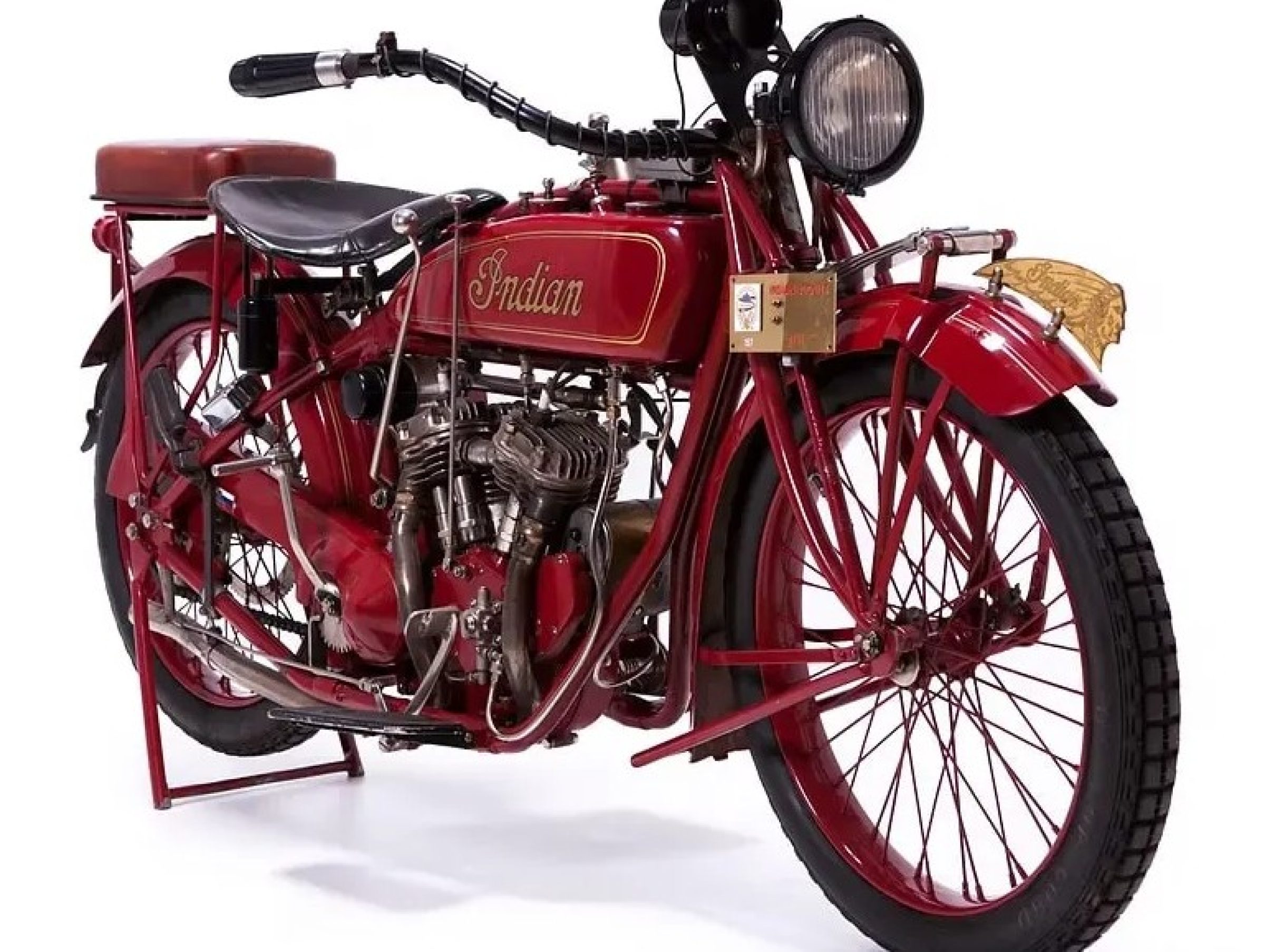
The museum showcases a rich collection of historical motorcycles and the development of motorcycling in Slovenia.
Schwentner House
A historic town house of a wealthy market-town family, characteristic of the traditional architecture of the old town.
Ethnological Collection Brode pri Vranskem
The ethnological collection is located at the »pri Knežari« homestead in the village of Brode. The owner of the Knezar homestead is also a passionate collector himself, so the collection has grown considerably since it opened in 2006. The exhibits have been restored and arranged throughout the entire homestead, which therefore gives the impression of a museum.
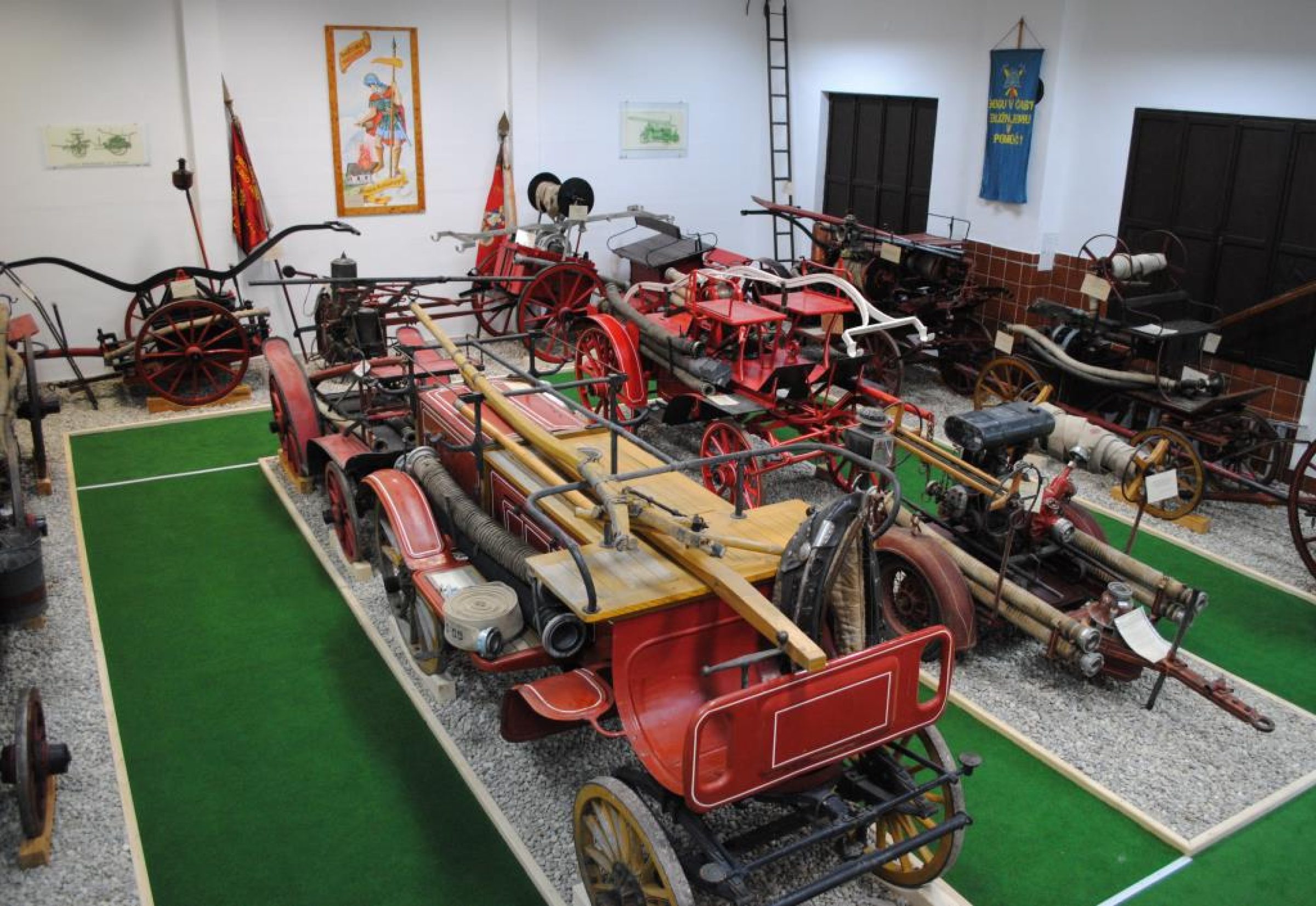
Prekopa Firefighting Collection
A small museum presenting the history of firefighting and old firefighting equipment in the area.
Parish Church of St Hermagoras and Fortunatus in Podraga
The church lies in the eastern part of the settlement on a raised terrace. Steps lead up to it from the west side. The original Gothic church was built in 1465-1480. Parts of it were used in the remodelling of the church at the end of the 17th century. In the 19th century the church was rebuilt and newly furnished. In 1857 a bell tower was added to the church. The bell tower is of the Aquileian type, but covered with a stone onion-pyramidal roof. The main altar of St Hermagoras and Fortunatus, made of marble and inlaid, imitates Baroque columnar altars.
Prebold Mansion
The Renaissance Komenda Manor in Prebold is an important cultural monument and part of the history of the Savinjska Valley.
Vrbje Pond
Vrbje Pond is a true haven for birds, with more than 170 species already observed; the southern part of the pond belongs to a Natura 2000 area.
Parish Church of St Stephen
The main parish church in Gomilsko is an important religious centre of the lower Savinjska Valley.
Filial Church of St Rupert
The filial church in Sentrupert stands in the centre of the village and represents an important part of the local sacred heritage.
Filial Church of St Christopher
The Church of St Christopher in Grajska vas is a historic village church that originates from older medieval sacral buildings.
Filial Church of St Matthew
A smaller church on a hill above the valley offers a beautiful view of the surrounding places of the Savinjska Valley.
Church of St John and St Paul
The Church of St John and St Paul stands in the scenic area of Dobrovlje and is an important rural sacral landmark with a view of the surrounding hills.
Komenda Castle
The Renaissance Komenda Castle is one of the most important historic buildings in Polzela and is today a restored cultural centre.
Šenek Park and Mansion
Šenek is a historic manor with a large English park, a popular place for walks and cultural events.
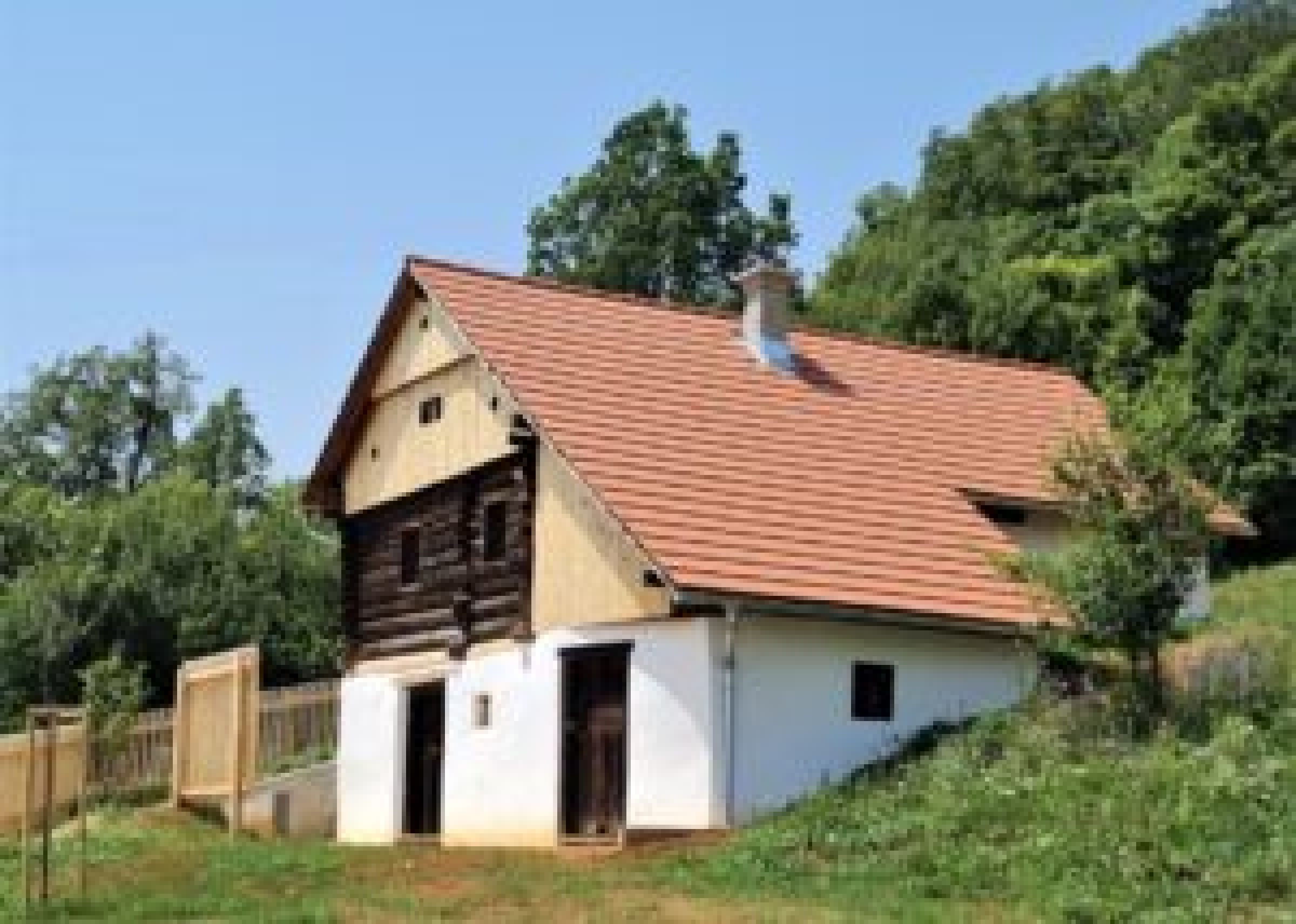
Birth House of Neža Maurer
In the settlement of Kopank in Podvin pri Polzeli stands the birth house of Neža Maurer, a well-known Slovenian poet, writer, publicist and honorary citizen of the Municipality of Polzela. The house was completely renovated in 2022 and is one of the few still preserved in its near and wider surroundings, telling us about the way of life, husbandry and dwelling in the past.
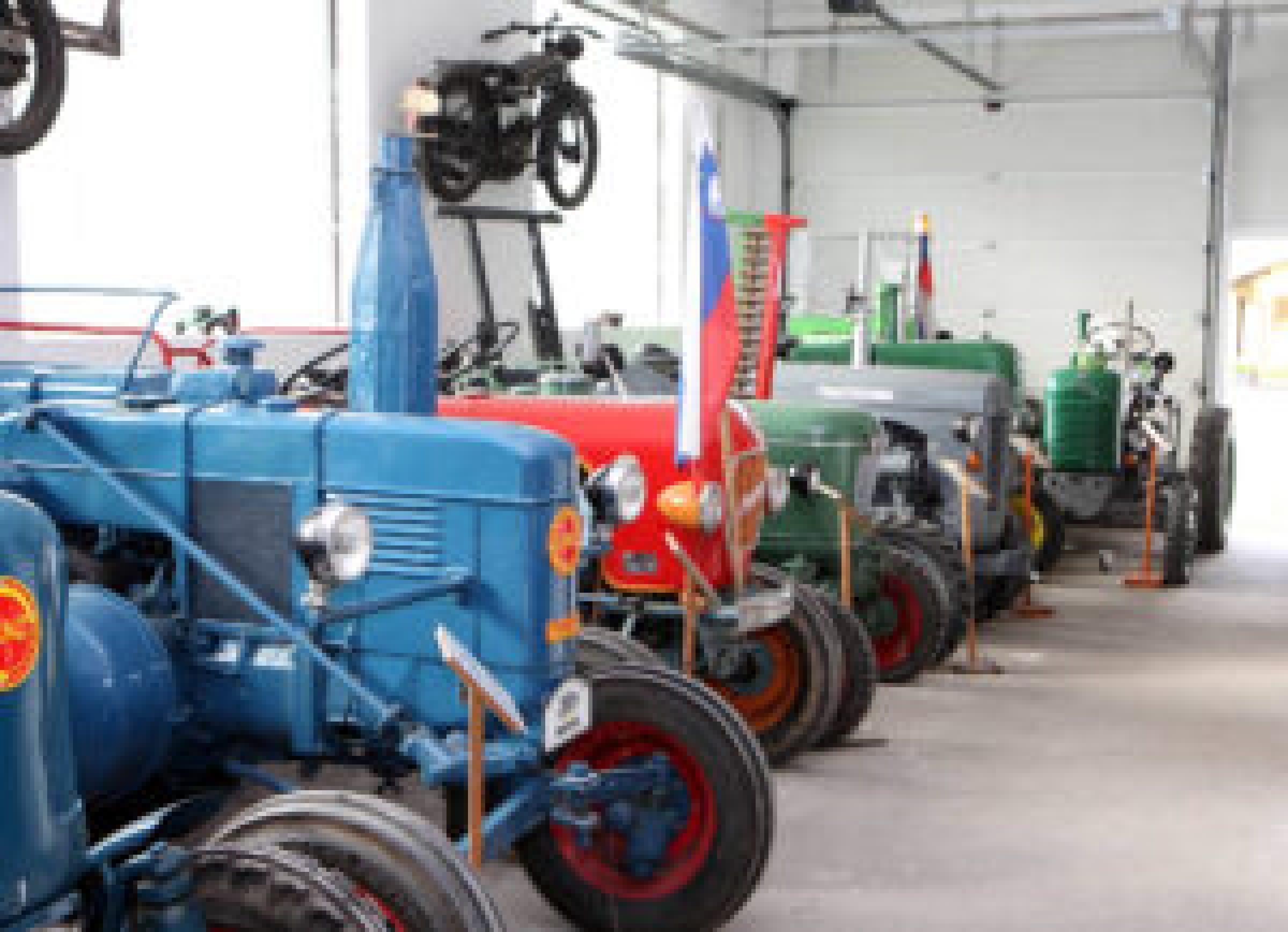
Museum of Old Tractors
A unique collection of more than twenty vintage vehicles, which the owner Ernest Obermayer gathered from various parts of Slovenia and Austria and restored to the point that they are all in running condition. Part of the collection is a Mercedes-Benz from 1952 with a wooden chassis beneath the metal body, of which he is especially proud.
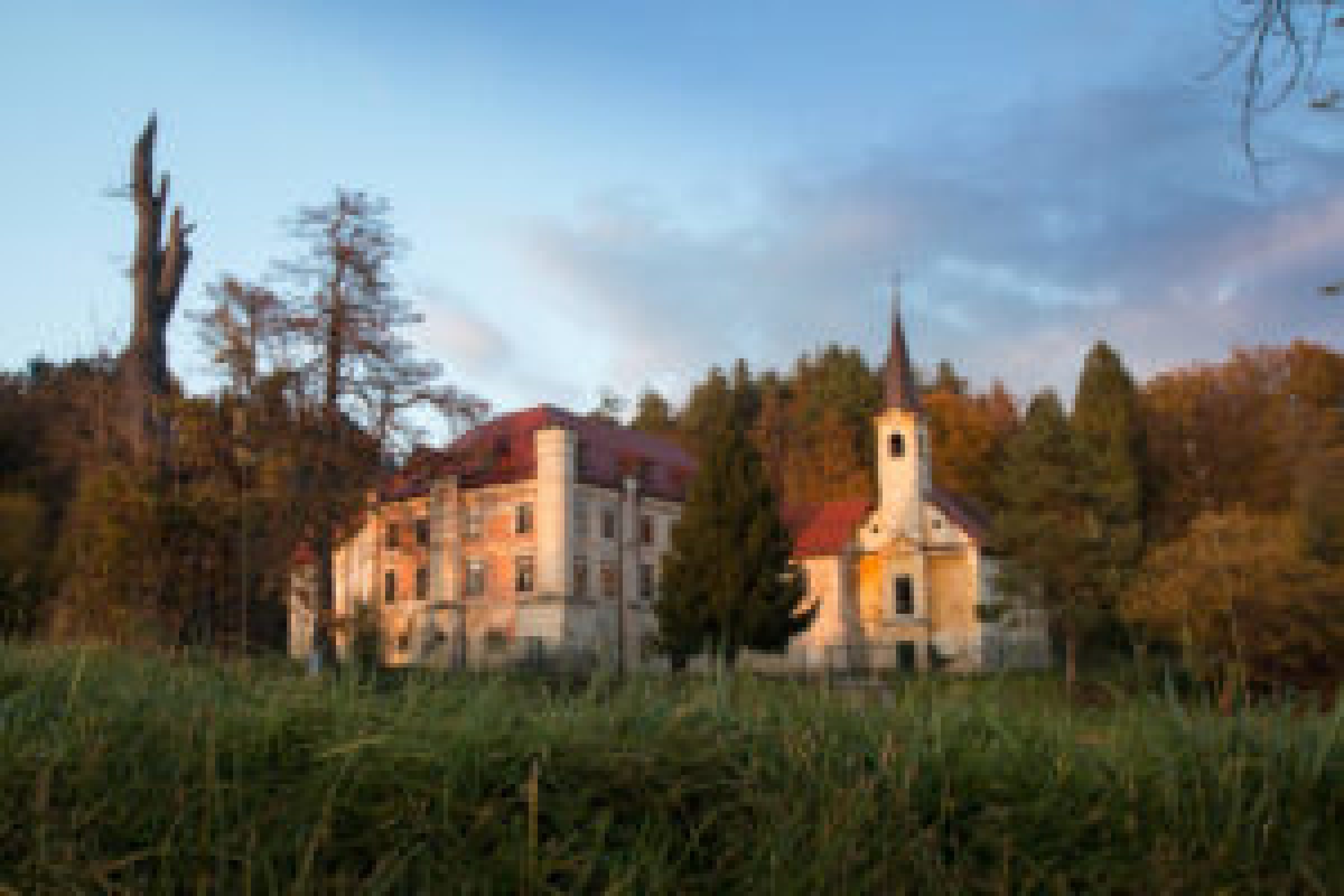
Novi Klošter Mansion
The monastery in Zaloše was built by the Count of Celje Frederick II, who in 1453 gave it to the Dominican monks. At the end of the 18th century it was dissolved by Emperor Joseph II. It was twice devastated by the Turks, later it was rebuilt into a mansion, and its surroundings were converted into a park, where various trees were planted.
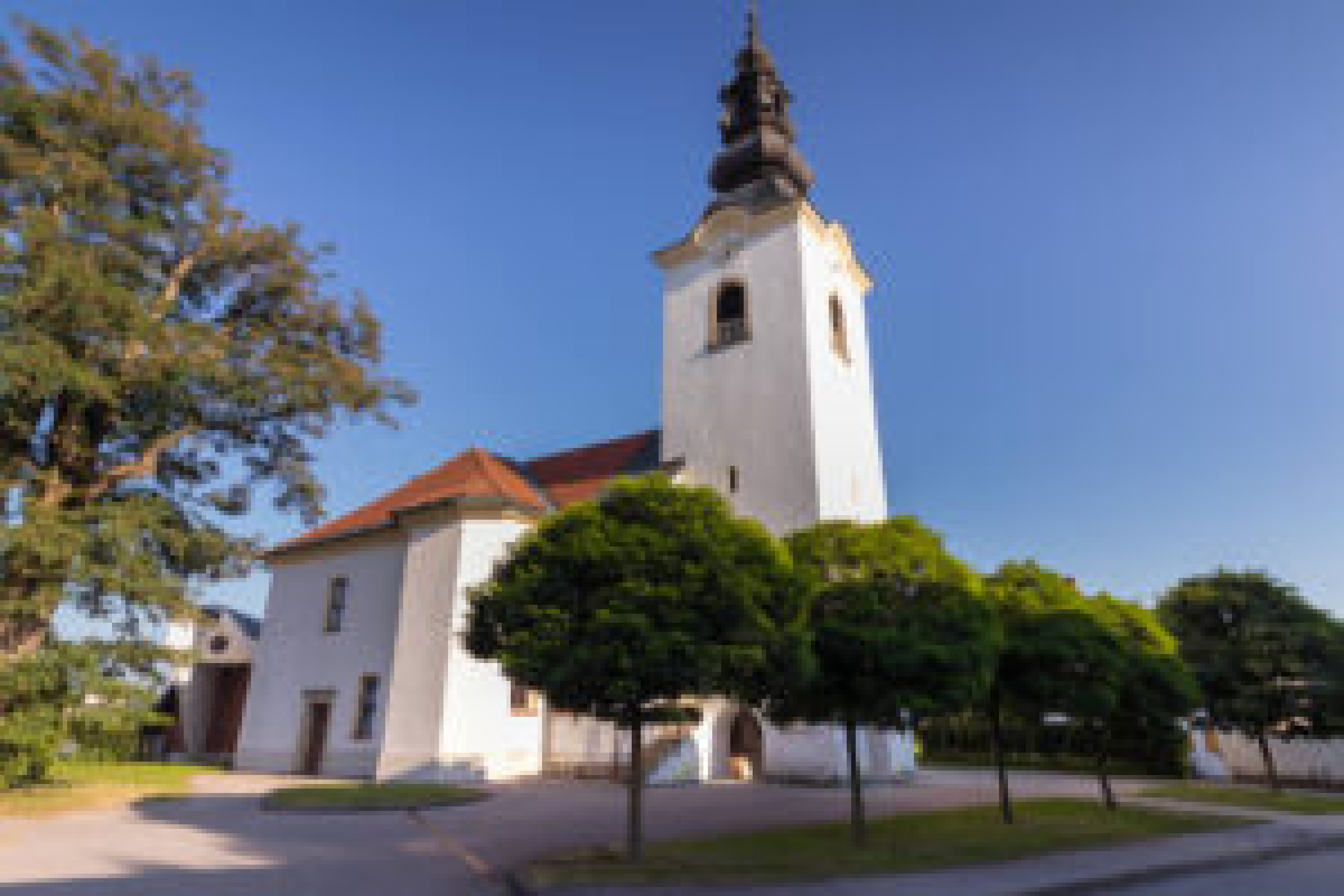
Church of St Margaret
The parish church of St Margaret was built not far from Heilenstein Castle, in the present centre of Polzela, and is first mentioned in 1255. The owners of the castle from the Heilenstein lineage expanded their estates also in connection with the estates of the Counts of Celje. The original church was Romanesque. In 1263 it became a commandery church, as evidenced by the relief of the Maltese cross on the ceiling in the presbytery.
Church of St Andrew
Once a picturesque little church, first mentioned in a document from 1229, today it is a stately parish church, from which there is a picturesque view of the entire area of Andraž nad Polzelo. The origin of this little church is connected both with the landowners of Polzela and the Counts of Celje.
Church of St Nicholas on Vimperk
The church is first mentioned in the Strasbourg visitation protocol of 1545, but by the time of its origin it is older and probably dates back to the second half of the 14th century. It underwent baroquization during the time of the commander Baron Gloyach. In 1728 the church received its present vault instead of the Gothic wooden ceiling, and in the following decades a sacristy and a bell tower were added.
Church of the Assumption of Mary
The parish church, once one of the largest mother parishes in Styria, where the Countess of Celje Veronika of Desenice was temporarily buried in 1428, is undoubtedly the oldest and most renowned building in Braslovče.
Štrovsenek Mansion
The Štrovsenek Manor, which stands in the settlement of Šmatevž, is a former hunting court of the Princes of Celje from the second half of the 15th century. The Styrian provincial physician and naturalist Jakob Strauss renovated the manor in the Renaissance style at the end of the 16th century, and since then it has also borne his name »Straussenhof«.
Church of St Peter
The first historical record of the church dates from 1256; the church's greatest attraction is undoubtedly the statue of the Mother of God with Child from 1320.
Loznica Nature Park
Loznica Nature Park encompasses the land along the Loznica River, offering a pleasant setting for relaxation and a stroll.
Nivo Bio Park
Nivo Bio Park is a pleasant and beautifully landscaped park with numerous energy points that fill our body with energy. Simply sitting on the rocks and walking along the energy trail has a beneficial effect on well-being; the trail is laid out so that you can skip an individual point or walk from one part of the park to another via shortcuts.
Roman Road
East of the Roman necropolis, remains were found of the Roman road Aquileia–Emona–Celeia–Poetovio, which ran from present-day Aquileia in Italy via Ljubljana and Celje to Ptuj.
Eco Museum of Hop Growing and Brewing of Slovenia
The Eco Museum of Hop Growing and Brewing of Slovenia opened its doors in November 2009. It is a significant tourist asset for the entire Lower Savinjska Valley, as the tradition of hop growing and brewing has been alive in these parts since 1876.
Church of St John the Baptist
The Church of St John the Baptist in Letus watches over its parishioners from the hillside like a guardian, with their homes scattered below it.
Novo Celje Manor
This Baroque manor from the 18th century stands in a large park between Zalec and Petrovce.
Celje Old Castle
The largest medieval castle in Slovenia was the seat of the mighty Counts of Celje.
Regional Museum
The Celje Regional Museum has been collecting, preserving and presenting the cultural heritage of Celje for over 130 years. At two central city exhibition venues (the Princes' Palace and the Old Counts' Mansion) and ten external ones, it offers a comprehensive view of the history and culture of the Celje region.
Museum of Recent History
One of the greatest charms of travelling and exploring cities is that we can get to know up close the lifestyle and soul of their inhabitants. Through this lens we come to understand the foundations on which their architecture and way of life, everyday habits and festive customs developed.
Celje Gallery of Contemporary Art
With its representative exhibition spaces in the Princes' Palace, it is dedicated to larger, study-based, thematic and survey exhibitions of recent and contemporary visual art by Slovenian and foreign artists.
City Park
Horse chestnuts, the sound of the river and old acquaintances gathering in nature are the main draw of Celje City Park, once known as the Savinja Meadow.
St Cecilia
The church and Capuchin monastery were built at the wish and with the alms of the faithful. The foundation stone was laid on 25 October 1609. The church was consecrated to St Cecilia by the Bishop of Ljubljana, Tomaz Hren, on 14 November 1615. The monastery was enlarged in 1910, and in 1911 chapels were added to the church.
Parish Church of St Joseph
On St Joseph's Hill in Celje, with God's blessing and the dedication of all who live and work here, a varied range of activities has developed over two good decades, which we divide into three areas. The oldest is the spiritual and educational activity, which has been running since 1997. We prepare our own programmes of spiritual exercises, training for pastoral collaborators, adult education, cultural events, concerts and courses.
Smartno Lake
Smartno Lake is located in the immediate vicinity of Celje and, with its varied shoreline and interesting surroundings, is an attractive destination for outings. It was created in 1970 and covers 113 ha of water surface. In addition to its original function as a flood-retention reservoir, the lake and its surroundings have over the years turned into a recreational, sporting and tourist area that grows more popular year after year.
Celje Equestrian Center
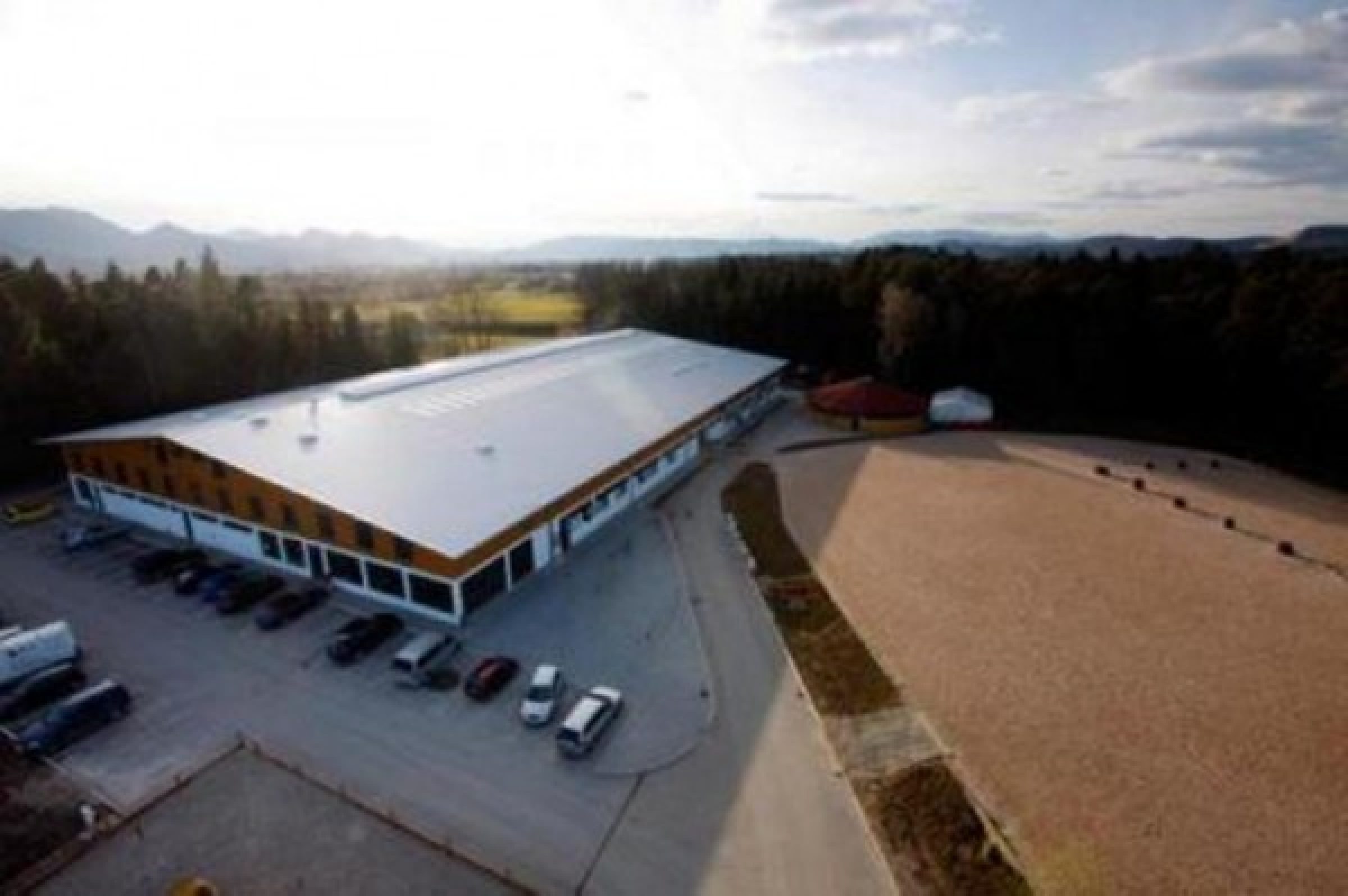
An indoor riding arena, an outdoor riding ground and accompanying facilities provide excellent conditions for equestrian activities regardless of the season.
Z'dežele Stadium
The stadium in the sports park below Golovec, which has carried the sponsorship name Z’dežele since 2005, ranks among the most modern football and sports facilities in Slovenia. Construction of the stadium in the former abandoned Opekarniška jama began in 1999, and it was handed over for use with the completion of the main eastern grandstand on 9 September 2003, when a friendly match between the youth national teams of Slovenia and France (0:0) was played there. The official opening of the stadium took place three days later, at a championship match between the then CMC Publikum and Ljubljana (3:1), when Simon Sešlar also scored the first goal at the new stadium.
Celje Climbing Center
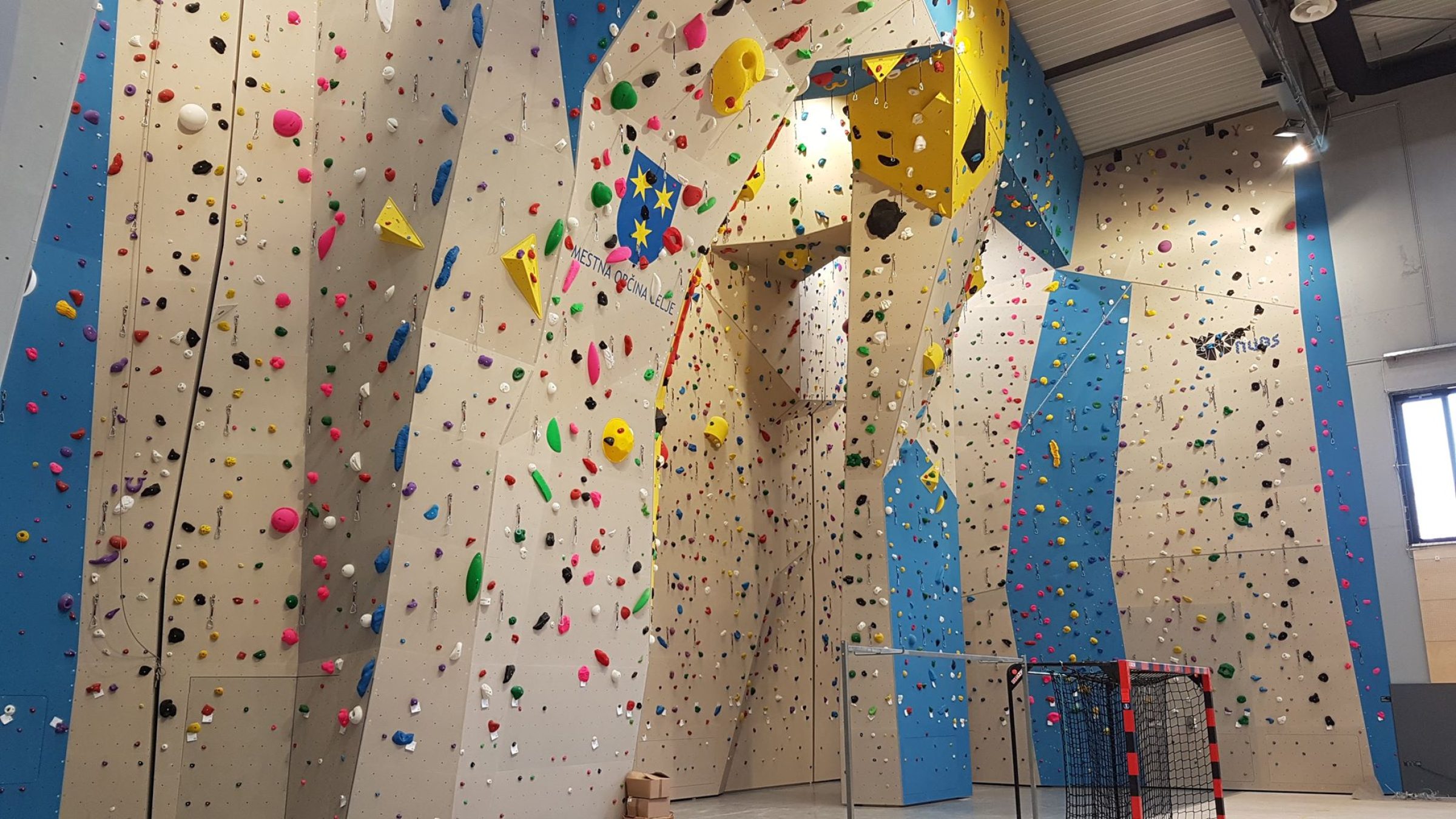
The Celje Climbing Center in the gymnasium of the 1st Primary School invites you to test your strength and body control! You can climb on almost 1000 m² of climbing surfaces.
Church of Our Lady of the Snows
The present Church of Our Lady of the Snows is a Gothic fortified building erected at the end of the 15th century. It is said to have been built by the Count of Celje Frederick II in gratitude for his safe return from captivity in Ferrara. The church is built of stone and is unplastered, and besides its magnificent Gothic architecture it contains a Late Gothic image of Mary with Jesus in the Baroque altar, Mary's “throne” from 1700, an image of the Nativity of Mary and a Baroque organ. Several mighty, ancient linden trees stand beside the church.
Church of St Florian
The Church of St Florian stands in a small valley called Svetli dol (the name derives from the Slovenized word “Lichtenthal”, as the valley was named by the German workers who felled timber in the nearby forests for the local glassworks). In 1753 it was built by Count Gaisruck, the owner of the Novo Celje estate, for his workers from the nearby glassworks. A special attraction of the church are the paintings depicting the life of St Florian.
Church of St John the Baptist
The Church of St John the Baptist stands on a hill in the village of Šentjanž nad Štorami, in the immediate vicinity of the local road leading to Svetina. On the site where the church stands today, the Prežin mansion is said to have once stood, but it was demolished in the 15th century, so that only the castle tower remained, which still stands today as the church bell tower, separate from the church. This church too is first mentioned in 1525, but it was probably built about a decade earlier. The high altar in the church bears an image of John the Baptist.
Church of the Holy Cross
In the immediate vicinity of the Church of Our Lady of the Snows stands its filial Church of the Holy Cross, which was built around 1500. In the small church is the famous “Crucified” cross, created around 1490, and a large oil painting depicting the Nativity of Christ.
Celjska koča
With a view of Celje in miniature, comfort and unspoiled nature meet on a green plateau to the south of the Celje basin. Celjska koča is a hill and a resort that you can reach on foot, by bicycle or by car.
Church of St Lawrence
The Church of St Lawrence stands at the edge of the village of Kompole and is surrounded by a cemetery. The church was built by the feudal Saiffner family in the second half of the 14th century, and is first mentioned in written sources in 1525. It is set on an east–west axis and has three parts: a bell tower built onto the front, a rectangular nave and a semicircular apsed presbytery. The church has a high altar made in the Neo-Renaissance style, with a statue of St Lawrence in the center, a statue of St Paul on one side and a statue of St Peter on the other. The side altar is adorned with an image of the Archangel Michael with statues of the Archangels Gabriel and Raphael at the sides.
Štore Ironworks Museum
The origins of the Štore Ironworks Museum date to recent times. The permanent exhibition presents the development of the town of Štore and the surrounding places from the second half of the 19th century to the present day. The emphasis is on two economic branches – mining and ironworking, which strongly marked this area. The beginnings of iron production in Štore date to the middle of the 19th century, to the time when the towns of Maribor, Celje and Ljubljana were already connected by the “iron road” with Graz, Vienna and Trieste, and to the time when the influence of the industrial revolution brought numerous technological innovations and modernizations of plants, which made it possible to increase the production of iron and iron products, while coal became an important energy source.
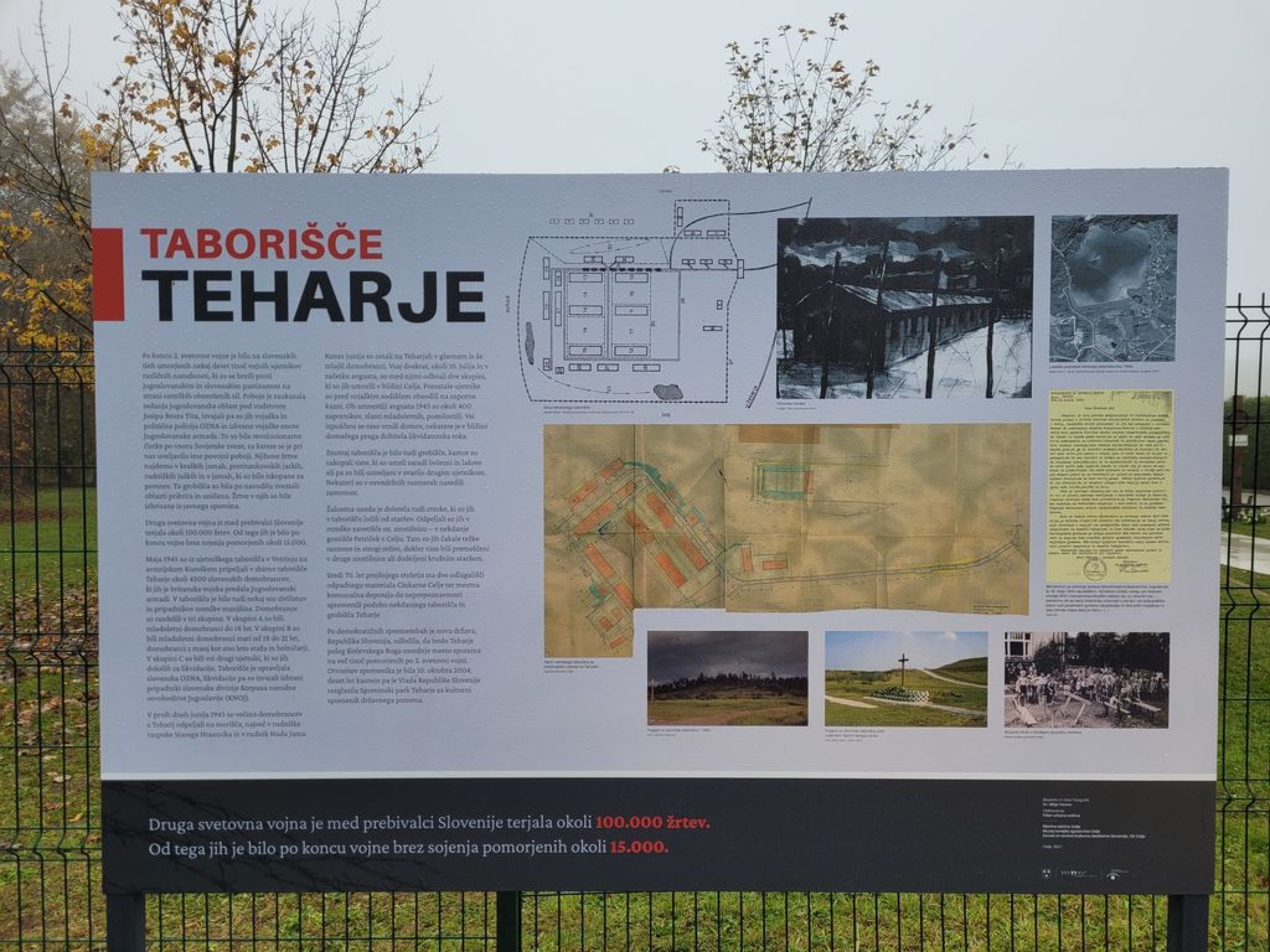
Teharje Memorial Park
The Štore Memorial Park is dedicated to the victims of post-war extrajudicial killings, often associated with the area of the Teharje camp.
Tomaž at Sv. Tomaž nad Vojnikom
The Chapel of St Thomas at Sv. Tomaž nad Vojnikom, remains of the once mighty medieval castle from the 12th century.
Lemberg Castle
Lemberg Castle from the 12th century, demolished in 1453 by Frederick II of Celje and rebuilt in 1584. Even today the castle reveals its mighty form, already from the road leading toward Dobrna.
Socka Mansion with Park
The Socka Mansion with park (15th century); the original owners are known as early as the first half of the 13th century. The park is an example of a Classicist design from the second half of the 19th century with elements of exoticism.
Majpigel Mansion
The Majpigel Mansion in Vine from the 18th century, a small domain above Lemberg. It was originally owned by the Celje Minorites. Later the painter Elda Piščanec worked at the mansion.
Mansion with Park, Frankolovo
The Mansion with Park in Frankolovo dates from the 16th century. The Chapel of the Holy Trinity once belonged to the manor; the first wedding documented there took place in 1724.
Church of St Bartholomew
Before reaching Vojnik along the main road, the mighty parish Church of St Bartholomew greets us at the start of the village. The present church is at least the third in succession and the youngest of all the churches in the parish.
Filial Church of St Florian
The Church of St Florian in Vojnik dates from the 15th century. Exterior: the bell tower has no base course, but does feature a simple crowning course. The presbytery is girded by a Gothic base course and a fluted cavetto. Interior: after 1730 the Nepomuk Chapel and the western part of the sacristy were added. The church received its furnishings in the second half of the 18th century.
St Michael's Chapel
St Michael's Chapel, in Nova Cerkev, beside the Church of St Leonard. The Gothic chapel has a reconstructed Baroque architectural painting of stitched edges from the end of the 18th century. The chapel also has reconstructed windows in the presbytery and the chapel's entrance door. In the chapel, Anton Martin Slomšek also held Sunday school for his faithful.
Church of St Catherine
The Church of St Catherine in Lemberg; the original church dated from 1262 and was later demolished, but the present one dates from 1841.
Church of St Bartholomew, Vojnik
Before reaching Vojnik along the main road, the mighty parish Church of St Bartholomew greets us at the start of the village. The present church is at least the third in succession and the youngest of all the churches in the parish.
Beškovnik Granary
An ancient homestead from the early 19th century, the Beškovnik Granary is a living museum of former rural life and an opportunity for a wonderful outing.
Noordung Center
The Noordung Center in Vitanje uncovers the secrets of space with virtual reality, projections and exhibitions.
Oplotnica Mansion
The Oplotnica Mansion, set by a small park in the center of Oplotnica, is a monument to rural opulence with some of the finest examples of stucco work far and wide.
Treetop Walk Pohorje
The Treetop Walk Pohorje on Rogla will show you what the birds see. Climb the mighty tower and stroll along the 1000 m long path among the trees.
Skomar House
The Skomar House is an excellently preserved cultural monument and a perfect portrayal of the life of the former peasant population of Pohorje.
Church of the Holy Family
The Church of the Holy Family in Tepanje is the newest church in the Rogla–Pohorje Tourist Destination and a beautiful example of a modern sacral building.
Church of the Holy Spirit
The Church of the Holy Spirit in Loče is known for the sculptural works of numerous masters.
Church of St Bartholomew
The Church of St Bartholomew in Jernej pri Ločah was built as early as the 14th century. It is renowned for an unusual statue of St Bartholomew, who carries his own skin in his hands.
Church of the Holy Mother of God
The Church of the Holy Mother of God on Brinjeva gora is a pilgrimage church known far and wide, also called the »little Višarje«.
Slivnica Lake
Slivnica Lake is the only lake in the Kozjansko region. Near the village of Gorica pri Slivnici, along the road towards Podčetrtek, Slivnica Lake, or the Kozjansko Sea as many call it, stretches across an area of 84 hectares.
Descendant of the Old Vine
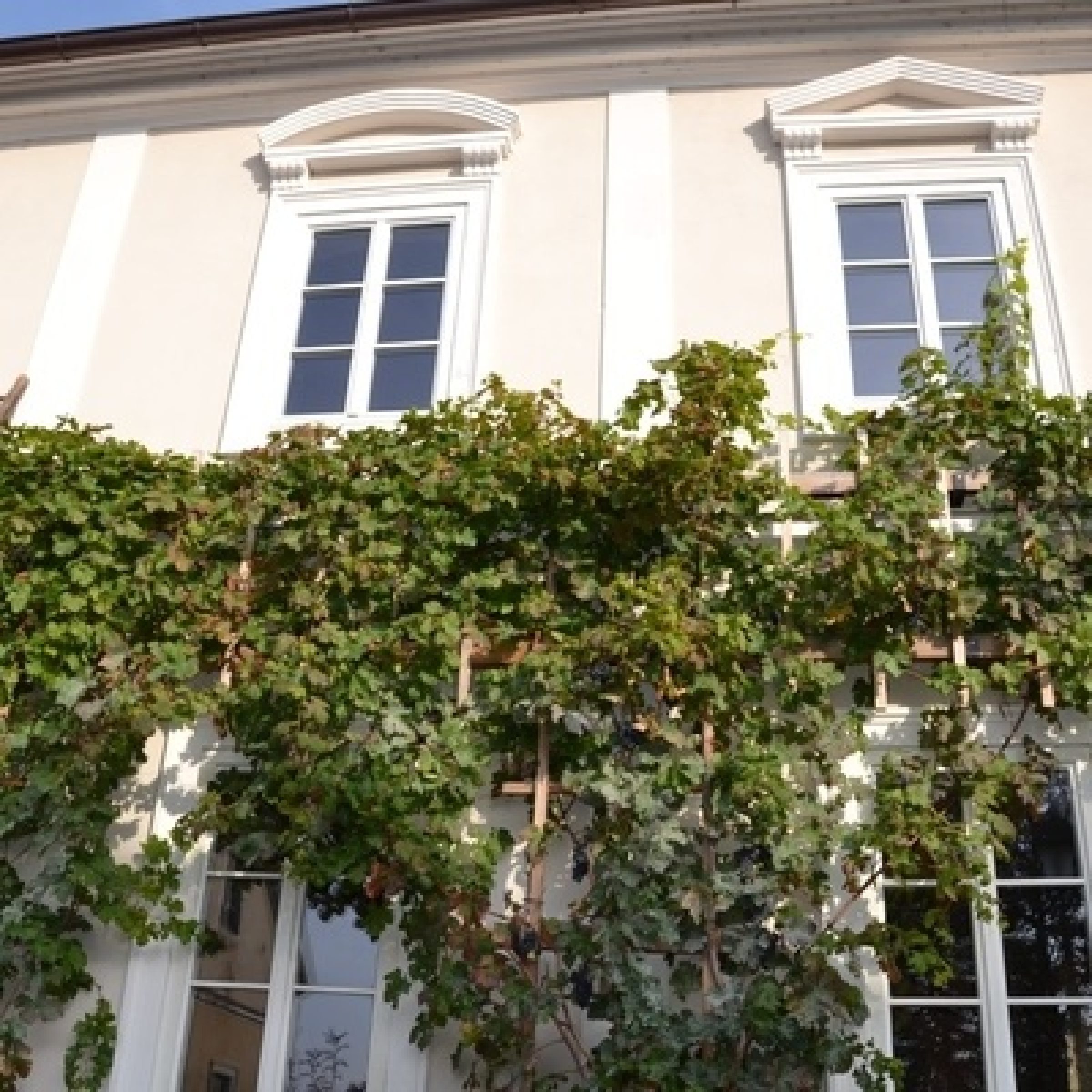
On the façade of the house at 26 Ipavci Composers Street, a descendant of the oldest grapevine from Lent, the blue Kavčina, grows along the trellises.
Ipavec House
In Zgornji trg, the birthplace of the Ipavec dynasty - composers, physicians, great patriots, Europeans - has stood since 1760.
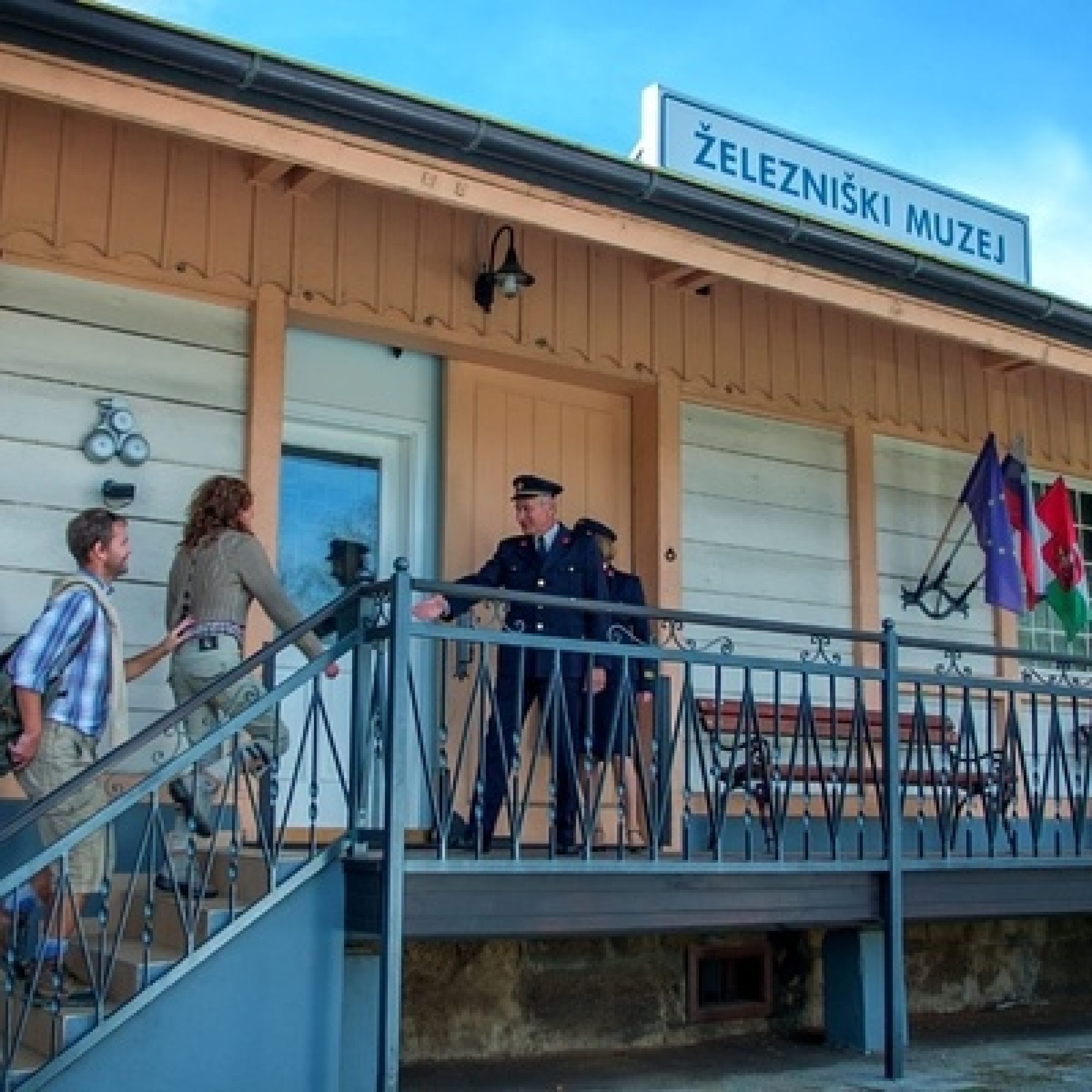
Museum of the Southern Railway
A longtime stationmaster takes you through the history of the Southern Railway for Styria through stories, original exhibits and photographs. The Museum of the Southern Railway in Šentjur is located by the railway station.
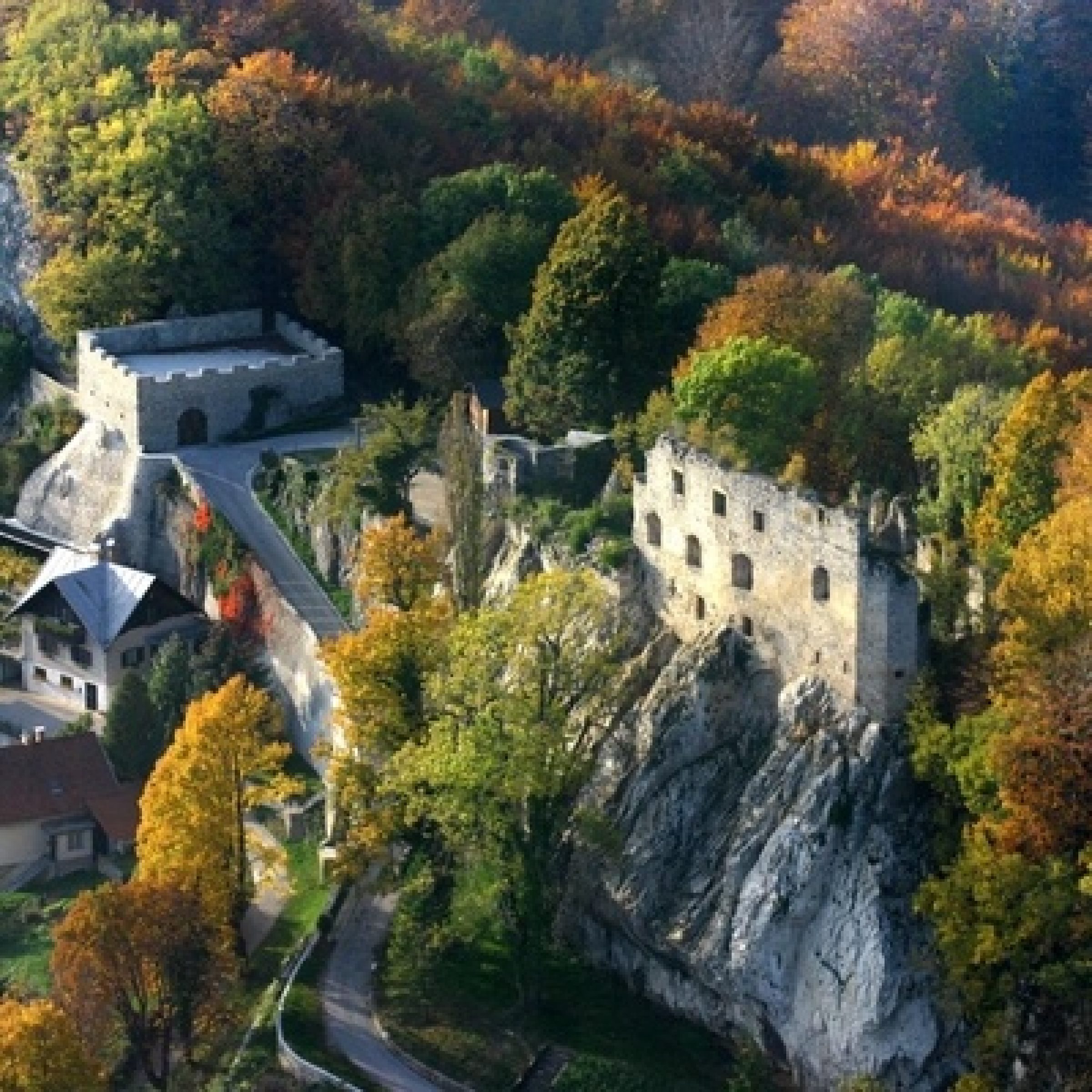
Ruins of Rifnik Castle
The tower is still preserved today to a height of three storeys and has Gothic windows with wall seats and frames with chamfered edges.
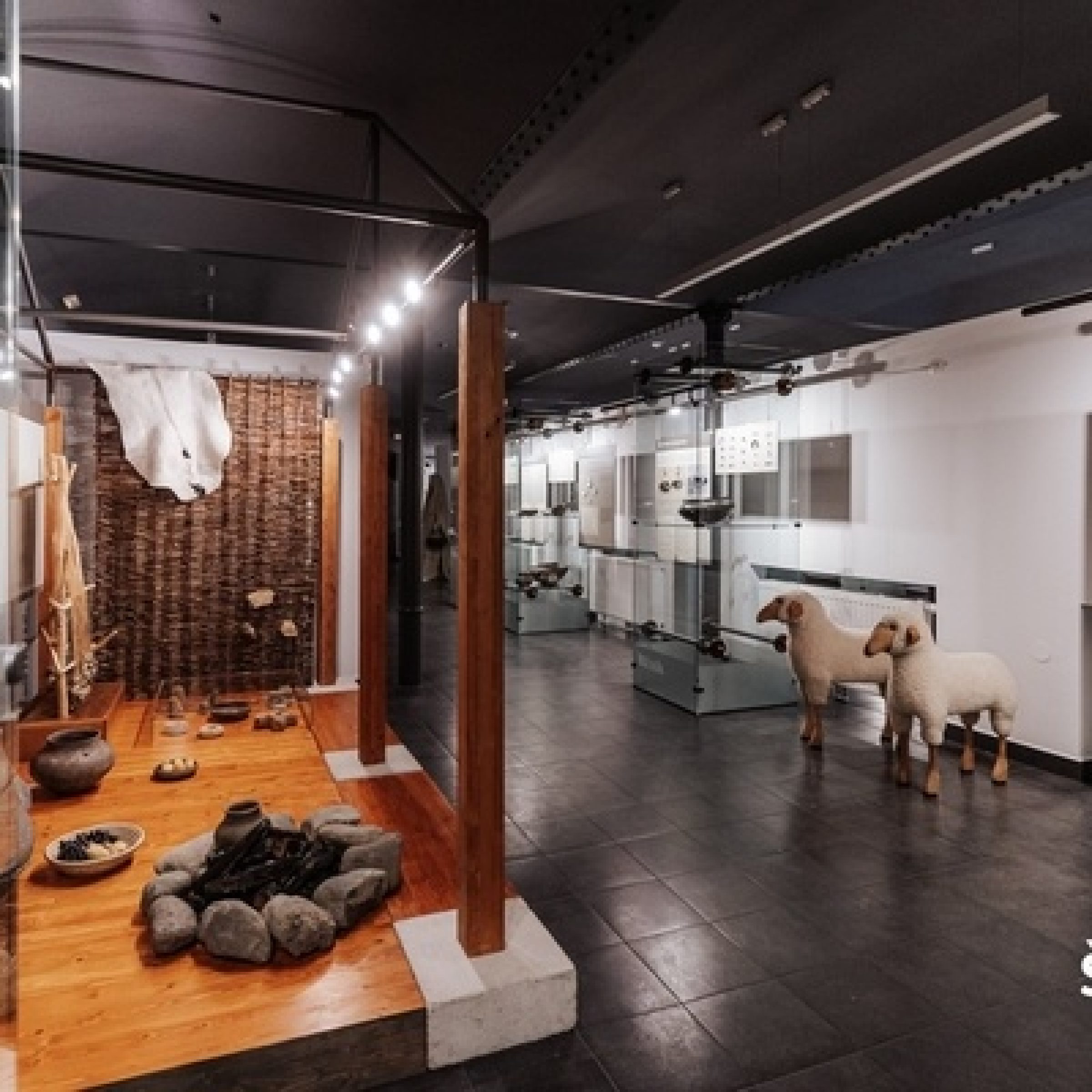
Museum of the Rifnik Treasures
Over 600 exhibits on display from the period from the Neolithic to the end of Late Antiquity
Planina Castle
On the rock above the village of Planina pri Sevnici, castle ruins stand proud. At their core they reveal Romanesque elements, while the southern castle wall is Gothic, and the entrance section and part of the wall on the northwestern side are Renaissance. The core of the castle was formed by a mighty palace that was once 38 metres long and 15 metres wide. In addition to the mighty wall, which in its lower part measures up to two and a half metres, the castle was protected on the western side by a defensive tower that guarded the original southern access
Aškerc Memorial
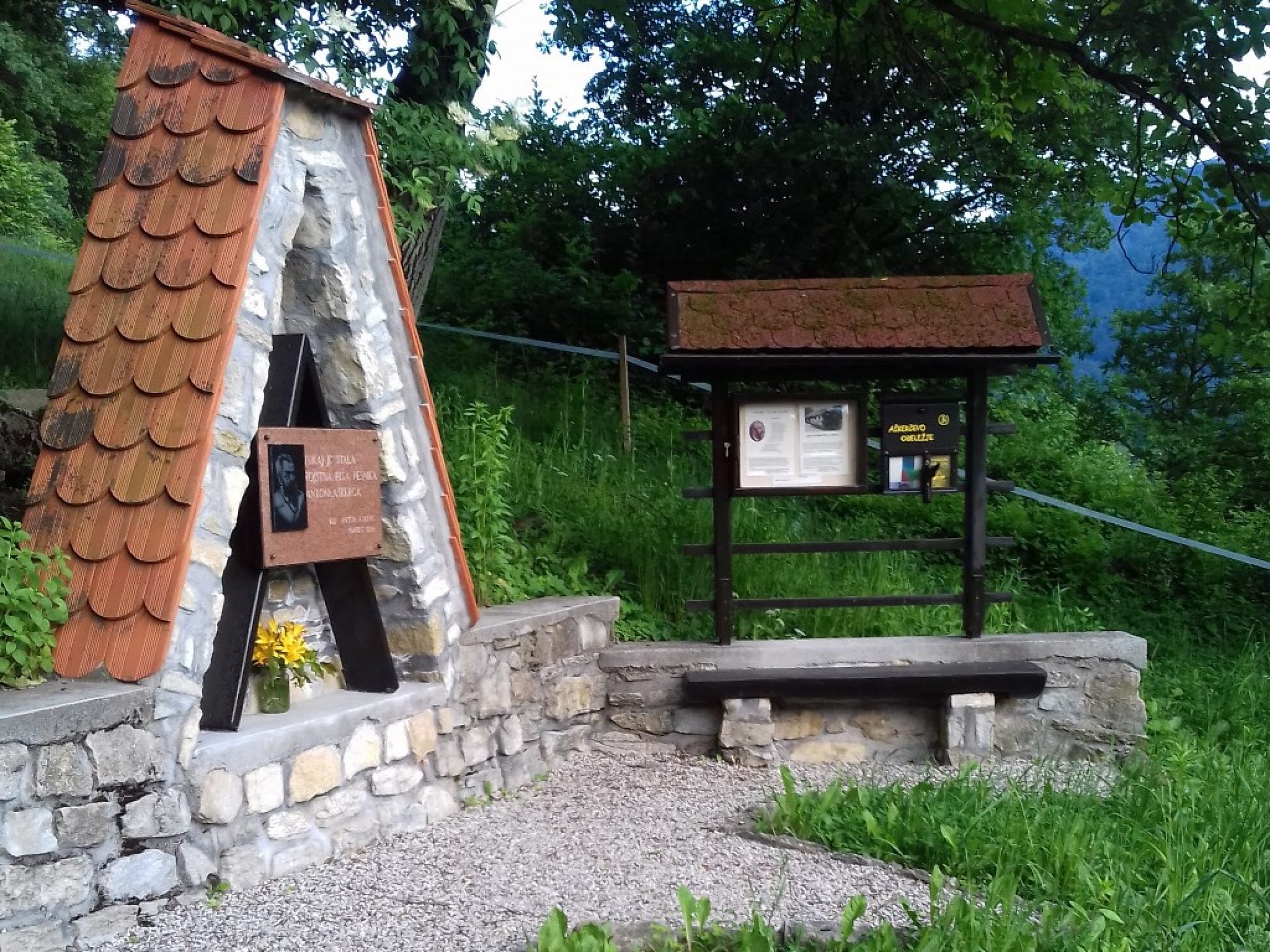
In March 2006, members of the Anton Aškerc Cultural Society of Rimske Toplice landscaped the surroundings on the remains of the poet's birthplace and erected a memorial in the shape of the letter A.
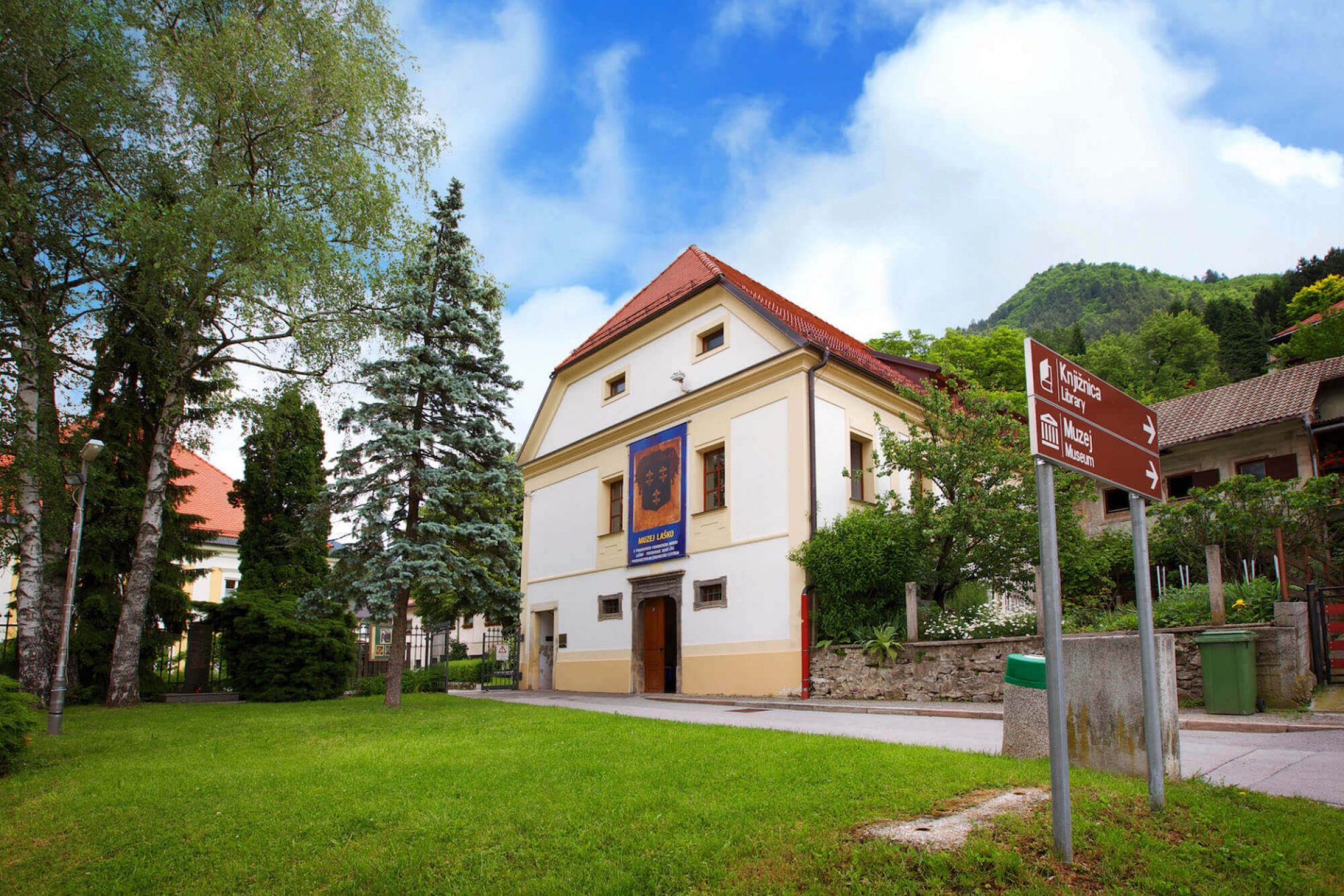
Kislinger House and Museum
Kislinger House is a former market-town granary that served as a store for grain and a wine cellar. It houses the Laško Museum, which presents the historical development of the town from prehistoric times to the present day through its exhibitions. Visit the permanent exhibitions: Laško – A Journey Through Time, Brewing and Spa Tourism, and Geology of the Laško Area.
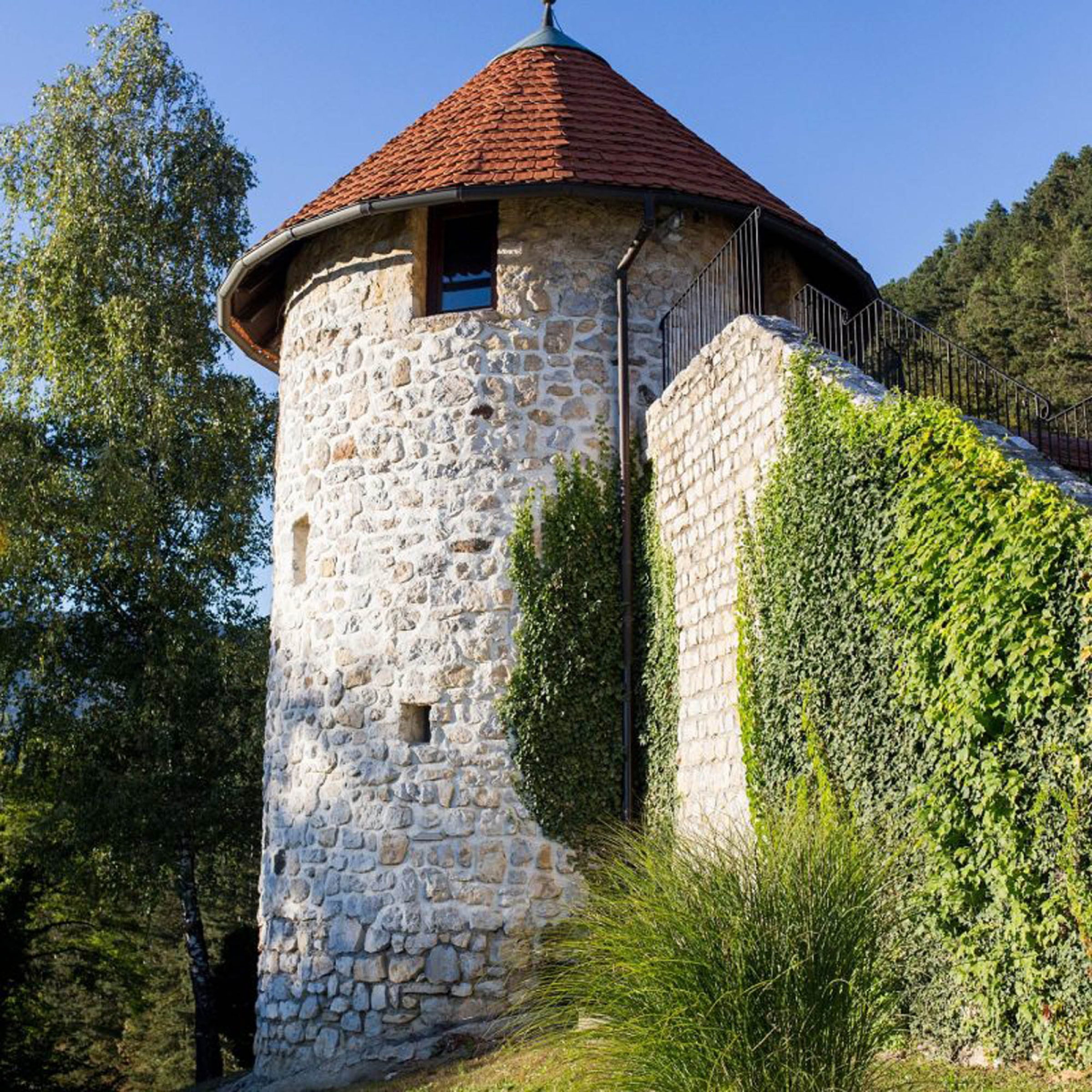
Tabor Castle
The castle above the town, once the administrative seat of the lordship and a princely court, probably already stood in the 11th century, but is first mentioned in written documents in 1270. For many years it was owned by the famous Counts of Celje, who are said to have used it as a hunting lodge. It received the name Tabor during the Turkish raids, when its fortifications protected the inhabitants of the market town. Today it houses a restaurant with top-class cuisine.
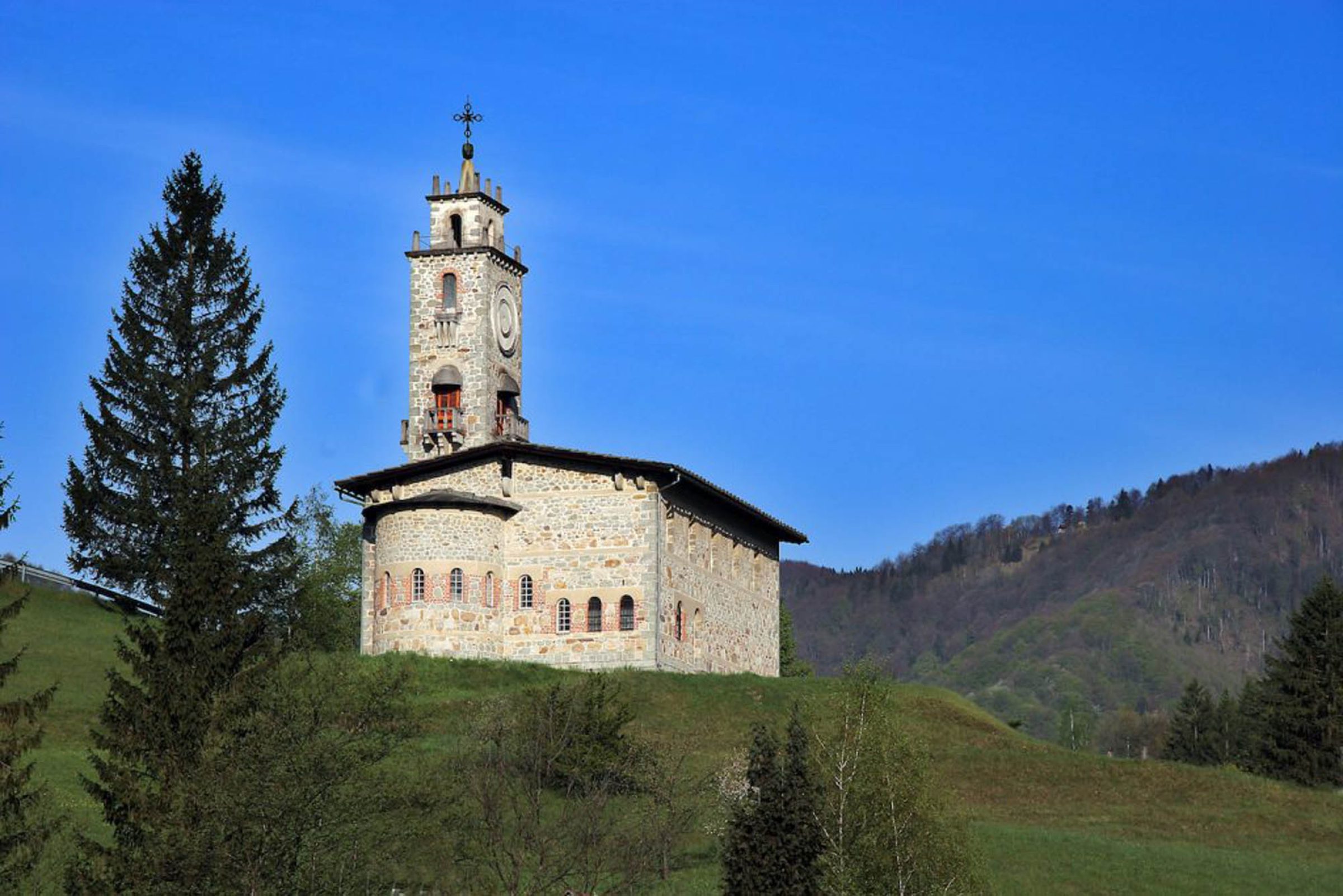
Church of Blessed Anton Martin Slomšek
The church in the picturesque Reka Valley was designed according to the plans of Janez Valentinčič, an assistant of the renowned architect Jože Plečnik. His influence is evident, among other things, in the form of the bell tower with balconies and domes that direct the ringing of the bells across the valley. Built in 1939, the church was the first in Slovenia to be consecrated to Blessed Anton Martin Slomšek in 2000.
Church of Our Lady of Lourdes
The popular pilgrimage church of Our Lady of Lourdes, also simply called Lourdes, was built in 1886. Several stones brought from the famous rock cave in Lourdes, France, were built into the altar. Due to its position, the church offers an exceptional view of the spa town of Rimske Toplice.
Church of St Christopher
In the church, completed in 1738, the oldest organ in Slovenia is on display. The organ, dated 1682 and a good half century older than the church, previously sounded in the Church of St Martin in Laško. This instrument with an exceptional history was also depicted on the Slovenian 200-tolar banknote.
Church of St Catherine
One of the oldest churches in the Laško area, dating from around 1500, surprises visitors with its array of statues of female saints. Around the altar dedicated to St Catherine stand St Margaret, St Apollonia, St Barbara and St Lucy. The side altar opposite the pulpit is dedicated to St Dorothy. The painting of the Adoration of the Magi is an important Italian work from the first half of the 17th century.
Church of St Maurice
The church, built in 1277 as the monastery church of the Jurklošter Charterhouse, was the first example of the architectural style of the Laško group. It is characterised by the cross-ribbed vault of square cross-sections of the church nave. A special feature of the church is also the unique Gothic stone bell tower on a wooden roof structure.
Archparish Church of St Martin
The bell tower, the main nave and the ceiling cross-vaulted in a special way testify to the original design of the church, which began to take shape in the 12th or 13th century. With the architectural style of the »Laško group«, first used in the construction of the Carthusian church in Jurklošter, the church, which later acquired as many as 10 Baroque altars among other features, ranks among the more important Romanesque monuments in Slovenia.
Park of the Roman Spa
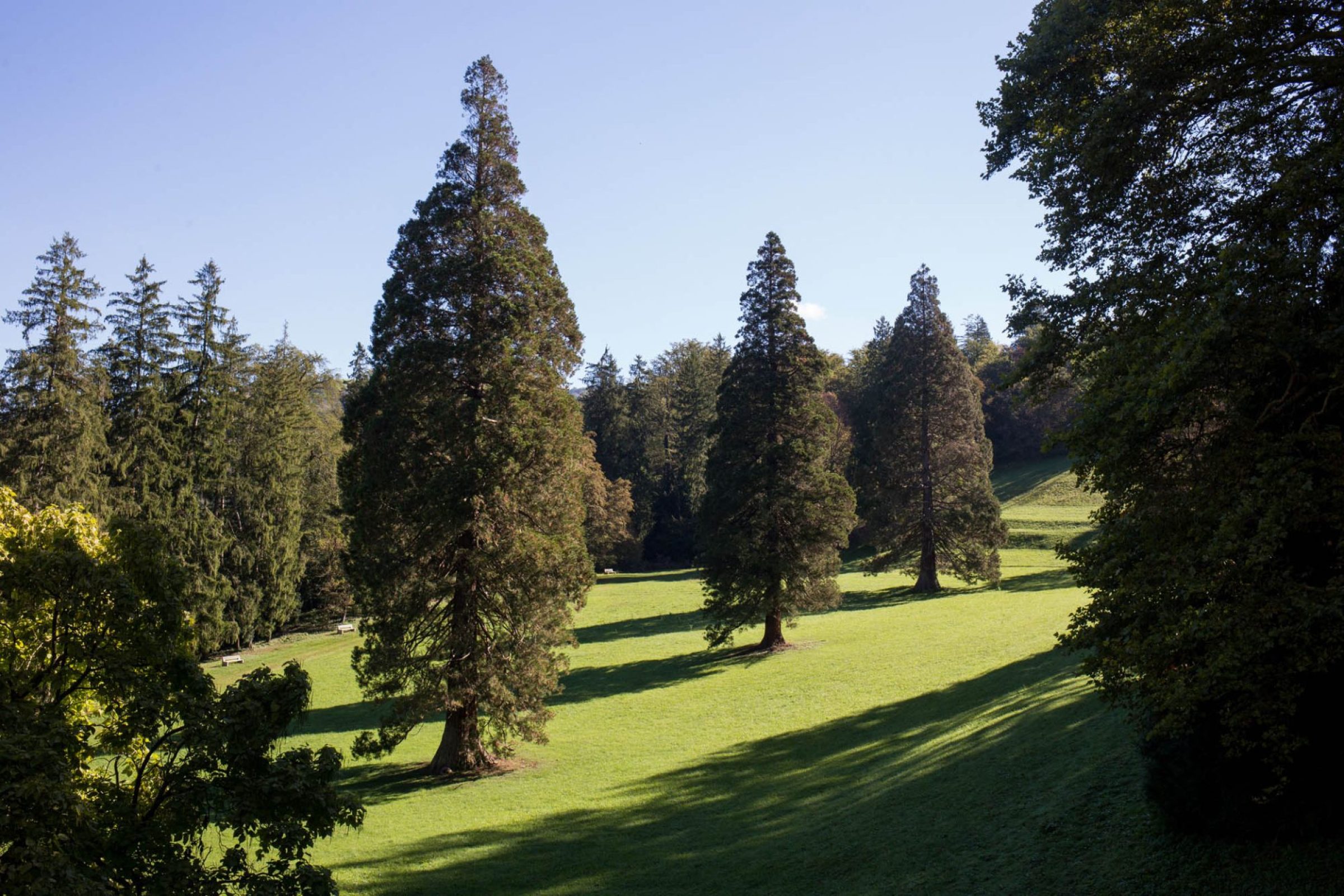
The admiring gazes of all visitors to Rimske Toplice are surely most drawn by the sequoias on the forest clearing or meadow, as the locals call it. They were planted in 1879 in honour of the arrival of the English princess and Prussian crown princess Victoria. The trees were sent from London's Kew Gardens botanical garden.
Strniš Mill
Along the Kostrivnica Tourist Water Trail, more precisely in the Dreveniški stream below the Church of St Leonard, lies the ''Old Mill'' or ''Strniš Mill'', as the locals know it
Podsreda Castle
One of the rare cultural monuments of the Romanesque period.
Museum of the Baroque
The collection reveals the secret of almost 300-year-old original polychrome wooden statues.
Strmol Manor
The castle complex was first mentioned in 1436. The Counts of Celje gave the tower to Jakob Strmolski from Cerklje na Gorenjskem. Numerous concerts, theatre plays and exhibitions take place here.
Rogatec Open-Air Museum
The Rogatec Open-Air Museum, located at the foot of Donačka gora in an authentic Styrian landscape, preserves the folk building heritage and cultural tradition of the people who lived in the Obsotelje region from the end of the 19th to the middle of the 20th century. Its core consists of original buildings and reconstructions of craft and farm buildings.
Open-Air Ethnographic Museum
The heritage-protected Junež Homestead is an open-air ethnographic museum comprising a farm building, a partially enclosed double hayrack and an apiary, as well as a restored old farmhouse with a black kitchen from the 19th century with original indigenous equipment and inventory of that period.
Minorite Monastery of Olimje
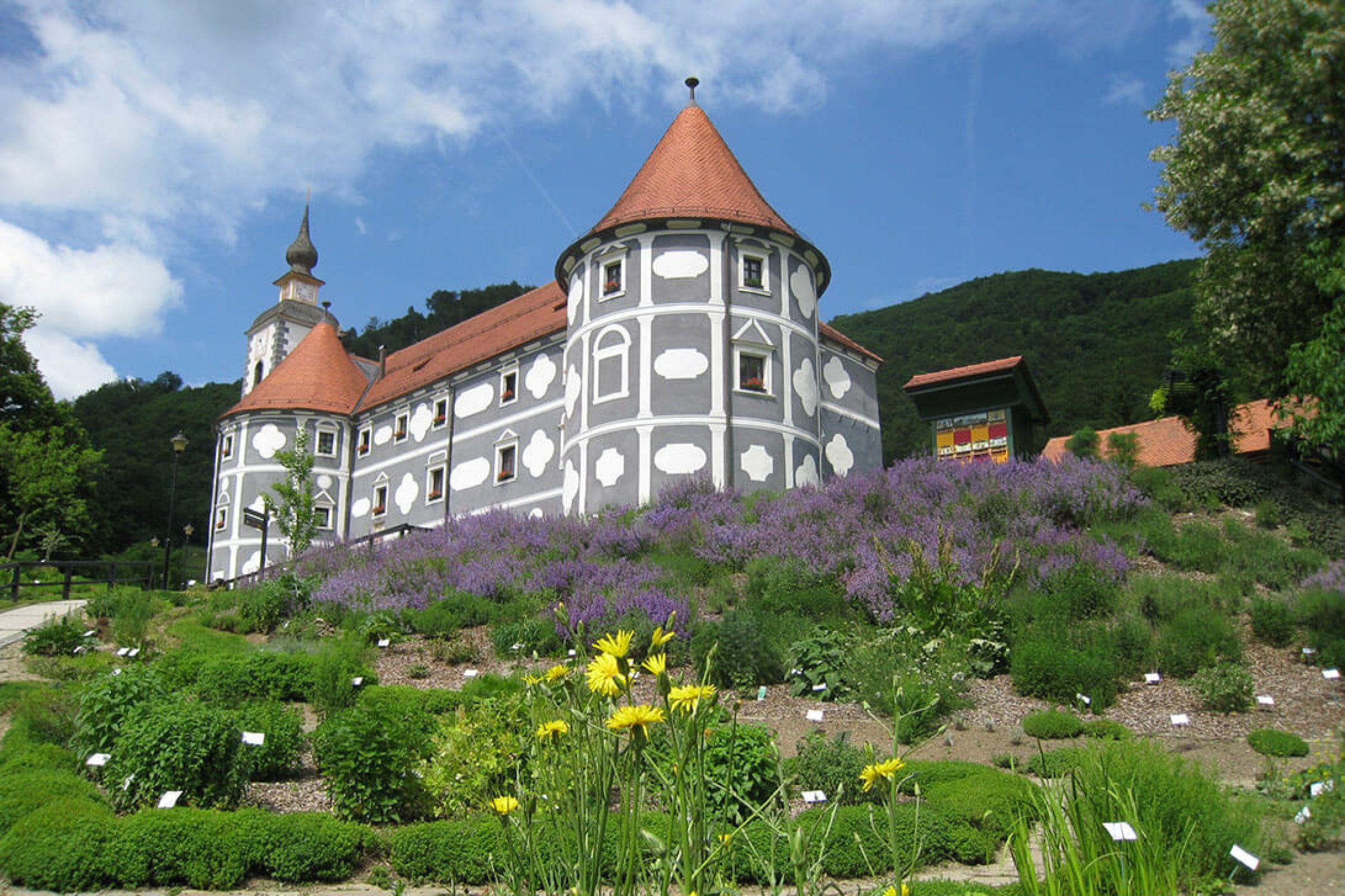
The small village of Olimje lies in the shelter of Mount Rudnica, in the area of the Kozjansko Park. Its grandeur comes from a beautiful manor, once owned by the Counts of Attems and now by the Municipality of Podčetrtek, which has today been transformed into a recognisable monastery inhabited by the Friars Minor of St Francis - the Minorites. Beside it stands the magnificent Church of the Assumption of Mary, one of the most beautiful Baroque works of art in our homeland.
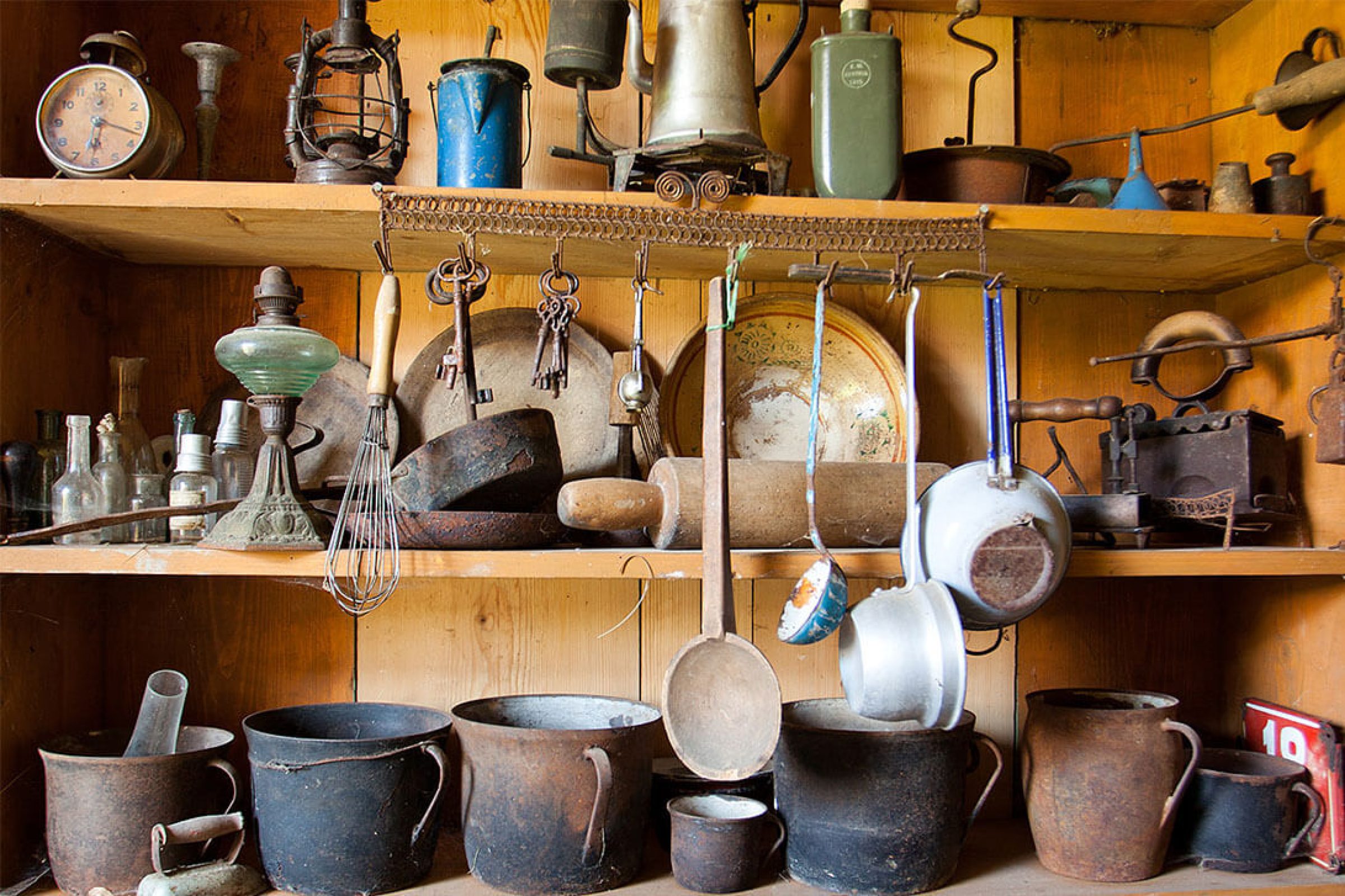
Museum of Farm Equipment
The interesting ethnological collection of the Museum of Farm Equipment presents life in the countryside in the past and the tools used by the humble country folk. The collection is enriched by over 4000 exhibits, some of which are of exceptional age and are true masterpieces. The museum collection ranks among the richest in this part of Slovenia and is certainly worth your visit.
Svete gore
From the top of the 527 m high hill called Svete gore, the view reaches far into the Croatian Zagorje, past Donačka gora and Boč all the way to Pohorje. More than the view from the top, however, the ridge stirs the imagination of all visitors, along which five shrines line up downwards: the Lourdes Chapel, the Chapel of St Sebastian and St Fabian, the Church of Mary dedicated to the Nativity of Mary, and the chapels of St George and St Martin.
Davjek Karst Spring
The Davjek karst spring is in the isolated karst of the Kozjansko Park. Karst springs are characterised by large fluctuations in flow and occasional turbidity during high water. It measures 1 m in diameter and continues into a stream, where there is then another smaller spring, which is also used for drinking. The stream flows into the river Sotla. The basin itself is about 10 m long and 8 m wide. The spring formed at the junction between a slope and the surrounding plain, namely at the contact between permeable limestone and impermeable marl. Davjek is a wonderful example of a cavity and a karst spring, which is also suitable for a picnic, walks in the surroundings and small gatherings
Levstik Mill
The Levstik Mill, or today's residential house with a mill, was built in the middle of the 19th century parallel to the channel of the river Bistrica. The dwelling was in the left part, while the mill, which comprises only one room, was in the right. It houses two mill mechanisms for white and mixed flour, with the mill driven by undershot water. In the sources, the mill is first mentioned in a document from 1801. You can view the mill building, in which two mill mechanisms stand, and a demonstration of grinding grain and the operation of the entire mill.
Collection Orchard of the Kozjansko Park
in the collection orchard of the Kozjansko Park you can see the nursery, the tall-trunk meadow orchard and the Čerčk Homestead, where more than 100 traditional varieties of apple and pear trees have been planted. The central collection orchard extends over 2.3 ha and is cultivated according to the principles of organic farming. Every tree within the orchard is labelled with the name of its variety (both in Braille). The orchard contains habitats for beneficial organisms – insect hotels, nesting boxes and bird feeders – and various studies of fauna and flora, workshops, practical demonstrations, and natural science and project days are also carried out here.
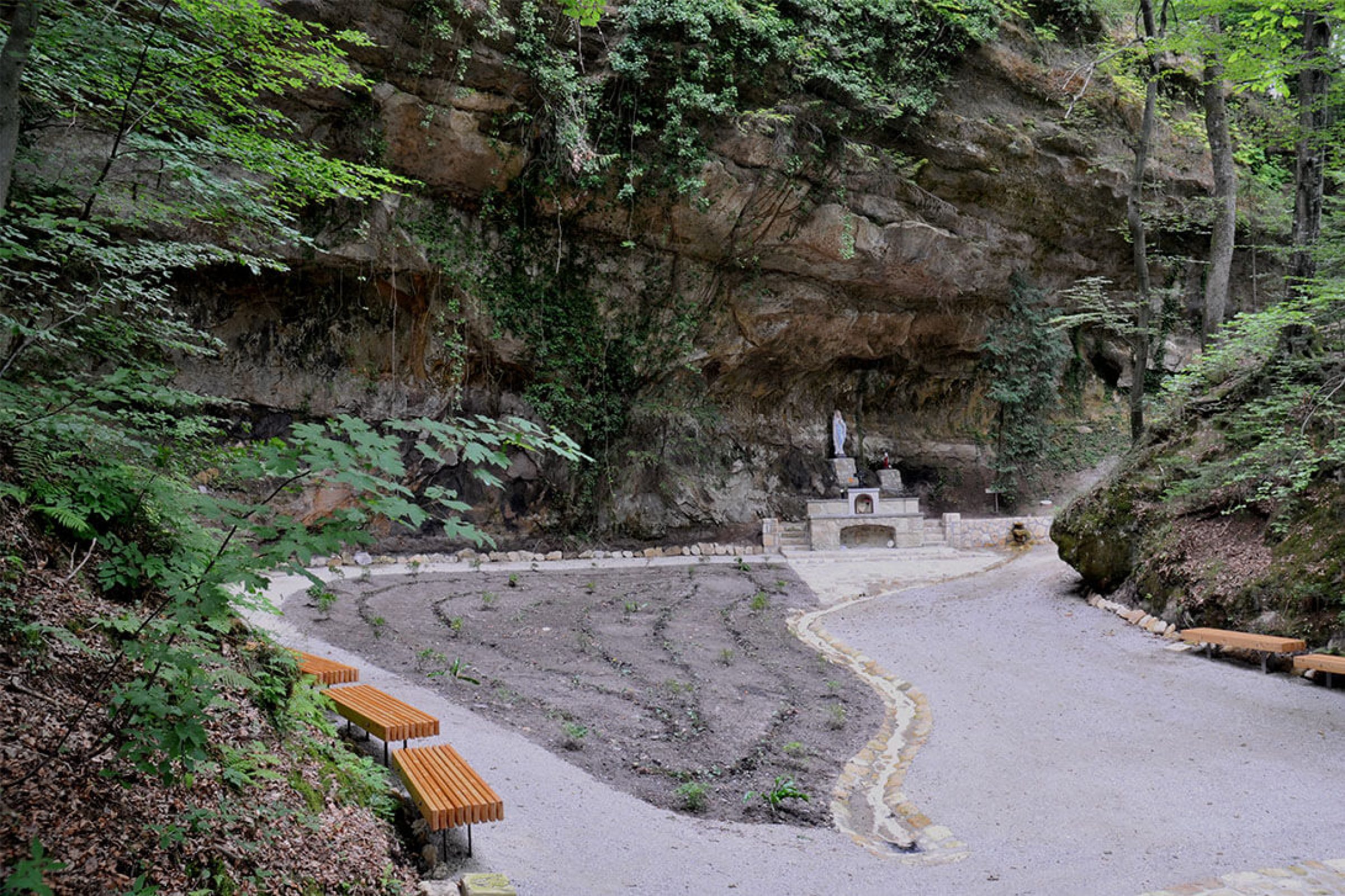
Lourdes Cave
The Lourdes Cave lies 250 m from the Church of St Mary in Zagorje pri Lesičnem. Beneath a 19 m high sandstone overhang there is a small altar, where a spring of healing water also rises. When visitors reach the spot, a magnificent view of the natural beauty opens before them, while the spring offers a sip of fresh, cool water.
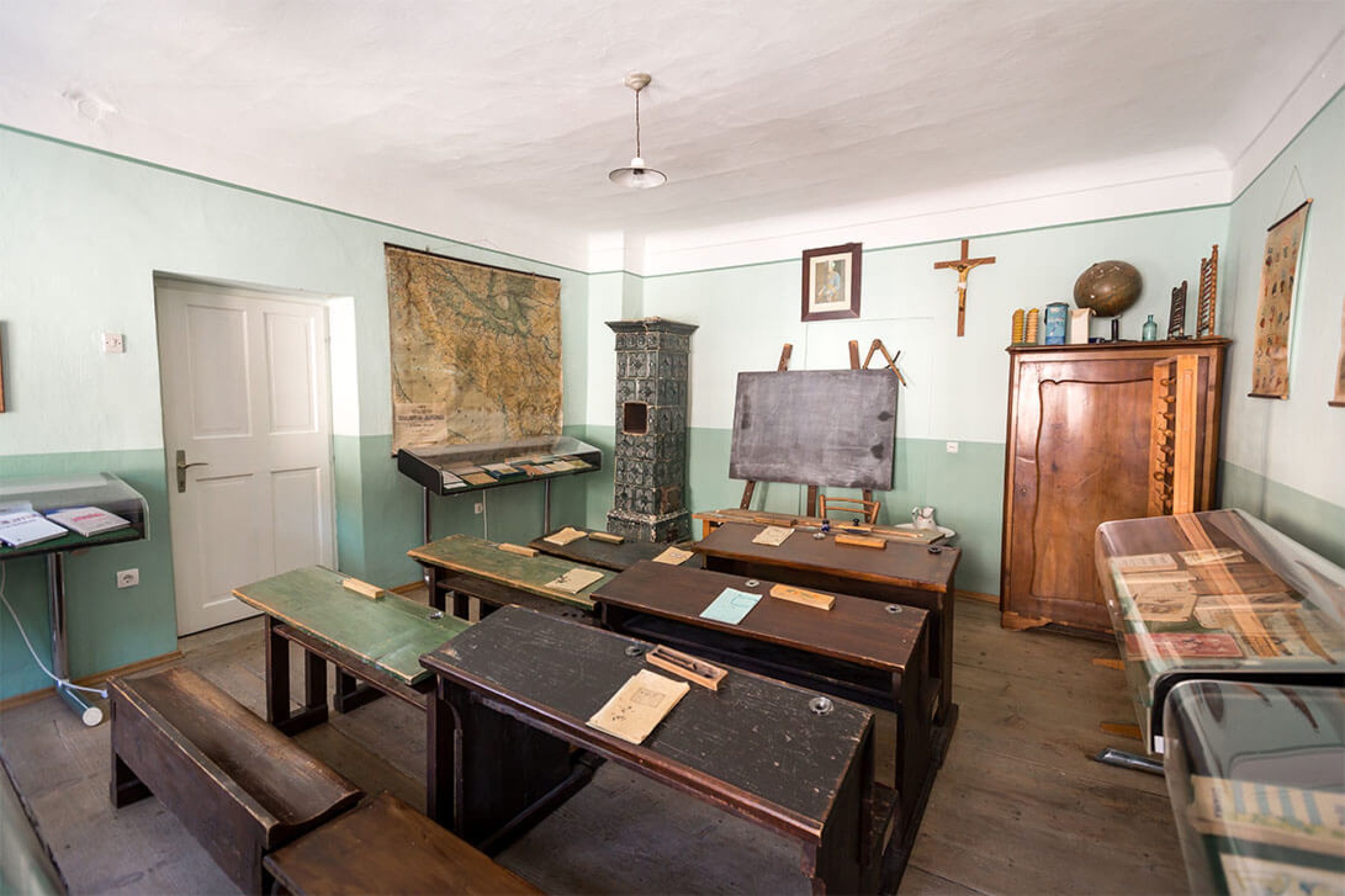
My Mother's School
In the very centre of the village there is a museum classroom from the times of the Kingdom of Yugoslavia. On display are also the original school door of the old school and an entire classroom with wooden benches and a blackboard. The school operated from 1882 until 1966. The rooms also feature an overview of the first Slovenian readers from the 19th and 20th centuries, along with stone slates with slate pencils and various wooden pencil cases. It is also possible to watch the performance "Lessons the Old Way" in cooperation with the Kozje Primary School. Visits are possible by prior arrangement.
Bistrica Gorge
The gorge, which winds between Trebče and Zagaj, is approximately 3 km long and is renowned as one of the best-preserved river gorges in eastern Slovenia. More than 200 million years ago the river carved its channel here, which is still embraced today by steep, forested and rocky slopes. Between Rebrija and Tisovec it is so narrow that it is almost impassable. The gorge captivates with its pristine nature, as chamois, birds of prey, wild boar, dragonflies, trout, crayfish, the Carniolan lily, houseleeks, the rough-haired houseleek, butcher's broom and many other protected animal and plant species find suitable and precious shelter here. The gorge is exceptionally varied and picturesque in its landscape.
Blacksmithing Museum
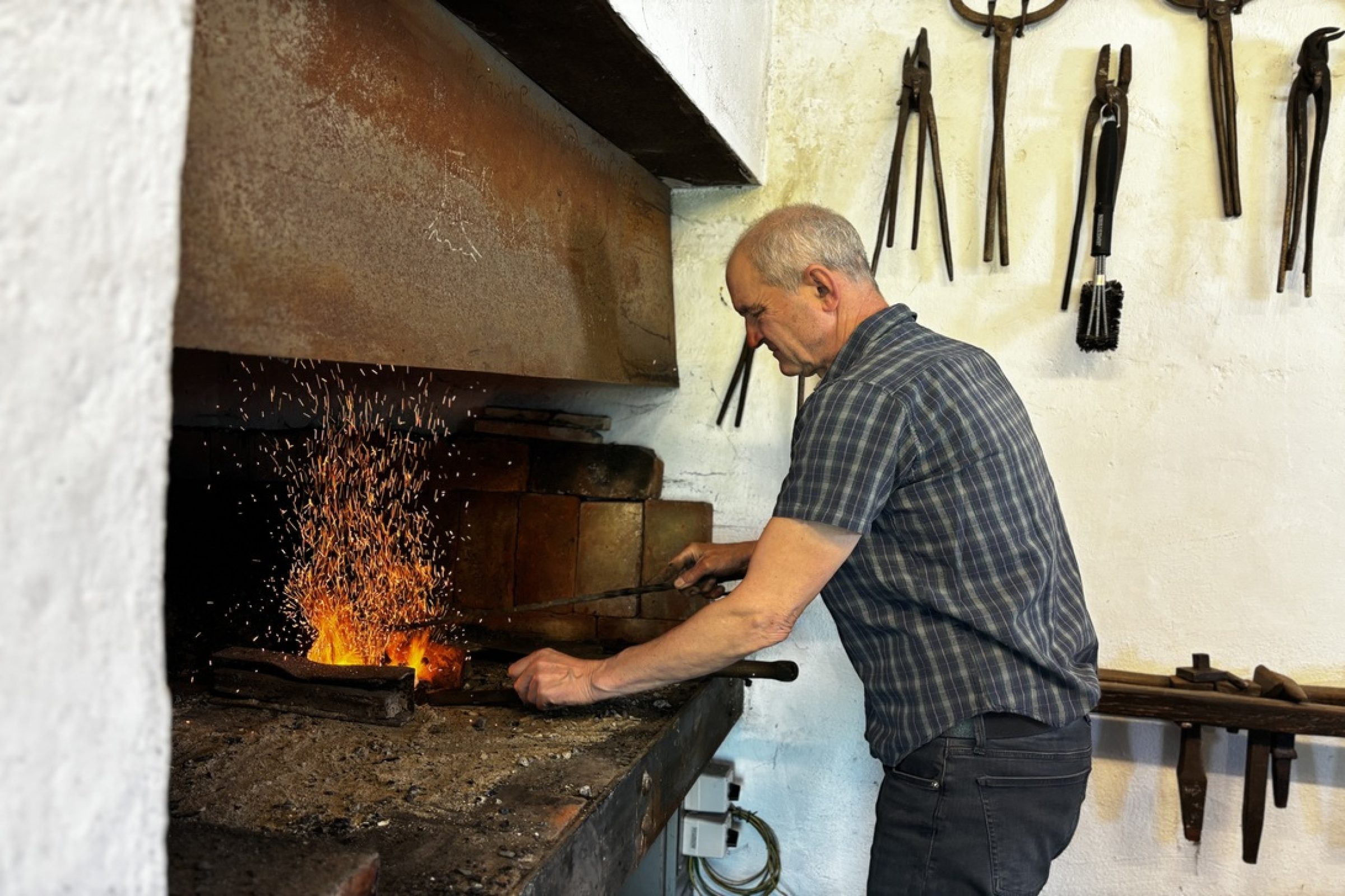
Visit the forge and the blacksmithing museum and discover the rich history and traditional methods of blacksmithing. They will demonstrate forging processes carried out on the original, still-working tools and machines that were used in the old days. You also have the very special opportunity to forge and work with the tools under the guidance of an experienced blacksmith. It will also be possible to purchase a souvenir.
Kozje Castle
The place is mentioned as early as 1016 as Traskendorf, when the Roman emperor Henry II granted Count William of Breže-Selce the settlement of Kozje with 30 royal farms, while in 1130 Trachendorf, as the inheritance of Hema of Breže-Selce, was already in the possession of the Diocese of Gurk. In 1197 the first Kozje knight Oton – Otto de Trachenberch appears in the company of the Bishop of Gurk, Ekhard.
Church of St John the Baptist
In Podsreda a vicariate is mentioned in the 15th century, and in 1765 it became a parish. The old Church of St John the Baptist burned down, and only the rib-vaulted presbytery remained, which was converted into a mortuary and used until 1871. In the 19th century a new church was built. The interior is Late Baroque, decorated with frescoes by Tomaž Fantoni from 1877–78. The high altar is a sculptural work from 1865. Above the altar hangs a painting, the work of the renowned Franc Mihael Strauss from the 18th century, depicting the baptism in the Jordan. The side altars are of the tabernacle type, from the 19th century.
Podčetrtek Castle
Today you can visit the newly renovated Podčetrtek Castle, which, with its exceptional restoration and modern additions, offers an unforgettable experience for all visitors. Through the carefully restored ancient stone walls and magnificent towers, you can stroll along the Castle Trail and feel the pulse of the past intertwining with the present.
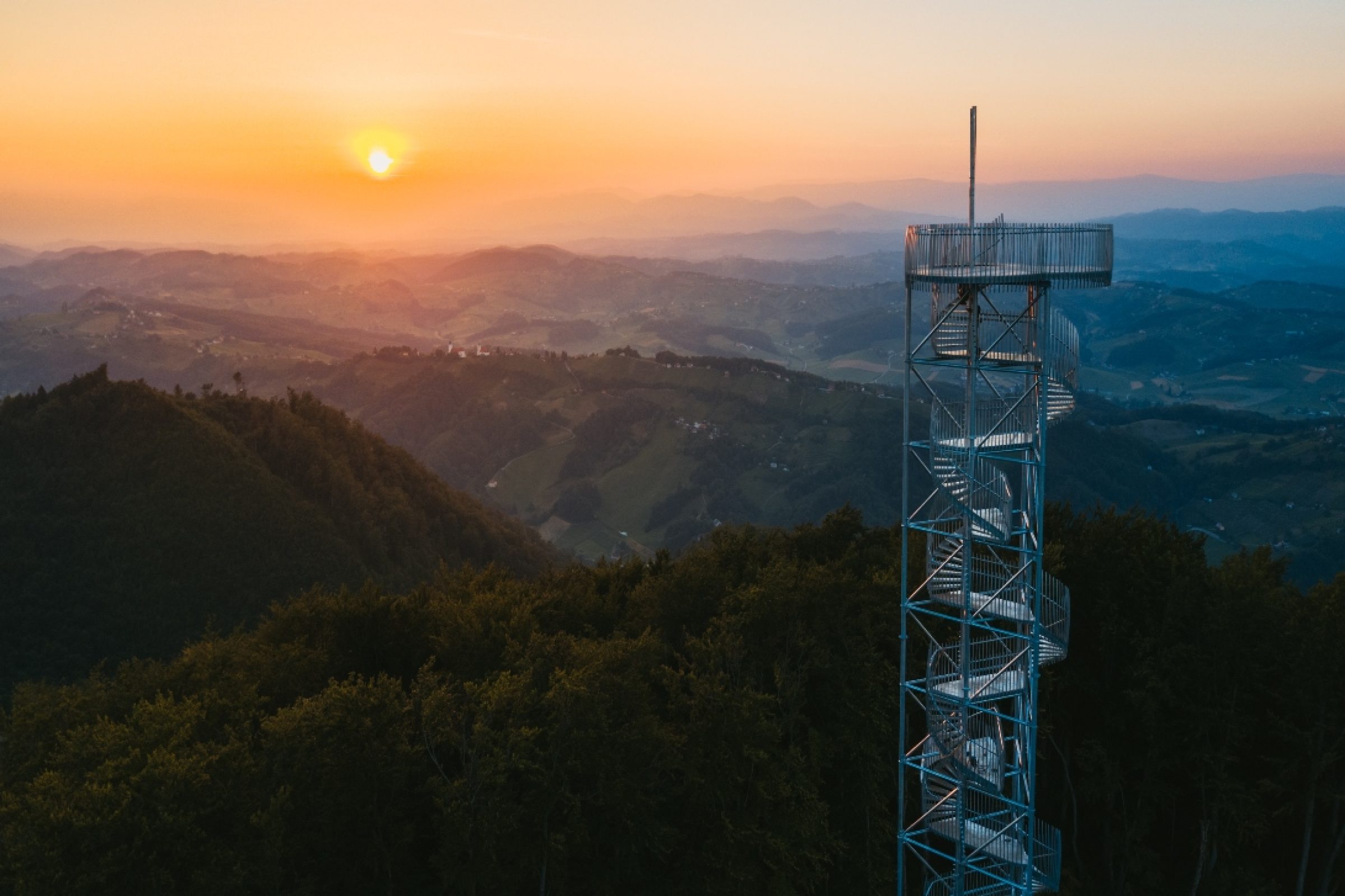
Tower of Health and Joy
Rudnica is a range of hills above Podčetrtek and Olimje, where, a metre below the summit of the 622 m high Silavec, stands the lookout Tower of Health and Joy on Rudnica. The highest platform is at a height of 35.23 m, and the total height thus amounts to 40 m.
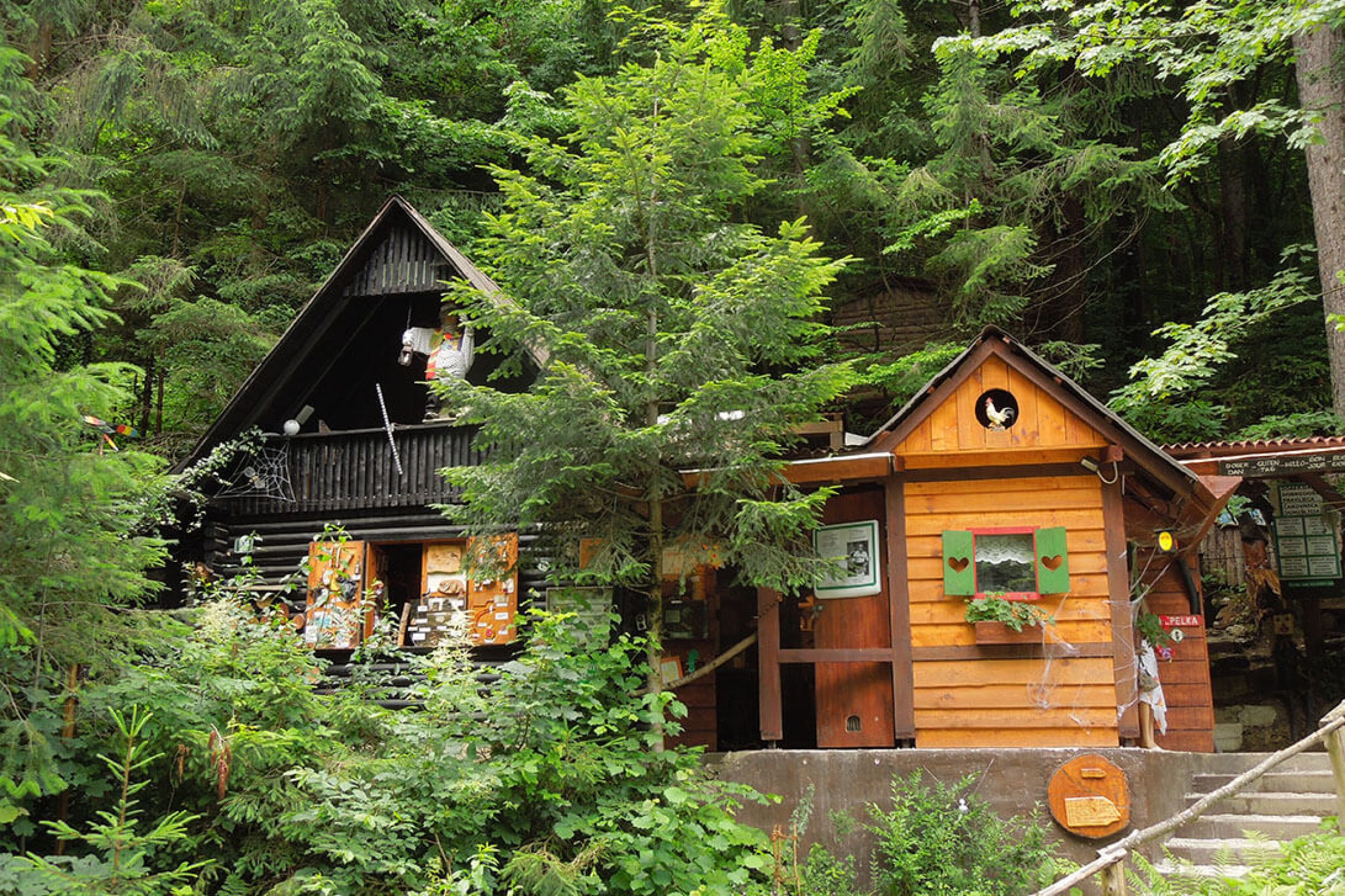
THE WITCH'S HUT
A kilometre on from the Olimje Monastery, hidden in the forest, lies the Land of Fairy Tales and Imagination, where young and old visitors alike will enter a world of fairy tales and once again meet Kekec, Bedanec, Krjavelj, Snow White, Little Red Riding Hood and other fairy-tale characters ...
Filial Church of St Andrew
The Filial Church of St Andrew stands on the southern slope of Rudnica. From Olimje it is only a ten-minute walk away. The church dates from the 15th century and is Late Gothic. Even at first glance it gives the impression of being something special, above all because of its bell tower, which is the only one of its kind in this area. The church facade with its Gothic portal, rose window and Baroque little window indeed concludes with a small open Mediterranean bell tower and is the easternmost example of this type of bell tower in our country. In the tower there are two bells, which ring the Angelus three times a day.
Church of St Roch
The Church of St Roch was built gradually, but 1646 is considered the year of its origin. Legend has it that in 1645 two locals brought the plague from Ptuj to Šmarje, which in a short time killed more than two hundred people. And in order to be delivered from this affliction, they built a chapel on the hill above Šmarje. At the intercession of the Mother of God, St Roch and St Sebastian, God heard their prayers and drove the plague out of the land.
Jelšingrad
In 1424 the manor was first mentioned indirectly as Erlach, and in 1480 the name Jelsche – Jelše appears in the land registers of the Lemberg lordship. However, the manor is first reliably mentioned only in 1666, when Žiga Gaisruck took the Jelše manor on lease. The Gaisrucks were the owners of Jelše right up until 1799, after which the manor and the lordship were bought by Anton Nagy.
Calvary
Passion routes, such as the Šmarje Calvary, began to emerge during the Counter-Reformation and the Catholic Revival, and in the 18th century they were an extremely popular devotion among all classes of the population, attracting up to five times more people than pilgrimage sites with a longer tradition. Calvaries consisted of any number of stations, and their content was equally varied: scenes of Jesus's suffering were often interwoven with scenes from his childhood or from the life of Mary.
St Mary's Church at Sladka Gora
The wine-growing hills of Sladka Gora surround a gem, the pilgrimage Church of St Mary, which our ancestors named after St Mary – the miraculous Mother of God – and St Margaret of Antioch. It was built on the site of the original Church of St Margaret. After 1738, the hills of Sladka Gora became companions to the crowds gathering in throngs.
Tinsko
Tinsko is recognizable from afar by its distinctive silhouette. It consists of two churches built closely together, namely the Church of St Anne and the Church of the Mother of God. The legend of the two churches tells that Tinsko was once heavily overgrown with shrubs and wild vegetation, while at the top of Tinska Gora stood only the Church of St Anne.
Parish Church of St Martin at Ponikva
The church stands at the eastern edge of the village of Ponikva. Originally, a Romanesque church was already documented in the archives at this location. The present Baroque church was built between 1732 and 1758, and was consecrated two years later; it belongs to the Sladka Gora type of churches. The rectangular nave with a built-on bell tower is followed by an equally high, narrower presbytery, which has a chapel and storeroom added on the northern side. The church surprises visitors with its size, as its total length is as much as 35 m and its width 18 m.
Parish Church of St George
The first mention of the town of Šentjur is connected with the Church of St George in a document from 1340. The present church was built on the site of an Early Gothic church in Zgornji trg between 1708 and 1721. According to tradition, the building was constructed by the Maribor builder Fuchs, but he fell into a dispute and abandoned the construction. The bell tower was added in the years 1760–63.
Gradbena trgovina, d.o.o.
Gradbena Trgovina d.o.o. was founded on 9 March 2005, with its headquarters in Zreče. After a difficult start and hard work, in 2008 we began constructing a new headquarters in Spodnje Stranice. Construction was completed in early 2009, which enabled us to move into more spacious and better-equipped premises.
Šalek Castle
Šalek Castle Šalek Castle stands on a steep hill above the level of the Šalek settlement, after which the entire Saleska Valley is also named, near the municipality of Velenje. It was abandoned in the 18th century. The tower that still stands today is the oldest part of the castle and has a triangular ground plan, which is a unique feature in Slovenia and Europe...
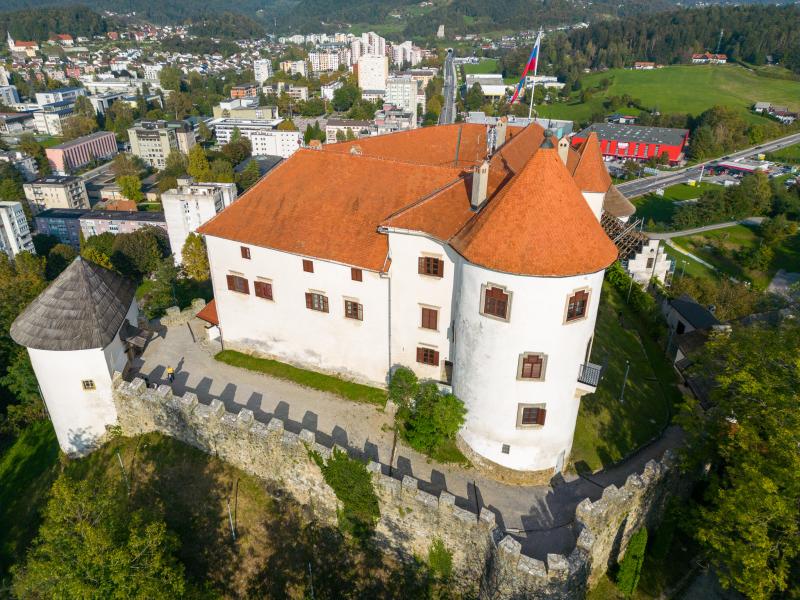
Ruins of Eknštajn Castle
The ruins of Eknštajn Castle are a picturesque historical landmark in the heart of Slovenia, ideal for a trip into nature and exploring medieval heritage – visit them today and discover wonderful views and the secrets of the past.
Velenje Castle
Velenje Castle is one of the best-preserved Renaissance fortresses in Slovenia, offering views over the town of Velenje, rich museum collections and beautiful surrounding nature – visit it and experience history on one of the most beautiful scenic hills of the Saleska Valley.
Church of St James (Jakec)
Lookout point, a monument of Romanesque architecture. The Church of St James The Church of St James, also known as Jakec, is a popular excursion spot for the people of Velenje. It sits on the Gradišče hill at an altitude of 528 m, on the southern edge of the Saleska Valley...
PUMPTRACK
The Velenje Pumptrack is a modern sports facility in Velenje, intended for cyclists, skateboarders and scooter riders of all generations – visit it and experience an adrenaline-filled ride and active leisure time in the heart of the Saleska Valley.
Church of St Andrew
The Church of St Andrew in Velenje is an important sacred landmark in the centre of Velenje, known for its history, architecture and peaceful atmosphere – visit it and experience the spiritual and cultural heritage of the town of Velenje.
Church of St Martin
The church sits on a small rise at the edge of Velenje and was already mentioned in the mid-13th century. Its present-day core is still medieval or at least Renaissance, while the new part of the church dates from 1874. The building is valuable above all for its historical tradition and its dominant location, which makes it especially distinguished within the landscape...
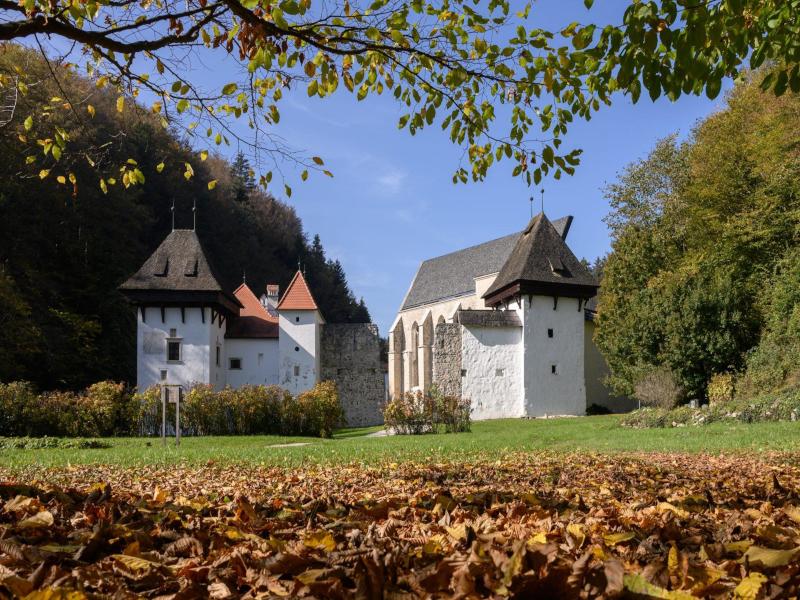
Ramšakov vrh
Ramšakov vrh is a popular lookout point near Velenje with wonderful views of the Saleska Valley and the surrounding hills – visit it for a relaxing hike and an unforgettable nature experience.
Roller Rink
The Velenje Roller Rink is a popular sports facility in Velenje, intended for roller skating and active leisure time for all generations – visit it and enjoy fun recreation in the centre of the Saleska Valley.
Velenje Ski Jump
Below Velenje Castle on Castle Hill, a new ski-jumping centre was opened in the spring of 2017, featuring as many as six ski jumps...
Sončni Park Velenje is a pleasant town park in Velenje, ideal for walks, relaxation and family leisure time surrounded by greenery – visit it and enjoy a peaceful corner of nature in the middle of the town.
Church of St Mary
The church below Velenje Castle, which appears in old records under the name Our Dear Lady in Velenje, is first mentioned in written sources in 1477. It is medieval at its core and was built at the same time as the settlement below the castle, that is, in the mid-13th century, as a proprietary church of the lords of Velenje or as a chapel of ease of the Škale parish...
sundial A sundial is an ancient device for showing the time. To work, all you need is the sun and a clear sky...
Pusti grad Castle
Šoštanj Castle, also known as Pusti grad (German Schonstein), stands in the middle of a steep slope in the Municipality of Šoštanj. The German name of the castle, on which the Slovenian name is also based, literally translates as beautiful stone, that is, the beautiful castle...
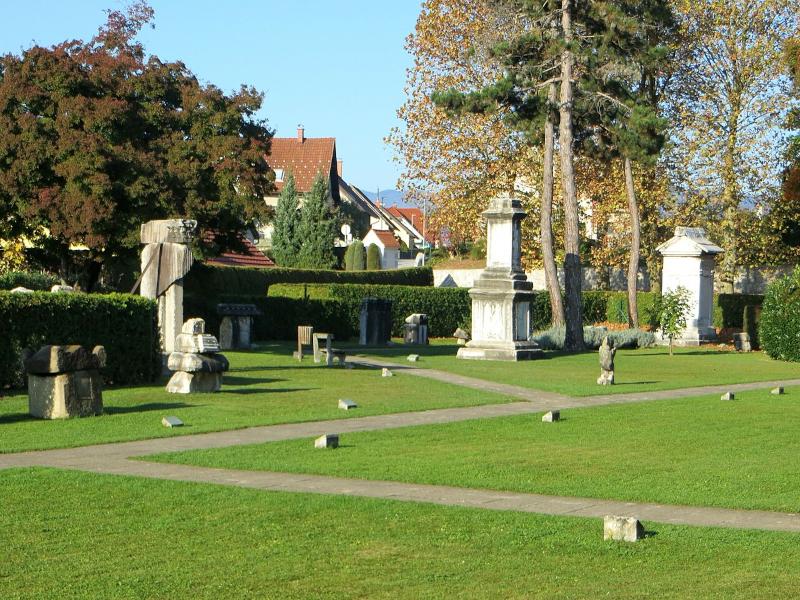
Tresimir's Spring
Tresimir's Spring The water of the spring rises from beneath the Lokovica slope. As far back as the previous century, the local inhabitants used it for drinking. They also "watered" sick livestock with it, because they believed it had healing properties...
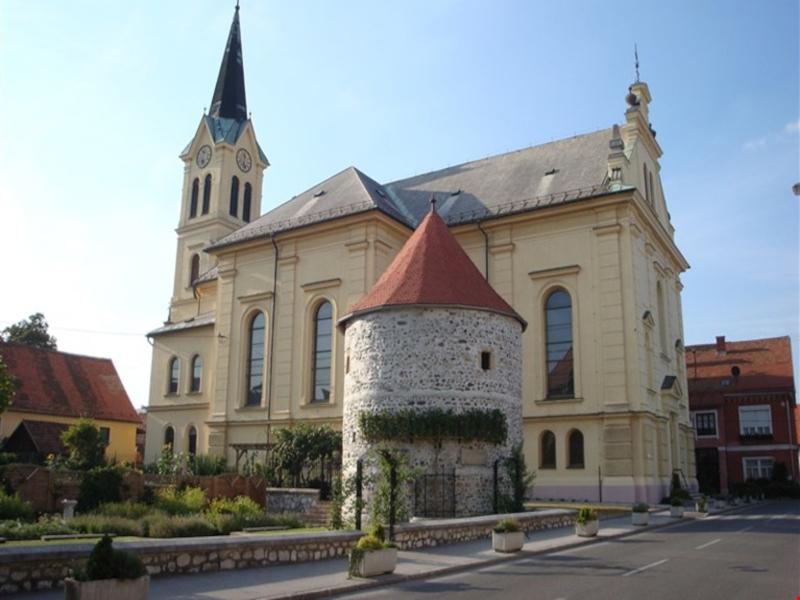
Parish Church of St John the Baptist
This Gothic church in Škale near Velenje, a former Romanesque baptistery from the 13th century with vaults, portals and preserved frescoes, is considered one of the most beautiful sacral monuments of the Saleska Valley – visit this unique historical landmark in northern Slovenia.
Mount Smrekovec
The viewpoint pyramid on Smrekovec is a popular mountain spot with exceptional views, ideal for hikers and nature lovers – visit it and experience one of the most beautiful panoramic peaks of northern Slovenia.
Lake Velenje
Lake Velenje is the largest and one of the cleanest lakes in the Saleska Valley, popular for swimming, walks and water sports – visit it and enjoy relaxation by the wonderful blue water surface in the immediate vicinity of the town of Velenje.
Gora Oljka
Gora Oljka, or by its old name Križna gora (also Oljska gora and the Savinjska Šmarna gora), is a 733-metre-high[1] karst monadnock above Polzela. It offers a beautiful vantage point from which one can see the Posavje Hills, Paški Kozjak, part of the Kamnik–Savinja Alps and the Karavanke...
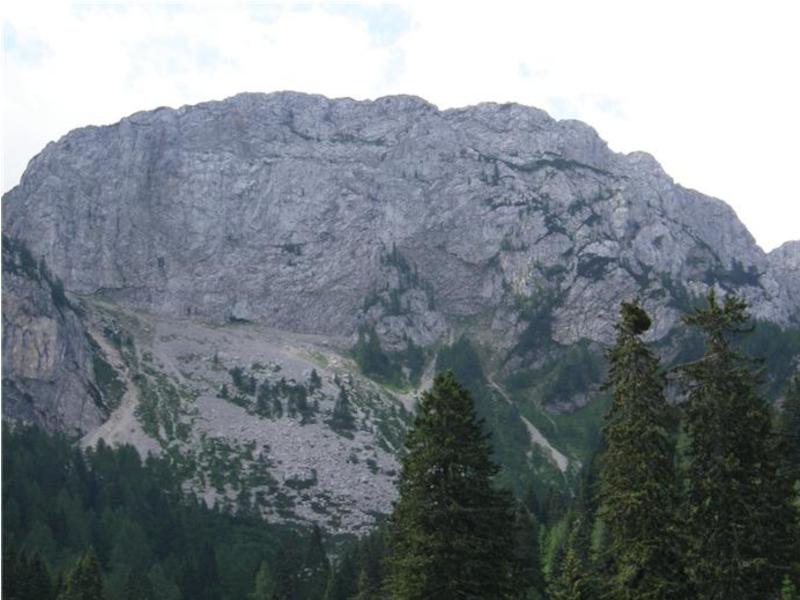
Lake Škale
Lake Družmirje
Lake Družmirje is a picturesque lake in the Saleska Valley, known for its peaceful surroundings and wonderful natural views – visit it and enjoy relaxation, walks by the water and authentic contact with nature near Velenje.
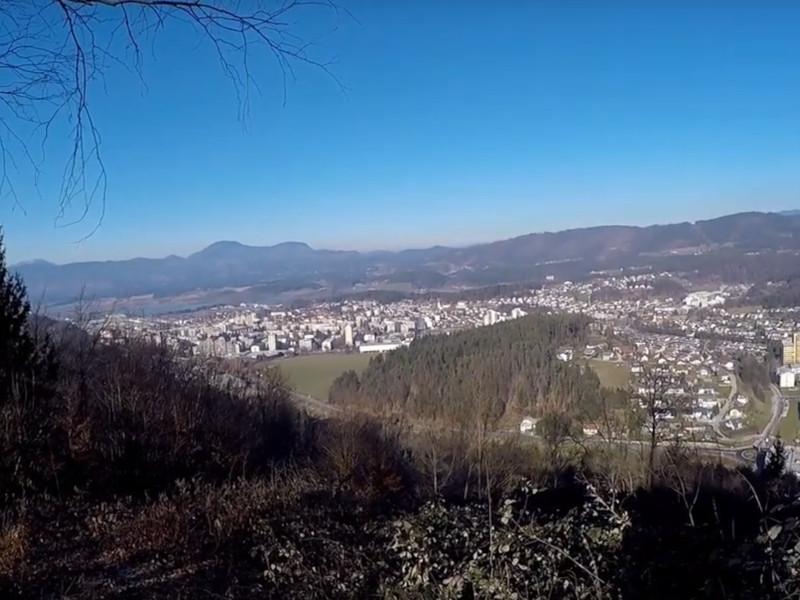
Mozirski gaj
Mozirski gaj is a flower park and open-air ethnographic museum in Mozirje, which Slovenian gardeners and locals created in the 1980s. It arose from an overgrown market-town common where there were illegal rubbish dumps. In this way they transformed the desecrated nature into a flower park. It lies on the right bank of the Savinja River, spreads over an area of 7 ha, and is open from mid-April to mid-October. During this time there is a succession of flower exhibitions, and themed gardens are also laid out, e.g. a group of aromatic plants and medicinal herbs; ethnographic buildings serve to add variety...
Museum of Leatherworking in Šoštanj
For groups that book in advance we offer a guided tour of the museum's exhibitions. The Museum of Leatherworking in Slovenia in Šoštanj was founded on the tradition of leatherworking and a tannery established in 1788...
Church of St James in Topolšica
The Church of St James is the pride of the spa town of Topolšica.
Tresimir Park and Children's Playground
In the park, which covers almost two and a half hectares, playground equipment has been installed for different age groups...
Napotnik Tourist Farm
Napotnik Farm is a renowned family cheese dairy in Topolsica, known for its premium dairy products made from the milk of free-range cows. Visit the farm, taste the award-winning cheeses, yoghurts and spreads, and experience genuine homemade quality in the embrace of nature in the Saleska Valley.
Velenje Coal Mining Museum
The Coal Mining Museum of Slovenia in Velenje is a unique underground museum that takes visitors deep into the world of miners and the history of coal mining in the Saleska Valley. Visit it and experience an unforgettable adventure in an authentic mining environment.
Blue Hill – lavender growing
Blue Hill - lavender growing is a picturesque lavender farm in a natural setting where you can experience blooming lavender fields and buy fragrant homemade products. Visit it and surrender to the scents and tranquillity of the countryside.
Holy Cross
A scenic hill in the village of Bele Vode by the Church of the Holy Cross offers wonderful panoramic views of the Saleska Valley and the surrounding hills. Visit this peaceful vantage point and enjoy the nature and silence above the valley.
Velenje Castle with Museum
Velenje Castle with its museum offers exhibitions, a museum library, weddings, baptisms, children's birthday parties and venue rental for events and fairs. Visit one of the most beautiful cultural landmarks of Velenje and experience history in a unique way.
Lom Hill
Lom Hill is a pleasant vantage point near Velenje, offering lovely views of the Saleska Valley and the surrounding nature. Visit it for a short walk or a relaxing rest in green surroundings.
Mežica Mine
The Peca Underground – Mežica Tourist Mine and Museum is a unique underground tourist attraction in Mežica, where you can experience a former lead and zinc mine by bike, mine train or even by kayak – visit it and explore the mysterious world beneath Mount Peca in Koroška.
Ob Jezeru City Stadium
The Ob Jezeru City Stadium in Velenje is a modern sports stadium by Lake Velenje, designed for football, athletics and major events – visit it and experience the sporting energy in one of the most beautiful sports settings in Slovenia.
Lovrenc Lakes
The Lovrenc Lakes are a unique natural gem on Pohorje, with wooden walkways winding between bog pools, ideal for a relaxing stroll and an experience of unspoiled nature – visit them and discover one of the most beautiful wetlands in Slovenia.
Brinjeva gora above Zreče
Brinjeva gora is a popular viewpoint above Zreče with open vistas of the Dravinja Valley and Pohorje – visit it and enjoy the peace of nature and the wonderful panoramas of northeastern Slovenia.
Žiče Charterhouse
The Žiče Charterhouse is an exceptional medieval monastic complex in a quiet valley near Slovenske Konjice, offering insight into Carthusian life and a rich history – visit it and experience one of the most beautiful cultural landmarks in Slovenia.
Roman Necropolis
The Roman Necropolis in Šempeter in the Savinjska Valley is an exceptionally well-preserved Roman burial ground with richly decorated tombs, offering a unique insight into the life and art of antiquity – visit it and discover one of the most important archaeological landmarks in Slovenia.
Church of St Nicholas
The Church of St Nicholas in Žalec is the central sacred landmark of Žalec, with a rich history and beautiful architecture right in the town centre – visit it and experience the spiritual and cultural heritage of the Savinjska Valley.
Raduha
Raduha is a mighty mountain peak in the Kamnik–Savinja Alps, known for its scenic trails and unspoiled nature – visit it and experience superb panoramas and an authentic alpine experience.
Koželj - Viewpoint
Koželj – viewpoint is a peaceful natural viewpoint with open vistas of the surrounding valleys and hills, ideal for a short stop and enjoying the views – visit it and experience the tranquillity of the Slovenian countryside.
Golte – landscape park
Golte – landscape park is a wonderful mountain park above the Savinjska Valley, with alpine meadows, scenic trails and unspoiled nature – visit it and enjoy hiking, fresh air and wonderful views throughout the year.
Ljubija Spring
The Ljubija Spring is a wonderful karst spring with exceptionally clean water and a peaceful natural setting, ideal for a short walk and rest in nature – visit it and experience one of the most beautiful springs in the Savinjska Valley.
Fountain
The Fountain in Sončni Park in Velenje is a pleasant park attraction in the centre of Velenje, refreshing a stroll through the green Sončni Park and creating a relaxed atmosphere for visitors of all generations – visit it and enjoy a quiet corner of the city.
Rožle Playground
Rožle Playground is a popular children's playground in Velenje, offering safe and varied play equipment for the youngest visitors and a pleasant setting for family time – visit it and give your children a fun experience in a green urban environment.
Parish Church of St George in Mozirje
The most prominent building in the market town of Mozirje is the Church of St George. It is first mentioned in 1241, although it is presumed that a church stood there as early as the 12th century. In his Chronicle of the Market Town of Mozirje (Nova doba, 1926), Žiga Laykauf surmises that the Chapel of St George stood there already at the time of the first Christianisation. The Chapel of St George in Mozirje was first mentioned in a charter of Count Wilhelm von Heunburg...
Nazarje Franciscan Monastery
The Nazarje Franciscan Monastery is a Roman Catholic Franciscan monastery in the Parish of Nazarje. It is located on Gradišče hill beside the Church of the Annunciation of Mary. Originally a Chapel of the Mother of God stood on the hill, built between 1624 and 1628 at the behest of the Ljubljana bishop Tomaž Hren. Over the years it was visited by ever more pilgrims in need of care. For this reason Hren's successor, the Ljubljana bishop Rinaldo Scarlicchio, entrusted the chapel to the Franciscans in 1632. They built a monastery and the present church beside the chapel...
Parish Church of the Annunciation of Mary
The Church of the Annunciation of Mary in Nazarje is the parish church of the Parish of Nazarje and the monastery church of the neighbouring Franciscan monastery. The church stands on Gradišče hill above the confluence of the Dreta and the Savinja...
Vrbovec Castle in Nazarje
Vrbovec Castle stands at the confluence of the Dreta and the Savinja rivers in Nazarje. In historical documents it appears under the German name Altenburg, while the Slovenian name Vrbovec is an old Slovenian term meaning "among the willows", which once covered the banks of the Dreta. The original castle, built on a rocky outcrop in the middle of the complex, dates from at least the first half of the 12th century, and is thought to have acquired its present form around 1480. Among the castle's owners are mentioned the Patriarch of Aquileia, the Lords of Vovbre, the Counts of Celje and the Habsburgs, until the Ljubljana Diocese bought it in 1615 and kept it under its own management right up until the Second World War...
Parish of St Cantianus in Rečica ob Savinji
The Parish of Rečica ob Savinji, whose patron is St Cantianus, covers the Municipality of Rečica ob Savinji, and also includes part of the Municipality of Nazarje in the area of Kraše, Pusto Polje, Potok and Kokarje, all the way to Čreta. The parish church is St Cantianus in Rečica ob Savinji, while the filial churches are St John the Baptist in the field, in Šentjanž, St Catherine in Gorica and the Virgin Mary in Kokarje. Around 3,000 people live in the parish, most of them Catholics, and since 2021 the parish administrator has been Aleksander Koren...
Gallows at Hom
The Gallows at Hom is a viewpoint in the village of Hom, known for its open views over the surrounding hills and valleys and its peaceful rural setting – visit it and enjoy a relaxing break in nature.
Smrekovec–Komen Ridge
The Smrekovec–Komen Ridge is a magnificent high-mountain ridge with open panoramic views, unspoilt nature and popular hiking trails – visit it and experience one of the most scenic areas of the Smrekovec range.
Kolenc Linden Tree
The Kolenc Linden is a mighty centuries-old linden tree and a natural landmark that symbolises the heritage and serenity of the Slovenian countryside – visit it and experience the grandeur of one of the finest tree monuments in the area.
Tirske Peči Natural Monument
The Tirske Peči Natural Monument is an impressive set of karst rock formations in a natural setting, popular among hikers and nature lovers – visit it and experience a unique geological landmark and the tranquillity of the forest landscape.
Veliki Travnik and the Lookout Tower on Turnovka
A popular excursion spot with open views over the surrounding hills and valleys – visit Veliki Travnik for a relaxed walk across the meadows and climb the Turnovka tower for an even broader panorama of the landscape.
Vrbovec Museum – Museum of Forestry and Timber
In Nazarje, at the confluence of the Savinja and the Dreta, stands the more than 750-year-old Vrbovec Castle, home to the Museum of Forestry and Timber, which depicts the life, forgotten customs and work of the former foresters and timber workers. The Savinjska Valley has rich green forests and a recognised tradition of timber management. The Solčava yew is among the oldest trees in Slovenia, while the Larch at Klemenča Jama is the thickest larch in the country. The knowledge associated with timber is preserved by locals to this day...
Cuc Waterfall
Cuc Waterfall is a picturesque waterfall in the natural surroundings of the Savinjska Valley, where the water tumbles over rocky ledges and creates a pleasant refreshment in the embrace of the forest – visit it and discover a hidden corner of nature.
Rep Waterfall
Rep Waterfall is an impressive natural waterfall in a narrow gorge near Ljubno ob Savinji, known for its crystal-clear water and wild beauty - visit it and experience one of the most enchanting waterfalls of the Savinjska Valley.
Zager Mill
Zager Mill is a preserved traditional water mill in a peaceful natural setting that bears witness to the rich technical heritage of the Slovenian countryside - visit it and experience authentic history and tranquillity beside the stream.
Lučka Bela Valley
Lučka Bela Valley is a beautiful alpine valley with a clear river, forests and tranquil nature near Luče, ideal for hiking and escaping into unspoilt surroundings - visit it and experience one of the most beautiful natural corners of the Savinja Alps.
Igla
The Igla rock is a stunning natural rock needle in the Lučka Bela Valley near Luče, whose upright form delights hikers and nature lovers - visit it and discover one of the most recognizable stone symbols of the Savinja Alps.
Erjavec Cave
Erjavec Cave is an interesting karst cave in the vicinity of Luče, known for its natural chambers and mysterious atmosphere - visit it and explore the underground beauty of the Savinja Alps.
Snežna Cave
Snežna Cave beneath Raduha is one of the most famous ice caves in Slovenia, where ice formations and a mysterious underground atmosphere are preserved even in summer - visit it and experience a unique natural phenomenon beneath Mount Raduha.
Chapel on Molička Planina
The Chapel on Molička Planina is a charming mountain chapel on the vast highland pastures of the Kamnik-Savinja Alps, offering peace, scenic views and an authentic alpine atmosphere - visit it and experience the tranquillity of nature high above the valleys.
Church of St. Lawrence
The Church of St. Lawrence in Luče is a picturesque central church in Luče, set among the alpine peaks of the Savinja Alps, which with its history, architecture and peaceful atmosphere creates the perfect stop for visitors and lovers of cultural heritage.
Church of St. Anthony the Hermit
The Church of St. Anthony the Hermit is a charming mountain church by the Podvolovljek pass, surrounded by the unspoilt nature of the Kamnik-Savinja Alps, offering peace, scenic views and an authentic experience of cultural heritage - visit it and feel the tranquillity of the mountain world.
Logarska Dolina Landscape Park
Logarska Dolina Landscape Park is one of the most beautiful alpine valleys in Slovenia, with mighty peaks, green meadows and unspoilt nature, ideal for hiking and relaxation - visit it and experience a true mountain fairy tale of the Savinja Alps.
Robanov Kot Landscape Park
Robanov Kot Landscape Park is a peaceful and unspoilt alpine valley in the Kamnik-Savinja Alps with green meadows, forests and wonderful views - visit it and enjoy the tranquillity of nature far from the bustle of the city.
Matkov Kot
Matkov Kot is a wild and picturesque alpine valley with mighty walls and unspoilt nature, offering a true experience of the mountain world of the Kamnik-Savinja Alps - visit it and discover one of the most authentic corners of Slovenia.
Solčava Panoramic Road
The Solčava Panoramic Road is one of the most beautiful scenic roads in Slovenia, connecting Logarska Dolina, Robanov Kot and Matkov Kot and offering unforgettable views of the alpine landscape - drive along it or explore it on foot and experience the superb panoramas of the Savinja Alps.
Podolševa – Holy Spirit
The Church of the Holy Spirit at Podolševa is a wonderful scenic church high above the valleys of the Savinja Alps, known for its peaceful atmosphere and stunning panoramas - visit it and experience one of the most beautiful viewpoints in northern Slovenia.
Rinka Waterfall
Rinka Waterfall is one of the highest and most impressive waterfalls in Slovenia, plunging majestically among the steep walls of Logarska Dolina - visit it and experience the natural power of water in the heart of the alpine landscape.
Potocka zijalka Cave
Potocka zijalka is a famous prehistoric cave high above the Savinja valley near Luce, known for its archaeological finds and wonderful views - visit it and discover one of the most important cave sites in Slovenia.
Gornji Grad Cathedral – Church of St Hermagoras and Fortunatus
The Cathedral of St Hermagoras and Fortunatus in Gornji Grad is a magnificent Baroque cathedral in the centre of Gornji Grad, known for its richly decorated interior and historical importance - visit it and experience one of the most beautiful sacral landmarks of northern Slovenia.
Lepenatka
Lepenatka is a scenic and popular mountain peak in the Kamnik-Savinja Alps with open views of the valleys and surrounding peaks - visit it and enjoy the pristine alpine nature and wonderful panoramas.
Veliki Rogatec
Veliki Rogatec is a scenic grassy peak in the Kamnik-Savinja Alps, popular among hikers for its easy access and wonderful views of the Savinjska Valley and the surrounding peaks - visit it and experience a genuine mountain panorama.
Menina
Menina planina is an extensive plateau with alpine meadows, forests and scenic trails above the Savinjska Valley, ideal for hiking and relaxing in nature - visit it and experience the peace and vastness of the mountain landscape.
Kasna planina
Kasna planina is a picturesque mountain pasture with open meadows and shepherds' huts in the Kamnik-Savinja Alps, popular among hikers and lovers of quiet nature - visit it and enjoy the authentic alpine atmosphere.
Biba Lake
Biba Lake is a small picturesque mountain lake on the Menina planina plateau, surrounded by alpine meadows and views, ideal for a short stop during a hike - visit it and experience the tranquil beauty of the mountain world.
Church of Mary the Star
The Church of Mary the Star in Nova Stifta is a magnificent pilgrimage church near Gornji Grad, known for its rich Baroque architecture and peaceful spiritual atmosphere - visit it and experience one of the most beautiful sacral landmarks of the Savinjska Valley.
Church of the Presentation of Mary in Stajngrob
The Church of the Presentation of Mary in Stajngrob is a well-known pilgrimage church in the hilly countryside above Sostanj, which impresses with its history, architecture and peaceful surroundings - visit it and experience the spiritual heritage in the embrace of nature.
Church of St Peter
The Church of St Peter in Bocna is a picturesque village church in the village of Bocna, surrounded by the hills of the Savinjska Valley, which with its history and peaceful surroundings offers a pleasant stop for lovers of cultural heritage and nature.
Pozoj Playground
A children's playground located in the Vista area, offering play equipment for various age groups...
Zovnek Castle
Zovnek Castle is considered one of the oldest castles in Slovenia, although the builders of its original form remain unknown. The first recorded owners, mentioned in literature from the 12th century, were members of the Savinjski family, who around the year 1150 renamed themselves the Zovnek lords...
Braslovce Lake
Braslovce Lake, lying near the market town of Braslovce, is a popular destination for walks and relaxation. Around the lake runs a forest nature and walking trail roughly 1.5 kilometres long, allowing pleasant walks in nature...
Žovnek Lake
Žovnek Lake in Podvrh, which with a surface area of 49 hectares is the largest lake in the Municipality of Braslovče, was created by damming the Trnavec stream and serves mainly to irrigate agricultural land. In addition to its economic function, the lake is a true paradise for bird lovers...
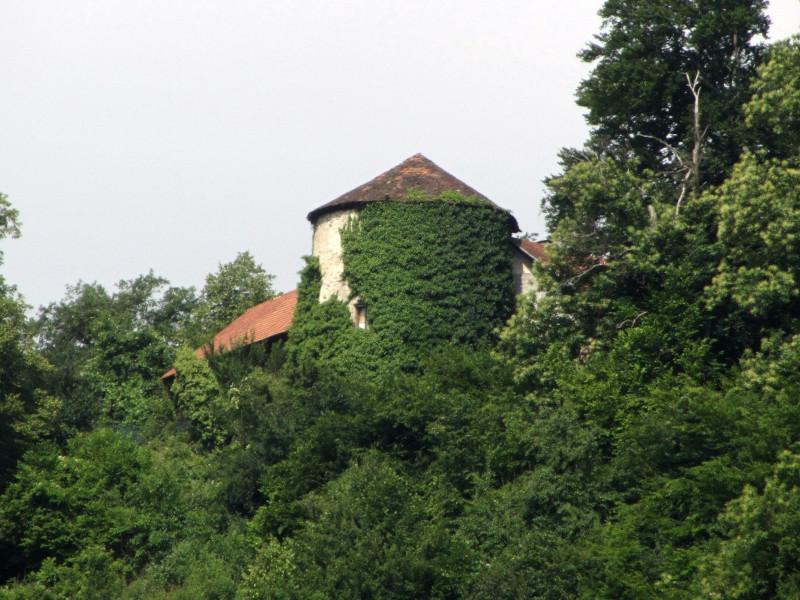
Preserje Pond
Preserje Pond, which locals also call Presersko Lake, lies in the village of Preserje, about a kilometre from Braslovče. It offers excellent opportunities for active relaxation, as it allows for sport fishing, walks along the pond, and unwinding by the Savinja River...
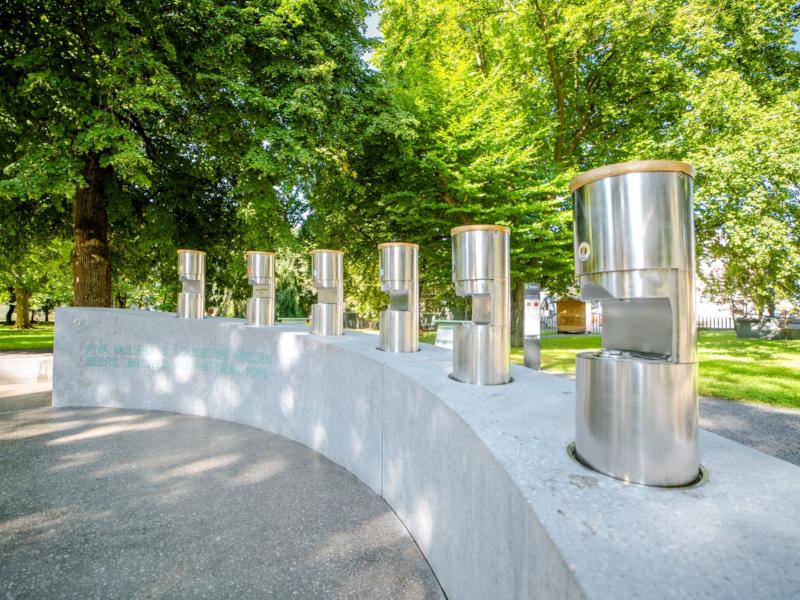
Bayer Villa
Carl Josef Bayer, an important Austrian chemist and inventor, left a significant mark on our area when he bought an extensive plot of land in Rečica ob Paki and built a magnificent villa there, where he lived with his family until his death in 1904. In 1887 Bayer patented the basic process for producing aluminium, and five years later he finally patented the complete Bayer process, which to this day remains the key industrial process for producing alumina, the basic raw material for aluminium...
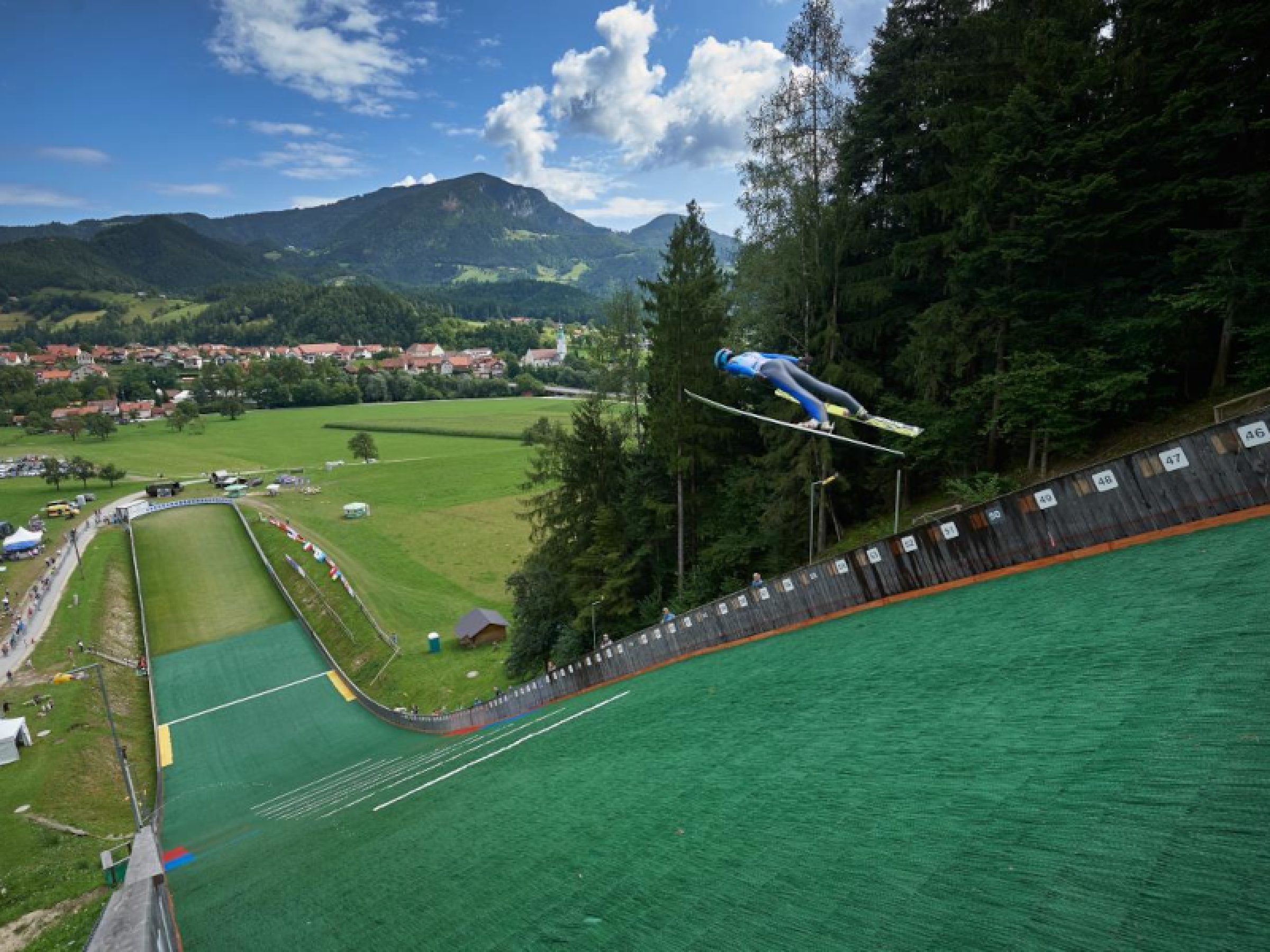
Church of St. Anthony
The Church of St. Anthony, also called the Church of St. Anthony the Hermit, is located in the settlement of Skorno pri Šoštanju. It was built in the 16th century and is known for its simple yet distinctive architectural style. The interior of the church reflects a rich history, as it has been renovated several times over the centuries. In the past it was an important religious and cultural centre for the surrounding inhabitants...
Parish Church of St. Michael
The Parish Church of St. Michael in Šoštanj is of modern design, combining the old and the new. It was built between 1973 and 1990, when it was consecrated. It stands in an area where the Church of St. Michael in Družmirje previously stood, demolished due to ground subsidence above the Velenje coal mine. The new building, designed by architect Adi Miklavc, is based on a reinforced concrete structure and incorporates modern architecture with carefully chosen elements, such as the colourful stained-glass windows, the work of artist Jože Zel, which depict biblical scenes...
Gonžar Rock
Gonžar Rock is an interesting natural rock formation in a peaceful forest setting, popular among hikers and nature lovers – visit it and discover a unique geological corner of the Slovenian countryside.
Vovk Mill
Vovk Mill is a preserved historical water mill in a natural setting, bearing witness to the former way of life and the technical heritage of the countryside – visit it and experience an authentic cultural attraction beside the stream.
Žeblar Rock
Žeblar Rock is a natural rock attraction in a wooded setting that delights with its interesting stone walls and views – visit it and discover a peaceful and picturesque corner of Slovenian nature.
Dobrna Castle - Kačji grad
Dobrna Castle – Kačji grad is the mysterious ruins of a medieval castle above Dobrna, offering a beautiful view and insight into the rich history of the area – visit them and discover one of the more interesting castle attractions of the Savinjska Valley.
Pekel Cave
Pekel Cave is one of the most beautiful show caves in Slovenia, known for its underground waterfalls, stalactites and visitor-friendly paths – visit it and experience the magical world of the karst underground landscape.
Church of St. James in Okonina
When visiting Okonina, climb up to the Church of St. James on the hill above the village and discover the Baroque architecture and rich history of one of the most interesting sacral attractions in the Savinjska Valley.
Church of the Assumption of Mary at Rosulje
The Church of the Assumption of Mary at Rosulje is a picturesque scenic church above Ljubno ob Savinji that combines spiritual heritage with wonderful views of the Savinjska Valley – visit it and experience the peace and beauty of the countryside from one of the most beautiful viewpoints in the area.
Prebold Pond
Prebold Pond, with a surface area of 0.5 ha, offers a unique sport fishing experience in a peaceful and natural setting. Its crystal-clear waters are home to salmonid fish – brown trout, rainbow trout and pike.
Hekenberg Castle (Stopnik)
Hekenberg Castle (Stopnik) is the ruins of a medieval castle on a hill above Stopnik, offering a beautiful view and insight into local history – visit them and discover a hidden castle attraction of the Savinjska Valley.
Zalec Fountain
The Green Gold Beer Fountain in Zalec is a unique attraction in the centre of Zalec, where you can taste various local beers from the Savinjska Valley - visit it and experience an authentic brewing experience in the capital of hop growing.
Savina Ski Jumping Centre
The ski jumping centre is an interesting point of interest for visitors, as you can climb the road on your own all the way to the top of the ski jump. A guided tour is possible with prior arrangement. More information about guided tours can be found on the website of TIC Ljubno ob Savinji.
Menina Campsite
Menina Campsite is a popular natural campsite by the Savinja River, offering relaxation, water activities and family adventures surrounded by greenery - visit it and experience a perfect getaway in the heart of the Savinjska Valley.
Koca na Travniku Lodge
Koca na Travniku is a popular mountain lodge on the vast meadows below Smrekovec, an ideal stop for hikers and nature lovers with beautiful views - visit it and treat yourself to a rest in an authentic mountain setting.
Spanec Vineyard Cottage
The Spanec vineyard cottage, with its exceptional oak wine press from 1791, is one of the oldest and best-preserved vineyard cottages in Slovenia. The Spanec vineyard cottage from 1818 is a corner where time stands still. A nostalgic cart track leads to the partly brick-built wine cellar with living quarters, beneath which century-old vines flourish. The Spanec vineyard cottage is a true cultural and ethnological gem in the heritage of Slovenian viticulture...
Birthplace of Blaz Arnic
Blaz Arnic was born on 31 January 1901 at the Zalesnik farm in Strmec nad Lucami in the Upper Savinja Valley, where he also spent his earliest youth surrounded by nature among mountain peaks and mighty forests. Being naturally very talented, he also played music occasionally from a very young age.
Brloznica Gorge
The smaller streams and water channels that flow down from the area of Kasni vrh, Volovljek and partly Velika planina merge in Podvolovljek. Here, however, they did not carve a riverbed into the soft base of marly layers, but rather hollowed out a true canyon in the harder limestone.
Koklej Homestead
On the Koklej farm there is a collection of old and beautifully restored wooden farm buildings, which in the past represented an important part of life in this area.
Intermittent Spring
The intermittent spring is an interesting source in which the water fluctuates at regular time intervals. The ebb-and-flow spring is a special type of karst spring in which, due to a special siphon connection of water cavities, the water flow first increases and then decreases over shorter or longer intervals.
Trbiska Zijavka Cave
The karst cave, protected as a natural monument, is located on the right bank of the Savinja along the walking path that leads to Igla. The cave is 237 metres long and 30 metres deep. It was created by underground waters that flowed down from the karstified Dleskovska Plateau. Bones of a cave bear were found in it, which are on display in the regional museum in Celje.
Village Washing Place
Near the Juvan House, along the bed of the Mlinscica stream, there is a restored village washing place where washerwomen once did the laundry.
Lake near Jezernik
The lake near Jezernik, also called Jezernik's Lake, is located 2 km northeast of the village of Luce. It formed on a river terrace above the right bank of the Savinja.
Chapel on the Loka Mountain Pasture
The chapel, managed by the Parish of Luče, stands just a few metres above the Koča na Loki lodge. Holy Mass is occasionally held there during the summer months.
Juvan House
Juvan House – a cultural monument of local importance – is among the oldest houses in the area of the Municipality of Luče. Based on the period of its construction, it dates to the 18th century.
Arta Mountain Pasture
The Arta mountain pasture lies on the south-western part of Raduha, near the Snežna jama cave. From the pasture, where a shepherd's hut stands, fine weather opens up a sweeping view of the hills around the Savinjska Valley and the highest peaks of the Kamnik-Savinja Alps.
Javorje Mountain Pasture
From the pasture, where a shepherd's hut stands, a fine view opens up of the Smrekovec range, Uršlja gora, Menina planina, Veliki Rogatec and the depths of the Upper Savinja Valley.
Loka Mountain Pasture
On the eastern slope of Raduha, just above the tree line, lies the Loka mountain pasture. From the pasture a fine view opens up of the Upper Savinja Valley and the mountains above it. In the distance we can see Menina planina, a little closer Veliki Rogatec and some of the easternmost peaks of the Savinja Alps above Lučnica.
Podvežak Mountain Pasture
The Podvežak mountain pasture is a scenic pasture on the south-western part of the Dleskovec Plateau. It lies on a somewhat gentler slope east of Lastovec, at an altitude of 1575 m.
The Ravne mountain pasture is a living pasture located on the south-eastern edge of the Dleskovec Plateau.
Kladje Linden
At the mountain homestead Kladje in Ter below Stari Stani, not far from the mountain lodge on Smrekovec, stands a magnificent linden (Tilia cordata) with a girth of 4.8 m and a height of no less than 31 m.
Interactive Raftsmen's Collection
The interactive raftsmen's collection is designed so that visitors explore the subject themselves and move freely around the space – the guide gives only a few basic pointers about rafting in Ljubno. Meanwhile, the collection of Palm Sunday bundles is set up as a classic exhibition led by a guide. The admission ticket is valid for both collections, located in the attic spaces of the Cooperative Hall.
Fašun Homestead
The house at Foršt 51, known locally as "Pri Fašunu", is a declared cultural monument. Together with its farm building, it represents a unified type of elongated farmhouse. The homestead, with its modest layout and courtyard, represents the home of a smallholder, a "vlcer", that is, a forestry worker and raftsman.
Church of St Elizabeth in Ljubno
The parish church of St Elizabeth is a Gothic building, but in the fire of 1798 it lost its Gothic features; only the exterior Gothic buttresses and a few frescoes on the outer walls remain, which the restorer Viktor Povše very successfully saved in 2000 and 2001 through careful removal of whitewash, consolidation, and precise, minimal retouching.
Church of St Michael in Radmirje
The church, first mentioned in 1395, had its nave rebuilt and a star-vaulted presbytery added in the second half of the 15th century, which has been preserved to this day. The main and side altars are fine examples of gilded altars from the second half of the 17th century.
Church of St Francis Xavier and the Treasury of Chasubles
In the pilgrimage church, the Radmirje treasury is of exceptional importance, having gathered gifts from the Austrian, Polish, French and Neapolitan courts. Among the preserved goldsmith's treasures, two are of particular quality: the golden chalice with paten, the work of the Parisian master R.J. August (1760), and the monstrance adorned with precious stones, the work of the Viennese goldsmith J.J. Wurth
Bohač Linden
The Bohač linden, as the locals call it, is listed among the natural values of local importance under the name Turnšek Linden. It stands in the central square of Rečica ob Savinji, beside the ancient Bohač homestead, whose owners bear the surname Turnšek. In the past, market-town stories unfolded beneath this linden, news was exchanged, townsfolk cooled off… Beneath its canopy, the central Rečica event, the Evening under the Market-Town Linden, still takes place today.
CHURCH OF ST JOHN THE BAPTIST
The Church of St John the Baptist in Šentjanž was first mentioned as early as 1347. It originally had no bell tower, acquiring one only in the 15th century. At that time, a large fresco of St Christopher with the Christ Child was covered over, of which both heads remain visible today. In the mid-19th century the church was almost entirely rebuilt. Built into the tower are a Roman tombstone and an altar to the sun god Mithras, worshipped by Roman soldiers.
PILLORY – PRANGER IN REČICA
The pranger is a stone pillar about two metres high with a distinctive cap, which originally stood on a stone pedestal. An iron ring is fixed to the pillar, to which the convict was tied. This most often happened on Sundays or some holiday, when many people gathered to mock and taunt the condemned and make fun at their expense
TAVČAR COURT
In the market town of Rečica stands a single-storey stone-built building called Tavčar Court. In German documents it is called Tautscher Hof. It was built in the 16th century in the Renaissance style.
It was named after Bishop Tavčar, who bought it in 1590 from its then owner Janez Jurij Hurnus. The house became Tavčar's private property.
Vila Široko Šoštanj
Experience the past in the embrace of nature. Vila Široko is a beautiful historic villa located above Šoštanj...
Monastery of the Poor Clares in Nazarje
Beside the Church of the Annunciation of Mary and the Franciscan monastery stands the monastery of the Second Franciscan Order, the order of the Poor Sisters of St Clare, the Poor Clares. Fourteen sisters currently live there. The founder of the order of the Poor Clares is St Clare of Assisi, who lived from 1193 to 1253. By decree in 1782, Emperor Joseph II dissolved all monasteries of the Poor Clares. The Poor Clares returned to Nazarje in 1978 after an absence of almost two hundred years, and in 2003 they celebrated the 25th anniversary of their return.
Church of St Jodocus in Rovt pod Menino
The church is first mentioned in the Gornji Grad urbarium in 1426. The Gothic church, erected in the first half of the 15th century, has retained its original appearance almost in its entirety. At that time the bell tower, the flat-roofed nave and the cross-ribbed vaulted presbytery were built. The nave was given a star vault in the second half of the 15th century. From the older furnishings, a Gothic winged altar from around 1380 with scenes from the legend of St Otilia has survived. The reliefs of St Dorothy and St Anne with the Virgin and Child on the pulpit date from the early 16th century.
Church of the Virgin Mary in Kokarje
The place and the chapel are first mentioned in 1340. Later the place was simply called Pri kapeli (At the Chapel), and only in 1460 does the name Kokarje appear. The church has been a place of pilgrimage from the very beginning. The first great gathering is mentioned in 1460, when Abbot Kašpar led a procession from Gornji Grad in the middle of winter and his prayers were answered. That year the winter was very harsh; cattle perished from the cold and people died. Soon after the gathering it grew warmer. In memory of this, a gathering is still held in Kokarje on every Lenten Ember day to this day.
Church of St George Mozirje
The most prominent building in the Mozirje market town is the Church of St George. It is first mentioned in 1241, but it is presumed that a church stood there as early as the 12th century.
Mozirje Gallery
Mozirje Gallery operates within the Mozirje Central Library. In the gallery we organise occasional exhibitions in the fields of fine art, photography, literature and ethnology.
Church of St Roch
The Church of St Roch is a church in the Karavanke at an altitude of 427 metres. The church is located 0.7 km north-northeast of Mozirje and 1.2 km west-northwest of Ljubija.
Ljubija Spring
The Ljubija Spring is a natural water spring located in the Municipality of Mozirje, in the area of the Upper Savinja Valley. The spring is set in pleasant natural surroundings, popular among hikers and visitors who enjoy nature.
Filial Church of Mary, Mother of God at Lepa Njiva
The church was built in 1493 and consecrated around 1500. The northern sacristy was built around 1670, and the bell tower around 1720. The nave was vaulted in 1770.
Parish of Šmihel nad Mozirjem
The Parish of Šmihel nad Mozirjem lies on a gentle slope below the karst plateau of Golte above Mozirje. It encompasses the village of Šmihel, part of the villages of Radegunda and Lepa Njiva, and one house from the village of Brezje. The parish belongs to the parish association of the parishes of Mozirje, Rečica ob Savinji and Šmihel nad Mozirjem
Center Rinka
The central space of Center Rinka is a multipurpose hall for multimedia presentations, lectures, training sessions, seminars, workshops, guest exhibitions or smaller cultural events.
Church of Our Lady of the Snows
The Church of Our Lady of the Snows is a picturesque pilgrimage church in Solcava, known for its rich history, beautiful architecture and popularity among visitors seeking spiritual peace and views of the surrounding landscape.
Mineral water spring
The mineral water spring is a mineral spring below Olseva, said to have healing powers. It has been declared a natural monument of Slovenia.
Church of St Michael
The main parish church in the centre of Vransko is an important sacred and historical symbol of the town.
Vransko Motorcycle Museum
The museum showcases a rich collection of historical motorcycles and the development of motorcycling in Slovenia.
Schwentner House
A historic town house of a wealthy market-town family, characteristic of the traditional architecture of the old town.
Ethnological Collection Brode pri Vranskem
The ethnological collection is located at the »pri Knežari« homestead in the village of Brode. The owner of the Knezar homestead is also a passionate collector himself, so the collection has grown considerably since it opened in 2006. The exhibits have been restored and arranged throughout the entire homestead, which therefore gives the impression of a museum.
Prekopa Firefighting Collection
A small museum presenting the history of firefighting and old firefighting equipment in the area.
Parish Church of St Hermagoras and Fortunatus in Podraga
The church lies in the eastern part of the settlement on a raised terrace. Steps lead up to it from the west side. The original Gothic church was built in 1465-1480. Parts of it were used in the remodelling of the church at the end of the 17th century. In the 19th century the church was rebuilt and newly furnished. In 1857 a bell tower was added to the church. The bell tower is of the Aquileian type, but covered with a stone onion-pyramidal roof. The main altar of St Hermagoras and Fortunatus, made of marble and inlaid, imitates Baroque columnar altars.
Prebold Mansion
The Renaissance Komenda Manor in Prebold is an important cultural monument and part of the history of the Savinjska Valley.
Vrbje Pond
Vrbje Pond is a true haven for birds, with more than 170 species already observed; the southern part of the pond belongs to a Natura 2000 area.
Parish Church of St Stephen
The main parish church in Gomilsko is an important religious centre of the lower Savinjska Valley.
Filial Church of St Rupert
The filial church in Sentrupert stands in the centre of the village and represents an important part of the local sacred heritage.
Filial Church of St Christopher
The Church of St Christopher in Grajska vas is a historic village church that originates from older medieval sacral buildings.
Filial Church of St Matthew
A smaller church on a hill above the valley offers a beautiful view of the surrounding places of the Savinjska Valley.
Church of St John and St Paul
The Church of St John and St Paul stands in the scenic area of Dobrovlje and is an important rural sacral landmark with a view of the surrounding hills.
Komenda Castle
The Renaissance Komenda Castle is one of the most important historic buildings in Polzela and is today a restored cultural centre.
Šenek Park and Mansion
Šenek is a historic manor with a large English park, a popular place for walks and cultural events.
Birth House of Neža Maurer
In the settlement of Kopank in Podvin pri Polzeli stands the birth house of Neža Maurer, a well-known Slovenian poet, writer, publicist and honorary citizen of the Municipality of Polzela. The house was completely renovated in 2022 and is one of the few still preserved in its near and wider surroundings, telling us about the way of life, husbandry and dwelling in the past.
Museum of Old Tractors
A unique collection of more than twenty vintage vehicles, which the owner Ernest Obermayer gathered from various parts of Slovenia and Austria and restored to the point that they are all in running condition. Part of the collection is a Mercedes-Benz from 1952 with a wooden chassis beneath the metal body, of which he is especially proud.
Novi Klošter Mansion
The monastery in Zaloše was built by the Count of Celje Frederick II, who in 1453 gave it to the Dominican monks. At the end of the 18th century it was dissolved by Emperor Joseph II. It was twice devastated by the Turks, later it was rebuilt into a mansion, and its surroundings were converted into a park, where various trees were planted.
Church of St Margaret
The parish church of St Margaret was built not far from Heilenstein Castle, in the present centre of Polzela, and is first mentioned in 1255. The owners of the castle from the Heilenstein lineage expanded their estates also in connection with the estates of the Counts of Celje. The original church was Romanesque. In 1263 it became a commandery church, as evidenced by the relief of the Maltese cross on the ceiling in the presbytery.
Church of St Andrew
Once a picturesque little church, first mentioned in a document from 1229, today it is a stately parish church, from which there is a picturesque view of the entire area of Andraž nad Polzelo. The origin of this little church is connected both with the landowners of Polzela and the Counts of Celje.
Church of St Nicholas on Vimperk
The church is first mentioned in the Strasbourg visitation protocol of 1545, but by the time of its origin it is older and probably dates back to the second half of the 14th century. It underwent baroquization during the time of the commander Baron Gloyach. In 1728 the church received its present vault instead of the Gothic wooden ceiling, and in the following decades a sacristy and a bell tower were added.
Church of the Assumption of Mary
The parish church, once one of the largest mother parishes in Styria, where the Countess of Celje Veronika of Desenice was temporarily buried in 1428, is undoubtedly the oldest and most renowned building in Braslovče.
Štrovsenek Mansion
The Štrovsenek Manor, which stands in the settlement of Šmatevž, is a former hunting court of the Princes of Celje from the second half of the 15th century. The Styrian provincial physician and naturalist Jakob Strauss renovated the manor in the Renaissance style at the end of the 16th century, and since then it has also borne his name »Straussenhof«.
Church of St Peter
The first historical record of the church dates from 1256; the church's greatest attraction is undoubtedly the statue of the Mother of God with Child from 1320.
Loznica Nature Park
Loznica Nature Park encompasses the land along the Loznica River, offering a pleasant setting for relaxation and a stroll.
Nivo Bio Park
Nivo Bio Park is a pleasant and beautifully landscaped park with numerous energy points that fill our body with energy. Simply sitting on the rocks and walking along the energy trail has a beneficial effect on well-being; the trail is laid out so that you can skip an individual point or walk from one part of the park to another via shortcuts.
Roman Road
East of the Roman necropolis, remains were found of the Roman road Aquileia–Emona–Celeia–Poetovio, which ran from present-day Aquileia in Italy via Ljubljana and Celje to Ptuj.
Eco Museum of Hop Growing and Brewing of Slovenia
The Eco Museum of Hop Growing and Brewing of Slovenia opened its doors in November 2009. It is a significant tourist asset for the entire Lower Savinjska Valley, as the tradition of hop growing and brewing has been alive in these parts since 1876.
Church of St John the Baptist
The Church of St John the Baptist in Letus watches over its parishioners from the hillside like a guardian, with their homes scattered below it.
Novo Celje Manor
This Baroque manor from the 18th century stands in a large park between Zalec and Petrovce.
Celje Old Castle
The largest medieval castle in Slovenia was the seat of the mighty Counts of Celje.
Regional Museum
The Celje Regional Museum has been collecting, preserving and presenting the cultural heritage of Celje for over 130 years. At two central city exhibition venues (the Princes' Palace and the Old Counts' Mansion) and ten external ones, it offers a comprehensive view of the history and culture of the Celje region.
Museum of Recent History
One of the greatest charms of travelling and exploring cities is that we can get to know up close the lifestyle and soul of their inhabitants. Through this lens we come to understand the foundations on which their architecture and way of life, everyday habits and festive customs developed.
Celje Gallery of Contemporary Art
With its representative exhibition spaces in the Princes' Palace, it is dedicated to larger, study-based, thematic and survey exhibitions of recent and contemporary visual art by Slovenian and foreign artists.
City Park
Horse chestnuts, the sound of the river and old acquaintances gathering in nature are the main draw of Celje City Park, once known as the Savinja Meadow.
St Cecilia
The church and Capuchin monastery were built at the wish and with the alms of the faithful. The foundation stone was laid on 25 October 1609. The church was consecrated to St Cecilia by the Bishop of Ljubljana, Tomaz Hren, on 14 November 1615. The monastery was enlarged in 1910, and in 1911 chapels were added to the church.
Parish Church of St Joseph
On St Joseph's Hill in Celje, with God's blessing and the dedication of all who live and work here, a varied range of activities has developed over two good decades, which we divide into three areas. The oldest is the spiritual and educational activity, which has been running since 1997. We prepare our own programmes of spiritual exercises, training for pastoral collaborators, adult education, cultural events, concerts and courses.
Smartno Lake
Smartno Lake is located in the immediate vicinity of Celje and, with its varied shoreline and interesting surroundings, is an attractive destination for outings. It was created in 1970 and covers 113 ha of water surface. In addition to its original function as a flood-retention reservoir, the lake and its surroundings have over the years turned into a recreational, sporting and tourist area that grows more popular year after year.
Celje Equestrian Center
An indoor riding arena, an outdoor riding ground and accompanying facilities provide excellent conditions for equestrian activities regardless of the season.
Z'dežele Stadium
The stadium in the sports park below Golovec, which has carried the sponsorship name Z’dežele since 2005, ranks among the most modern football and sports facilities in Slovenia. Construction of the stadium in the former abandoned Opekarniška jama began in 1999, and it was handed over for use with the completion of the main eastern grandstand on 9 September 2003, when a friendly match between the youth national teams of Slovenia and France (0:0) was played there. The official opening of the stadium took place three days later, at a championship match between the then CMC Publikum and Ljubljana (3:1), when Simon Sešlar also scored the first goal at the new stadium.
Celje Climbing Center
The Celje Climbing Center in the gymnasium of the 1st Primary School invites you to test your strength and body control! You can climb on almost 1000 m² of climbing surfaces.
Church of Our Lady of the Snows
The present Church of Our Lady of the Snows is a Gothic fortified building erected at the end of the 15th century. It is said to have been built by the Count of Celje Frederick II in gratitude for his safe return from captivity in Ferrara. The church is built of stone and is unplastered, and besides its magnificent Gothic architecture it contains a Late Gothic image of Mary with Jesus in the Baroque altar, Mary's “throne” from 1700, an image of the Nativity of Mary and a Baroque organ. Several mighty, ancient linden trees stand beside the church.
Church of St Florian
The Church of St Florian stands in a small valley called Svetli dol (the name derives from the Slovenized word “Lichtenthal”, as the valley was named by the German workers who felled timber in the nearby forests for the local glassworks). In 1753 it was built by Count Gaisruck, the owner of the Novo Celje estate, for his workers from the nearby glassworks. A special attraction of the church are the paintings depicting the life of St Florian.
Church of St John the Baptist
The Church of St John the Baptist stands on a hill in the village of Šentjanž nad Štorami, in the immediate vicinity of the local road leading to Svetina. On the site where the church stands today, the Prežin mansion is said to have once stood, but it was demolished in the 15th century, so that only the castle tower remained, which still stands today as the church bell tower, separate from the church. This church too is first mentioned in 1525, but it was probably built about a decade earlier. The high altar in the church bears an image of John the Baptist.
Church of the Holy Cross
In the immediate vicinity of the Church of Our Lady of the Snows stands its filial Church of the Holy Cross, which was built around 1500. In the small church is the famous “Crucified” cross, created around 1490, and a large oil painting depicting the Nativity of Christ.
Celjska koča
With a view of Celje in miniature, comfort and unspoiled nature meet on a green plateau to the south of the Celje basin. Celjska koča is a hill and a resort that you can reach on foot, by bicycle or by car.
Church of St Lawrence
The Church of St Lawrence stands at the edge of the village of Kompole and is surrounded by a cemetery. The church was built by the feudal Saiffner family in the second half of the 14th century, and is first mentioned in written sources in 1525. It is set on an east–west axis and has three parts: a bell tower built onto the front, a rectangular nave and a semicircular apsed presbytery. The church has a high altar made in the Neo-Renaissance style, with a statue of St Lawrence in the center, a statue of St Paul on one side and a statue of St Peter on the other. The side altar is adorned with an image of the Archangel Michael with statues of the Archangels Gabriel and Raphael at the sides.
Štore Ironworks Museum
The origins of the Štore Ironworks Museum date to recent times. The permanent exhibition presents the development of the town of Štore and the surrounding places from the second half of the 19th century to the present day. The emphasis is on two economic branches – mining and ironworking, which strongly marked this area. The beginnings of iron production in Štore date to the middle of the 19th century, to the time when the towns of Maribor, Celje and Ljubljana were already connected by the “iron road” with Graz, Vienna and Trieste, and to the time when the influence of the industrial revolution brought numerous technological innovations and modernizations of plants, which made it possible to increase the production of iron and iron products, while coal became an important energy source.
Teharje Memorial Park
The Štore Memorial Park is dedicated to the victims of post-war extrajudicial killings, often associated with the area of the Teharje camp.
Tomaž at Sv. Tomaž nad Vojnikom
The Chapel of St Thomas at Sv. Tomaž nad Vojnikom, remains of the once mighty medieval castle from the 12th century.
Lemberg Castle
Lemberg Castle from the 12th century, demolished in 1453 by Frederick II of Celje and rebuilt in 1584. Even today the castle reveals its mighty form, already from the road leading toward Dobrna.
Socka Mansion with Park
The Socka Mansion with park (15th century); the original owners are known as early as the first half of the 13th century. The park is an example of a Classicist design from the second half of the 19th century with elements of exoticism.
Majpigel Mansion
The Majpigel Mansion in Vine from the 18th century, a small domain above Lemberg. It was originally owned by the Celje Minorites. Later the painter Elda Piščanec worked at the mansion.
Mansion with Park, Frankolovo
The Mansion with Park in Frankolovo dates from the 16th century. The Chapel of the Holy Trinity once belonged to the manor; the first wedding documented there took place in 1724.
Church of St Bartholomew
Before reaching Vojnik along the main road, the mighty parish Church of St Bartholomew greets us at the start of the village. The present church is at least the third in succession and the youngest of all the churches in the parish.
Filial Church of St Florian
The Church of St Florian in Vojnik dates from the 15th century. Exterior: the bell tower has no base course, but does feature a simple crowning course. The presbytery is girded by a Gothic base course and a fluted cavetto. Interior: after 1730 the Nepomuk Chapel and the western part of the sacristy were added. The church received its furnishings in the second half of the 18th century.
St Michael's Chapel
St Michael's Chapel, in Nova Cerkev, beside the Church of St Leonard. The Gothic chapel has a reconstructed Baroque architectural painting of stitched edges from the end of the 18th century. The chapel also has reconstructed windows in the presbytery and the chapel's entrance door. In the chapel, Anton Martin Slomšek also held Sunday school for his faithful.
Church of St Catherine
The Church of St Catherine in Lemberg; the original church dated from 1262 and was later demolished, but the present one dates from 1841.
Church of St Bartholomew, Vojnik
Before reaching Vojnik along the main road, the mighty parish Church of St Bartholomew greets us at the start of the village. The present church is at least the third in succession and the youngest of all the churches in the parish.
Beškovnik Granary
An ancient homestead from the early 19th century, the Beškovnik Granary is a living museum of former rural life and an opportunity for a wonderful outing.
Noordung Center
The Noordung Center in Vitanje uncovers the secrets of space with virtual reality, projections and exhibitions.
Oplotnica Mansion
The Oplotnica Mansion, set by a small park in the center of Oplotnica, is a monument to rural opulence with some of the finest examples of stucco work far and wide.
Treetop Walk Pohorje
The Treetop Walk Pohorje on Rogla will show you what the birds see. Climb the mighty tower and stroll along the 1000 m long path among the trees.
Skomar House
The Skomar House is an excellently preserved cultural monument and a perfect portrayal of the life of the former peasant population of Pohorje.
Church of the Holy Family
The Church of the Holy Family in Tepanje is the newest church in the Rogla–Pohorje Tourist Destination and a beautiful example of a modern sacral building.
Church of the Holy Spirit
The Church of the Holy Spirit in Loče is known for the sculptural works of numerous masters.
Church of St Bartholomew
The Church of St Bartholomew in Jernej pri Ločah was built as early as the 14th century. It is renowned for an unusual statue of St Bartholomew, who carries his own skin in his hands.
Church of the Holy Mother of God
The Church of the Holy Mother of God on Brinjeva gora is a pilgrimage church known far and wide, also called the »little Višarje«.
Slivnica Lake
Slivnica Lake is the only lake in the Kozjansko region. Near the village of Gorica pri Slivnici, along the road towards Podčetrtek, Slivnica Lake, or the Kozjansko Sea as many call it, stretches across an area of 84 hectares.
Descendant of the Old Vine
On the façade of the house at 26 Ipavci Composers Street, a descendant of the oldest grapevine from Lent, the blue Kavčina, grows along the trellises.
Ipavec House
In Zgornji trg, the birthplace of the Ipavec dynasty - composers, physicians, great patriots, Europeans - has stood since 1760.
Museum of the Southern Railway
A longtime stationmaster takes you through the history of the Southern Railway for Styria through stories, original exhibits and photographs. The Museum of the Southern Railway in Šentjur is located by the railway station.
Ruins of Rifnik Castle
The tower is still preserved today to a height of three storeys and has Gothic windows with wall seats and frames with chamfered edges.
Museum of the Rifnik Treasures
Over 600 exhibits on display from the period from the Neolithic to the end of Late Antiquity
Planina Castle
On the rock above the village of Planina pri Sevnici, castle ruins stand proud. At their core they reveal Romanesque elements, while the southern castle wall is Gothic, and the entrance section and part of the wall on the northwestern side are Renaissance. The core of the castle was formed by a mighty palace that was once 38 metres long and 15 metres wide. In addition to the mighty wall, which in its lower part measures up to two and a half metres, the castle was protected on the western side by a defensive tower that guarded the original southern access
Aškerc Memorial
In March 2006, members of the Anton Aškerc Cultural Society of Rimske Toplice landscaped the surroundings on the remains of the poet's birthplace and erected a memorial in the shape of the letter A.
Kislinger House and Museum
Kislinger House is a former market-town granary that served as a store for grain and a wine cellar. It houses the Laško Museum, which presents the historical development of the town from prehistoric times to the present day through its exhibitions. Visit the permanent exhibitions: Laško – A Journey Through Time, Brewing and Spa Tourism, and Geology of the Laško Area.
Tabor Castle
The castle above the town, once the administrative seat of the lordship and a princely court, probably already stood in the 11th century, but is first mentioned in written documents in 1270. For many years it was owned by the famous Counts of Celje, who are said to have used it as a hunting lodge. It received the name Tabor during the Turkish raids, when its fortifications protected the inhabitants of the market town. Today it houses a restaurant with top-class cuisine.
Church of Blessed Anton Martin Slomšek
The church in the picturesque Reka Valley was designed according to the plans of Janez Valentinčič, an assistant of the renowned architect Jože Plečnik. His influence is evident, among other things, in the form of the bell tower with balconies and domes that direct the ringing of the bells across the valley. Built in 1939, the church was the first in Slovenia to be consecrated to Blessed Anton Martin Slomšek in 2000.
Church of Our Lady of Lourdes
The popular pilgrimage church of Our Lady of Lourdes, also simply called Lourdes, was built in 1886. Several stones brought from the famous rock cave in Lourdes, France, were built into the altar. Due to its position, the church offers an exceptional view of the spa town of Rimske Toplice.
Church of St Christopher
In the church, completed in 1738, the oldest organ in Slovenia is on display. The organ, dated 1682 and a good half century older than the church, previously sounded in the Church of St Martin in Laško. This instrument with an exceptional history was also depicted on the Slovenian 200-tolar banknote.
Church of St Catherine
One of the oldest churches in the Laško area, dating from around 1500, surprises visitors with its array of statues of female saints. Around the altar dedicated to St Catherine stand St Margaret, St Apollonia, St Barbara and St Lucy. The side altar opposite the pulpit is dedicated to St Dorothy. The painting of the Adoration of the Magi is an important Italian work from the first half of the 17th century.
Church of St Maurice
The church, built in 1277 as the monastery church of the Jurklošter Charterhouse, was the first example of the architectural style of the Laško group. It is characterised by the cross-ribbed vault of square cross-sections of the church nave. A special feature of the church is also the unique Gothic stone bell tower on a wooden roof structure.
Archparish Church of St Martin
The bell tower, the main nave and the ceiling cross-vaulted in a special way testify to the original design of the church, which began to take shape in the 12th or 13th century. With the architectural style of the »Laško group«, first used in the construction of the Carthusian church in Jurklošter, the church, which later acquired as many as 10 Baroque altars among other features, ranks among the more important Romanesque monuments in Slovenia.
Park of the Roman Spa
The admiring gazes of all visitors to Rimske Toplice are surely most drawn by the sequoias on the forest clearing or meadow, as the locals call it. They were planted in 1879 in honour of the arrival of the English princess and Prussian crown princess Victoria. The trees were sent from London's Kew Gardens botanical garden.
Strniš Mill
Along the Kostrivnica Tourist Water Trail, more precisely in the Dreveniški stream below the Church of St Leonard, lies the ''Old Mill'' or ''Strniš Mill'', as the locals know it
Podsreda Castle
One of the rare cultural monuments of the Romanesque period.
Museum of the Baroque
The collection reveals the secret of almost 300-year-old original polychrome wooden statues.
Strmol Manor
The castle complex was first mentioned in 1436. The Counts of Celje gave the tower to Jakob Strmolski from Cerklje na Gorenjskem. Numerous concerts, theatre plays and exhibitions take place here.
Rogatec Open-Air Museum
The Rogatec Open-Air Museum, located at the foot of Donačka gora in an authentic Styrian landscape, preserves the folk building heritage and cultural tradition of the people who lived in the Obsotelje region from the end of the 19th to the middle of the 20th century. Its core consists of original buildings and reconstructions of craft and farm buildings.
Open-Air Ethnographic Museum
The heritage-protected Junež Homestead is an open-air ethnographic museum comprising a farm building, a partially enclosed double hayrack and an apiary, as well as a restored old farmhouse with a black kitchen from the 19th century with original indigenous equipment and inventory of that period.
Minorite Monastery of Olimje
The small village of Olimje lies in the shelter of Mount Rudnica, in the area of the Kozjansko Park. Its grandeur comes from a beautiful manor, once owned by the Counts of Attems and now by the Municipality of Podčetrtek, which has today been transformed into a recognisable monastery inhabited by the Friars Minor of St Francis - the Minorites. Beside it stands the magnificent Church of the Assumption of Mary, one of the most beautiful Baroque works of art in our homeland.
Museum of Farm Equipment
The interesting ethnological collection of the Museum of Farm Equipment presents life in the countryside in the past and the tools used by the humble country folk. The collection is enriched by over 4000 exhibits, some of which are of exceptional age and are true masterpieces. The museum collection ranks among the richest in this part of Slovenia and is certainly worth your visit.
Svete gore
From the top of the 527 m high hill called Svete gore, the view reaches far into the Croatian Zagorje, past Donačka gora and Boč all the way to Pohorje. More than the view from the top, however, the ridge stirs the imagination of all visitors, along which five shrines line up downwards: the Lourdes Chapel, the Chapel of St Sebastian and St Fabian, the Church of Mary dedicated to the Nativity of Mary, and the chapels of St George and St Martin.
Davjek Karst Spring
The Davjek karst spring is in the isolated karst of the Kozjansko Park. Karst springs are characterised by large fluctuations in flow and occasional turbidity during high water. It measures 1 m in diameter and continues into a stream, where there is then another smaller spring, which is also used for drinking. The stream flows into the river Sotla. The basin itself is about 10 m long and 8 m wide. The spring formed at the junction between a slope and the surrounding plain, namely at the contact between permeable limestone and impermeable marl. Davjek is a wonderful example of a cavity and a karst spring, which is also suitable for a picnic, walks in the surroundings and small gatherings
Levstik Mill
The Levstik Mill, or today's residential house with a mill, was built in the middle of the 19th century parallel to the channel of the river Bistrica. The dwelling was in the left part, while the mill, which comprises only one room, was in the right. It houses two mill mechanisms for white and mixed flour, with the mill driven by undershot water. In the sources, the mill is first mentioned in a document from 1801. You can view the mill building, in which two mill mechanisms stand, and a demonstration of grinding grain and the operation of the entire mill.
Collection Orchard of the Kozjansko Park
in the collection orchard of the Kozjansko Park you can see the nursery, the tall-trunk meadow orchard and the Čerčk Homestead, where more than 100 traditional varieties of apple and pear trees have been planted. The central collection orchard extends over 2.3 ha and is cultivated according to the principles of organic farming. Every tree within the orchard is labelled with the name of its variety (both in Braille). The orchard contains habitats for beneficial organisms – insect hotels, nesting boxes and bird feeders – and various studies of fauna and flora, workshops, practical demonstrations, and natural science and project days are also carried out here.
Lourdes Cave
The Lourdes Cave lies 250 m from the Church of St Mary in Zagorje pri Lesičnem. Beneath a 19 m high sandstone overhang there is a small altar, where a spring of healing water also rises. When visitors reach the spot, a magnificent view of the natural beauty opens before them, while the spring offers a sip of fresh, cool water.
My Mother's School
In the very centre of the village there is a museum classroom from the times of the Kingdom of Yugoslavia. On display are also the original school door of the old school and an entire classroom with wooden benches and a blackboard. The school operated from 1882 until 1966. The rooms also feature an overview of the first Slovenian readers from the 19th and 20th centuries, along with stone slates with slate pencils and various wooden pencil cases. It is also possible to watch the performance "Lessons the Old Way" in cooperation with the Kozje Primary School. Visits are possible by prior arrangement.
Bistrica Gorge
The gorge, which winds between Trebče and Zagaj, is approximately 3 km long and is renowned as one of the best-preserved river gorges in eastern Slovenia. More than 200 million years ago the river carved its channel here, which is still embraced today by steep, forested and rocky slopes. Between Rebrija and Tisovec it is so narrow that it is almost impassable. The gorge captivates with its pristine nature, as chamois, birds of prey, wild boar, dragonflies, trout, crayfish, the Carniolan lily, houseleeks, the rough-haired houseleek, butcher's broom and many other protected animal and plant species find suitable and precious shelter here. The gorge is exceptionally varied and picturesque in its landscape.
Blacksmithing Museum
Visit the forge and the blacksmithing museum and discover the rich history and traditional methods of blacksmithing. They will demonstrate forging processes carried out on the original, still-working tools and machines that were used in the old days. You also have the very special opportunity to forge and work with the tools under the guidance of an experienced blacksmith. It will also be possible to purchase a souvenir.
Kozje Castle
The place is mentioned as early as 1016 as Traskendorf, when the Roman emperor Henry II granted Count William of Breže-Selce the settlement of Kozje with 30 royal farms, while in 1130 Trachendorf, as the inheritance of Hema of Breže-Selce, was already in the possession of the Diocese of Gurk. In 1197 the first Kozje knight Oton – Otto de Trachenberch appears in the company of the Bishop of Gurk, Ekhard.
Church of St John the Baptist
In Podsreda a vicariate is mentioned in the 15th century, and in 1765 it became a parish. The old Church of St John the Baptist burned down, and only the rib-vaulted presbytery remained, which was converted into a mortuary and used until 1871. In the 19th century a new church was built. The interior is Late Baroque, decorated with frescoes by Tomaž Fantoni from 1877–78. The high altar is a sculptural work from 1865. Above the altar hangs a painting, the work of the renowned Franc Mihael Strauss from the 18th century, depicting the baptism in the Jordan. The side altars are of the tabernacle type, from the 19th century.
Podčetrtek Castle
Today you can visit the newly renovated Podčetrtek Castle, which, with its exceptional restoration and modern additions, offers an unforgettable experience for all visitors. Through the carefully restored ancient stone walls and magnificent towers, you can stroll along the Castle Trail and feel the pulse of the past intertwining with the present.
Tower of Health and Joy
Rudnica is a range of hills above Podčetrtek and Olimje, where, a metre below the summit of the 622 m high Silavec, stands the lookout Tower of Health and Joy on Rudnica. The highest platform is at a height of 35.23 m, and the total height thus amounts to 40 m.
THE WITCH'S HUT
A kilometre on from the Olimje Monastery, hidden in the forest, lies the Land of Fairy Tales and Imagination, where young and old visitors alike will enter a world of fairy tales and once again meet Kekec, Bedanec, Krjavelj, Snow White, Little Red Riding Hood and other fairy-tale characters ...
Filial Church of St Andrew
The Filial Church of St Andrew stands on the southern slope of Rudnica. From Olimje it is only a ten-minute walk away. The church dates from the 15th century and is Late Gothic. Even at first glance it gives the impression of being something special, above all because of its bell tower, which is the only one of its kind in this area. The church facade with its Gothic portal, rose window and Baroque little window indeed concludes with a small open Mediterranean bell tower and is the easternmost example of this type of bell tower in our country. In the tower there are two bells, which ring the Angelus three times a day.
Church of St Roch
The Church of St Roch was built gradually, but 1646 is considered the year of its origin. Legend has it that in 1645 two locals brought the plague from Ptuj to Šmarje, which in a short time killed more than two hundred people. And in order to be delivered from this affliction, they built a chapel on the hill above Šmarje. At the intercession of the Mother of God, St Roch and St Sebastian, God heard their prayers and drove the plague out of the land.
Jelšingrad
In 1424 the manor was first mentioned indirectly as Erlach, and in 1480 the name Jelsche – Jelše appears in the land registers of the Lemberg lordship. However, the manor is first reliably mentioned only in 1666, when Žiga Gaisruck took the Jelše manor on lease. The Gaisrucks were the owners of Jelše right up until 1799, after which the manor and the lordship were bought by Anton Nagy.
Calvary
Passion routes, such as the Šmarje Calvary, began to emerge during the Counter-Reformation and the Catholic Revival, and in the 18th century they were an extremely popular devotion among all classes of the population, attracting up to five times more people than pilgrimage sites with a longer tradition. Calvaries consisted of any number of stations, and their content was equally varied: scenes of Jesus's suffering were often interwoven with scenes from his childhood or from the life of Mary.
St Mary's Church at Sladka Gora
The wine-growing hills of Sladka Gora surround a gem, the pilgrimage Church of St Mary, which our ancestors named after St Mary – the miraculous Mother of God – and St Margaret of Antioch. It was built on the site of the original Church of St Margaret. After 1738, the hills of Sladka Gora became companions to the crowds gathering in throngs.
Tinsko
Tinsko is recognizable from afar by its distinctive silhouette. It consists of two churches built closely together, namely the Church of St Anne and the Church of the Mother of God. The legend of the two churches tells that Tinsko was once heavily overgrown with shrubs and wild vegetation, while at the top of Tinska Gora stood only the Church of St Anne.
Parish Church of St Martin at Ponikva
The church stands at the eastern edge of the village of Ponikva. Originally, a Romanesque church was already documented in the archives at this location. The present Baroque church was built between 1732 and 1758, and was consecrated two years later; it belongs to the Sladka Gora type of churches. The rectangular nave with a built-on bell tower is followed by an equally high, narrower presbytery, which has a chapel and storeroom added on the northern side. The church surprises visitors with its size, as its total length is as much as 35 m and its width 18 m.
Parish Church of St George
The first mention of the town of Šentjur is connected with the Church of St George in a document from 1340. The present church was built on the site of an Early Gothic church in Zgornji trg between 1708 and 1721. According to tradition, the building was constructed by the Maribor builder Fuchs, but he fell into a dispute and abandoned the construction. The bell tower was added in the years 1760–63.
Gradbena trgovina, d.o.o.
Gradbena Trgovina d.o.o. was founded on 9 March 2005, with its headquarters in Zreče. After a difficult start and hard work, in 2008 we began constructing a new headquarters in Spodnje Stranice. Construction was completed in early 2009, which enabled us to move into more spacious and better-equipped premises.